
 By admin
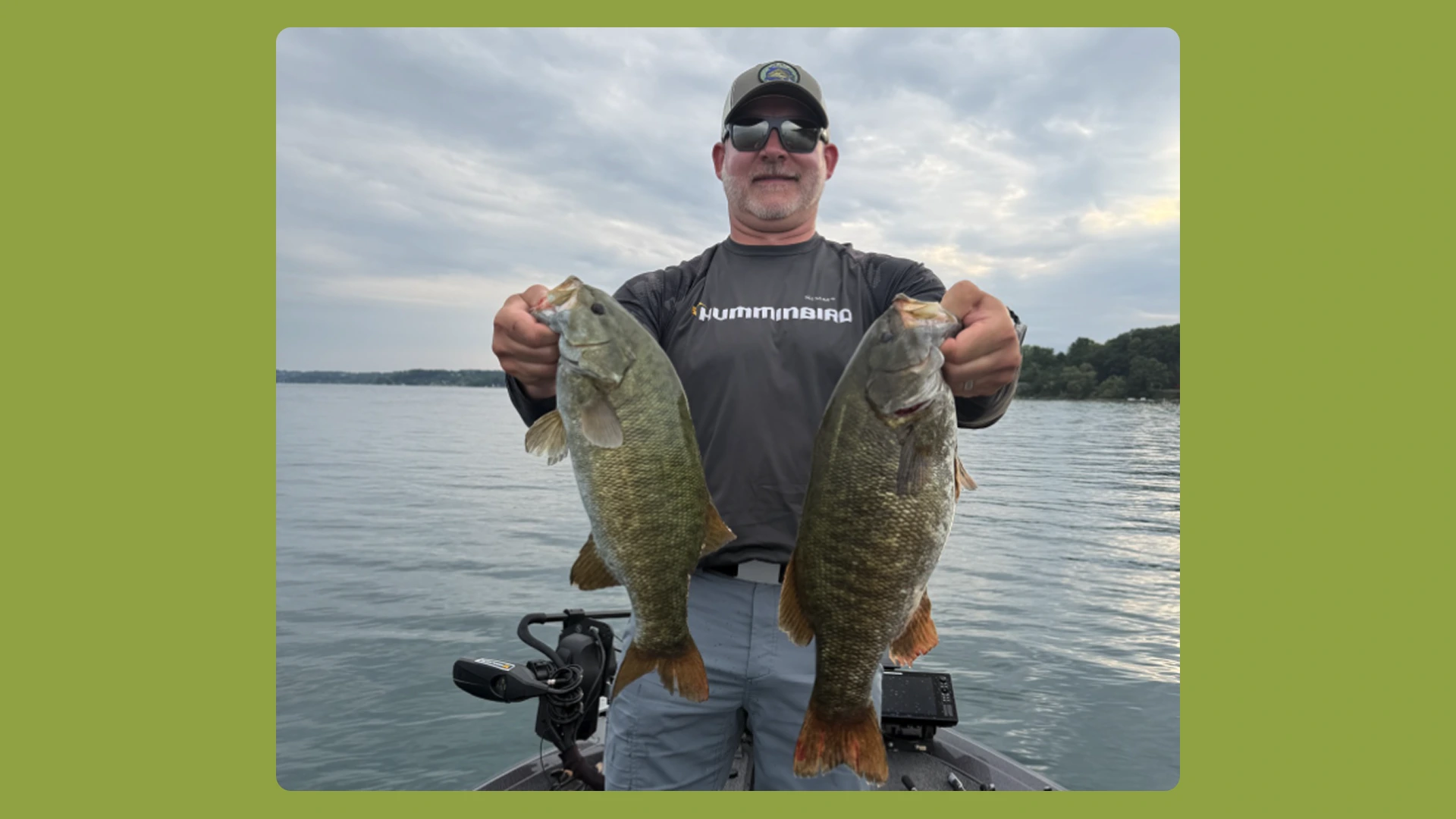
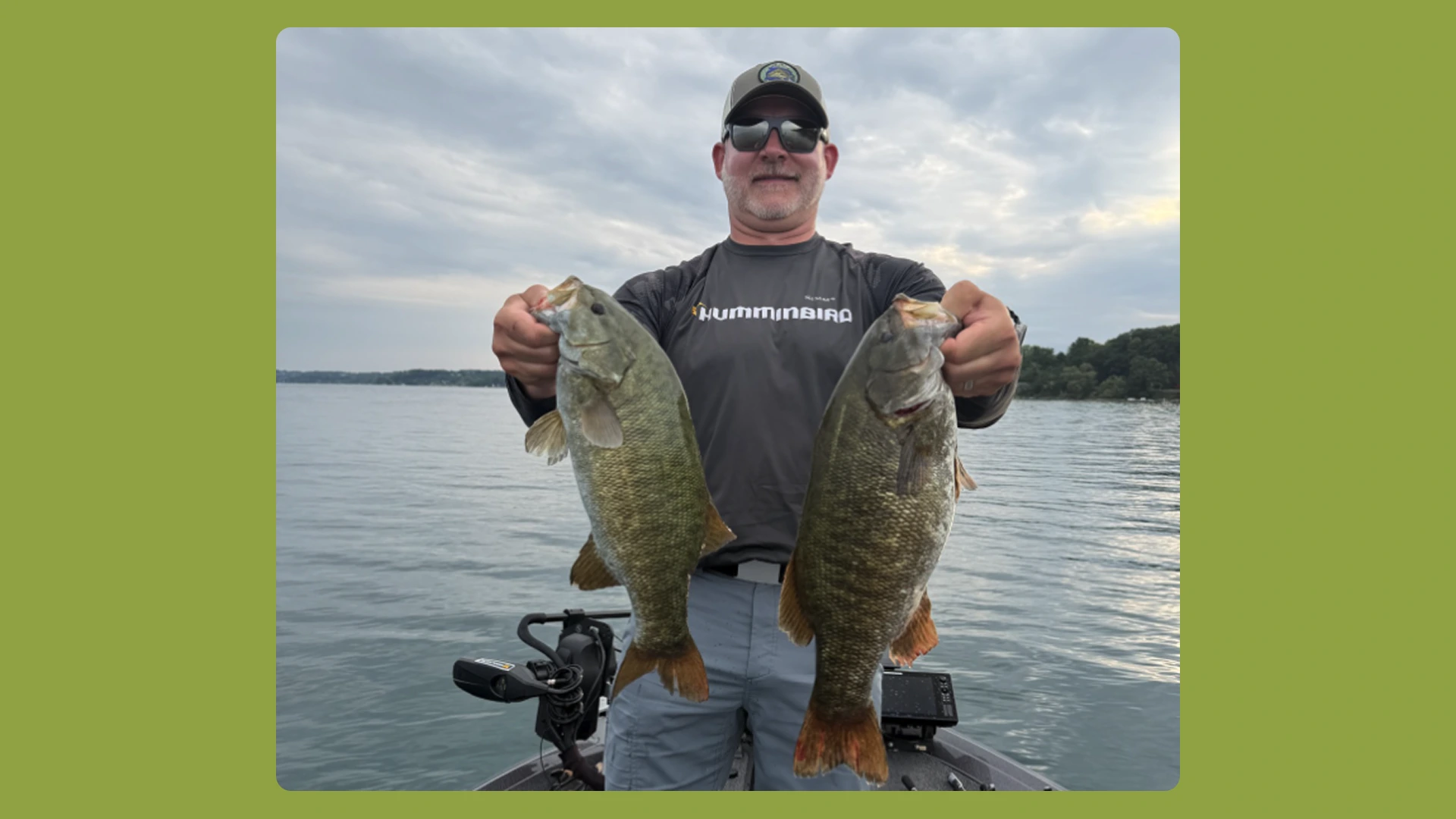
The "Chasing a Cure" campaign has successfully bridged the gap between professional sports, the competitive outdoor industry, and pediatric medical philanthropy, marking a significant milestone in the effort to fund life-saving research for the Children’s Cancer Research Fund (CCRF). By integrating a high-stakes boat sweepstakes, a nationwide amateur angling competition, and a presence at one of the most lucrative professional fishing tournaments in history, the initiative has introduced the mission of CCRF to a vast new demographic of supporters. This multi-faceted effort was designed not only to raise capital but to foster a deeper understanding of the ongoing challenges faced by children and families battling oncological diagnoses.
At the heart of the campaign’s public engagement strategy was the "Chasing a Cure" boat sweepstakes. The centerpiece of this giveaway was a custom-designed iKon LXE21 Elite "Rookie of the Year" bass boat, a vessel synonymous with high performance and professional-grade engineering. The sweepstakes concluded with the announcement of Jason Lott of Ohio as the winner, signaling the end of a high-profile promotional period that leveraged the influence of NFL Hall of Famer Randy Moss. Moss, an avid angler and a central figure in the campaign, utilized his platform to elevate the visibility of childhood cancer research, drawing a direct line between the competitive spirit of professional sports and the resilience required by pediatric patients.
The Nationwide Bass Challenge and Community Engagement
Parallel to the sweepstakes, the CCRF Nationwide Bass Challenge provided a platform for amateur anglers across the United States to contribute to the cause through a structured competitive format. This challenge was led by a roster of high-profile captains and influencers within the fishing community, including Randy Moss and professional angler Jacob Wheeler; Hilary Martin and Kristine Fischer; Logan Parks and Hood Fishing Entertainment; and the duo of Dylan and Carter Nutt. These team leaders were instrumental in mobilizing their respective fan bases, turning social media influence into tangible support for medical research.
The competitive aspect of the challenge concluded with Team Hilary and Kristine securing the overall team victory. In the individual categories, Ethan Conway of Mississippi emerged as the champion of the Southern Division, while Jordan Daigle of Massachusetts took top honors in the Northern Division. As part of their recognition for excellence in the field and commitment to the CCRF mission, both Conway and Daigle were awarded VIP trips to "The Champions" tournament in Nashville, Tennessee. This integration of amateur success with professional exposure underscored the campaign’s goal of creating a unified community of advocates.
Strategic Presence at The Champions Tournament
The "Chasing a Cure" initiative reached its crescendo during World Bass Enterprises’ inaugural "The Champions" tournament. Held in Nashville, this event made headlines within the sporting world for offering the largest prize purse in the history of professional bass fishing. The tournament concluded with angler Matt Robertson securing a historic $1.25 million victory. While the financial stakes of the tournament were unprecedented, the presence of CCRF ensured that the underlying purpose of the gathering remained focused on philanthropic impact.
At the associated All Outdoors Expo, the CCRF mission moved from the abstract to the personal. Staff and volunteers engaged with thousands of attendees, many of whom shared personal accounts of how childhood cancer had affected their families. These interactions included meetings with cancer survivors, providing a sobering reminder of the stakes involved in pediatric research. The expo served as a critical touchpoint for education, allowing the organization to articulate the specific needs of the pediatric cancer community to an audience that may not have previously been reached through traditional fundraising channels.
The Mission and Impact of the Children’s Cancer Research Fund
Since its inception in 1981, the Children’s Cancer Research Fund has been a cornerstone of the pediatric medical community, contributing more than $235 million to research initiatives and family support programs. The organization’s strategy is built on the recognition that childhood cancer requires a specialized approach, distinct from adult oncology. CCRF focuses its funding on several key pillars:
- Hard-to-Treat Cancers: Investing in research for rare and aggressive forms of cancer that currently have low survival rates or limited treatment options.
- Health Disparities: Addressing the gaps in care and outcomes that affect children from marginalized communities, ensuring that every child has access to the best possible medical advancements.
- Survivorship and Long-term Wellness: Recognizing that the battle does not end when a child enters remission. CCRF funds programs that help survivors manage the long-term side effects of intensive treatments, such as radiation and chemotherapy, which can impact heart health, fertility, and cognitive function later in life.
- Family Support Services: Providing resources to help families navigate the logistical, emotional, and financial burdens of a cancer diagnosis.
The "Chasing a Cure" campaign highlighted the "beautiful parallel" between the world of competitive angling and the world of medical research. Much like an angler who must demonstrate patience, perseverance, and bold thinking to land a difficult catch, researchers must relentlessly pursue new hypotheses and endure years of rigorous testing to achieve a breakthrough. This narrative helped frame the scientific process as a "chase" for better outcomes, making the complexities of laboratory work more relatable to the general public.
Collaborative Support and Corporate Partnerships
The success of the "Chasing a Cure" initiative was predicated on a network of diverse partners who contributed resources, expertise, and visibility. Key contributors included Randy Moss and his "Chasing10" brand, which emphasizes the pursuit of excellence and giving back to the community. Corporate and individual partners such as Andrew Grein, Mark Schill, iKon Boats, Brian Bird, and World Bass Enterprises provided the infrastructure necessary to execute an event of this magnitude.
The involvement of iKon Boats was particularly significant, as the donation of a high-value asset like the LXE21 Elite allowed CCRF to generate substantial revenue through sweepstakes entries. Furthermore, World Bass Enterprises’ decision to integrate CCRF into "The Champions" tournament provided a high-profile stage that validated the importance of pediatric research within the professional sporting industry.
Analysis of Implications for Pediatric Philanthropy
The "Chasing a Cure" campaign represents a shift in how non-profit organizations approach fundraising in an increasingly fragmented media landscape. By tapping into the "outdoors" economy—a sector that sees billions of dollars in annual spending—CCRF has diversified its donor base beyond traditional healthcare philanthropists.
Data suggests that pediatric cancer research remains significantly underfunded compared to adult cancers. In the United States, the National Cancer Institute (NCI) allocates only a small fraction of its total budget—historically around 4%—specifically to pediatric cancer research. This gap makes private funding from organizations like CCRF essential for driving innovation. Campaigns that utilize high-interest events, such as professional fishing tournaments and celebrity partnerships, are becoming vital tools for closing this funding gap.
Moreover, the "Chasing a Cure" model demonstrates the power of "experiential philanthropy." Rather than simply asking for donations, the campaign offered participants the chance to be part of a community, compete for prizes, and attend world-class events. This approach creates a more sustainable relationship between the donor and the cause, as the contribution is tied to a memorable and positive experience.
Conclusion and Future Outlook
While the specific events of the "Chasing a Cure" campaign have concluded, the momentum generated by the initiative continues to fuel CCRF’s ongoing projects. The organization has emphasized that the "chase" for a cure is a continuous journey that requires long-term commitment from the public. The funds raised through the boat sweepstakes and the bass challenge are already being deployed to support researchers who are investigating the next generation of chimeric antigen receptor (CAR) T-cell therapies and other targeted treatments.
The legacy of "Chasing a Cure" serves as a reminder of the impact that collective action can have when sports, industry, and philanthropy align. For the children and families currently navigating the challenges of a cancer diagnosis, the efforts of every angler, fan, and partner involved in this campaign represent more than just financial support; they represent the hope that a future without childhood cancer is within reach. As CCRF looks toward its next decade of service, the success of this initiative provides a blueprint for future engagement, proving that when the community comes together, the pursuit of a cure moves significantly closer to the finish line.
