
 By Budi Oetomo Narendra
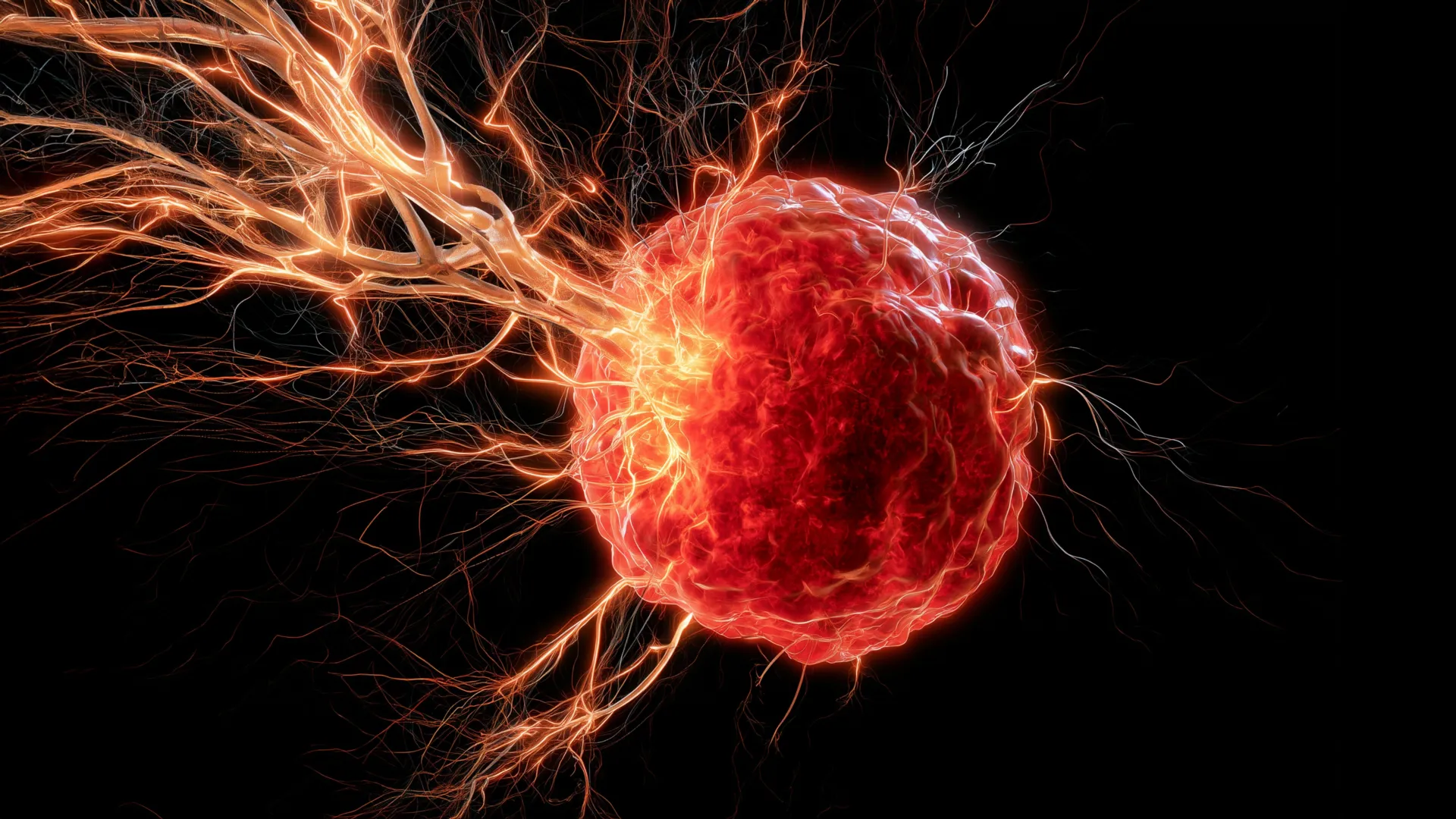
A groundbreaking discovery by scientists at Cold Spring Harbor Laboratory (CSHL) has unveiled a surprising paradox at the heart of cancer biology: a protein traditionally associated with tumor growth may, when strategically activated in immune cells, hold a powerful key to combating the disease. This revelation, published in the esteemed journal Nature Immunology, suggests a novel pathway for treating aggressive cancers that have proven resistant to existing therapies, including the increasingly common and deadly colorectal cancer affecting younger populations.
The findings could mark a significant turning point, especially for patients battling difficult-to-treat forms of colorectal cancer, a disease that has alarmingly become the leading cause of cancer-related death among individuals under 50. For many, the options become tragically limited when standard chemotherapy and even newer immunotherapy treatments falter. The research posits that peroxisome proliferator-activated receptor delta (PPARD), a protein long implicated in sustaining cancerous activity, can be reprogrammed to act as a potent "force" for the immune system, shifting the balance of power within the tumor microenvironment.
The Rising Scourge of Colorectal Cancer and the Need for Innovation
Colorectal cancer (CRC) represents a significant global health challenge. According to the American Cancer Society, it is the third most common cancer diagnosed in both men and women in the United States, and the second leading cause of cancer-related death when men and women are combined. More alarmingly, recent trends show a disturbing increase in CRC incidence and mortality rates among younger adults, particularly those under the age of 50. While the exact reasons for this surge are still under investigation, factors such as changes in diet, lifestyle, obesity rates, and possibly delays in screening are being explored.
For patients diagnosed with advanced or metastatic CRC, treatment options can be complex and often involve a combination of surgery, chemotherapy, radiation therapy, and targeted biological agents. Immunotherapy, particularly checkpoint inhibitors like PD-1/PD-L1 antibodies, has revolutionized the treatment landscape for many cancers, but its efficacy in CRC is often limited to a subset of patients with specific genetic markers (e.g., microsatellite instability-high tumors). For the majority of CRC patients, especially those with microsatellite stable tumors, current immunotherapies yield minimal benefit, leaving a critical unmet need for new therapeutic strategies. It is precisely this gap that the CSHL research aims to address, offering a glimmer of hope where conventional approaches falter.
Harnessing the Body’s Defenders: The Promise and Limits of Immunotherapy
Immunotherapy, a broad category of treatments that harness or enhance the body’s own immune system to fight cancer, has been hailed as a monumental advancement in oncology. Among its most celebrated breakthroughs is Chimeric Antigen Receptor (CAR) T cell therapy. This sophisticated treatment involves extracting a patient’s T cells, genetically engineering them in the laboratory to produce CARs that specifically recognize and bind to antigens on cancer cells, and then reinfusing these "supercharged" T cells back into the patient.
CAR T cell therapies have achieved remarkable success in treating certain blood cancers, such as specific leukemias and lymphomas, often leading to durable remissions in patients who had exhausted all other options. The U.S. Food and Drug Administration (FDA) has approved several CAR T cell products, transforming the prognosis for many with these challenging diseases.
However, the application of CAR T cell therapy to solid tumors, which constitute the vast majority of cancers, has proven significantly more challenging. Solid tumors present a formidable barrier, characterized by complex tumor microenvironments (TMEs) that are often immunosuppressive, physically dense, and metabolically hostile to immune cells. T cells, upon encountering these harsh conditions, can become "exhausted" – losing their ability to proliferate, secrete anti-tumor cytokines, and effectively kill cancer cells. This T cell exhaustion is a major hurdle in translating CAR T cell therapy’s success from liquid tumors to solid tumors. The CSHL team’s work directly addresses this critical issue by focusing on enhancing the intrinsic fitness and metabolic resilience of immune cells.
The Core of the Discovery: Cellular Fitness and the Metabolic Switch
At the heart of this groundbreaking research is the concept of cellular fitness, a principle championed by CSHL Assistant Professor Semir Beyaz. While physicians have long acknowledged the influence of a patient’s overall physical fitness on their recovery from illness, Beyaz and his team are delving into a more granular, fundamental level: the metabolic health and performance of individual cells, particularly immune cells.
"We hypothesized that the fitness determinants of cancer and our immune cells may not be so different," Beyaz explained. "They’re in the same universe. They’re constrained by the same chemical and physical rules. So, it’s not surprising they’d end up evolving the same way." This perspective suggests a shared metabolic language between cancer cells and immune cells, offering a unique opportunity to manipulate this language for therapeutic benefit.
The central player in this metabolic narrative is peroxisome proliferator-activated receptor delta (PPARD). PPARD is a transcription factor, meaning it’s a protein that binds to specific DNA sequences, thereby controlling the rate of transcription of genetic information from DNA to messenger RNA. In essence, it acts as a master regulator, dictating which genes are turned "on" or "off." Critically, PPARD plays a pivotal role in regulating how cells metabolize and burn fat for energy, a process known as fatty acid oxidation (FAO).
Scientists have previously observed that cancer cells often hijack metabolic pathways, including those involving PPARD, to fuel their rapid growth and proliferation. Tumor cells, with their insatiable energy demands, can exploit PPARD to enhance their lipid metabolism, providing them with the necessary building blocks and energy to thrive and spread. This makes PPARD a seemingly undesirable target, one that would logically be inhibited in cancer therapy. However, the CSHL team’s ingenious approach was to consider its activation in a different cellular context: the immune system.
A Scientific Journey: From Hypothesis to Validation
The journey began with meticulous studies in mouse models of colorectal cancer. Beyaz and his colleagues observed that while cancer cells indeed leveraged PPARD to support their own activity, the activation of the very same protein within immune cells yielded a dramatically different, indeed opposite, effect. Instead of inadvertently aiding tumor growth, this activation fundamentally reprogrammed the immune cells and the surrounding tumor microenvironment, shifting it towards a state conducive to immune system attack.
"It’s all about cell fitness," Beyaz reiterates. "What cells eat affects who they are. When immune cells burn more fat, they become more fit for fighting cancer." This revelation highlights a crucial metabolic switch: by enhancing their ability to burn fat, immune cells, particularly T cells, acquire greater endurance, resilience, and effector function, enabling them to persist and effectively engage in prolonged combat within the nutrient-scarce and suppressive tumor microenvironment. This metabolic reprogramming helps combat the dreaded T cell exhaustion that plagues conventional immunotherapies for solid tumors.
To further validate these findings and assess their translational potential, the researchers focused on improving the efficacy of CAR T cells against human colorectal cancer. They engineered CAR T cells and then activated PPARD within them. These "PPARD-activated CAR T cells" were then rigorously tested against a battery of experimental models of human colorectal cancer. These models included patient-derived organoids (miniature tumor models grown in the lab that faithfully replicate the original tumor’s characteristics), human cancer cells cultured in laboratory dishes, and human cancer cells implanted into mice (xenograft models).
Across all these diverse experimental platforms, the results were consistently striking: the PPARD-activated CAR T cells significantly slowed or even completely halted tumor growth. This robust validation across multiple models provides compelling evidence that altering the energy processing of immune cells could be a potent strategy to enhance existing immunotherapy approaches. While these results are profoundly promising, it is crucial to note that the approach has not yet been tested in human patients, and further clinical development is required.
Broadening the Horizon: Beyond Colorectal Cancer
While colorectal cancer was the initial and primary focus due to its increasing prevalence and therapeutic challenges, the CSHL team’s investigation extended beyond this single disease. Encouragingly, they observed similarly promising results in other aggressive cancers, including breast cancer, ovarian cancer, and melanoma, a highly aggressive form of skin cancer.
These expanded findings significantly amplify the potential impact of the research. They suggest that the strategy of improving immune cell fitness through PPARD activation could represent a universal mechanism, a broader therapeutic platform applicable to a wide spectrum of tumors that are currently difficult to manage with existing treatment modalities. This potential for widespread applicability makes the discovery particularly exciting for the oncology community and patient advocates.
The Broader Implications: A "Tip of the Iceberg" for Immune Health
Beyaz believes that these discoveries are merely the "tip of the iceberg" when it comes to uncovering novel strategies to strengthen cancer immunotherapy. The implications of understanding and manipulating cellular metabolic fitness could extend far beyond oncology, potentially impacting a range of other debilitating conditions where the immune system falters.
"Boosting immune cell fitness may also help with other conditions where the immune system fails to clear diseased cells," Beyaz posited. His laboratory is actively pursuing one such avenue: investigating whether the same metabolic reprogramming approach could be beneficial in treating endometriosis.
Endometriosis is a chronic, often debilitating inflammatory condition affecting approximately one in ten women of reproductive age globally. It occurs when tissue similar to the lining of the uterus (endometrium) grows outside the uterus, causing severe pain, inflammation, infertility, and significant impact on quality of life. Like difficult-to-treat colorectal cancer, endometriosis remains a major medical challenge. Existing treatments, which include hormonal therapies and surgical intervention, often provide only temporary relief and do not address the underlying immune dysfunction and chronic inflammation associated with the disease. If PPARD activation can bolster immune cells to clear diseased endometrial cells, it could offer a transformative new therapeutic paradigm for millions of women.
Navigating the Path Forward: From Bench to Bedside
The journey from a promising laboratory discovery to a clinically approved therapy is long and arduous, fraught with challenges. The next critical steps involve moving this research into preclinical development and eventually human clinical trials. This will entail:
- Optimizing PPARD Activators: Identifying or developing specific, potent, and safe pharmacological agents that can selectively activate PPARD in immune cells without inducing adverse systemic effects or inadvertently promoting cancer growth in tumor cells.
- Delivery Mechanisms: Developing efficient and targeted delivery systems to ensure that PPARD activators reach the desired immune cells within the complex tumor microenvironment.
- Safety and Toxicity Studies: Rigorous evaluation of potential side effects, both short-term and long-term, of PPARD activation in a living organism.
- Clinical Trial Design: Designing well-controlled clinical trials to test the efficacy and safety of this approach in human patients with various types of advanced cancers, initially perhaps as an adjuvant to existing CAR T cell therapies or other immunotherapies.
- Biomarker Identification: Developing biomarkers to identify patients most likely to respond to PPARD-mediated immune cell metabolic enhancement.
Independent experts in the field have reacted with cautious optimism. Dr. Elena Rodriguez, a prominent immunologist not involved in the study, commented, "This research elegantly demonstrates the plasticity of metabolic pathways within immune cells and highlights a promising new angle for overcoming T cell exhaustion in solid tumors. The concept of leveraging a known ‘bad guy’ protein for good is particularly intriguing. While still in its early stages, it certainly warrants accelerated investigation."
Similarly, patient advocacy groups have voiced hope. "Any new avenue that offers a glimmer of hope for patients facing limited options, especially with aggressive cancers like colorectal cancer, is met with anticipation," stated Maria Sanchez, spokesperson for the Cancer Hope Foundation. "We eagerly await further progress, knowing that innovative research like this is essential to changing lives."
The Force Analogy: Good and Evil in Cellular Biology
Beyaz eloquently draws an analogy to the iconic "Force" from Star Wars to describe the dual nature of PPARD. Depending on how it is wielded, the same underlying power can manifest in vastly different, even opposing, outcomes.
In the context of cancer cells, PPARD can be likened to the dark side of the Force, supporting disease progression and empowering malignant cells, much like Darth Vader serving the Emperor. It becomes an engine for cellular chaos and destruction.
However, when strategically activated within immune cells, PPARD transforms, embodying the light side of the Force. It resembles Anakin Skywalker’s pivotal return to the light, helping to empower the body’s defenders to destroy the disease. The protein, once a conspirator in cancer’s growth, becomes a catalyst for its demise.
"It’s the classic fight between good and evil," Beyaz concludes. "How can good ultimately prevail? Activating PPARD in immune cells could be the way." This evocative comparison underscores the profound implications of understanding and redirecting cellular machinery, offering a beacon of hope for a future where even the most insidious biological mechanisms can be turned against disease. The CSHL discovery marks a significant leap in this ongoing battle, promising a future where the body’s own metabolic "force" can be precisely tuned to fight cancer.
