
 By admin
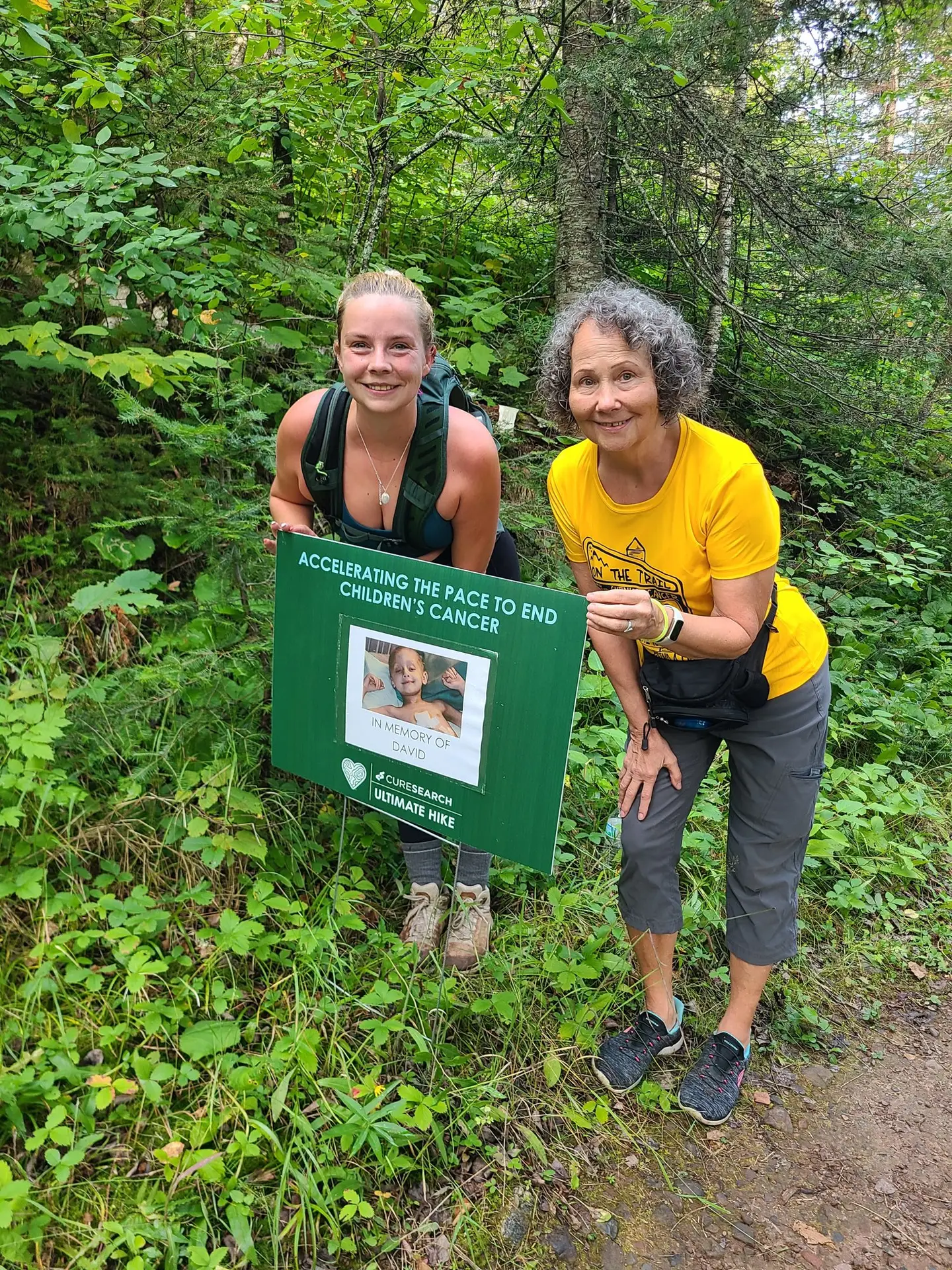
The rugged terrain of Minnesota’s Superior Hiking Trail will serve as the backdrop this August for a 25.5-mile trek that is as much a physical challenge as it is a deeply personal pilgrimage. Michele Benyo and Alicia, a former kindergarten classmate of Michele’s late son, David, will join dozens of other participants in the CureSearch Ultimate Hike. This endurance event aims to raise critical funds for pediatric cancer research, a field that advocates say remains chronically underfunded despite being the leading cause of death by disease among children in the United States. For Benyo and Alicia, the miles covered represent a decades-long narrative of friendship, loss, and an enduring commitment to changing the outcomes for future generations of children diagnosed with rare and aggressive malignancies.
The Life and Legacy of David Benyo
The story driving this journey began in December 1997, when the Benyo family received a diagnosis that would irrevocably alter their lives. David Benyo, then just four years old, was diagnosed with rhabdomyosarcoma, a rare type of cancer that forms in soft tissue—specifically skeletal muscle tissue or sometimes hollow organs such as the bladder or uterus. In David’s case, the malignancy manifested as a tumor the size of a grapefruit.
Rhabdomyosarcoma (RMS) accounts for approximately 3% of all childhood cancers. While survival rates for localized RMS have improved significantly over the last four decades, the prognosis remains guarded for patients with metastatic or recurrent disease. For the Benyo family, the diagnosis triggered a two-and-a-half-year battle characterized by the aggressive "gold standard" treatments of the era: intensive chemotherapy, surgical intervention, and multiple blood transfusions.
Despite the grueling nature of the treatment, David was noted for a "feisty" spirit. Family accounts recall him telling nursing staff, "I’m a cheetah," a metaphor for his speed and fighting resolve. Initially, the medical interventions appeared successful. The tumor retreated, and the family was able to participate in a Make-A-Wish trip to Disney World, a milestone often viewed as a temporary return to normalcy for families navigating pediatric oncology.
However, the reprieve was short-lived. Shortly after returning from the trip, clinicians discovered the cancer had returned, infiltrating David’s bone marrow. This necessitated even more aggressive measures, including high-dose chemotherapy, radiation, and what was then one of the first pediatric stem cell transplants performed at Minneapolis Children’s Hospital. While the transplant successfully induced a second remission, the cancer returned for a third time. At the age of six, David made the profound decision to cease further curative treatments. He passed away in May 2000, leaving a void in his family and his community that would persist for decades.
A Friendship Defined by Loss and Resilience
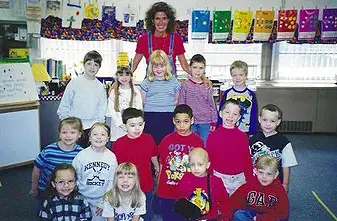
Among those impacted by David’s passing was Alicia, a classmate in his kindergarten and a fellow member of their local church. In the ecosystem of childhood, their friendship was simple and foundational. Alicia’s mother was also David’s Sunday school teacher, further intertwining the two families.
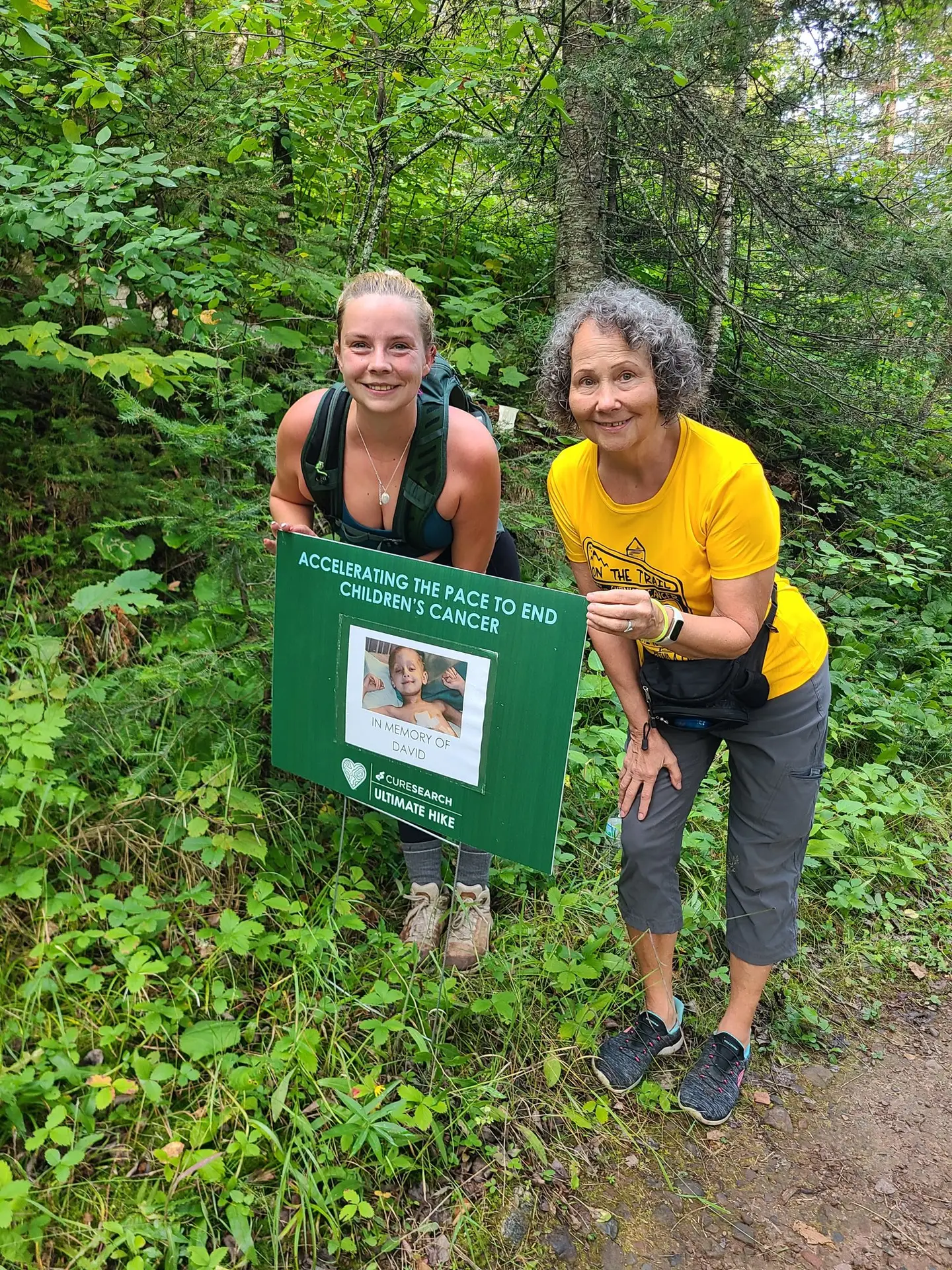
The death of a peer at such a young age often leaves a lasting psychological imprint. For Alicia, the grief manifested as a long-term aversion to the subject of cancer. For years, she struggled to discuss the disease that had claimed her first friend. Despite this, she maintained a steadfast connection with Michele Benyo. This bond culminated in a poignant moment during Alicia’s high school graduation, where she invited Michele to attend the ceremony. Alicia presented Michele with a locket containing David’s photograph and the inscription, "We remember," stating that David had effectively "walked across the stage" with her.
Today, Alicia serves as a special needs teacher at the same elementary school she and David attended. Her life has been further marked by the recent loss of her mother—David’s former Sunday school teacher—to cancer. This secondary loss served as a catalyst, prompting Alicia to move past her long-standing hesitation toward cancer-related advocacy. By joining Michele on the Ultimate Hike, Alicia is honoring both her childhood friend and her mother, transforming personal grief into collective action.
Pediatric Cancer: The Data and the Funding Gap
The participation of hikers like Michele and Alicia highlights a critical gap in the American medical research landscape. According to the National Cancer Institute (NCI), pediatric cancer research receives only a small fraction of the overall federal budget for cancer research. While the specific percentage fluctuates annually, it has historically hovered around 4% of the NCI’s total budget.
The implications of this funding disparity are significant:
- Drug Development: Most drugs used to treat childhood cancers were originally developed for adults. Because children’s bodies are physiologically different, these treatments can cause long-term "late effects," including secondary cancers, heart disease, and cognitive impairments.
- Rare Diseases: Many childhood cancers, including rhabdomyosarcoma, are classified as rare diseases. This often discourages private pharmaceutical companies from investing in research and development due to the smaller market size compared to adult cancers like breast or lung cancer.
- Survival Rates: While the overall five-year survival rate for childhood cancer is now approximately 85%, this figure is misleading. For certain subtypes and recurrent cases, the survival rate remains stagnantly low, and nearly all survivors face chronic health issues resulting from their treatment.
CureSearch for Children’s Cancer, the organization behind the Ultimate Hike, seeks to address these gaps by specifically funding clinical trials and research aimed at developing less toxic, more effective treatments. Their "Catapult Awards" and "Acceleration Initiative" are designed to push promising research from the laboratory setting into clinical trials more rapidly than traditional funding models allow.
The Ultimate Hike: A Physical and Philanthropic Challenge
The CureSearch Ultimate Hike is the only national hiking series dedicated to ending childhood cancer. The Superior Hiking Trail (SHT) event is one of several held across the United States, including treks through the Blue Ridge Mountains and the PCT. The SHT is a 310-mile footpath following the rocky ridgeline above Lake Superior; the 25.5-mile segment chosen for the Ultimate Hike is known for its rugged terrain, steep elevation changes, and technical footwork.
Participants in the hike undergo months of physical training and fundraising. For many, the physical exhaustion of the 25.5-mile trek serves as a tribute to the physical toll cancer treatments take on a child’s body. The goal of the event is twofold: to raise the necessary capital for research and to foster a community of "lifelong advocates" who can share the stories of those lost to the disease.
The funds raised by participants like Michele and Alicia go directly toward:
- Phase I and Phase II Clinical Trials: Providing children with access to the newest, most promising treatments when standard therapies fail.
- International Research Collaborations: Ensuring that the best minds in oncology are working together, regardless of geographic borders.
- Young Investigator Grants: Supporting the next generation of pediatric oncologists to ensure the field continues to evolve.
Broader Implications and Official Responses
The story of David, Michele, and Alicia reflects a broader movement in the United States toward "patient-centric" and "legacy-driven" philanthropy. When government funding falls short, private organizations and individual fundraisers step in to fill the void. This model has been instrumental in the development of new therapies, such as CAR T-cell therapy, which has revolutionized the treatment of certain pediatric leukemias.
Medical professionals at Minneapolis Children’s Hospital and similar institutions have long advocated for increased awareness regarding the "late effects" of pediatric treatment. "The goal is no longer just survival," says one inferred perspective from the pediatric oncology community. "The goal is survival with a high quality of life. We need treatments that are as smart as they are strong."
As Michele and Alicia prepare for their August trek, their efforts represent a bridge between the past and the future. By walking 25.5 miles, they are not only processing their own grief but are also contributing to a scientific infrastructure that aims to ensure that future "cheetahs" like David have a different ending to their stories.
The CureSearch Ultimate Hike continues to grow in scale, with organizers emphasizing that every mile hiked and every dollar raised is a step toward a world where the diagnosis of pediatric cancer is no longer a death sentence. For Alicia, the journey is a culmination of a lifetime of friendship. "Me and my mom were best friends, just like I was friends with David," she noted. "This gives me the opportunity to do something meaningful for both of them."
As the August hike approaches, the Benyo family and Alicia stand as a testament to the power of memory and the resilience of the human spirit in the face of insurmountable loss. Their journey on the Superior Hiking Trail is a call to action for the broader public to recognize the urgency of pediatric cancer research and the profound impact of community-driven support.
