
 By Gabriel Paijo
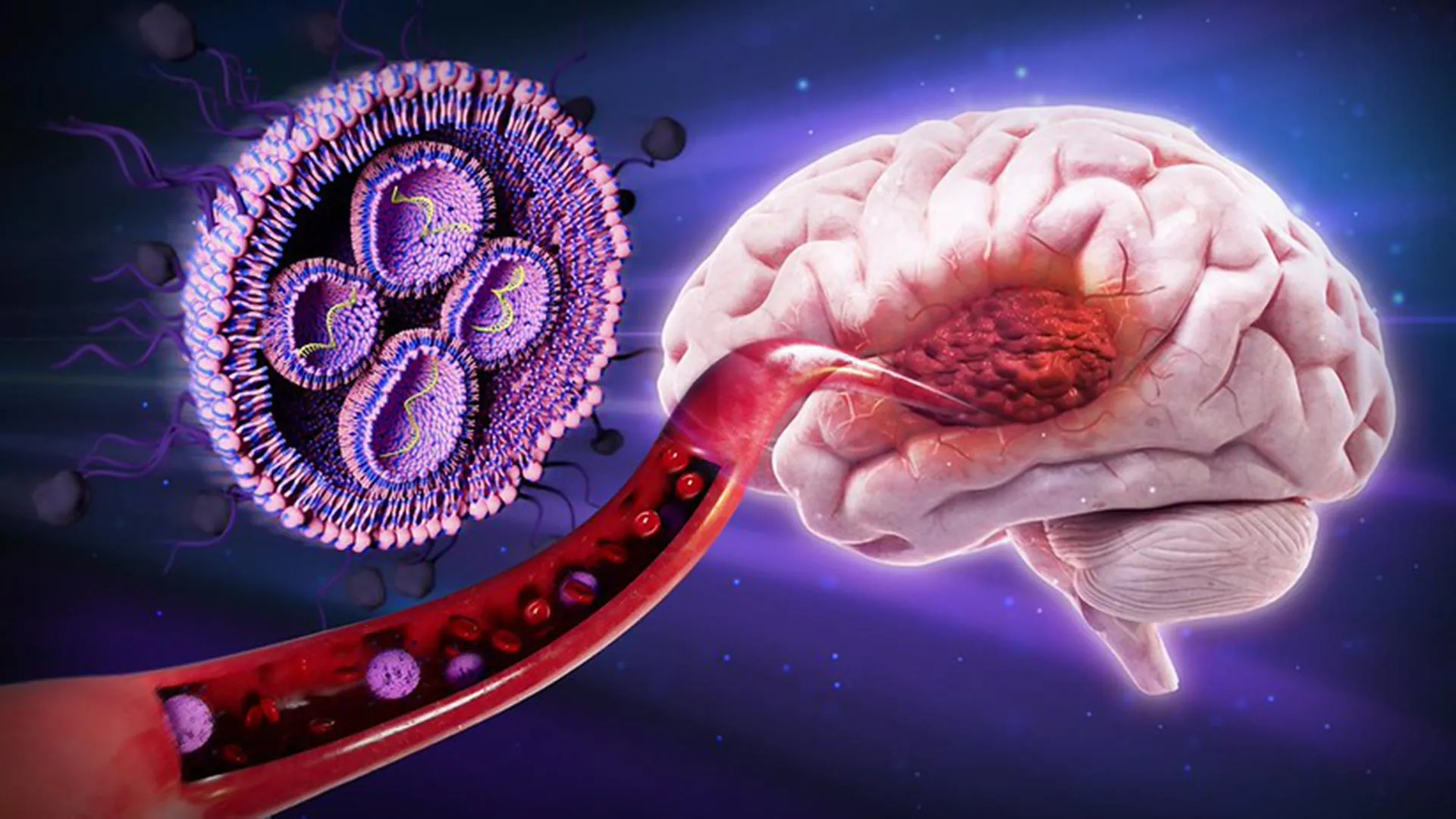
Researchers at Oregon State University’s College of Pharmacy have announced a significant breakthrough in the treatment of glioblastoma, the most aggressive and lethal form of primary brain cancer. By utilizing a novel lipid nanoparticle delivery system coated with a specific sugar derivative, the research team has successfully bypassed the blood-brain barrier to deliver tumor-suppressing genetic material directly to malignant cells. In preclinical trials involving mouse models, this innovative approach resulted in a 50% increase in median survival time and demonstrated a remarkable ability to shrink tumors without causing systemic toxicity. The study, led by professors Oleh Taratula, Olena Taratula, and Yoon Tae Goo, represents a potential paradigm shift in how oncologists approach cancers of the central nervous system, which have long been considered some of the most difficult to treat in modern medicine.
The Formidable Challenge of Glioblastoma Multiforme
Glioblastoma multiforme (GBM) is a fast-growing, grade IV astrocytoma that develops from the glial cells of the brain. It is characterized by its high degree of invasiveness, as tumor cells often infiltrate healthy brain tissue, making complete surgical resection nearly impossible. In the United States, the incidence rate is approximately 3.19 cases per 100,000 people. Despite decades of research into chemotherapy, radiation, and surgical techniques, the prognosis for glioblastoma patients remains grim. Statistics indicate that fewer than 30% of patients survive for two years following their initial diagnosis, and the five-year survival rate is a staggering 5%.
The primary obstacle in treating glioblastoma is not necessarily a lack of potent anti-cancer agents, but rather the difficulty of getting those agents into the brain. The central nervous system is protected by the blood-brain barrier (BBB), a highly selective semipermeable border of endothelial cells. This barrier is designed to protect the brain from circulating toxins and pathogens while allowing vital nutrients to pass through. However, this same protective mechanism also excludes more than 98% of small-molecule drugs and nearly 100% of large-molecule therapies, such as proteins and genetic materials. Furthermore, many treatments that do manage to cross the BBB often cause significant damage to healthy neurons and glial cells, leading to severe cognitive and physical side effects.
The Innovation: A "Trojan Horse" Sugar Coating
The Oregon State University (OSU) research team focused their efforts on a "Trojan Horse" strategy to deceive the blood-brain barrier. The core of their innovation lies in the use of mannose, a sugar molecule closely related to glucose. Glucose is the primary fuel source for the brain, and because the brain has such high energy demands, the blood-brain barrier is equipped with specialized transport proteins called GLUT1 (Glucose Transporter 1). These transporters actively pull glucose from the bloodstream into the brain.
The researchers discovered that by coating lipid nanoparticles (LNPs) with mannose, they could hijack the GLUT1 transport system. Because GLUT1 recognizes mannose as a structural relative of glucose, the transporter facilitates the entry of the nanoparticles into the central nervous system.
"Blood contains relatively high concentrations of glucose, and that’s what the nanoparticles are competing against for GLUT1’s attention," explained Oleh Taratula, a lead author of the study. The challenge was ensuring the nanoparticles could effectively compete with the natural glucose already present in the blood. The team’s central innovation was the chemical conjugation of mannose to cholesterol, a primary building block of the nanoparticle’s structure. This allowed for a significantly higher density of sugar on the particle’s surface—improving surface coverage sixfold compared to previous methods. This dense "sugar coating" ensures that the particles are prioritized by the GLUT1 transporters, allowing for efficient passage into the brain.
Targeted Delivery and the Role of PTEN mRNA
Once the nanoparticles successfully cross the blood-brain barrier, they face a second challenge: identifying and entering the tumor cells while sparing healthy brain tissue. The OSU team leveraged a biological quirk of glioblastoma cells known as metabolic reprogramming. Because glioblastoma tumors grow rapidly, they require immense amounts of energy. Consequently, these cancer cells express GLUT1 transporters at levels three times higher than those found in normal, healthy brain tissue.
This differential in expression acts as a homing beacon. The mannose-coated nanoparticles naturally accumulate in the areas of the brain where GLUT1 is most abundant—specifically, within the tumor. Once inside the tumor cells, the nanoparticles release their payload: messenger RNA (mRNA) designed to produce the PTEN protein.
PTEN (Phosphatase and Tensin Homolog) is a critical tumor-suppressor protein. In a healthy cell, PTEN acts as a "brake" on cell division and growth. However, in glioblastoma, the gene responsible for producing PTEN is frequently mutated, deleted, or silenced. Without PTEN, the cells grow and divide uncontrollably, leading to the formation of aggressive tumors. By delivering PTEN mRNA directly into the cancer cells, the researchers essentially provided the cells with a new set of instructions to restart the production of the missing protein.
To ensure the fragile mRNA survived the journey through the bloodstream and into the cells, the researchers incorporated a positively charged cholesterol derivative into the nanoparticle. This helped keep the negatively charged genetic material securely enclosed and protected from enzymatic degradation.
Experimental Outcomes and Survival Data
The efficacy of the sugar-coated nanoparticles was tested in a mouse model of glioblastoma, which closely mimics the progression of the disease in humans. The results, published in the Journal of Controlled Release, showed that the treatment significantly slowed tumor progression.
The primary metric of success was the median survival time. Mice treated with the PTEN-loaded, mannose-coated nanoparticles lived 50% longer than those in the control groups. Furthermore, imaging of the tumors revealed substantial shrinkage. Perhaps most importantly for future clinical applications, the researchers observed no measurable toxicity in other major organs. This suggests that the nanoparticles are highly specific to the tumor site and do not accumulate in the liver, kidneys, or heart in quantities that would cause adverse effects.
"Restoring PTEN expression in tumor cells reinstates growth control," said Olena Taratula. "Across repeated dosing, tumor shrinkage occurred without any measurable organ toxicity. This suggests we have found a way to not only reach the tumor but to treat it with a high degree of precision."
Timeline of Development and Future Research
The development of this technology is the result of several years of interdisciplinary research at the OSU College of Pharmacy. The project moved through several distinct phases:
- Conceptualization (2019–2020): The team identified the lack of PTEN as a primary driver of glioblastoma and began looking for ways to deliver mRNA across the blood-brain barrier.
- Synthesis and Engineering (2021): Researchers developed the mannose-cholesterol conjugate, experimenting with different ratios to achieve the optimal density of sugar on the nanoparticle surface.
- In Vitro Testing (2022): The team tested the nanoparticles on cell cultures to verify that they could successfully enter cells overexpressing GLUT1 and produce functional PTEN protein.
- Preclinical Animal Trials (2023): The mouse model study was conducted, providing the survival and toxicity data that formed the basis of the current findings.
The next steps for the research team involve expanding the study to larger animal models to further validate the safety and efficacy of the treatment. If these trials are successful, the researchers hope to move toward Phase I human clinical trials. Additionally, the team is exploring whether this "sugar-coated" delivery system could be used for other brain-related conditions, such as Alzheimer’s or Parkinson’s disease, where therapeutic delivery is also hampered by the blood-brain barrier.
Broader Implications for Oncology and Nanomedicine
The implications of the OSU study extend far beyond glioblastoma. The success of mRNA vaccines during the COVID-19 pandemic proved that mRNA technology is a viable and powerful tool for modern medicine. However, the "holy grail" of mRNA therapy has always been its application in oncology—specifically, using mRNA to "re-program" cancer cells to stop growing or to signal the immune system to attack them.
The OSU research provides a blueprint for overcoming the most significant hurdle in mRNA therapy: targeted delivery. By using a naturally occurring transport mechanism (the glucose pathway) and a common sugar (mannose), the researchers have created a platform that is both highly effective and potentially safer than synthetic alternatives.
Furthermore, the study highlights the importance of personalized medicine. Since not all glioblastomas are driven by PTEN deficiency, this nanoparticle platform could theoretically be "re-loaded" with different types of mRNA depending on the genetic profile of a specific patient’s tumor. This modular approach could lead to a new era of precision neuro-oncology.
Collaborative Effort and Funding
The study was a collaborative effort involving a wide range of experts from the OSU College of Pharmacy. In addition to the lead researchers, contributions were made by Vincent Cataldi, Vladislav Grigoriev, Neera Yadav, Tetiana Korzun, Chao Wang, and Adam Alani.
The research was supported by several prestigious institutions, reflecting the high level of interest in finding a cure for glioblastoma. Funding was provided by the National Cancer Institute (NCI) of the National Institutes of Health (NIH), the Eunice Kennedy Shriver National Institute of Child Health and Human Development, and the National Research Foundation of Korea.
As the medical community continues to look for breakthroughs in the treatment of aggressive cancers, the work coming out of Oregon State University offers a beacon of hope. While the road from mouse models to human treatment is long and fraught with regulatory and biological challenges, the ability to successfully breach the blood-brain barrier and restore tumor-suppressing functions marks a historic milestone in the fight against glioblastoma. For the thousands of families affected by this devastating diagnosis each year, these sugar-coated nanoparticles represent a promising path toward a future where "aggressive brain cancer" is no longer an automatic death sentence.
