
 By Gabriel Paijo
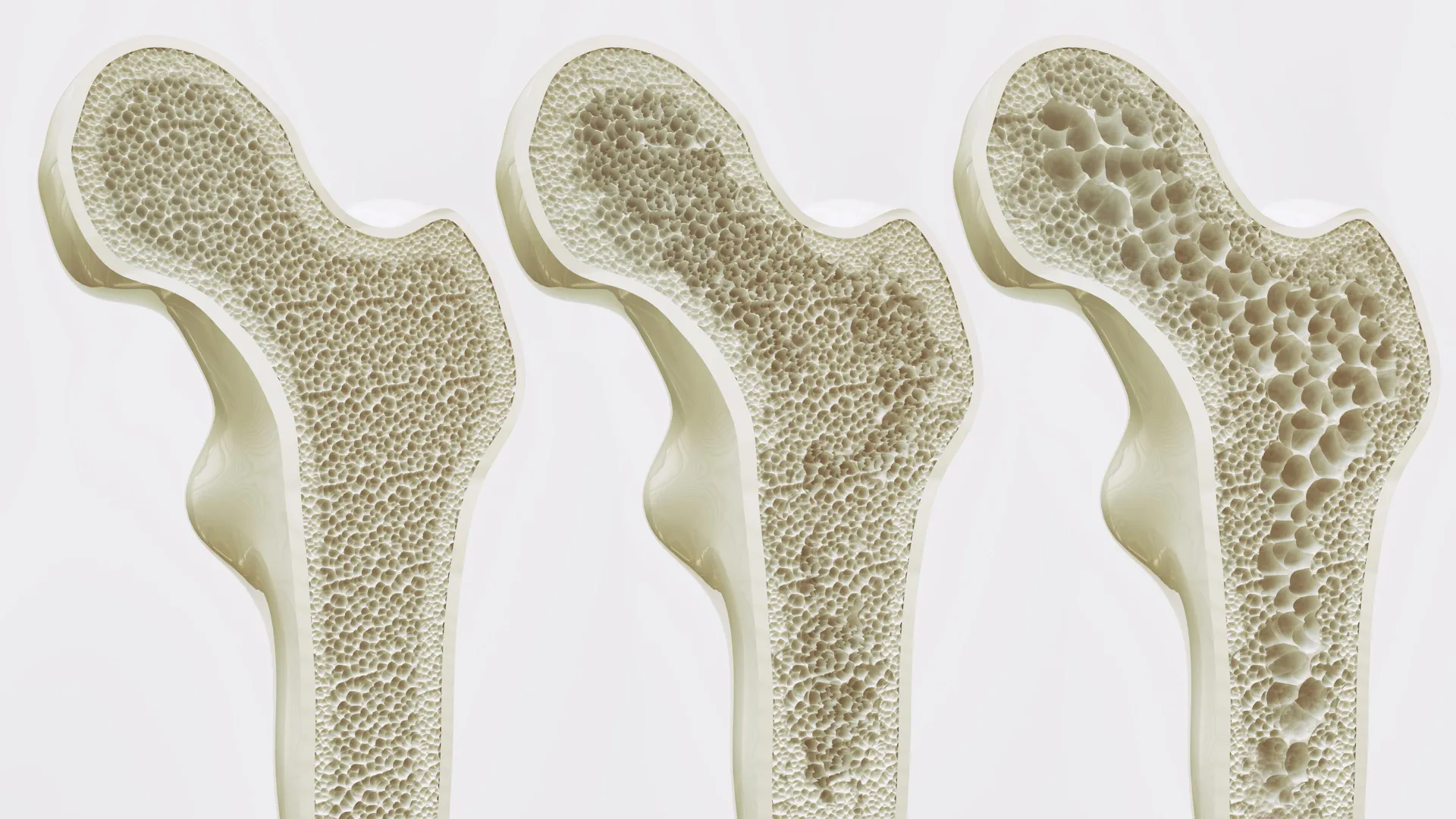
In a comprehensive analysis that challenges decades of conventional medical wisdom, a major review published in The BMJ has concluded that routine supplementation with calcium, vitamin D, or a combination of both does not provide a clinically meaningful reduction in the risk of fractures or falls for the majority of older adults. The findings, based on an extensive examination of dozens of randomized controlled trials, suggest that the widespread practice of prescribing these supplements for bone health in the general elderly population may require a significant re-evaluation by healthcare providers and regulatory bodies.
The study comes at a time when the global population is aging rapidly, leading to an increased focus on geriatric health and the prevention of mobility-related injuries. Falls represent a primary health concern for individuals over the age of 65, with approximately one-third of this demographic experiencing at least one fall annually. These incidents often serve as a catalyst for a decline in health, leading to hip and vertebral fractures, chronic pain, a permanent loss of independence, and increased mortality rates. Consequently, identifying effective preventive measures has become a paramount objective for public health researchers worldwide.
The Evolution of Bone Health Supplementation
For decades, calcium and vitamin D have been the cornerstones of bone health recommendations. Calcium serves as the primary mineral component of the skeletal system, providing structural integrity. Vitamin D plays a critical dual role: it facilitates the absorption of calcium in the intestines and regulates bone metabolism. Because the body’s ability to synthesize vitamin D from sunlight and absorb calcium from food often diminishes with age, supplements have long been viewed as a low-cost, low-risk intervention to maintain bone density.
However, the scientific consensus on the efficacy of these supplements has been shifting. While early observational studies suggested a benefit, more recent and rigorous clinical trials have produced conflicting results. Previous reviews indicated that neither calcium nor vitamin D, when taken in isolation, significantly reduced the risk of broken bones. The evidence for combined therapy—taking both together—remained the last bastion of hope for supplement advocates, yet even those results were inconsistent across different populations, such as those living independently versus those in residential care. Despite these lingering uncertainties, the prescription of vitamin D has surged globally over the last two decades, driven by clinical guidelines that have historically favored supplementation.
Methodology: A Massive Synthesis of Clinical Evidence
To resolve the ongoing debate, a team of researchers in Canada conducted a systematic review and meta-analysis of 69 randomized controlled trials (RCTs). These trials encompassed a total of 153,902 participants, providing a robust dataset that allowed researchers to look past the "noise" of smaller, individual studies.
The researchers utilized randomized controlled trials as their primary source because they are the gold standard of clinical research. By randomly assigning participants to either a treatment group (receiving supplements) or a control group (receiving a placebo or no treatment), researchers can isolate the effects of the supplement while minimizing the influence of confounding variables such as diet, lifestyle, or pre-existing health conditions.
The analysis was meticulously structured to assess the "certainty" of the evidence. The team focused on two primary outcomes: the occurrence of any fracture (including hip and vertebral fractures) and the frequency of falls. They also established specific "thresholds of clinical significance" to ensure that any observed benefits were not just statistically present but actually meaningful in a real-world medical context.
Analyzing the Data: High Certainty of Minimal Benefit
The results of the meta-analysis were strikingly consistent across various categories of supplementation. When the researchers applied their criteria for meaningful clinical benefit, they found that the evidence did not support the routine use of these products for the general aging population.
Vitamin D Supplementation
The review analyzed 36 trials involving 92,045 participants regarding vitamin D alone. The researchers reported "high certainty" evidence that vitamin D supplements provide little to no benefit in preventing fractures or falls. This finding is particularly significant given the massive increase in vitamin D testing and prescriptions in North America and Europe.
Calcium Supplementation
For calcium alone, the conclusion was based on 11 trials involving 9,067 participants. The evidence was rated as "moderate certainty," again showing that calcium supplements do not meaningfully lower the risk of fractures compared to a placebo or no treatment.
Combined Supplementation
Perhaps most importantly, the review looked at the combination of calcium and vitamin D, which is the most common clinical recommendation. Drawing on 15 trials with 51,126 participants, the researchers found "high certainty" evidence that the combination also failed to produce a clinically important reduction in fracture or fall risk.
Even when the data was stratified by age, biological sex, previous history of fractures, or baseline dietary calcium intake, the results remained unchanged. The lack of efficacy appeared to be a universal trend across the general older population.
Exceptions to the Findings
While the study’s conclusions are broad, the researchers emphasized that they do not apply to everyone. There are specific clinical cohorts for whom supplementation remains a vital component of treatment.
First, individuals diagnosed with osteoporosis who are currently prescribed bone-strengthening medications (such as bisphosphonates) were not the focus of this review. In many cases, these medications require adequate calcium and vitamin D levels to function effectively. Second, people with rare metabolic bone disorders or those with severe, clinically diagnosed vitamin deficiencies may still require targeted supplementation.
The researchers also noted that the study focused on "routine" supplementation for the general public. It did not necessarily discount the benefits for frail, institutionalized elderly individuals—such as those in nursing homes—who may have extreme vitamin D deficiencies due to a total lack of sun exposure and poor nutrition. However, for the average older adult living in the community, the supplements appear to offer no preventative shield.
Expert Reactions and the Call for Policy Change
The publication of this review has prompted calls for a shift in how healthcare systems approach bone health. In an editorial linked to the study, experts argued that the time has come to stop "medicalizing" bone health through supplements and instead focus on interventions with proven efficacy.
"The evidence is now clear enough that we must question the routine prescription of these supplements," the editorial noted. "We should be redirecting our resources toward strategies that actually reduce the risk of injury."
Critics of the current "supplement-first" approach point out that while supplements are generally safe, they are not without risks. Excessive calcium supplementation has been linked in some studies to an increased risk of kidney stones and gastrointestinal issues. By moving away from routine supplementation, healthcare providers could reduce these minor side effects while also lowering healthcare costs for patients and insurance providers.
Shifting the Focus to Physical Intervention
If supplements are not the answer, what is? The BMJ review and the accompanying editorial point toward physical activity and environmental modifications as more effective tools for fracture prevention.
Evidence suggests that balance training and resistance exercise are far more effective at preventing falls than any pill. Resistance training helps maintain muscle mass (sarcopenia prevention), while balance exercises improve proprioception—the body’s ability to sense its position in space. Together, these physical interventions address the root cause of many fractures: the fall itself.
Furthermore, "multifactorial" prevention programs have shown promise. These programs involve:
- Home Hazard Assessments: Identifying and removing trip hazards like loose rugs or poor lighting.
- Vision Checks: Ensuring older adults have correct prescriptions to avoid missteps.
- Medication Reviews: Reducing the use of medications that cause dizziness or sedation.
- Tailored Exercise: Specific routines designed for an individual’s current strength and mobility level.
Implications for the Future of Geriatric Care
The findings of this review represent a pivotal moment in geriatric medicine. If clinical guidelines are updated to reflect this evidence, it could lead to a significant decrease in the billions of dollars spent annually on calcium and vitamin D supplements.
For the general public, the message is one of lifestyle rather than supplementation. While ensuring adequate calcium through a balanced diet (such as dairy, leafy greens, and fortified foods) remains important, the reliance on bottled supplements as a primary defense against aging-related bone loss appears misplaced.
As researchers continue to call for more "rigorous and well-powered trials" to identify if there are any high-risk sub-groups that might still benefit, the current weight of evidence suggests that for most, the path to stronger bones and fewer falls lies not in the pharmacy, but in active movement and fall-proofing the environment. The study serves as a reminder that in medicine, the simplest and most long-standing interventions are often those that require the most frequent re-examination in the light of new data.
