
 By George Ongkojoyo
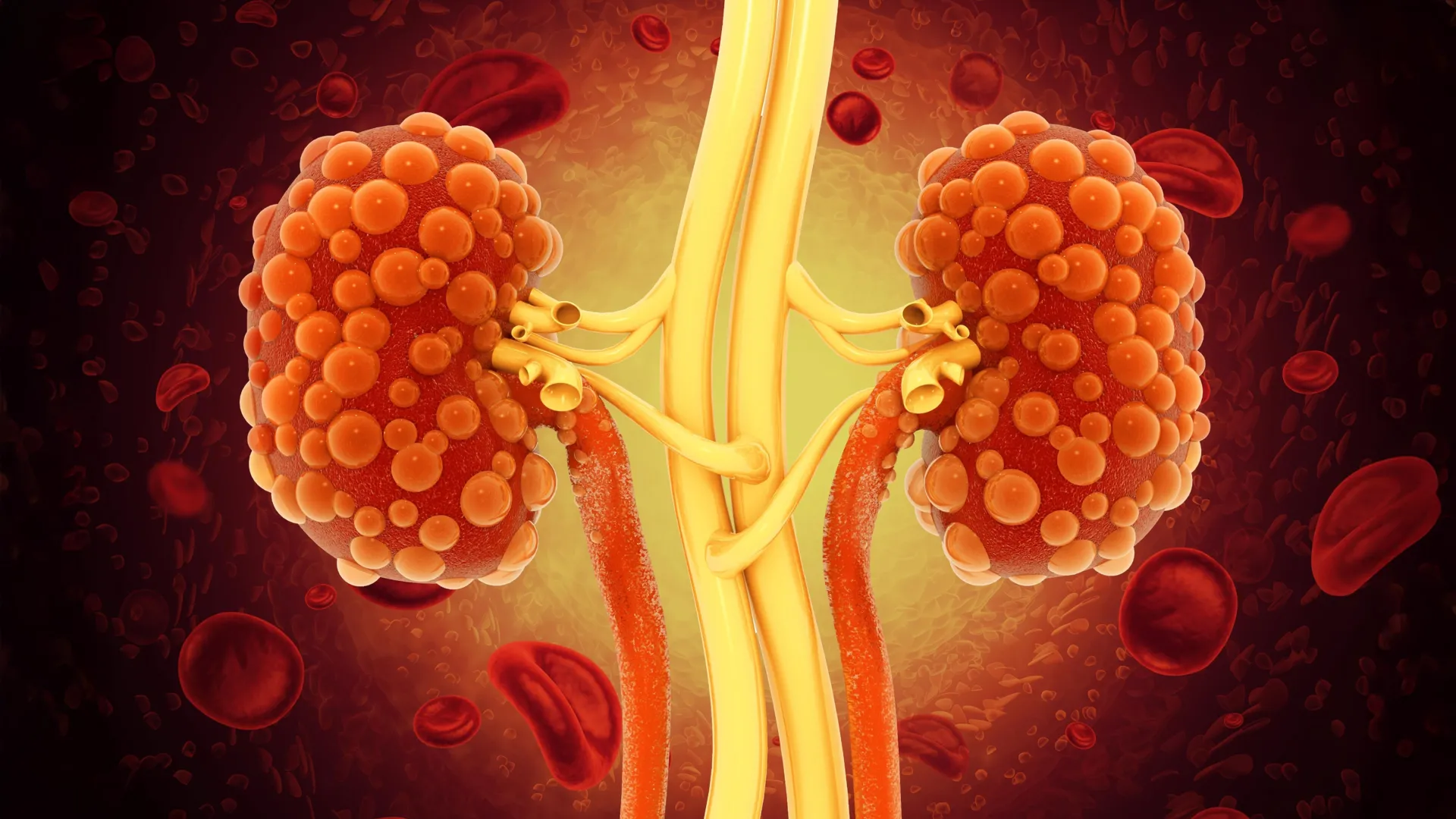
Polycystic Kidney Disease (PKD) represents one of the most significant hereditary challenges in modern nephrology, characterized by the relentless growth of fluid-filled cysts that eventually compromise renal function. For decades, the medical community has sought a way to penetrate these isolated chambers of disease without damaging the surrounding healthy tissue. Recently, a research team at the University of California, Santa Barbara (UCSB) has unveiled a pioneering therapeutic strategy that utilizes a specific class of monoclonal antibodies to bypass biological barriers and deliver targeted treatment directly into the heart of these cysts.
The study, published in the prestigious journal Cell Reports Medicine, identifies dimeric immunoglobulin A (dIgA) as a superior vehicle for drug delivery compared to the more commonly used immunoglobulin G (IgG). Led by UCSB biologist Thomas Weimbs, the research demonstrates how these engineered proteins can infiltrate the sealed environments of kidney cysts to disrupt the self-sustaining growth cycles that lead to end-stage renal disease (ESRD). This development offers a new glimmer of hope for the millions of individuals worldwide living with a condition for which there is currently no cure.
The Pathophysiology of Polycystic Kidney Disease
To understand the magnitude of this breakthrough, one must first consider the nature of PKD. The disease is primarily classified into two types: Autosomal Dominant PKD (ADPKD), which is the more common form appearing in adulthood, and Autosomal Recessive PKD (ARPKD), a rarer and often more severe form appearing in infancy. In both cases, genetic mutations trigger the abnormal proliferation of epithelial cells lining the kidney tubules.
As these cells multiply, they form sac-like structures that fill with fluid. Over time, these cysts can grow from microscopic sizes to the size of a football, causing the kidneys to expand significantly. This expansion exerts pressure on the surrounding nephrons—the functional units of the kidney—leading to inflammation, scarring (fibrosis), and eventually, total organ failure.
Data from the National Institute of Diabetes and Digestive and Kidney Diseases (NIDDK) indicates that PKD affects approximately 600,000 people in the United States alone and is the fourth leading cause of kidney failure globally. Currently, the standard of care for patients with progressing PKD involves managing blood pressure and, in some cases, the administration of Tolvaptan. However, Tolvaptan is associated with significant side effects, including potential liver toxicity and extreme thirst, and it only slows—rather than stops—the progression of the disease.
The Challenge of the Blood-Cyst Barrier
The primary obstacle in treating PKD has long been the "blood-cyst barrier." Most therapeutic agents, particularly large-molecule biologics like traditional monoclonal antibodies (IgG), are unable to penetrate the epithelial wall of the cyst. Because these cysts are essentially sealed off from the general circulation of the kidney, drugs often circulate around the cysts without ever reaching the internal signaling molecules that drive their expansion.
"The cysts just keep growing endlessly," explained Thomas Weimbs, the senior author of the study. "And we want to stop them. So we need to get a drug into these cysts that will make them stop."
In a typical cancer treatment scenario, IgG antibodies are highly effective because they can exit the bloodstream and bind to receptors on the surface of tumor cells. However, in PKD, the cyst-lining cells create a polarized barrier. The growth factors and receptors that drive the disease are often located on the "apical" or internal side of the cyst. Traditional antibodies are simply too large and lack the necessary transport mechanisms to cross from the outside (basolateral side) to the inside of these fluid-filled sacs.
A Revolutionary Mechanism: The dIgA "Trojan Horse"
The UCSB team turned to a different part of the human immune system for a solution. While IgG is the primary antibody in the blood, dimeric immunoglobulin A (dIgA) is the primary antibody found in mucosal secretions like tears, saliva, and the lining of the gut. Evolution has equipped dIgA with a unique ability: it can bind to a specific receptor called the polymeric immunoglobulin receptor (pIgR) on the surface of epithelial cells.
Once bound, the pIgR acts as a shuttle, carrying the dIgA molecule through the cell—a process known as transcytosis—and releasing it on the other side. The researchers hypothesized that if they could engineer a monoclonal antibody with a dIgA "backbone," they could hijack this natural shuttle system to move the drug across the cyst wall and into the internal fluid.
The chronology of this discovery dates back to 2015, when Weimbs and his colleagues first proposed the theoretical framework for this approach. Over the subsequent decade, the team worked to move from hypothesis to experimental validation. They modified the DNA sequence of an antibody to convert it from an IgG form to a dIgA form, specifically targeting the cell mesenchymal-epithelial transition (cMET) receptor. The cMET receptor is a well-known driver of cell proliferation and is found in high concentrations within PKD cysts.
Experimental Success and the Induction of Selective Apoptosis
The research team tested their redesigned dIgA antibody in mouse models of PKD. The results were highly specific and biologically significant. Upon administration, the dIgA antibodies successfully utilized the pIgR transport system to enter the cysts. Once inside, they bound to the cMET receptors, effectively "unplugging" the growth signals that the cells were using to stimulate themselves.
Perhaps the most striking finding of the study was the treatment’s effect on cell viability. The researchers observed a "dramatic onset of apoptosis," or programmed cell death, specifically within the cyst epithelial cells. Crucially, this effect was not observed in healthy renal tissue.
"Many of the cyst-lining cells actually make growth factors and they secrete them into the cyst fluid," Weimbs noted. "And these growth factors then bind back to the same cells or to neighboring cells and continue to stimulate themselves and each other. It’s like a never-ending scheme. Our premise was that if you block either the growth factor or the receptor, you should be able to stop this constant activation."
By inducing apoptosis only in the diseased cells, the dIgA treatment offers a level of precision that current small-molecule drugs cannot match. This selectivity reduces the risk of systemic toxicity, a major hurdle in chronic kidney disease management.
Socioeconomic Impact and Supporting Data
The implications of this research extend beyond the laboratory, touching upon the massive economic burden of renal disease. According to the United States Renal Data System (USRDS), Medicare spending for patients with ESRD exceeds $35 billion annually. Patients with PKD often face decades of declining health, culminating in the need for dialysis—which costs approximately $90,000 per patient per year—or kidney transplantation, which carries its own set of long-term costs and risks.
A therapeutic intervention that could halt or reverse cyst growth in the early to middle stages of the disease would fundamentally alter the trajectory of PKD care. By delaying or eliminating the need for dialysis, such a treatment could save the healthcare system billions of dollars while vastly improving the quality of life for patients who currently live under the shadow of inevitable organ failure.
The research was supported in part by the National Institutes of Health (NIH) and the U.S. Department of Defense, highlighting the strategic importance of finding solutions for chronic kidney conditions that affect both the civilian population and military veterans.
Future Directions and Clinical Hurdles
While the results in mouse models are promising, the transition from preclinical research to human clinical trials is a complex and time-consuming process. Thomas Weimbs and his team, including lead author Margaret F. Schimmel and contributors Bryan C. Bourgeois, Alison K. Spindt, Sage A. Patel, Tiffany Chin, Gavin E. Cornick, and Yuqi Lu, are now looking toward the next phase of development.
The researchers face several critical tasks:
- Optimization of Antibody Variants: The team needs to explore different variations of the dIgA structure to ensure maximum stability and efficacy in the human body.
- Target Expansion: While cMET is a primary driver, PKD cyst fluid contains dozens of different growth factors. Future studies will likely involve "cocktails" or combinations of antibodies to target multiple pathways simultaneously.
- Strategic Partnerships: Bringing a new biologic to market requires significant investment and partnership with pharmaceutical entities capable of navigating the FDA’s rigorous multi-phase trial process.
"In the literature there are dozens of growth factors that have been shown to be active in these cyst fluids," Weimbs said. "So it would be a good idea to compare blocking of several different growth factors and several receptors, maybe side-by-side to see which is the most effective. We can also combine different antibodies against different receptors at the same time. That would be the next step."
Conclusion and Broader Implications for Medicine
The success of the UCSB study marks a pivotal moment in the history of PKD research. By proving that the epithelial transport mechanism can be used to deliver large-molecule biologics into sealed cysts, the researchers have opened a new door for immunotherapy.
This "transcytosis" strategy may have applications beyond the kidneys. Many other diseases involve epithelial barriers that prevent drugs from reaching their targets, including certain types of lung and gastrointestinal disorders. The ability to engineer antibodies that can "walk through walls" could revolutionize how we treat a variety of difficult-to-reach pathologies.
For now, the focus remains on refining the dIgA platform for PKD. As the scientific community continues to analyze the data from Cell Reports Medicine, the hope is that this new therapeutic direction will eventually lead to the first true disease-modifying treatment for polycystic kidney disease, turning a currently incurable condition into a manageable one.
