
 By Suherman Candra Maholtra
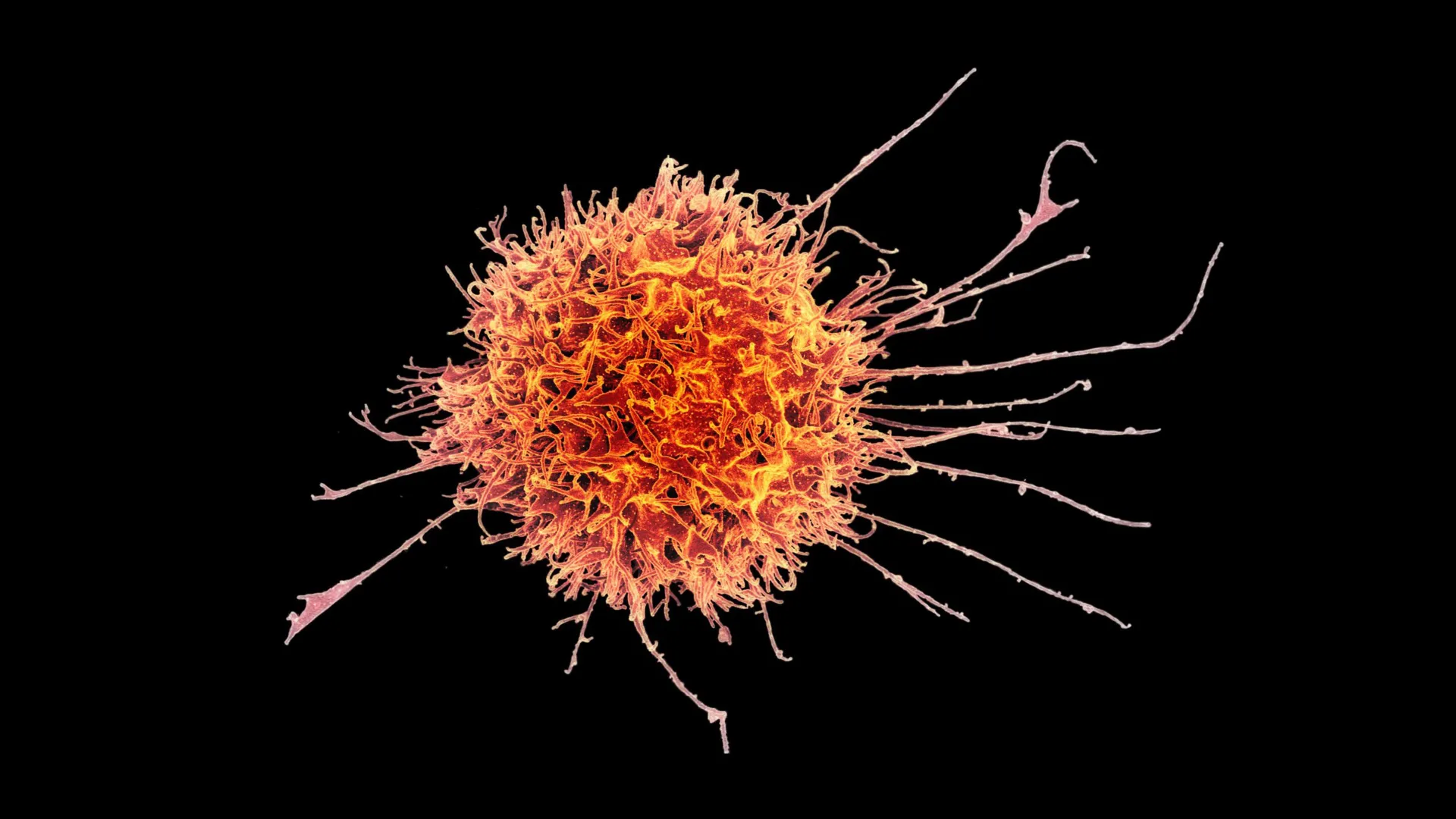
The landscape of oncology has been fundamentally reshaped over the last decade by the emergence of immunotherapy, yet a significant portion of the patient population—those with solid tumors—has largely remained beyond the reach of these curative advancements. While chimeric antigen receptor (CAR) T-cell therapies have achieved remarkable success in treating liquid cancers such as leukemia and lymphoma, solid tumors present a formidable physical and chemical fortress that traditional immune cell therapies struggle to breach. In a landmark study published in Science Translational Medicine, researchers at Stanford Medicine, in collaboration with several other institutions, have unveiled a novel strategy to overcome these barriers. By reprogramming Natural Killer (NK) cells into a specialized "tissue-resident" state, the team has developed a method to ensure these immune cells not only reach the site of a solid tumor but possess the longevity and lethality required to dismantle it from within.
The primary obstacle in treating solid tumors lies in their microenvironment. Unlike blood cancers, which circulate freely, solid tumors are dense masses of malignant cells shielded by a complex stroma. Furthermore, these tumors often emit immunosuppressive signals that effectively "turn off" any immune cells that manage to infiltrate the area. Natural Killer cells, a component of the innate immune system, have long been viewed as a potential solution due to their ability to destroy abnormal cells without prior sensitization. However, standard NK cells typically circulate in the blood and do not naturally dwell within the dense tissues where solid tumors reside. The Stanford team, led by senior author John Sunwoo, MD, the Edward C. and Amy H. Sewall Professor in the School of Medicine, has successfully engineered a way to transform these circulating cells into "resident" versions that are primed for tissue infiltration.
The Biological Barrier of Solid Tumors and the Role of NK Cells
To understand the significance of this breakthrough, one must consider the historical context of immunotherapy. Since the identification of NK cells in the 1970s, immunologists have marveled at their speed. Unlike T-cells, which require a complex "educational" process to recognize specific antigens, NK cells are the body’s first responders. They identify "non-self" or stressed cells through a variety of receptors and can initiate apoptosis (cell death) almost instantly. Despite this potential, early attempts to use NK cells in cancer treatment were often stymied by the cells’ inability to persist in the body or penetrate deep into tumor tissues.
Solid tumors represent approximately 90% of all adult cancer cases, including those of the breast, lung, prostate, and colon. The "hostile" environment of these tumors includes low oxygen levels (hypoxia) and the presence of inhibitory molecules like Transforming Growth Factor-beta (TGF-b). In many clinical scenarios, TGF-b acts as a double-edged sword; while it is essential for normal tissue development, in the context of a tumor, it usually serves to suppress immune activity. The Stanford researchers discovered that the secret to effective NK therapy lay in harnessing this very molecule, but with surgical precision regarding dosage and timing.
The "Goldilocks" Mechanism: Engineering the Perfect Killer
The research team, including co-lead authors Nina Horowitz, PhD, Imran Mohammad, PhD, and June Ho Shin, PhD, conducted extensive experiments to determine how circulating NK cells could be encouraged to settle into tissues and remain active. They found that exposing human NK cells to TGF-b was the key to triggering their transformation into a tissue-resident state. However, they observed a critical nuance that had previously confused the scientific community: the "Goldilocks" effect.
"If you give just enough of a TGF-b signal, then the natural killer cells become tissue resident with strong toxic activity against malignant cells," Dr. Sunwoo explained. "If you give too much TGF-b, they’re still tissue resident, but they’re inhibited and dysfunctional."
The team discovered that prolonged exposure to TGF-b, which is common in the natural tumor environment, eventually exhausted the NK cells, rendering them useless. To solve this, they developed a method of "pulsing" the NK cells. By briefly exposing the NK cells to short-lived human epithelial tumor cells that provided a temporary, concentrated burst of active TGF-b through direct physical contact, the researchers were able to create a population of cells that were both tissue-resident and highly aggressive. These modified cells expressed specific surface proteins—CD49a, CD103, and crucially, CD39—which served as markers for their enhanced killing capacity.
Supporting Data: Infiltration and Efficacy in Preclinical Models
The efficacy of these modified cells was tested in rigorous laboratory and animal models. In dish-based experiments using tumor organoids—three-dimensional clusters of cells that mimic the structure of real tumors—the tissue-resident NK cells demonstrated a superior ability to burrow into the mass compared to conventional circulating NK cells. This infiltration is a prerequisite for success in human patients, as most failed immunotherapies are characterized by immune cells that merely "skim" the surface of the tumor.
When the therapy was moved to mouse models, the results were even more pronounced. The researchers utilized mice with human-derived melanoma and head and neck squamous cell carcinoma. The modified NK cells significantly slowed tumor growth over several weeks. However, the most striking data emerged when the NK cells were paired with Cetuximab, a monoclonal antibody currently used to treat certain cancers by marking them for immune destruction.
The combination of the specialized NK cells and Cetuximab produced a synergistic effect that far exceeded the results of either treatment used in isolation. In the study, mice receiving the combination therapy remained healthy and showed suppressed tumor growth even 30 days after a single dose, a point at which the control groups had succumbed to the disease. Analysis of the treated tumors revealed high concentrations of perforin and granzyme A—the molecular "ammunition" used by NK cells to puncture and poison cancer cells—within the core of the tumors.
Toward an "Off-the-Shelf" Revolution in Cancer Care
One of the most profound implications of this research is the potential for a move toward "off-the-shelf" cell therapies. Currently, the most successful cell therapies, such as CAR-T, are autologous. This means cells must be harvested from a specific patient, genetically modified in a laboratory, and then re-infused into that same patient. This process is prohibitively expensive, often costing hundreds of thousands of dollars per dose, and can take weeks—time that many late-stage cancer patients do not have.
NK cells offer a distinct biological advantage in this regard: they do not typically cause Graft-versus-Host Disease (GvHD). This allows NK cells to be harvested from healthy donors, modified, and then administered to any patient regardless of genetic matching. Dr. Sunwoo’s team has already applied for a patent on a method to mass-produce these cytotoxic tissue-resident NK cells. They estimate that a single healthy donor could provide enough material to produce approximately 20 treatment doses in just two weeks. These doses can be cryopreserved (frozen), shipped to hospitals, and administered immediately upon a patient’s diagnosis.
"It would be almost an off-the-shelf drug," Sunwoo noted. "It could make cell therapy much more accessible to a wider variety of patients." This accessibility could bridge the gap in cancer care for patients in rural areas or in developing nations where the infrastructure for complex autologous cell manufacturing does not exist.
Chronology of Development and Future Outlook
The journey from the initial identification of tissue-resident immune cells to this potential clinical application represents decades of progress in bioinformatics and cellular imaging. For years, the study of the immune system was confined to what could be found in blood samples. It is only with the recent advancement of tools that allow scientists to peer into the "secret lives" of cells within organs and tumors that the importance of tissue residency has been fully realized.
The timeline for this therapy is moving rapidly. With the publication of their findings in Science Translational Medicine, the Stanford team is now transitioning from the laboratory to the clinic. They are currently preparing for a Phase I clinical trial aimed at patients with advanced squamous cell carcinoma. This trial, which could begin as early as late 2024 pending FDA approval, will focus on safety and dose-escalation, but it will also provide the first vital data on how these engineered cells perform in the complex environment of the human body.
The study was supported by a coalition of prestigious institutions, including Ohio State University and Washington University School of Medicine, and received funding from the National Institutes of Health (NIH), the Tai Tsun Wu Research Fund for Natural Killer Cell Immunotherapy, and the Stanford Bio-X Fellowship.
Analysis of Broader Implications
If the Phase I trials prove successful, the impact on the oncology market and patient outcomes could be transformative. The ability to treat solid tumors with a standardized, mass-produced cell product would represent a paradigm shift. Beyond the immediate clinical benefits, the economic impact of reducing the cost of cell therapy cannot be overstated. By shifting the burden from bespoke manufacturing to industrial-scale production, the medical community may finally realize the promise of immunotherapy for the masses.
Furthermore, the "Goldilocks" approach to TGF-b signaling may have applications beyond NK cells. Understanding how to modulate this powerful signaling protein without inducing cellular exhaustion could lead to improvements in other types of immunotherapy, including T-cell and macrophage-based treatments. As researchers continue to decode the signals that govern immune cell behavior within tissues, the once-impenetrable fortress of the solid tumor appears increasingly vulnerable. The work at Stanford Medicine stands as a testament to the power of precision immunology, turning a tumor’s own signaling mechanisms against itself to pave the way for a new generation of cancer therapeutics.
