
 By admin
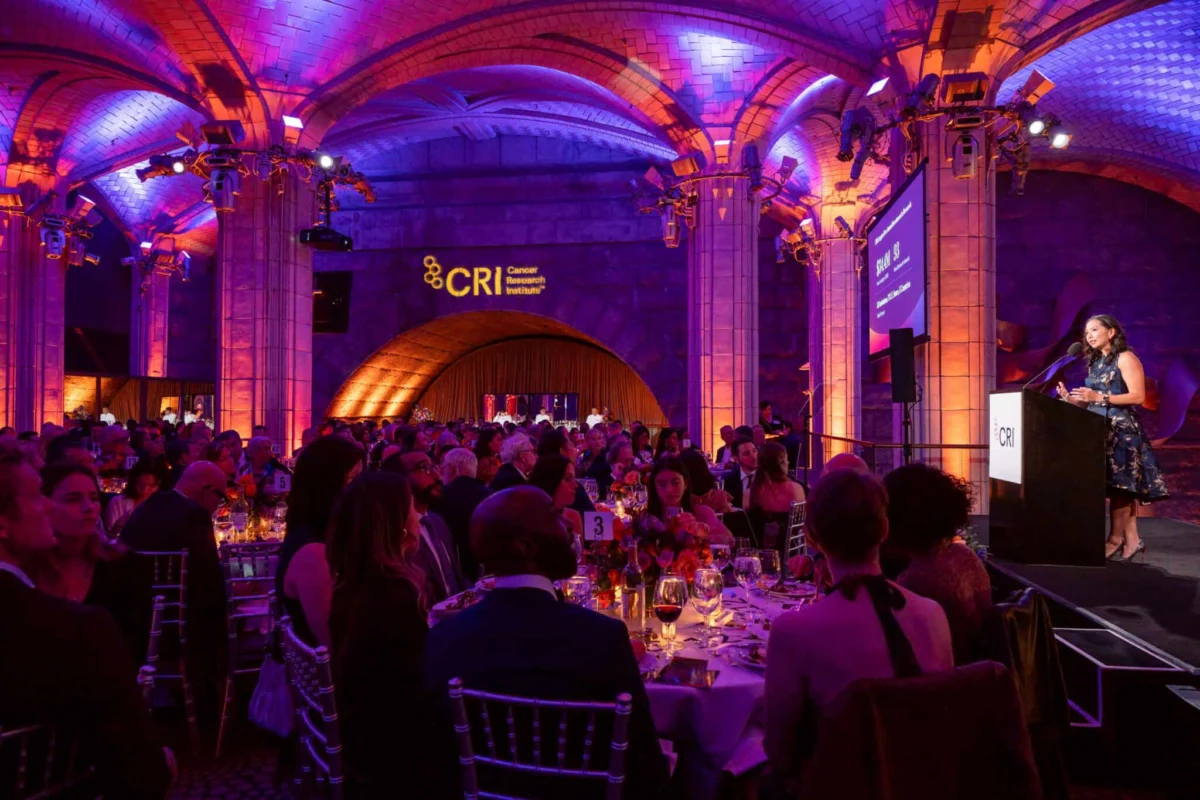
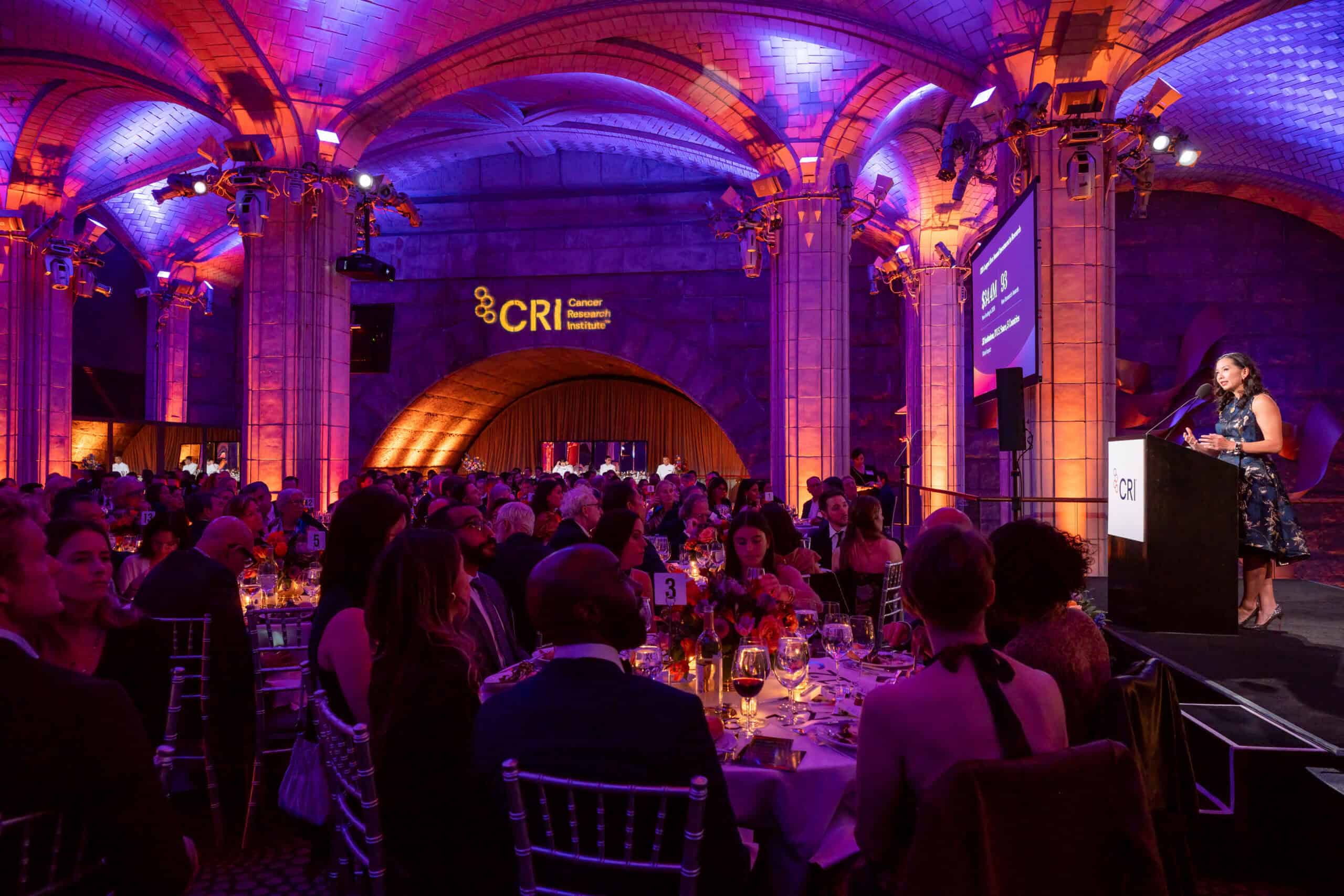
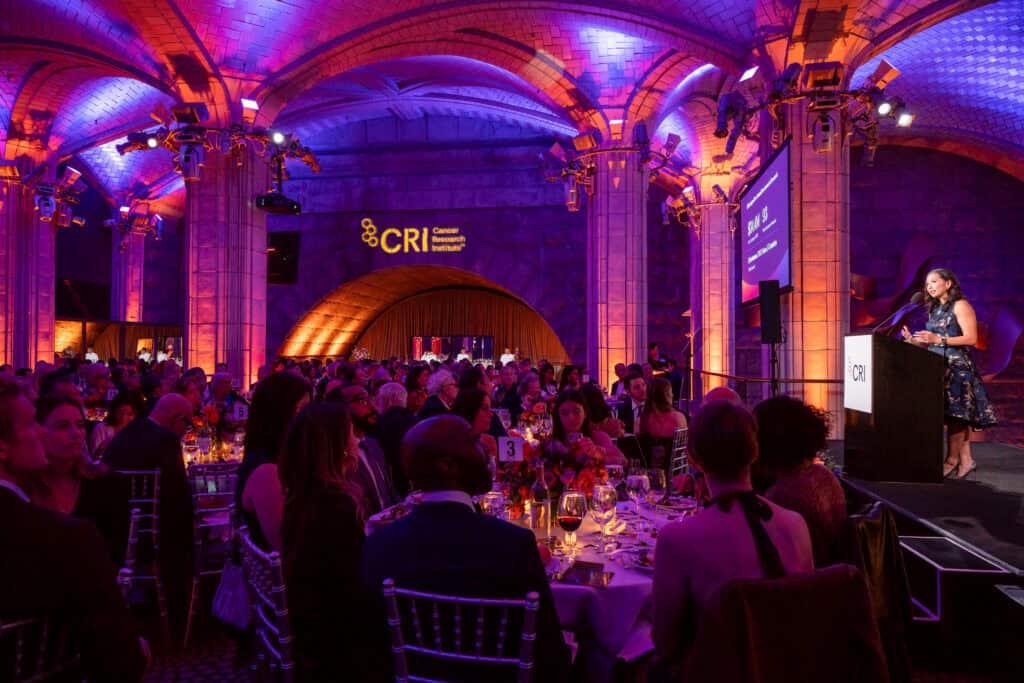
New York, NY – The Cancer Research Institute (CRI) converged on Guastavino’s in New York City on Tuesday, October 20, for its 2026 Annual Awards Gala, an evening dedicated to celebrating monumental strides in cancer immunotherapy and galvanizing support for its future. Under the resonant theme, "Next is Now," the gala underscored the critical connection between foundational scientific inquiry and life-changing patient outcomes, spotlighting the visionaries whose work is shaping the next era of cancer treatment. The event successfully raised more than $1.6 million, directly fueling CRI’s relentless mission to transform cancer into a treatable, even curable, disease.
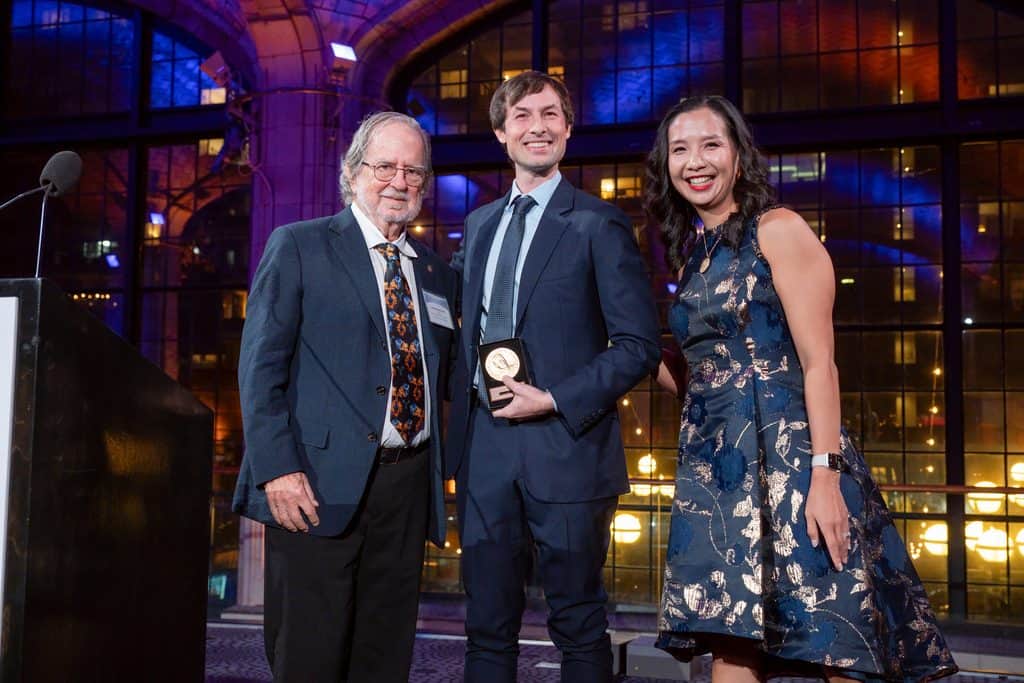
The gala, expertly hosted by veteran journalist and breast cancer survivor Athena Jones, served as a powerful testament to the impact of scientific pursuit, philanthropy, and personal resilience. It paid homage to the leadership of Reed Jobs, who received the Oliver R. Grace Award for Distinguished Service in Advancing Cancer Research, and recognized the paradigm-shifting scientific contributions of Eric Vivier, DVM, PhD, and Joseph Sun, PhD, recipients of the William B. Coley Award for Distinguished Research in Basic Immunology and the Frederick W. Alt Award for New Discoveries in Immunology, respectively. Each honoree, in their unique capacity, embodies the spirit of innovation and dedication central to overcoming cancer.
The Enduring Mission of the Cancer Research Institute
For over seven decades, the Cancer Research Institute has been at the vanguard of unlocking the immune system’s potential to fight cancer. Founded in 1953, CRI has championed the then-radical idea that the body’s own defenses could be harnessed to combat malignancies. This pioneering vision laid the groundwork for what is now one of the most transformative fields in modern medicine: cancer immunotherapy. The institute’s strategic approach involves funding high-risk, high-reward basic research, supporting promising early-career scientists through fellowships, and fostering international collaboration among leading experts. This commitment ensures that the initial sparks of curiosity—the fundamental questions that drive scientific exploration—receive the sustained backing necessary to evolve into tangible therapeutic breakthroughs. The funds raised at events like the Annual Awards Gala are indispensable, providing the critical seed capital that allows researchers the intellectual freedom to pursue novel ideas, often long before their clinical potential is fully understood or recognized by conventional funding mechanisms. CRI’s sustained investment in this intellectual ecosystem has directly contributed to the development of many current immunotherapies and continues to pave the way for future innovations.
Immunotherapy: A Paradigm Shift in Cancer Treatment
The concept of immunotherapy, while gaining significant traction in recent decades, has roots extending back to the late 19th century with William B. Coley’s pioneering work using bacterial toxins to stimulate an anti-tumor immune response. However, it was the rigorous scientific investigation over the past several decades, much of it supported by organizations like CRI, that truly ushered in the "immunotherapy revolution." This groundbreaking approach harnesses the body’s own immune system to recognize and attack cancer cells, offering a stark contrast to traditional treatments like chemotherapy and radiation, which often carry significant side effects and can harm healthy cells.
The 21st century has witnessed an explosion of immunotherapy breakthroughs, most notably the development of checkpoint inhibitors, which block proteins that prevent immune cells from attacking cancer, and CAR T-cell therapies, where a patient’s own T-cells are genetically engineered to specifically target and destroy cancer cells. These innovations have dramatically altered the treatment landscape for a growing number of cancers, including melanoma, lung cancer, kidney cancer, bladder cancer, and certain lymphomas and leukemias. For many patients, immunotherapy has offered prolonged survival, and in some cases, complete and durable remission, shifting the narrative from terminal diagnoses to chronic, manageable conditions. Yet, challenges remain; not all patients respond to current immunotherapies, and research continues into understanding mechanisms of resistance, managing side effects, and expanding efficacy across a broader spectrum of cancer types. The "Next is Now" theme perfectly encapsulates this dynamic environment, highlighting both the remarkable progress achieved and the urgent need to accelerate the next wave of discoveries to benefit more patients.
A Legacy Remembered: Honoring Adam Shapiro
A poignant moment of the evening was the heartfelt tribute to Adam Shapiro, a dedicated member of the CRI board whose life was profoundly touched by cancer and transformed by immunotherapy. His wife eloquently shared memories of Adam, painting a vivid portrait of his warmth, humor, and unwavering devotion to their sons, Arthur and Eli. From his elaborate storytelling voices to his endearingly off-key singing, these everyday details underscored the irreplaceable essence of a life lived fully.
Her powerful testimony highlighted how immunotherapy had granted Adam invaluable years following his diagnosis of metastatic cancer—years he lived productively, joyfully, and purposefully. This precious "extra time," she emphasized, was not a given but a direct dividend of decades of tireless research, strategic funding, rigorous testing, and relentless experimentation. Adam, understanding this firsthand, embraced his role on CRI’s board with passion, eager to support the very work that had extended his life and held the promise of helping countless other families facing similar battles. While acknowledging the immense progress, his wife’s words echoed a sobering truth: "There is so much cause for hope, but cancer just still kills far too many, far too soon." Her plea to guests was a call to action: to carry Adam’s legacy forward by investing in the next generation of research, thereby offering more families the invaluable gift of more time together. It was a stark reminder that behind every scientific breakthrough lies a deeply personal human story.
Forging the Future: The "Next is Now" Vision for Immunotherapy
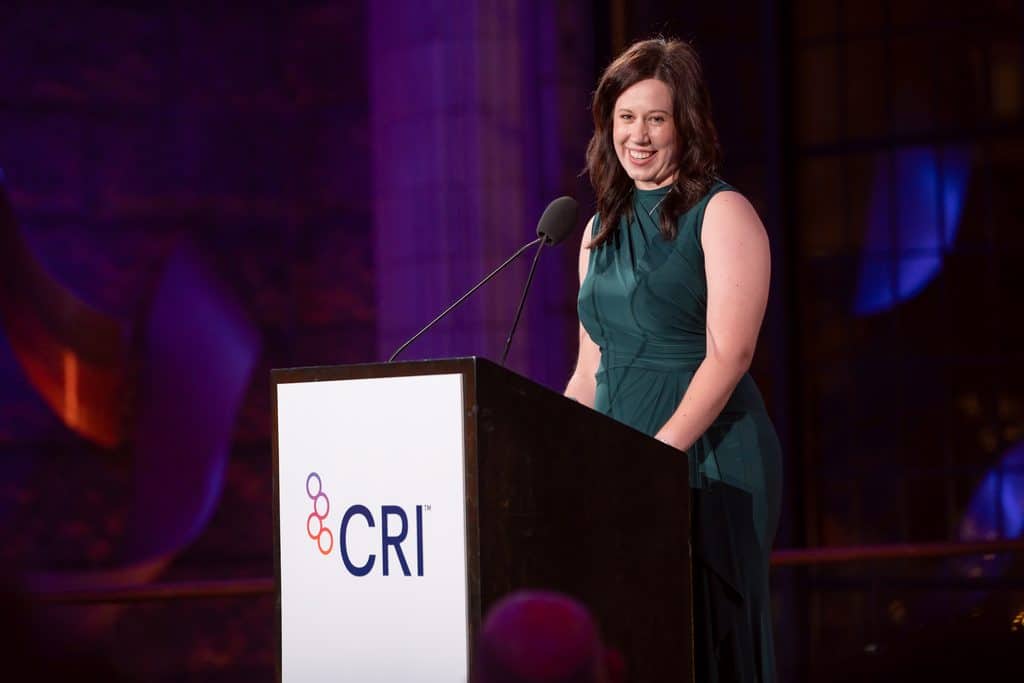
The "Next is Now" theme resonated throughout the gala, articulated eloquently by CRI CEO Alicia Zhou, PhD, in her opening remarks. Dr. Zhou emphasized that the current era stands on the cusp of unprecedented advancements, driven by rapid progress in biology, sophisticated data analytics, and the transformative power of artificial intelligence. These cutting-edge tools are enabling researchers to unravel the intricate complexities of cancer and the immune system in ways previously unimaginable. This confluence of technologies is not merely facilitating incremental improvements but is opening entirely new avenues for discovery, allowing scientists to identify novel connections and develop innovative approaches that promise to deliver more effective treatments to a broader patient population.
However, Dr. Zhou cautioned that turning these promising results into reliable, broadly effective treatments for more people presents a significant challenge. "No single laboratory institution or discipline can do that alone," she stated, underscoring the imperative for collaborative science. CRI is increasingly stepping into a crucial role as a convener, bringing together scientists from diverse backgrounds and institutions to tackle complex questions that cannot be answered in isolation. This collaborative ethos, coupled with sustained philanthropic support, is vital to ensure that researchers have the resources and freedom to test audacious ideas, pursue unexpected discoveries, and translate laboratory insights into clinical realities, thereby transforming the "next" possibilities into the "now" of patient care.
Catalyzing Innovation: Reed Jobs and the Oliver R. Grace Award

The Oliver R. Grace Award for Distinguished Service in Advancing Cancer Research, which recognizes exceptional leadership in driving cancer research through philanthropy, advocacy, and awareness, was presented to Reed Jobs. His innovative approach to funding scientific breakthroughs is rapidly gaining recognition as a critical model for accelerating progress. As the founder of Yosemite, an oncology-focused venture firm, Jobs has pioneered a unique hybrid model that seamlessly integrates philanthropy with venture investment. This strategy is specifically designed to bridge the notorious "valley of death" in drug development—the challenging gap where promising early-stage discoveries in academic laboratories often falter due to a lack of funding for preclinical development and initial clinical trials.
Jobs’ model provides essential support to nascent ideas, nurturing them through critical early phases and helping them generate the clinical proof-of-concept necessary to attract larger investments. During his acceptance speech, Jobs articulated the core philosophy behind his work: "At the core of it, my company has a simple supposition, which is that the cures to cancer have not yet been made, and we need to go out and make them." He emphasized Yosemite’s focus on identifying and backing the most ambitious, potentially paradigm-shifting ideas in the oncology space. Shaped profoundly by his own family’s experience with cancer, Jobs’ commitment extends beyond mere financial investment; it is a deep-seated mission to empower scientists to pursue audacious ideas that could lead to revolutionary treatments, ultimately striving to render cancer nonlethal within our lifetime. This bold approach mirrors CRI’s foundational principle: that researchers require visionary supporters willing to invest in discovery long before its full potential is unequivocally established, fostering an ecosystem where groundbreaking science can flourish.
A Beacon of Hope: Molly Hones’ Journey to Remission
The profound impact of this research was powerfully illustrated by Molly Hones, a cancer survivor whose personal journey offered a vivid testament to the potential of experimental treatments. Molly shared her harrowing experience with a rare liver cancer that had metastasized to her lungs, leading her to prepare for what she believed was the inevitable end of her life. In a moment of desperate hope, she learned of her eligibility for a groundbreaking clinical trial at Johns Hopkins, which combined a novel cancer vaccine with checkpoint immunotherapy. This opportunity, her "moonshot," represented a chance not just for herself, but potentially for those who would follow.
Her decision to enroll was driven by a profound sense of altruism, hoping that even if the treatment didn’t work for her, her participation could contribute valuable data for future patients. Tragically, two weeks into her treatment, her husband, Grant, passed away unexpectedly. Guided by his enduring encouragement to live life to the fullest, Molly found the strength to continue her treatment, embracing travel and life’s experiences. The results were nothing short of miraculous: within months, scans revealed that all four cancerous nodules in her lungs had vanished. This September, she celebrated an incredible two years of complete remission.
Molly’s emotional address to CRI’s supporters underscored a crucial message: that the research which saved her life required sustained support years, even decades, before she ever knew she would need it. "When I joined the trial, I thought I was doing it for the person who would come after me," she reflected. "Now I understand that people before me had already done that for me." Her story was a powerful reminder of the cumulative nature of scientific progress and the ripple effect of every investment in research.
Honoring Scientific Pioneers: The Coley and Alt Awards
The gala culminated in the recognition of two scientific titans whose work is fundamentally reshaping our understanding of the immune system and its capacity to fight cancer.
Dr. Eric Vivier: Decoding Innate Immunity with the William B. Coley Award
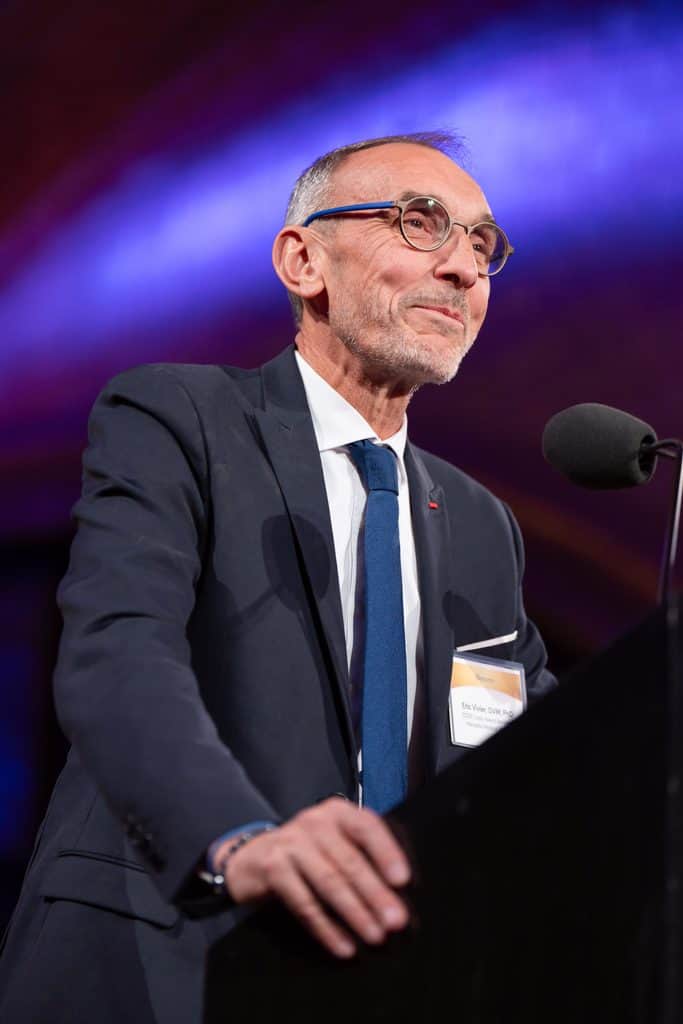
Eric Vivier, DVM, PhD, was honored with the prestigious William B. Coley Award for Distinguished Research in Basic Immunology. This award, named after the pioneering surgeon often considered the "father of immunotherapy," recognizes scientists whose fundamental discoveries have paved the way for new immunotherapies. Dr. Vivier, a distinguished professor of immunology at Marseille Medical School and President of the Paris-Saclay Cancer Center, was celebrated for his groundbreaking contributions to the study of natural killer (NK) cells and the broader field of innate immunity.
NK cells are a vital component of the innate immune system, representing a first line of defense against infections and cancer. Unlike T-cells, which require specific antigen presentation, NK cells can rapidly recognize and eliminate stressed or cancerous cells without prior sensitization. Dr. Vivier’s extensive research has been instrumental in elucidating how these powerful immune cells function, identifying key receptors that govern their activation and inhibition, and revealing their intricate roles in immune surveillance. His work has illuminated the mechanisms by which NK cells distinguish healthy cells from diseased ones, providing critical insights into how this natural anti-cancer machinery might be therapeutically harnessed. Beyond his profound academic contributions, Dr. Vivier has also demonstrated remarkable leadership in translating basic science into clinical reality as a co-founder of Innate Pharma, a biotechnology company focused on developing novel immunotherapies targeting the innate immune system. His career exemplifies the invaluable journey from fundamental discovery to potential clinical application. During his acceptance speech, Dr. Vivier powerfully articulated the essence of his work: "This huge recognition carries a message I hold dear, which is that basic research is not the nurture; it is a source of innovation and progress. Every therapy that features a patient today began as a fundamental question. So, if we stop asking those questions, we also stop curing diseases." His words served as a potent reminder of the indispensable role of curiosity-driven research.
Dr. Joseph Sun: Reshaping Paradigms with the Frederick W. Alt Award
Joseph Sun, PhD, received the Frederick W. Alt Award for New Discoveries in Immunology, an accolade specifically designed to recognize former CRI postdoctoral fellows whose subsequent research has made a major, transformative impact on the field of immunology. This award underscores CRI’s commitment to nurturing the careers of promising young scientists and the enduring value of investing in early-career talent.
Dr. Sun’s groundbreaking work challenged long-held scientific dogma concerning the distinct roles of innate and adaptive immunity. Traditionally, it was believed that only adaptive immune cells, such as T and B cells, possessed immunological memory—the ability to "remember" past infections and mount a faster, more robust response upon re-exposure. However, Dr. Sun definitively demonstrated that NK cells, components of the innate immune system, can also expand and form long-lived memory following viral infection. This discovery was nothing short of revolutionary, blurring the previously rigid boundaries between innate and adaptive immunity and opening up entirely new avenues for therapeutic development. His landmark finding, which he made as a CRI Irvington Postdoctoral Fellow in the laboratory of CRI Scientific Advisory Council member Lewis Lanier, PhD, at the University of California, San Francisco, from 2007 to 2009, highlights the transformative power of providing young scientists with the freedom to explore unconventional, "heretical" ideas. Dr. Sun, now continuing his pioneering research at Memorial Sloan Kettering Cancer Center, continues to explore the intricacies of immune memory, with profound implications for the development of future immunotherapies, including advanced cancer vaccines and adoptive cell therapies that leverage the long-term protective capabilities of memory NK cells. "Lewis Lanier gave me the freedom to explore new and perhaps even heretical ideas, at least according to the textbooks, in order to reshape paradigms," Dr. Sun remarked, adding, "Being a scientist means that you never stop being inspired." His journey exemplifies the critical importance of mentorship and the enduring impact of early-career support.
The Interconnected Ecosystem of Cancer Research
The stories and achievements celebrated at the 2026 CRI Annual Awards Gala collectively underscore the intricate and interconnected ecosystem required to advance cancer research. From the fundamental scientific inquiries pursued by Drs. Vivier and Sun, which expand our basic understanding of immunology, to the innovative funding models championed by Reed Jobs that bridge the gap between discovery and clinical application, every component plays a vital role. Patient stories like Molly Hones’ serve as powerful reminders of the human stakes and the tangible impact of these efforts, while the enduring legacy of advocates like Adam Shapiro emphasizes the personal commitment driving the collective fight.
The challenge ahead remains significant: to translate groundbreaking laboratory discoveries into reliable, broadly accessible treatments for all patients. This requires not only continued financial investment but also a commitment to fostering collaboration, nurturing scientific talent at every career stage, and embracing innovative approaches to research and development. The work recognized at this gala, from the molecular mechanisms of NK cells to the successful clinical trial that saved Molly Hones’ life, points to the immense power of giving scientists the time, resources, and freedom to pursue the most challenging and potentially transformative questions.
A Collective Vision for a Cancer-Free Future
For patients and their families, the ultimate goal remains deeply personal: more effective treatment options, a higher quality of life, and critically, more precious time with the people they love. The Cancer Research Institute, alongside its dedicated supporters, remains steadfast in its commitment to realizing this future. CRI extends its profound gratitude to the 2026 Gala co-chairs: Brian J. Brille, Georgia and Don Gogel, and Betsy and Paul Shiverick, whose leadership and unwavering generosity are instrumental in propelling cancer immunotherapy research forward.
As Molly Hones so eloquently concluded, encapsulating the collective hope and determination of the evening: "I got my moonshot. Let’s make sure the next person gets theirs too." This shared vision, fueled by scientific ingenuity, philanthropic passion, and unwavering hope, continues to drive the relentless pursuit of a world free from the devastating impact of cancer.
