
 By Gabriel Paijo
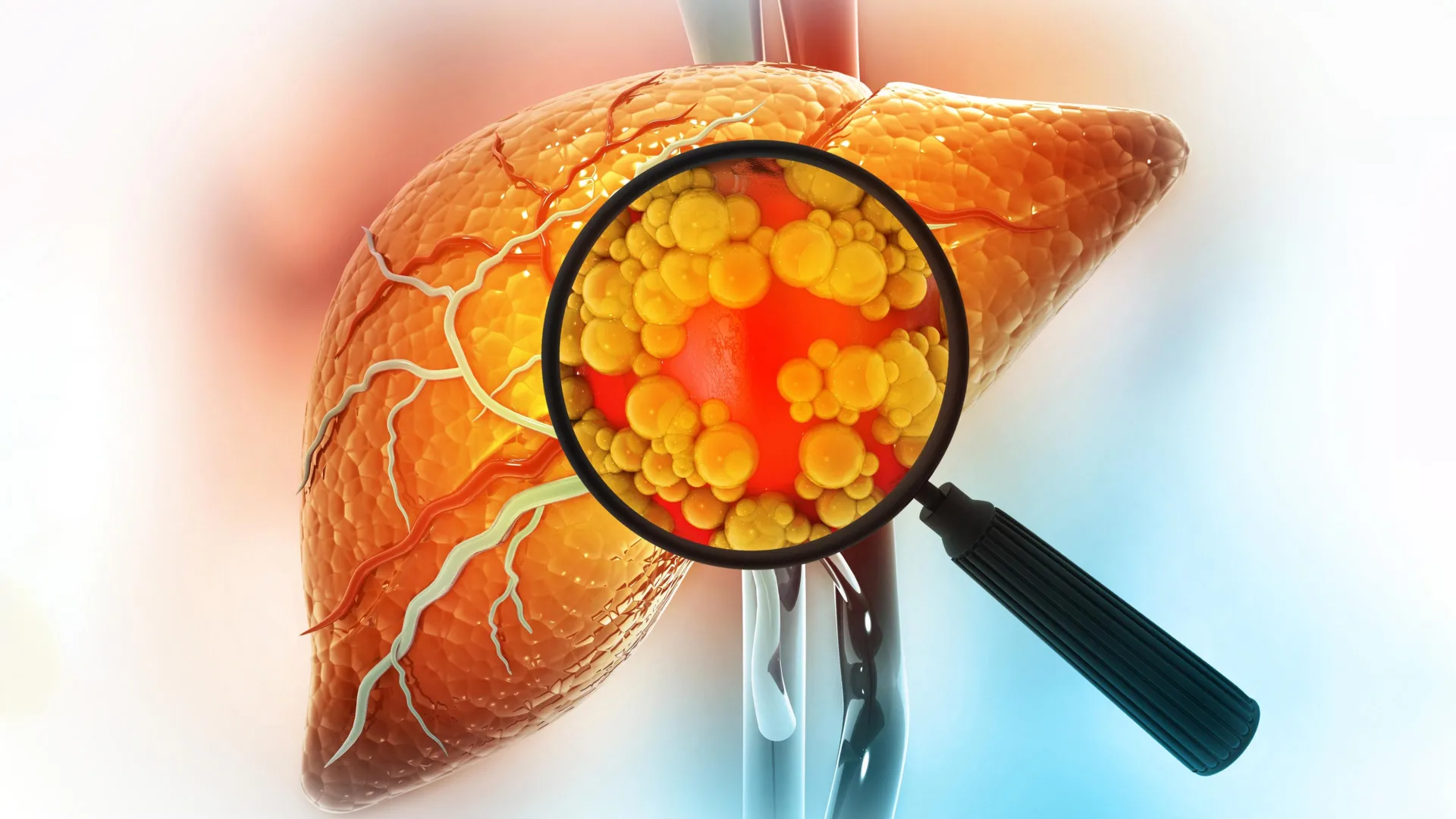
The global prevalence of metabolic disorders has reached a critical juncture, with metabolic dysfunction-associated steatotic liver disease (MASLD) emerging as one of the most pressing public health challenges of the 21st century. Affecting approximately 40% of the adult male population worldwide, MASLD represents a spectrum of liver conditions ranging from simple fat accumulation to severe inflammation and cirrhosis. While sedentary lifestyles and high-calorie diets have long been identified as primary drivers of this epidemic, new research has uncovered a sophisticated and dangerous synergy between hormonal imbalances and specific dietary components. A groundbreaking study led by a research team from the Graduate School of Agriculture has identified that the combination of low testosterone levels and high fructose intake creates a "perfect storm" for liver degradation, a process significantly mediated by alterations in the gut microbiome.
The research, spearheaded by graduate student Hiroki Takahashi and Associate Professor Naoki Harada, provides a granular look at how individual risk factors, which might produce only mild symptoms in isolation, can become catastrophic when present simultaneously. This discovery shifts the clinical focus from treating these conditions as independent variables to understanding them as an interconnected metabolic network.
The Evolution of MASLD and the Modern Health Context
Formerly known as non-alcoholic fatty liver disease (NAFLD), the rebranding to MASLD reflects a more precise medical understanding of the disease’s origins in metabolic dysfunction. The condition begins with steatosis—the buildup of neutral fats, primarily triglycerides, within liver cells (hepatocytes). In many cases, this initial stage is asymptomatic, leading to its reputation as a "silent killer." However, as the fat accumulation increases, it can trigger oxidative stress and inflammation, eventually leading to fibrosis and irreversible liver damage.
The modern landscape of male health is characterized by two diverging but intersecting trends: a steady decline in average testosterone levels over the last several decades and a massive increase in the consumption of refined sugars, particularly high-fructose corn syrup (HFCS). Testosterone is not merely a reproductive hormone; it is a critical regulator of male metabolism, influencing muscle mass, fat distribution, and glucose utilization. Simultaneously, fructose has become a ubiquitous sweetener in the global food supply, found in everything from carbonated beverages to "healthy" processed snacks. Unlike glucose, which can be used by cells throughout the body for energy, fructose is primarily processed in the liver, making that organ uniquely vulnerable to dietary excess.
Chronology and Methodology of the Study
To unravel the complexities of these interactions, the research team designed a comprehensive experimental framework using eight-week-old male mice. The study was structured to isolate the variables of hormonal status, diet, and the role of the gut-liver axis. The researchers divided the subjects into six distinct experimental cohorts to observe the progression of liver pathology over a controlled period:
- Sham/Control: Mice with normal testosterone levels fed a standard diet.
- Sham/Fructose: Mice with normal testosterone levels fed a high-fructose diet.
- Sham/Fructose + Antibiotics: Mice with normal testosterone and a high-fructose diet, but with gut bacteria suppressed via antibiotics.
- Castration/Control: Mice with low testosterone levels (via orchiectomy) fed a standard diet.
- Castration/Fructose: Mice with low testosterone levels fed a high-fructose diet.
- Castration/Fructose + Antibiotics: Mice with low testosterone and a high-fructose diet, with gut bacteria suppressed.
By utilizing castration to simulate the clinical condition of hypogonadism (low testosterone) and high-fructose water to simulate modern dietary habits, the team could observe the physiological changes in real-time. The inclusion of antibiotic-treated groups was a critical methodological choice, allowing the scientists to determine whether the damage was caused directly by the fructose and low testosterone or if the gut microbiome acted as an intermediary. Over the course of the study, the team performed rigorous analyses of liver tissue, blood plasma, and the microbial composition of the cecum—the pouch-like beginning of the large intestine.
Data Analysis: The Power of Synergistic Effects
The data gathered from the six groups revealed a striking disparity between individual risk factors and their combined impact. In the groups where only one risk factor was present—either low testosterone alone or high fructose alone—the increase in liver triglycerides and overall liver weight was relatively modest. These mice showed signs of early-stage fat accumulation, but the liver’s compensatory mechanisms appeared to keep the damage in check.
However, the "Castration/Fructose" group exhibited a dramatic escalation in pathology. These mice developed significantly heavier livers, characterized by dense deposits of neutral lipids. The researchers noted that the combined effect was not merely additive (1+1=2) but synergistic (1+1=3), where the presence of low testosterone appeared to sensitize the liver to the damaging effects of fructose.
Quantitative analysis of the gut environment provided the missing link. The researchers discovered that the combination of low testosterone and high fructose significantly altered the gut microbiota’s composition. This "dysbiosis" or bacterial imbalance led to a surge in the levels of pyruvate within the cecum. Pyruvate is a key intermediate in energy metabolism, usually converted into energy or used to build other molecules. In the context of this study, however, the excess pyruvate produced by the altered gut bacteria was transported to the liver, where it acted as a fuel source for fat synthesis.
The Role of the Gut-Liver Axis and Pyruvate
The most significant breakthrough of the study lies in the identification of the gut-liver axis as the primary highway for this metabolic damage. To confirm their findings, the team conducted secondary experiments using primary hepatocytes (liver cells) isolated from mice. When these cells were exposed to fructose alone, fat accumulation was minimal. When exposed to pyruvate alone, the results were similar. However, when the cells were treated with both fructose and pyruvate simultaneously, the rate of triglyceride accumulation skyrocketed.
"Upon examining this mechanism, we found that changes in the gut microbiota led to increased levels of pyruvate within the intestine," explained Hiroki Takahashi. "Furthermore, experiments using mouse-derived primary hepatocytes revealed that pyruvate acts synergistically with fructose to promote neutral lipid accumulation in hepatocytes."
This finding suggests that the gut microbiome essentially "prepares" the liver for damage. By flooding the system with pyruvate, the bacteria provide the liver with the raw materials needed to turn dietary fructose into stored fat at an accelerated rate. The fact that the antibiotic-treated groups (Castration/Fructose + Antibiotics) showed significantly less liver weight gain and fat accumulation confirms that without the specific gut bacteria to produce pyruvate, the synergistic damage is largely mitigated.
Official Responses and Scientific Implications
The scientific community has responded to these findings with a mix of urgency and optimism. The study, published in the American Journal of Physiology-Endocrinology and Metabolism, provides a new roadmap for therapeutic intervention.
Associate Professor Naoki Harada emphasized the future direction of this research, stating, "Going forward, we hope to clarify the mechanism by which pyruvate promotes triglyceride accumulation to pioneer the development of therapeutic drugs and establishment of preventive methods through dietary interventions."
Medical analysts suggest that this research could lead to more personalized treatment plans for men suffering from MASLD. Instead of general advice to "lose weight," clinicians may soon look at a patient’s testosterone levels and gut health as part of a holistic liver-protection strategy. There is also the potential for the development of "postbiotics"—compounds that could neutralize excess intestinal pyruvate—or specific probiotic strains designed to restore a healthy bacterial balance in men with low testosterone.
Broader Impact and Public Health Analysis
The implications of this study extend far beyond the laboratory. From a public health perspective, the findings highlight a growing vulnerability in the modern male population. As obesity rates rise, testosterone levels naturally fall, often creating a vicious cycle where low testosterone leads to increased abdominal fat, which in turn further suppresses testosterone. When this hormonal state is combined with the high-fructose "Western diet," the risk of severe liver disease becomes an almost statistical certainty for many.
Furthermore, the study sheds light on the "antibiotic paradox." While the researchers used antibiotics to prove the role of gut bacteria, they do not suggest antibiotics as a treatment for MASLD. Rather, the results underscore how sensitive the gut-liver axis is to microbial changes. In a world where antibiotic overuse is common, the unintended consequences on metabolic health and liver function may be more profound than previously understood.
The economic impact of MASLD is also a factor. With 40% of men affected, the burden on healthcare systems—ranging from the cost of managing diabetes and cardiovascular complications to the extreme costs of liver transplants—is astronomical. Preventive strategies that focus on the interaction between hormones and diet could save billions in long-term healthcare expenditures.
Conclusion: A New Paradigm for Liver Health
The research from the Graduate School of Agriculture marks a significant shift in our understanding of metabolic health. It moves the conversation away from "good" and "bad" foods toward a more complex understanding of how our internal biological environment—our hormones and our microbiome—determines how our bodies process what we eat.
While the study was conducted in mice, the fundamental biological pathways involved are highly conserved across mammalian species, including humans. The discovery that pyruvate and fructose work in tandem to destroy liver health provides a clear target for future drug development and dietary guidelines. For the millions of men worldwide at risk of MASLD, the message is clear: protecting the liver requires more than just avoiding fat; it requires a comprehensive approach to hormonal health, sugar intake, and the maintenance of a thriving, balanced gut microbiome. As researchers continue to peel back the layers of the gut-liver axis, the hope is that new, more effective treatments for this global epidemic are finally within reach.
