
 By Gabriel Paijo
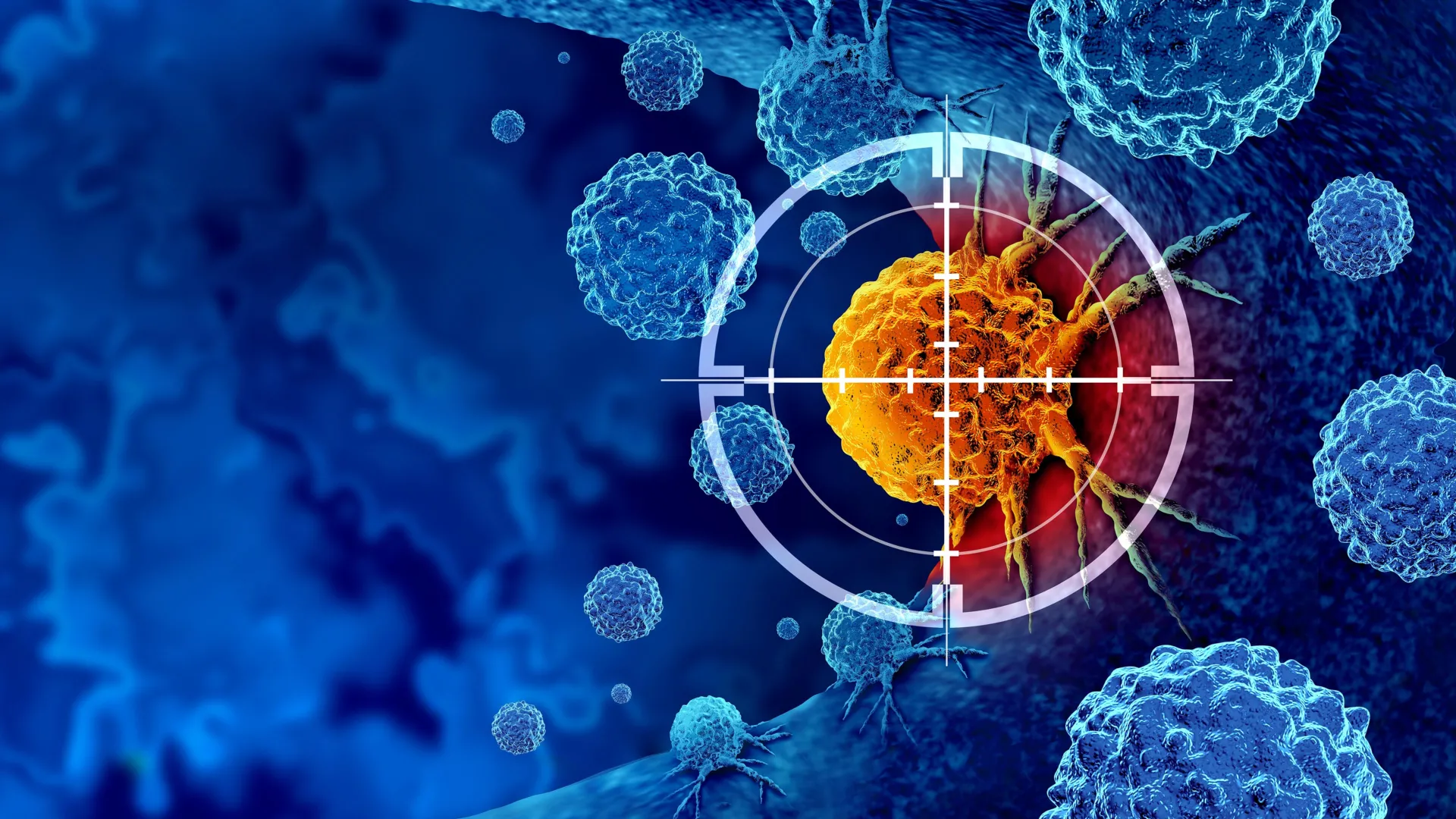
The landscape of oncology is currently witnessing a pivotal shift as researchers from the Duke University School of Medicine and the University of Rochester Medicine have unveiled a sophisticated RNA-targeting technology designed to overcome one of the most significant hurdles in cancer treatment: the "immune cold" tumor. Prostate cancer, which has long been resistant to the revolutionary power of immunotherapy, may soon become vulnerable to the body’s own defenses thanks to an experimental CRISPR-based tool that manipulates the architecture of messenger RNA (mRNA) within malignant cells. This innovation, recently detailed in the journal Nature Biomedical Engineering, offers a potential roadmap for converting non-responsive tumors into prime targets for immune attack, potentially extending the benefits of immunotherapy to millions of patients who previously had few options.
The Challenge of the Immune Cold Environment
Immunotherapy, particularly immune checkpoint inhibitors, has fundamentally altered the prognosis for various cancers, such as melanoma and non-small cell lung cancer. These treatments work by "releasing the brakes" on the immune system, allowing T cells to recognize and destroy cancerous growths. However, prostate cancer has remained largely impervious to these advancements. The primary reason is that most prostate tumors are classified as "immune cold."
In a "cold" tumor environment, the malignancy effectively creates a fortress that excludes T cells—the primary soldiers of the immune system. Without the presence of these cells within the tumor microenvironment, checkpoint inhibitors have no "army" to activate, rendering the treatment ineffective. For decades, the scientific community has sought a "spark" that could turn these cold tumors "hot" by attracting and retaining T cells. The newly developed CRISPR Cas13 system appears to provide that necessary catalyst by addressing the molecular mechanisms that allow prostate cancer to hide in plain sight.
A Twelve-Year Journey: From Glioblastoma to Prostate Cancer
The foundation for this breakthrough was laid over a decade ago. In 2012, a research team led by Eric J. Wagner, PhD, now at the University of Rochester, discovered a peculiar phenomenon while studying glioblastoma, an aggressive form of brain cancer. They observed that many mRNA molecules within tumor cells were significantly shorter than those found in healthy cells.
Messenger RNA serves as the critical intermediary between the genetic instructions held in DNA and the production of proteins. Wagner’s team found that tumors utilize a process called alternative polyadenylation to trim the ends, or "tails," of mRNA. These shortened mRNAs are more stable and compact, much like a hedgehog curling into a ball for protection. Because they lack the regulatory sequences typically found on the longer "tails" of healthy mRNA, these shortened molecules are less likely to be degraded by cellular enzymes. Consequently, they persist longer and produce excessive amounts of specific proteins that help the cancer survive, adapt, and evade the immune system.
Following years of pan-cancer studies, it became evident that this mRNA shortening was not unique to brain cancer but was a widespread strategy employed by various malignancies to resist treatment. The current study represents the culmination of efforts to weaponize this knowledge against prostate cancer.
Unmasking the Enemy: The Role of SPSB1 and MHC-1
The researchers identified a specific chain of events that leads to the "cold" status of prostate tumors. Central to this process is a protein called SPSB1. When the mRNA responsible for producing SPSB1 is shortened, the cell produces an overabundance of the protein.
High levels of SPSB1 trigger the destruction of the MHC-1 complex (Major Histocompatibility Complex Class I). The MHC-1 complex is vital for immune surveillance; it acts as a molecular "flagpole" on the surface of cells, displaying fragments of proteins from inside the cell. When a cell becomes cancerous, the MHC-1 complex displays abnormal proteins, signaling T cells to attack. By utilizing shortened mRNA to ramp up SPSB1 production, prostate cancer cells effectively "tear down the flagpoles," making themselves invisible to the immune system.
The CRISPR Cas13 Innovation: Re-Lengthening the Signal
To combat this, the collaborative team from Duke and Rochester developed a first-of-its-kind therapeutic approach using CRISPR Cas13. Unlike the more famous CRISPR Cas9, which is designed to cut and edit DNA, Cas13 targets RNA. Furthermore, the researchers engineered this specific system to be non-cleaving. Instead of cutting the RNA, the tool is designed to bind to a specific sequence on the SPSB1 mRNA molecule.
By binding to the targeted section, the CRISPR tool acts as a physical block, preventing the cancer cell’s machinery from shortening the mRNA tail. This forces the cell to produce the normal, longer version of the SPSB1 mRNA. These longer molecules are inherently less stable and are more easily regulated and degraded by the cell’s natural processes.
The result is a significant reduction in the levels of the SPSB1 protein. With SPSB1 levels lowered, the destruction of the MHC-1 complex is halted, and the "molecular flagpoles" return to the surface of the cancer cells. This restoration makes the tumor visible to the immune system once again, effectively turning the "cold" tumor "hot."
Preclinical Success and Data Analysis
In laboratory studies involving mouse models of prostate cancer, the results were definitive. When the CRISPR-based RNA technology was administered in conjunction with standard immune checkpoint therapy, the tumors showed a marked increase in T-cell infiltration. The immune cells, now able to "see" the cancer via the restored MHC-1 complexes, successfully invaded the tumors and began destroying the malignant cells.
A critical aspect of the study was the safety profile of the experimental treatment. One of the primary concerns with any CRISPR-based therapy is "off-target effects," where the tool inadvertently modifies unintended parts of the genetic code. However, a detailed analysis of the results showed no detectable off-target effects. The specificity of the Cas13 system allowed it to target the SPSB1 mRNA with high precision, leaving other cellular functions intact.
"No one has ever done this before," stated Dr. Wagner, who serves as the co-director of the Center for RNA Biology at the University of Rochester. "It’s an excellent preclinical model showing that mRNAs can be forced to re-lengthen and when they do, there’s therapeutic benefit."
Expert Reactions and Logical Implications
The oncology community has reacted with cautious optimism to these findings. While the study is currently in the preclinical stage, the implications for human health are profound. Experts suggest that if these results can be replicated in human clinical trials, it could lead to a "synergistic" approach to cancer care.
"Cancer is super smart at evolving, but it’s not a magician," Wagner noted. "If we can hit it with immunotherapy and another synergistic drug that pumps up the immune response, we could potentially cure it. It won’t be able to evolve fast enough."
This sentiment reflects a broader trend in cancer research toward combination therapies. By addressing the fundamental biological reasons why a tumor resists a specific treatment, researchers can "prime" the body to respond to existing drugs. This approach not only increases the efficacy of current immunotherapies but could also reduce the need for high doses of toxic chemotherapy, which often harms healthy cells alongside cancerous ones.
Broader Impact: From Prostate to Pancreatic Cancer
The potential applications of this technology extend far beyond prostate cancer. Many of the most difficult-to-treat cancers, including pancreatic cancer and certain types of breast cancer, are also characterized by "immune cold" environments.
The research team has already begun the next phase of their work, supported by pilot funding from the Wilmot Cancer Institute and the Roswell Park Comprehensive Cancer Center. They are currently testing the CRISPR Cas13 technology in pancreatic cancer models. Pancreatic cancer has one of the lowest five-year survival rates of any major cancer, largely because it is frequently diagnosed late and is notoriously resistant to conventional immunotherapy. If the RNA-lengthening strategy can restore MHC-1 expression in pancreatic cells, it could represent a historic breakthrough for a patient population with very few successful treatment avenues.
Chronology of Development
The path to this discovery illustrates the long-term nature of medical research:
- 2012: Initial discovery of mRNA shortening in glioblastoma by Dr. Wagner’s team.
- 2013-2018: Identification of mRNA shortening as a common trait across multiple cancer types (pan-cancer phenomenon).
- 2019-2021: Duke University and University of Rochester researchers collaborate to identify SPSB1 as a primary driver of MHC-1 degradation in prostate cancer.
- 2022-2023: Development and testing of the CRISPR Cas13 RNA-targeting tool in mouse models.
- 2024: Publication of findings in Nature Biomedical Engineering and expansion of research into pancreatic cancer.
Conclusion and Future Outlook
The research, funded by the National Cancer Institute at the National Institutes of Health, marks a significant milestone in the field of RNA biology. By moving beyond simple gene editing and into the realm of RNA structural manipulation, scientists are opening a new front in the war on cancer.
As the technology moves toward potential human trials, the focus will remain on delivery methods—ensuring the CRISPR tool can be safely and effectively transported to tumor sites in human patients. While challenges remain, the ability to "re-lengthen" the genetic signals that cancer tries to hide offers a powerful new weapon in the effort to make immunotherapy a universal success. For patients with prostate cancer and other "cold" tumors, this research provides a glimmer of hope that the body’s own immune system may one day be the ultimate cure.
