
 By Billy Candra
A New Hope in Preventing Breast Cancer Recurrence
Despite remarkable advancements in early detection and treatment over recent decades, breast cancer recurrence remains a formidable challenge, often leading to an incurable metastatic disease. Approximately 30 percent of breast cancer survivors, both women and men, will experience a relapse, at which point the only available option is continuous, often indefinite, treatment aimed at managing the disease rather than eradicating it completely. The timeline for recurrence varies significantly, with aggressive subtypes like triple-negative and HER2-positive breast cancers often returning within a few years, while hormone receptor-positive (ER+) cancers can lie dormant for decades before reactivating. Until now, clinicians lacked a reliable method to identify patients harboring these elusive dormant cells in real-time or an effective intervention to prevent their resurgence into active, life-threatening tumors.
The recent Phase II clinical trial, involving 51 breast cancer survivors, demonstrated that repurposed existing drugs could successfully clear dormant tumor cells from an impressive 80 percent of the study participants. The results on recurrence prevention were equally compelling: the three-year survival rate without any disease recurrence stood above 90 percent for patients who received monotherapy with one of the study drugs, and a remarkable 100 percent for those who received combination therapy with both drugs. This unprecedented success offers a beacon of hope, moving beyond the traditional "wait and see" approach that has long left survivors in a state of uncertainty and anxiety.
"The lingering fear of cancer returning is something that hangs over many breast cancer survivors after they celebrate the end of treatment," stated principal investigator Angela DeMichele, MD, MSCE, FASCO, the Mariann T. and Robert J. MacDonald Professor in Breast Cancer Research. "Right now, we just don’t know when or if someone’s cancer will come back — that’s the problem we set out to solve. Our study shows that preventing recurrence by monitoring and targeting dormant tumor cells is a strategy that holds real promise, and I hope it ignites more research in this area." Dr. DeMichele’s sentiments underscore the profound psychological burden carried by survivors, a burden that this research directly addresses.
Understanding the Enigma of "Sleeper Cells"
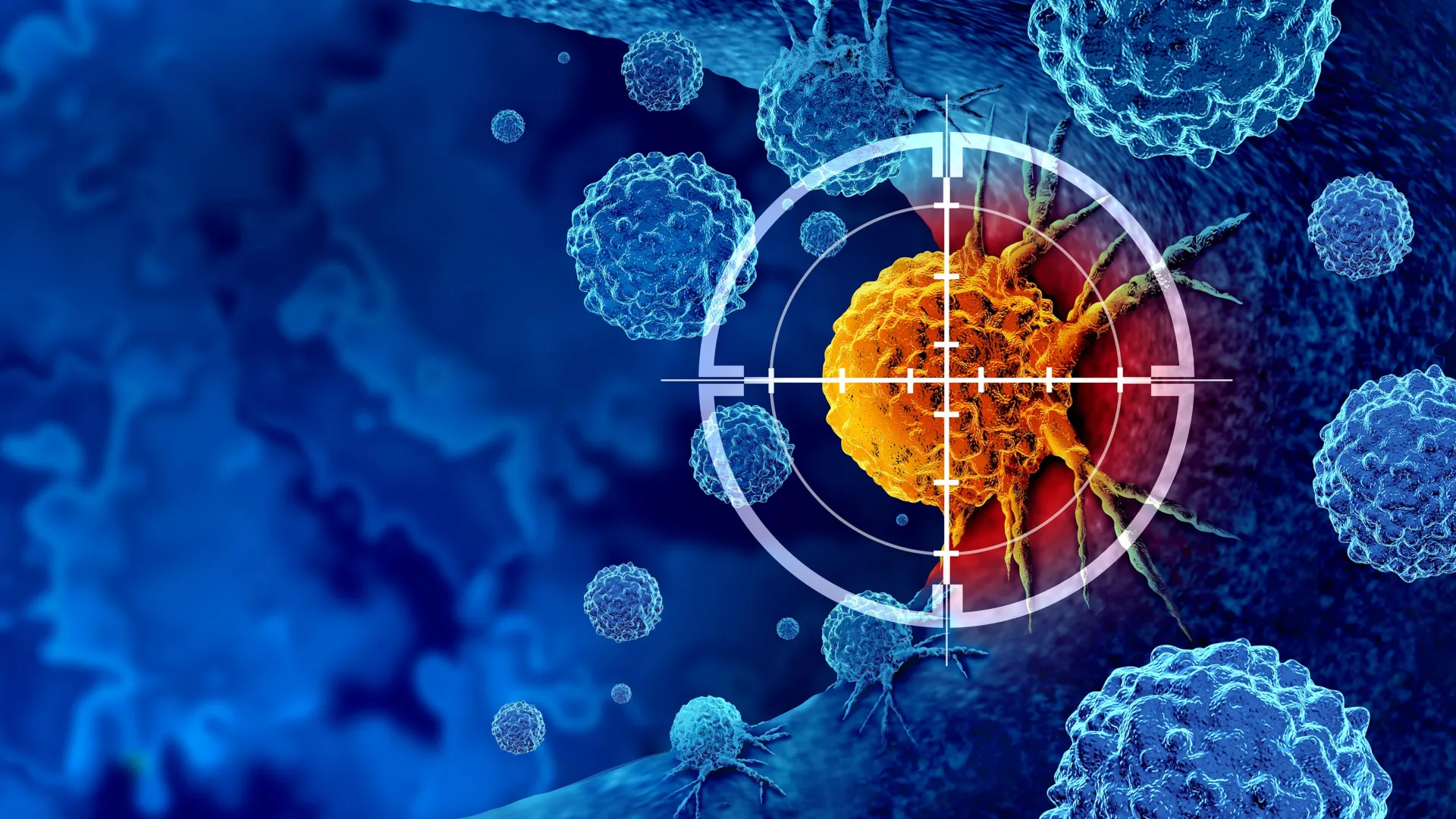
The study’s success builds upon years of foundational research into minimal residual disease (MRD), often referred to as "sleeper cells" or dormant tumor cells. These are cancer cells that survive initial treatments and remain inactive in various parts of the body, such as bone marrow, sometimes for years or even decades. Unlike actively proliferating cancer cells, dormant cells do not show up on standard imaging tests like CT scans or MRIs, which primarily detect metabolically active or growing lesions. This invisibility has historically made them incredibly difficult to track and target.
The peril of these sleeper cells lies in their potential to reactivate and expand, leading to the spread of metastatic breast cancer – a stage where the disease becomes significantly harder to treat and, in most cases, incurable. Patients identified with MRD are known to face a substantially higher likelihood of breast cancer recurrence and, consequently, decreased overall survival rates. Therefore, developing a method to detect and eliminate these cells before they awaken has been a critical, unmet need in oncology.
Lewis Chodosh, MD, PhD, chair of Cancer Biology and senior author of the study, has been at the forefront of this research, having previously led investigations to identify the specific cellular pathways that enable dormant tumor cells to survive undetected in patients for extended periods. His work laid the crucial groundwork for understanding the unique biology of these quiescent cells. "Our research shows that this sleeper phase represents an opportunity to intervene and eradicate the dormant tumor cells before they have the chance to come back as aggressive, metastatic disease," Chodosh explained. "Surprisingly, we’ve found that certain drugs that don’t work against actively growing cancers can be very effective against these sleeper cells. This tells us that the biology of dormant tumor cells is very different from active cancer cells." This critical distinction—that dormant cells respond to different therapeutic strategies than active cancer cells—is central to the breakthrough.
The Journey from Laboratory to Clinic: A Chronology of Discovery
The preclinical phase of this landmark research, meticulously conducted by Dr. Chodosh’s team, involved a series of sophisticated experiments in mouse models. These studies were designed to unravel the intricate underlying mechanisms that allow tumor cells to enter and maintain a state of dormancy. The team identified key cellular pathways, specifically autophagy and mTOR signaling, as vital for the survival of these quiescent cells. Crucially, they discovered that two different drugs, both already approved by the FDA for treating other conditions, could effectively clear MRD in mice, resulting in significantly longer survival without cancer recurrence. The repurposing of existing drugs offers a substantial advantage, potentially accelerating the timeline for clinical application due to their established safety profiles.
Translating this preclinical success into a human clinical trial required a carefully designed approach. Dr. DeMichele’s team initiated a screening study, enrolling breast cancer survivors who had completed their initial treatment within the last five years and had clear imaging scans. The objective was to identify the presence of dormant tumor cells in the participants’ bone marrow, a known sanctuary site for MRD.
Patients who tested positive for dormant tumor cells were then eligible to enroll in the Phase II CLEVER clinical trial. This randomized trial assigned participants to receive six cycles of either monotherapy with one of the two study drugs or combination therapy with both drugs. The results were compelling: the treatment successfully cleared dormant tumor cells in the majority of patients within six to twelve months. With a median follow-up time of 42 months (3.5 years), only two patients in the entire study cohort experienced a cancer recurrence, a testament to the potential efficacy of this targeted intervention. These outcomes were so promising that interim data were previously reported by Dr. DeMichele at the European Society for Medical Oncology (ESMO) Congress in 2023, generating considerable interest within the global oncology community.
A Paradigm Shift in Post-Treatment Breast Cancer Care
The implications of these findings are profound, signaling a potential paradigm shift in the management of breast cancer survivors. For decades, the standard of care after initial treatment has largely been a "wait and see" approach, relying on periodic follow-up appointments and imaging to detect recurrence, often only after it has become clinically apparent and potentially metastatic. This new strategy offers the possibility of proactive intervention, identifying high-risk individuals and treating them before their cancer has a chance to return and spread.
Such an approach would not only improve patient outcomes by preventing incurable relapse but also alleviate the immense psychological burden associated with the constant fear of recurrence. Providing patients with a tangible intervention to address this risk could significantly enhance their quality of life post-treatment. Moreover, the economic implications are substantial. Preventing metastatic disease, which requires continuous and expensive treatments, could lead to significant cost savings within healthcare systems, alongside the incalculable value of extended, healthy lives for survivors. The use of repurposed, existing drugs further enhances this economic advantage, as the development costs and regulatory hurdles associated with novel drug creation are bypassed.
Experts in the field are expressing cautious optimism. While the results from a Phase II trial are encouraging, they underscore the need for larger, confirmatory studies. The publication in Nature Medicine, a journal renowned for publishing high-impact discoveries, lends significant weight to the study’s findings, indicating a rigorous peer-review process and recognition of its scientific merit. This research also highlights the critical importance of federally funded initiatives and philanthropic support in driving innovative medical breakthroughs that might not attract immediate commercial investment due to their early-stage nature.
The Road Ahead: Expanding and Confirming the Findings
Recognizing the immense potential of the CLEVER study, the research team is not resting on its laurels. They are already actively enrolling patients in two larger, multicenter, ongoing studies designed to confirm and extend these initial promising results: the Phase II ABBY clinical trial and the Phase II PALAVY clinical trial. These trials are being conducted at several leading cancer centers across the country, aiming to validate the findings across a more diverse patient population and gather more extensive data on efficacy and long-term outcomes. The expansion to multiple sites is crucial for establishing the generalizability and robustness of the treatment strategy.
The success of this program hinges on continued research, collaboration, and patient participation. Individuals interested in learning more about these or other breast cancer clinical trials at Penn Medicine are encouraged to contact [email protected]. This direct line provides an opportunity for more patients to contribute to and potentially benefit from this pioneering research.
A Testament to Collaborative Research and Funding
This groundbreaking research was made possible through a robust network of funding and collaborative support. Primary funding was secured from federal agencies, including the National Cancer Institute (R01CA208273) and the Department of Defense (BC160784), underscoring the strategic national importance placed on addressing breast cancer recurrence. Additional crucial support was provided by a diverse group of philanthropic organizations, including the V Foundation, the Breast Cancer Research Foundation, QVC "Shoes on Sale," the Avon Foundation, and the Raynier Institute & Foundation, along with generous individual philanthropic donations. This multifaceted financial backing is a testament to the widespread belief in the transformative potential of this research and the collaborative spirit required to tackle complex medical challenges. The journey from initial scientific inquiry into dormant cells to a successful clinical trial preventing recurrence exemplifies the power of dedicated research and sustained investment in medical innovation.
