
 By Suherman Candra Maholtra
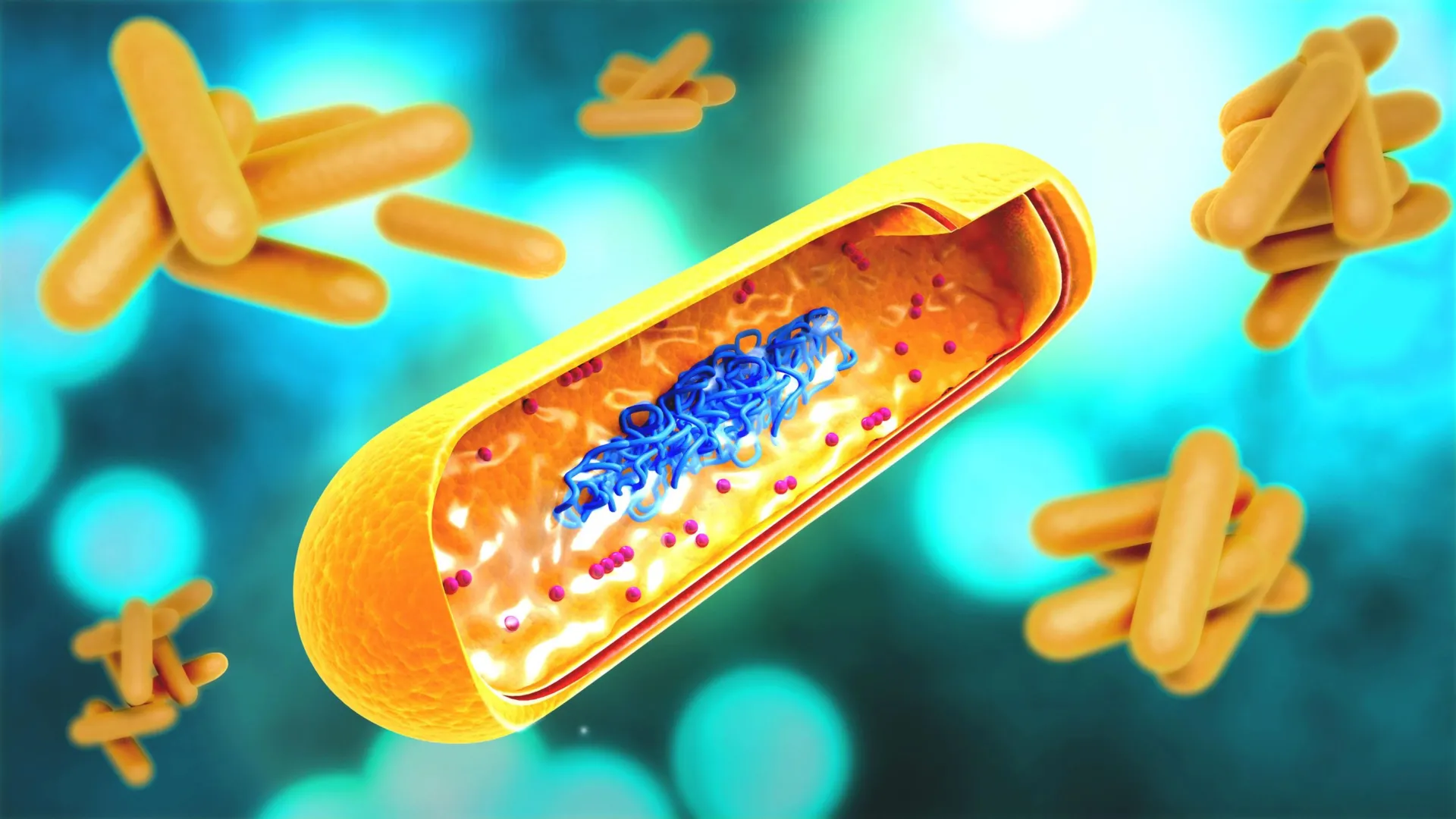
Researchers at Johns Hopkins Medicine and the Johns Hopkins Bloomberg School of Public Health have announced the development of a pioneering experimental therapeutic DNA vaccine for tuberculosis (TB) that is administered intranasally. This novel approach is specifically engineered to bolster the immune system’s ability to identify and eradicate "persisters"—a subset of drug-tolerant TB bacteria that often survive standard, months-long antibiotic courses and serve as the primary catalyst for disease relapse. By targeting these dormant microbes at the site of infection, the vaccine represents a potential paradigm shift in the global fight against one of history’s most resilient pathogens.
The study, recently published in the Journal of Clinical Investigation, arrives at a critical juncture in global health. Despite being a preventable and curable disease, tuberculosis has plagued humanity for over six millennia and remains the leading cause of death from a single infectious agent worldwide, recently reclaiming that somber title from COVID-19. The findings from the Johns Hopkins team suggest that immunotherapy, when paired with traditional pharmacology, could significantly shorten treatment durations and improve the prognosis for millions of patients, particularly those battling drug-resistant strains.
The Global Burden of Tuberculosis and the Need for Innovation
To understand the significance of the Johns Hopkins research, one must look at the current landscape of the TB epidemic. According to data released by the World Health Organization (WHO) in 2024, approximately 10.8 million people fell ill with TB in the previous year, resulting in 1.25 million deaths. Perhaps even more staggering is the prevalence of latent TB; it is estimated that one-quarter of the global population—roughly 2 billion people—carries the Mycobacterium tuberculosis bacteria without showing symptoms.
While the "End TB Strategy" launched by the WHO aims for a 90% reduction in TB deaths and an 80% reduction in the TB incidence rate by 2030, progress has been hampered by the complexity of the disease. Standard treatment for drug-susceptible TB requires a minimum of six months of daily antibiotic intake. For multidrug-resistant TB (MDR-TB), the regimen can extend to 18 months or longer, involving drugs with significant side effects. The length and difficulty of these treatments often lead to non-compliance, which in turn drives the evolution of drug resistance and increases the likelihood of relapse.
The WHO has explicitly called for the development of therapeutic vaccines—vaccines given to people who are already infected—to complement existing drug therapies. The Johns Hopkins vaccine is designed to meet this exact need, acting as a "force multiplier" for antibiotics.
Mechanism of Action: Targeting the "Persister" State
The core challenge in curing TB lies in the bacteria’s ability to enter a state of metabolic dormancy. When exposed to the hostile environment of the human immune system or the chemical stress of antibiotics, Mycobacterium tuberculosis utilizes a specific genetic mechanism to slow its growth. These "persisters" are not genetically resistant to drugs, but because most antibiotics target actively dividing cells, these dormant bacteria remain untouched. Once the treatment ends, these persisters can "wake up," lead to a resurgence of the infection, and potentially develop true genetic resistance.
The experimental vaccine developed at Johns Hopkins utilizes a sophisticated dual-gene approach to counter this defense mechanism. The vaccine combines two specific genes: relMtb and Mip3α.
"First, TB bacteria possess a gene, relMtb, that produces a protein, RelMtb, to help the microbes survive hostile conditions such as antibiotic exposure, low oxygen and nutrient limitation by entering a drug-tolerant persistent state," explained study lead author Styliani Karanika, M.D., an assistant professor of medicine at the Johns Hopkins University School of Medicine.
The second component, the Mip3α gene, acts as a homing beacon. When fused with relMtb, it produces a signal that attracts immature dendritic cells. These cells are the "sentinels" of the immune system; they capture the TB proteins and "present" them to T cells, which are the primary "soldiers" responsible for coordinating a targeted attack on the bacteria. By forcing the immune system to recognize the very proteins the bacteria use to hide, the vaccine effectively strips away the microbes’ camouflage.
Advantages of Intranasal Delivery
A distinctive feature of this experimental vaccine is its delivery method. While most vaccines are administered via intramuscular injection, this DNA vaccine is delivered through the nose. This strategy is biologically intentional, aiming to generate mucosal immunity exactly where the infection typically begins: the respiratory tract.
Intranasal delivery focuses the vaccination on the respiratory mucosa in the lungs. This localized approach helps generate long-lasting "resident memory" T cells within the airways. These cells stay in the lung tissue, ready to respond immediately to TB bacteria, while the vaccine simultaneously triggers a systemic immune response throughout the body. This two-pronged defense—local and systemic—provides a more robust shield against the persistence and spread of the pathogen.
Experimental Results: Mice and Non-Human Primates
The research team conducted a series of rigorous experiments to test the efficacy and durability of the vaccine. In mouse models, the results were highly encouraging. Mice treated with the intranasal DNA fusion vaccine in conjunction with first-line TB drugs cleared the bacteria significantly faster than those receiving drugs alone. Furthermore, the vaccinated mice showed a marked reduction in lung inflammation and, crucially, did not experience a relapse after the antibiotic treatment was discontinued.
The vaccine also demonstrated synergy with the "BPaL" regimen—a powerful combination of bedaquiline, pretomanid, and linezolid used to treat highly drug-resistant TB. According to Dr. Karanika, the vaccine helped these drugs work more effectively, suggesting that the immunotherapy could be a vital tool for treating the most difficult cases of MDR-TB and extensively drug-resistant TB (XDR-TB).
Following the success in mice, the team moved to rhesus macaques, whose immune systems are much more similar to those of humans. In these primates, the vaccine successfully generated measurable TB-specific immune responses in both the bloodstream and the airways. The researchers observed that these immune responses remained active for at least six months, indicating the potential for durable, long-term protection.
While the primate study focused on immune activation rather than direct infection challenge, the data provided what Dr. Karanika calls a "translational bridge." The fact that the vaccine could stimulate the same types of T-cell responses in primates as it did in mice (where it was proven to kill bacteria) gives researchers high confidence in its potential efficacy for humans.
Broader Implications and the Path to Human Trials
The development of this vaccine comes at a time when the global health community is increasingly looking toward immunotherapy to solve the antibiotic crisis. The ability of a DNA vaccine to target the metabolic state of a bacterium, rather than just its structural weaknesses, represents a sophisticated evolution in vaccine technology.
There are also practical advantages to this specific platform. DNA vaccines are generally more stable than mRNA or protein-based vaccines, often requiring less stringent cold-chain storage. They can also be produced relatively efficiently and at a lower cost. These factors are critical for a disease like TB, which disproportionately affects low- and middle-income countries where healthcare infrastructure may be limited.
However, the path to a widely available vaccine remains long. Before human clinical trials can begin, additional preclinical work is required to ensure safety and to optimize dosage. The researchers must also determine the best timing for vaccine administration—whether it should be given at the start of antibiotic treatment, in the middle, or as a "finishing" therapy to ensure all persisters are eliminated.
Collaborative Effort and Funding
The study was a massive collaborative effort involving over two dozen researchers from various departments at Johns Hopkins, including the Center for Tuberculosis Research and the Center for AIDS Research. The multidisciplinary team included experts in infectious diseases, immunology, and public health.
The research was supported by substantial federal funding from the National Institutes of Health (NIH), including multiple R01 and K-series grants. Additional support was provided by the Gilead HIV Research Scholar Award, the Willowcraft Foundation, and the Potts Memorial Foundation, among others. Dr. Karanika and several of her colleagues are listed as inventors on a patent application for the Mip3α/relMtb vaccine, highlighting the commercial and clinical potential of the discovery.
Conclusion: A New Frontier in TB Eradication
The experimental intranasal DNA vaccine from Johns Hopkins offers a glimmer of hope in a field that has seen few major breakthroughs in recent decades. By shifting the focus from simply killing actively growing bacteria to eliminating the "persisters" that drive relapse, the research team has opened a new front in the war against tuberculosis.
If future human trials mirror the success seen in animal models, this vaccine could revolutionize TB care. It could mean shorter treatment times, fewer side effects from prolonged drug use, and a significant reduction in the global rate of relapse. In the broader context of global health, it serves as a reminder that the combination of genetic engineering, localized delivery systems, and a deep understanding of microbial behavior is essential to finally overcoming the world’s oldest and deadliest infectious challenges. For the 2 billion people currently living with latent TB and the millions who fall ill each year, the "translational bridge" built by this research may eventually lead to a world finally free of the "White Plague."
