
 By Billy Candra
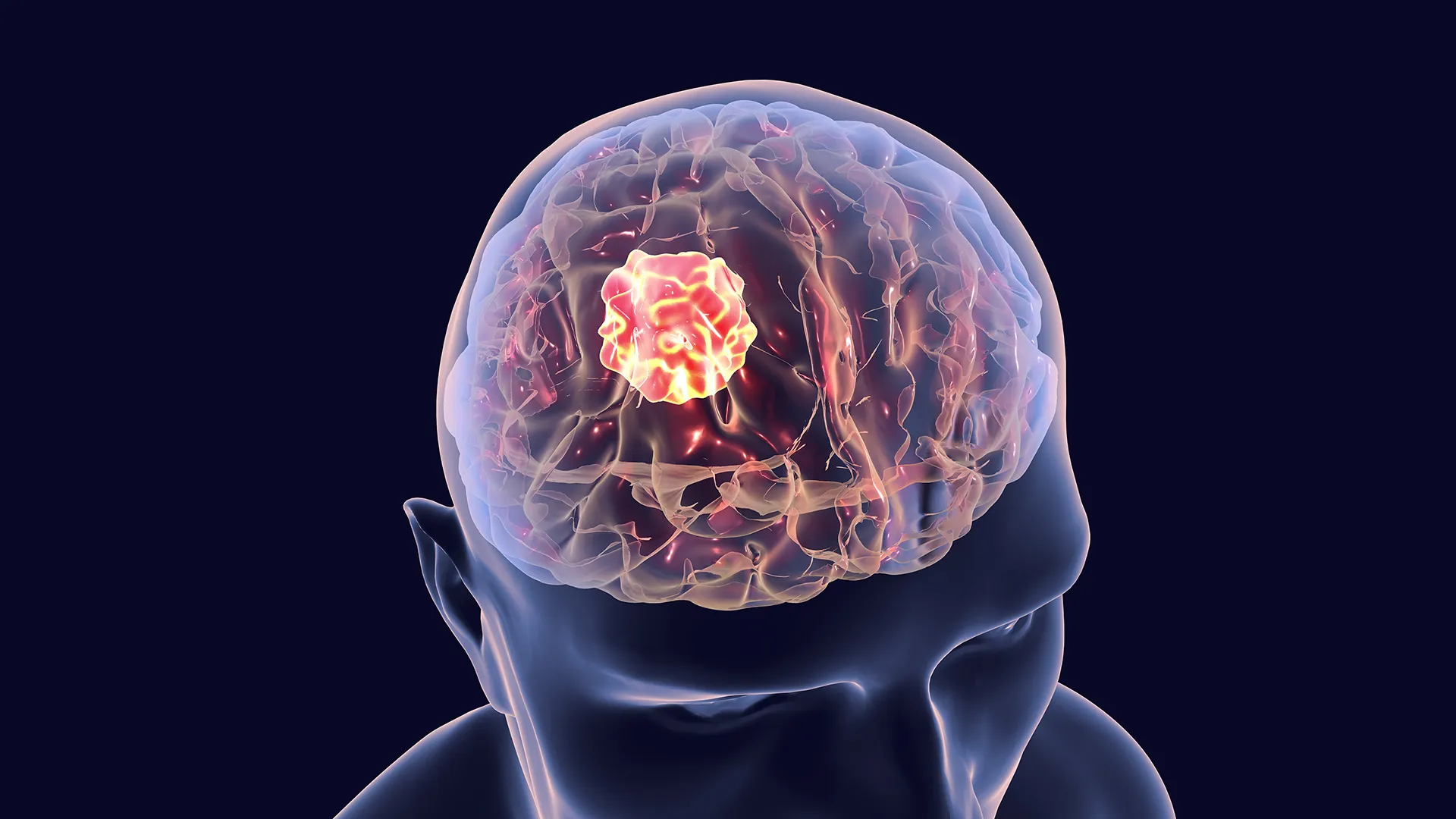
A new study spearheaded by researchers at Keck Medicine of USC has illuminated a potentially transformative combination therapy for glioblastoma, a formidable brain tumor diagnosis notorious for its aggressive nature and the scarcity of effective treatment options. This research suggests that integrating Tumor Treating Fields therapy (TTFields) with immunotherapy (pembrolizumab) and chemotherapy (temozolomide) could significantly extend survival for patients grappling with this devastating disease. Given that the National Brain Tumor Society reports an average survival of just eight months for glioblastoma patients, these findings represent a critical advancement in neuro-oncology.
Understanding Glioblastoma: A Formidable Foe
Glioblastoma multiforme (GBM) stands as the most common and aggressive malignant primary brain tumor in adults. Characterized by its rapid growth, highly infiltrative nature, and profound resistance to conventional therapies, GBM poses an immense challenge to medical science. Annually, approximately 12,000 new cases are diagnosed in the United States, with an incidence rate of about 3.2 per 100,000 people. The median survival rate, even with aggressive treatment, rarely exceeds 15-20 months, underscoring the urgent need for innovative therapeutic strategies.
The tumor’s formidable nature stems from several factors. It invades surrounding brain tissue, making complete surgical resection almost impossible. Furthermore, the blood-brain barrier, a protective physiological mechanism, often impedes the delivery of therapeutic agents to the tumor site. Perhaps most critically, glioblastoma creates a highly immunosuppressive microenvironment, effectively shielding itself from the body’s natural immune response and rendering many modern immunotherapies ineffective when used in isolation. The standard of care for newly diagnosed glioblastoma typically involves maximal surgical resection followed by radiation therapy and concomitant temozolomide (TMZ) chemotherapy, an approach that has remained largely unchanged for nearly two decades. Despite these efforts, recurrence is almost inevitable, and prognosis remains grim.
A Novel Therapeutic Alliance: Unpacking the Combination
The USC study proposes a triple-pronged attack, leveraging the unique mechanisms of Tumor Treating Fields, a potent immune checkpoint inhibitor, and a foundational chemotherapy agent.
-
Tumor Treating Fields (TTFields) Explained: TTFields therapy, delivered via a medical device like Optune, is a non-invasive, loco-regional treatment that utilizes low-intensity, alternating electric fields to disrupt cancer cell division. The mechanism involves the precise targeting of electric fields directly into tumors, which exert physical forces on key intracellular components during mitosis. These oscillating fields push and pull polar macromolecules within the dividing cell, hindering microtubule assembly and causing mitotic arrest, ultimately leading to apoptosis (programmed cell death). For glioblastoma, TTFields are administered through a set of mesh electrodes strategically placed on the patient’s scalp, generating fields at a precise frequency and intensity focused on the tumor. Patients typically wear the device for approximately 18 hours a day, allowing for continuous disruption of tumor growth. The therapy was first approved by the FDA in 2011 for recurrent glioblastoma and later in 2015 for newly diagnosed glioblastoma in combination with temozolomide, marking a significant, albeit modest, improvement in survival.
-
Immunotherapy’s Potential and Glioblastoma’s Evasion: Pembrolizumab (brand name Keytruda), the immunotherapy agent used in this study, is an immune checkpoint inhibitor (ICI). ICIs work by blocking specific proteins (checkpoint proteins) on immune cells or cancer cells that prevent the immune system from attacking the cancer. By disarming these checkpoints, ICIs essentially "release the brakes" on the body’s T cells, enabling them to recognize and destroy cancer cells more effectively. While ICIs have revolutionized the treatment of numerous cancers, including melanoma, lung cancer, and kidney cancer, their efficacy in glioblastoma has been notably limited when used as a monotherapy. This is largely attributed to the brain’s unique immune environment, specifically the blood-brain barrier which restricts T cell infiltration, and the profound immunosuppressive milieu created by the glioblastoma itself, which actively suppresses immune cell function.
-
Temozolomide (TMZ) – The Chemotherapy Backbone: Temozolomide is an oral alkylating agent that serves as the cornerstone of chemotherapy for glioblastoma. It works by damaging the DNA of cancer cells, thereby inhibiting their growth and division. Despite its established role, TMZ alone offers limited survival benefits, highlighting the need for synergistic approaches.
Synergistic Mechanism: Unlocking the Immune Response Within the Tumor
The breakthrough of the USC study lies in its demonstration of how TTFields can overcome glioblastoma’s inherent immune evasion. Researchers observed that TTFields not only directly impede tumor cell proliferation but also actively attract tumor-fighting T cells—a type of white blood cell critical for immune surveillance—into and around the glioblastoma. This influx of T cells represents a crucial first step in mounting an effective immune response.
Dr. David Tran, MD, PhD, chief of neuro-oncology with Keck Medicine, co-director of the USC Brain Tumor Center, and corresponding author of the study, articulated this synergy: "By using TTFields with immunotherapy, we prime the body to mount an attack on the cancer, which enables the immunotherapy to have a meaningful effect in ways that it could not before." He further elaborated on the concept of "in situ immunization," theorizing that TTFields initiate an immune reaction directly within the tumor, bypassing the challenges posed by the blood-brain barrier and the tumor’s immunosuppressive environment.
Once TTFields facilitate the presence and initial activation of T cells within the tumor microenvironment, immunotherapy (pembrolizumab) steps in to amplify this response. The immune checkpoint inhibitor ensures these T cells remain active longer and are continually replaced by even stronger, more effective tumor-fighting T cells. This combined approach transforms the tumor’s environment from an immune desert into an active battleground. Dr. Tran aptly described it as a "team sport," where "immunotherapy sends players in to attack the tumor (the offense), while TTFields weaken the tumor’s ability to fight back (the defense). And just like in team sports, the best defense is a good offense."
A particularly intriguing observation from the study was that patients with larger, unresected (not surgically removed) tumors showed an even stronger immune response to TTFields and lived longer. This counter-intuitive finding suggests that a larger tumor burden might provide more targets for the therapy to work against, thereby enhancing the kick-starting of the body’s immune response. This insight could have profound implications for patients for whom surgical resection is not an option due to tumor location or other medical contraindications.
Study Methodology and Landmark Findings from 2-THE-TOP
The findings are derived from the 2-THE-TOP, a Phase 2 clinical trial. This trial enrolled 31 newly diagnosed glioblastoma patients who had completed their initial chemoradiation therapy. Of this cohort, 26 received the innovative triple combination therapy: TTFields, chemotherapy (temozolomide), and immunotherapy (pembrolizumab). Notably, seven of these 26 patients presented with inoperable tumors due to their challenging anatomical locations—a subgroup typically associated with the direst prognosis and severely limited treatment options.
The treatment regimen involved patients receiving six to 12 monthly treatments of chemotherapy alongside TTFields for up to 24 months, with the duration tailored to individual patient response. The immunotherapy was administered every three weeks, commencing with the second dose of chemotherapy, also for up to 24 months.
The results were compelling. Patients who underwent the triple combination therapy lived approximately 10 months longer than historical control patients who had previously used TTFields combined with chemotherapy alone. Even more striking was the outcome for the high-risk subgroup: those with large, inoperable tumors lived approximately 13 months longer and exhibited a significantly stronger immune activation compared to patients who underwent surgical removal of their tumors. "Further studies are needed to determine the optimal role of surgery in this setting, but these findings may offer hope, particularly for glioblastoma patients who do not have surgery as an option," Dr. Tran stated, underscoring the potential paradigm shift for this vulnerable patient population.
Historical Context and the Evolution of Glioblastoma Treatment
The history of glioblastoma treatment has been marked by incremental progress and numerous setbacks. For decades, the prognosis remained unchanged, with surgery and radiation offering minimal long-term benefits. The introduction of temozolomide in the early 2000s, based on the landmark Stupp trial, was a significant milestone, adding a few months to overall survival and establishing the current standard of care. However, since then, major breakthroughs have been scarce.
The approval of TTFields therapy, delivered via the Optune device, represented another crucial step forward, demonstrating improved overall survival when added to standard chemotherapy. Yet, even with these advances, the median survival remained discouragingly low, often less than two years. The advent of immunotherapy, while revolutionary for many cancers, initially disappointed in glioblastoma. Clinical trials exploring single-agent immune checkpoint inhibitors showed limited efficacy, reinforcing the notion that glioblastoma’s unique biology rendered it largely impervious to such treatments. This context makes the USC study’s findings particularly noteworthy, as it suggests that the failure of immunotherapy in glioblastoma was not due to an inherent lack of potential, but rather the need for a priming mechanism like TTFields to activate the immune system effectively within the tumor. This combination approach reflects a broader trend in oncology, where multi-modality therapies are increasingly recognized as the key to overcoming complex cancer resistance mechanisms.
Expert Perspectives and Broader Implications
The neuro-oncology community has long sought a breakthrough for glioblastoma, and the USC study provides a robust basis for optimism. The significant increase in overall survival, particularly for patients with unresected tumors, challenges existing paradigms and offers a ray of hope for a patient population traditionally facing a bleak prognosis. This research could redefine the treatment landscape for glioblastoma, potentially establishing a new standard of care that integrates physical therapy (TTFields) with pharmacological agents (chemotherapy and immunotherapy).
For patients and their families, these findings translate into the promise of precious extra months of life, with potentially improved quality of life due to the non-invasive nature of TTFields and the targeted action of immunotherapy. From a healthcare systems perspective, while the individual components of this therapy are costly, the potential for extended survival and reduced recurrence could lead to long-term benefits, including decreased hospitalization rates and improved patient outcomes. The study’s implications extend beyond glioblastoma, suggesting that the principle of using a local therapy to induce an immune response that can then be amplified by systemic immunotherapy could be applicable to other challenging cancers with immunosuppressive microenvironments.
The Road Ahead: Phase 3 and Future Research
Validation of these promising Phase 2 results in a larger, multicenter Phase 3 clinical trial is the critical next step. Keck Medicine is actively participating in this pivotal trial, with Dr. Tran, who has dedicated over a decade to researching TTFields, serving as the chair of its steering committee. Dr. Frances Chow, a neuro-oncologist with USC Norris, is the principal investigator for the Keck Medicine study site.
This ambitious Phase 3 trial, which is currently open at 28 sites across the United States, Europe, and Israel, aims to enroll over 740 patients through April 2029. The trial design specifically includes patients with gross total resection, partial resection, or biopsy-only tumors. This comprehensive approach will allow researchers to rigorously assess how the extent of surgical tumor removal influences the immune response and the overall efficacy of the triple combination therapy, providing crucial data for refining treatment protocols.
Beyond the ongoing Phase 3 trial, future research avenues could explore the identification of biomarkers to predict patient response, optimize treatment duration and intensity, and investigate other potential combination partners for TTFields. The insights gained from understanding the immune activation in glioblastoma could also pave the way for developing novel immunotherapeutic strategies tailored specifically for brain tumors.
Keck School of Medicine of USC authors of this study include Dongjiang Chen, PhD, assistant professor of research neurological surgery; Son Le, PhD, assistant professor of research neurological surgery; Harshit Manektalia, research programmer; Ming Li, PhD, professor of research population and public health sciences; and Adam O’Dell, research lab specialist. Ashley Ghiaseddin, MD, and Maryam Rahman, MD, MS, colleagues from the University of Florida, also contributed to this work.
This study was funded by a grant from Novocure, which manufactures Optune, the TTFields device used in this study. Dr. Tran has received honoraria from Novocure for consultant work. Chen and Tran are inventors of two patent applications related to work reported in this study.
