
 By admin
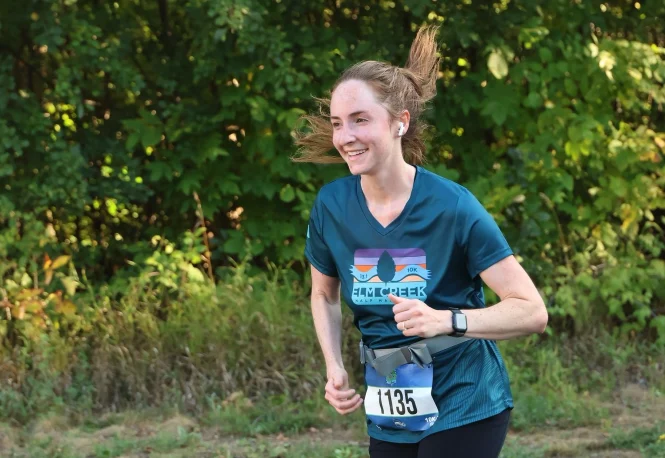
The Medtronic Twin Cities Marathon weekend serves as a cornerstone of the autumnal sporting calendar in the Upper Midwest, drawing upwards of 30,000 participants and 300,000 spectators to the streets of Minneapolis and St. Paul. While the event is renowned for its scenic course—often billed as the Most Beautiful Urban Marathon in America—it also functions as a massive engine for regional philanthropy. Among the thousands of athletes navigating the 26.2-mile course and its associated shorter distances, Team CCRF stands out as a dedicated contingent running for the Children’s Cancer Research Fund (CCRF). This year, the team is anchored by individuals whose professional and personal lives are inextricably linked to the fight against pediatric malignancies, including a medical physicist, a veteran volunteer and father of a survivor, and a burgeoning researcher.
The participation of Team CCRF comes at a critical juncture for pediatric oncology. While survival rates for many childhood cancers have improved significantly over the last several decades, cancer remains the leading cause of death by disease for children in the United States. According to data from the National Cancer Institute, approximately 15,000 children and adolescents under the age of 20 are diagnosed with cancer each year. Despite these figures, pediatric cancer research historically receives a fraction of the federal funding allocated to adult cancers, leaving a substantial gap that private organizations like CCRF must fill. Since its inception, CCRF has contributed over $200 million to research, much of it centered at the University of Minnesota, and the funds raised during the marathon weekend are vital to sustaining this momentum.
The Professional Intersection: Rachael Blair’s Mission
For Rachael Blair, the transition from the clinical environment to the marathon course is a natural extension of her daily commitment to patient care. As a medical physicist in radiation oncology, Blair operates at the intersection of medicine and high-level physics, ensuring that radiation treatments are delivered with the precision necessary to destroy tumors while sparing the healthy, developing tissue of pediatric patients. In the field of oncology, the margin for error is razor-thin, particularly when treating children whose bodies are still growing and are more susceptible to the long-term side effects of radiation.
Blair’s decision to join Team CCRF was motivated by the desire to bridge the gap between her technical role and the broader community effort to fund safer, more effective treatments. In her professional capacity, she witnesses the grueling reality of treatment protocols that can last months or years. "Being able to participate in the race while representing Children’s Cancer Research Fund makes the experience even more meaningful," Blair noted, emphasizing that the physical challenge of the race pales in comparison to the resilience shown by the children she serves.
Training for the half marathon, Blair has set a rigorous performance goal of finishing in under two hours. For a medical physicist accustomed to data-driven results, the training process is both a personal challenge and a form of stress management. The Twin Cities Marathon route, which winds through the chain of lakes in Minneapolis and finishes at the Minnesota State Capitol in St. Paul, provides a backdrop that Blair finds restorative. However, the ultimate motivation remains the philanthropic impact; she noted that every donation received serves as a psychological catalyst during the most difficult segments of her training runs.
A Legacy of Survival: Greg Kaiser and the Power of Advocacy
While Blair represents the clinical side of the cause, Greg Kaiser embodies the lived experience of a family impacted by a pediatric cancer diagnosis. His involvement with CCRF spans decades, rooted in his daughter Liz’s diagnosis with osteosarcoma. Osteosarcoma is a type of bone cancer that typically develops during the growth spurts of adolescence. Twenty years ago, the prognosis for such a diagnosis carried immense uncertainty, but today Liz stands as a two-decade survivor, a testament to the advancements in surgical techniques and chemotherapy protocols funded by organizations like CCRF.
Kaiser’s commitment to the cause is multifaceted. He has transitioned from a grateful parent to a proactive advocate, previously serving as the organization’s mascot, C.C. Bear, to bring levity and joy to children undergoing treatment. This year, he returns to the pavement for the TC 10 Mile, a popular event held on the same weekend as the full marathon. For Kaiser, the act of running is secondary to the act of remembrance and awareness.
"Fundraising gives my running a purpose beyond completing the race," Kaiser explained. His participation serves as a visible reminder of the long-term success stories that research can produce. In the context of philanthropic events, personal narratives like the Kaisers’ are essential for donor engagement. By sharing his daughter’s journey, Kaiser provides a tangible example of what "success" looks like in the world of pediatric oncology, encouraging others to invest in the next generation of survivors.
The Future of Research: Ryan Fahey’s Academic Contribution
The third pillar of the Team CCRF narrative this year is Ryan Fahey, a student research assistant at the University of Minnesota. Fahey’s work is situated at the very tip of the spear in the search for new cures. He contributes to projects specifically funded by CCRF, including investigations into the underlying causes of leukemia—the most common form of childhood cancer—and predictive modeling for the incidence rates of pediatric hepatoblastoma, a rare form of liver cancer.
Fahey’s dual role as a researcher and an athlete highlights the cyclical nature of the marathon’s impact. The funds raised by runners like Blair and Kaiser often end up supporting the laboratories where Fahey and his colleagues work. By participating in the half marathon, Fahey is effectively "running for his work," leveraging his personal community to support the professional infrastructure of the University of Minnesota’s research divisions.
His athletic goals are as ambitious as his academic ones. Fahey is aiming for a podium finish in the half marathon, with a target time of 1 hour and 26 minutes. This level of performance requires an elite training regimen, mirroring the intensity and discipline required in the laboratory. For Fahey, the marathon weekend is an opportunity to show the public that the "researchers in lab coats" are also active members of the community, deeply invested in the success of the mission both inside and outside the clinic.
Historical Context and Economic Impact of the Marathon
The Medtronic Twin Cities Marathon weekend is more than just a race; it is a massive civic undertaking with a history dating back to 1982. The event was formed by the merger of the St. Paul Marathon and the City of Lakes Marathon, designed to foster unity between the two cities. Over the decades, it has grown into a premier qualifying event for the Boston Marathon and a major economic driver for the region.
According to economic impact studies of similar major city marathons, the weekend likely generates tens of millions of dollars in local spending, from hotel stays to restaurant revenue. However, the "charity bib" system is perhaps its most significant social contribution. Organizations like CCRF utilize the marathon as a platform for peer-to-peer fundraising, a model that has become increasingly vital as traditional grant funding becomes more competitive.
The 2024 event is particularly significant following the unexpected cancellation of the 2023 marathon due to record-breaking heat and humidity. The cancellation left many charity runners without a finish line, though most chose to honor their fundraising commitments regardless. The return of the race this year represents a "rebound" for both the running community and the nonprofit partners who rely on the event’s visibility.
Analysis of Implications for Pediatric Oncology
The participation of Team CCRF athletes underscores a broader trend in medical research: the necessity of community-led funding. In the current fiscal environment, federal agencies like the National Institutes of Health (NIH) often prioritize broad-based research that affects larger populations, which can inadvertently sideline "orphan diseases" or rare pediatric cancers.
Private philanthropy, driven by events like the Twin Cities Marathon, allows for "high-risk, high-reward" research. These funds often act as seed money, allowing researchers like Fahey to gather the preliminary data necessary to apply for larger federal grants. Furthermore, the awareness raised by runners like Blair and Kaiser helps de-stigmatize the reality of childhood cancer, moving the conversation from one of tragedy to one of actionable hope.
As the runners cross the finish line near the State Capitol, the impact of their miles will extend far beyond the weekend. The funds raised will be channeled into precision medicine, genomic sequencing, and the development of less toxic therapies that ensure survivors not only live but thrive. The stories of Rachael Blair, Greg Kaiser, and Ryan Fahey are individual threads in a larger tapestry of resilience, representing the clinical, personal, and academic fronts of a unified battle. Through their efforts, the Medtronic Twin Cities Marathon continues to prove that every mile run can indeed bring the medical community one step closer to a cure.
