
 By admin
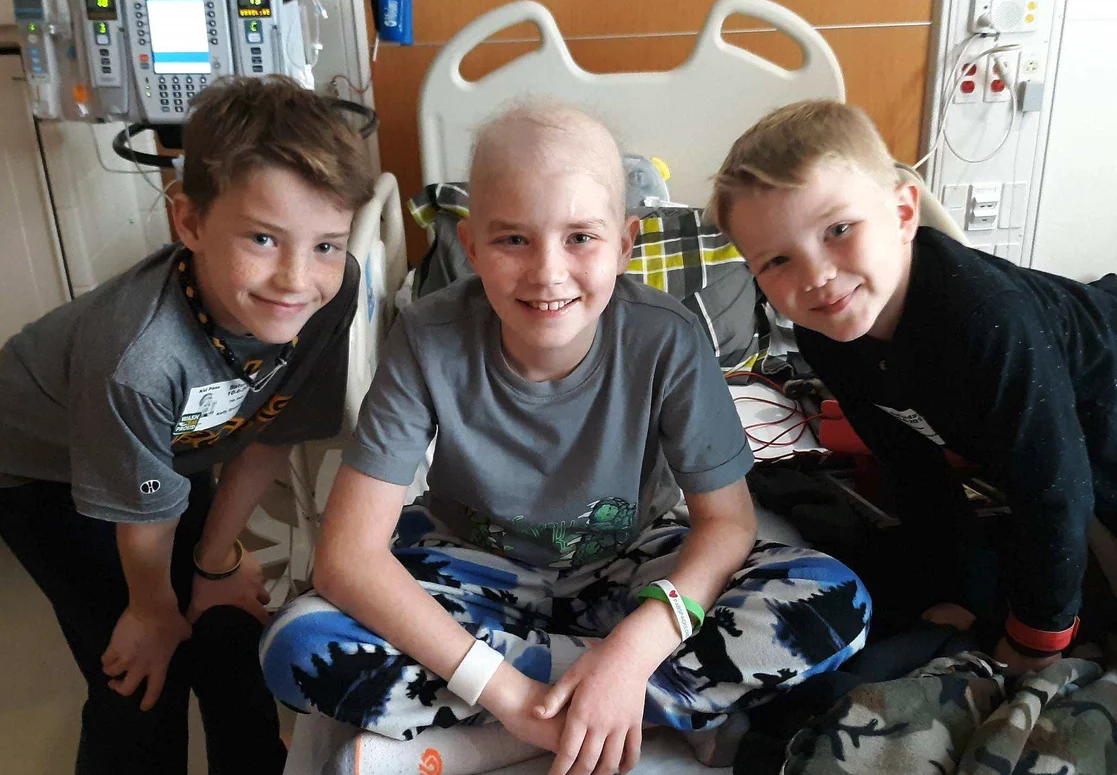
When Cole was diagnosed with an aggressive form of pediatric cancer at the age of 11, his immediate concerns were binary: the existential threat of the disease and the immediate loss of his identity as a hockey player. For many pediatric patients, the conclusion of active treatment is heralded as the end of the war. However, as Cole’s journey into his late teens reveals, the eradication of malignant cells is often merely the conclusion of the first chapter. Now 19 and a professionally trained chef, Cole’s transition from a hospital ward to the high-pressure kitchens of Switzerland and Montana highlights a critical, often overlooked gap in pediatric oncology: the long-term psychological and behavioral "late effects" that follow clinical remission.
The Clinical Onset: Understanding Burkitt’s Lymphoma
In 2018, Cole was diagnosed with Burkitt’s lymphoma, a highly aggressive B-cell non-Hodgkin lymphoma. This specific malignancy is known for its rapid doubling time; it is among the fastest-growing human tumors. In Cole’s case, the tumor manifested behind his nasal cavity, causing debilitating pressure and agonizing pain that he described as feeling like water trapped deep within the ears, accompanied by relentless headaches.
The standard of care for Burkitt’s lymphoma involves intensive, multi-agent chemotherapy. From August to December 2018, Cole’s life was defined by the sterile confines of a hospital. His regimen included four and a half rounds of high-dose chemotherapy, multiple surgical interventions, and frequent lumbar punctures—a procedure where a needle is inserted into the spinal canal to deliver prophylactic chemotherapy to the central nervous system or to check for the spread of cancer cells.
While the physiological toll was immense, the clinical outcome was successful. By February 2019, Cole’s cancer was in remission. He returned to school, attempting to resume the trajectory of a normal sixth-grade student. At the time, the transition appeared seamless. He rejoined his social circles and eventually returned to the hockey rink. However, beneath the surface of this apparent recovery, the "late effects" of intensive treatment were beginning to take root.

The Survivorship Gap: Psychological and Cognitive Aftershocks
Medical literature increasingly identifies a "survivorship gap" in pediatric oncology. While survival rates for childhood cancers have climbed to over 85%, the focus of the medical community is often weighted heavily toward acute treatment rather than long-term psychological integration. Research published in the Journal of Clinical Oncology indicates that pediatric cancer survivors are at a significantly higher risk for anxiety, depression, and post-traumatic stress disorder (PTSD) compared to their peers.
Cole began to experience cognitive impairments commonly referred to as "chemo brain." These include deficits in executive function, short-term memory loss, and reduced processing speed. For a student returning to a competitive academic and athletic environment, these limitations required doubling his effort to maintain parity with his classmates. This constant cognitive strain, combined with the trauma of his near-death experience, created a fragile psychological foundation.
In 2020, two years post-treatment, external pressures reached a breaking point. The global COVID-19 pandemic necessitated social isolation, removing the peer support systems that had facilitated Cole’s initial re-entry into society. Simultaneously, his family structure underwent a significant shift as his parents navigated a divorce. This convergence of isolation, familial instability, and the lingering trauma of cancer treatment catalyzed a mental health crisis.
The Descent into Substance Abuse and Behavioral Risks
The transition from "survivor" to "struggling teen" was marked by a shift toward self-harm and substance abuse. By the age of 15, Cole had begun self-medicating with marijuana, nicotine, and alcohol to manage what he described as "negative thought spirals." The crisis peaked the day after his 15th birthday when he arrived at school intoxicated and was subsequently transported to the emergency room.
This incident highlighted a common but rarely discussed phenomenon among survivors: the "guilt of the spared." In the emergency room, medical staff reminded Cole of the effort expended to save his life, inadvertently adding a layer of suffocating guilt to his existing depression.
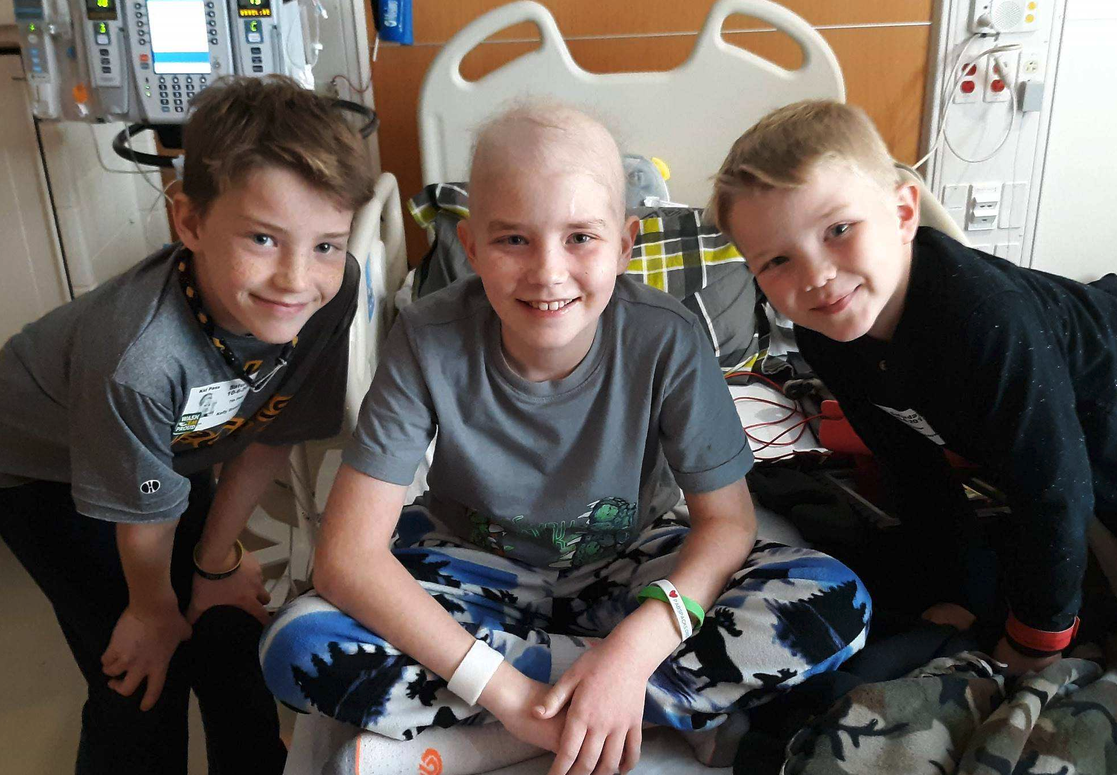
Cole’s mother, Kelly, noted a stark disparity in the support systems available for cancer versus those available for mental health. During Cole’s chemotherapy, a robust community of support—financial, emotional, and social—surrounded the family. However, when the battle shifted to substance abuse and behavioral health, that community largely evaporated. "It was easier to find community during chemo," Kelly observed. "When your kid starts acting out… parents pull away, and you’re left really isolated."
Statistics from the American Cancer Society suggest that adolescent and young adult (AYA) cancer survivors are more likely to engage in risk-taking behaviors, including substance abuse, than the general population. The lack of proactive mental health screening post-remission often leaves families like Cole’s blindsided by these developments.
The Therapeutic Failure of Conventional Methods
While Kelly successfully advocated for Cole to attend therapy, the traditional clinical setting proved insufficient for his specific needs. For Cole, the weekly sessions felt like an additional source of pressure—a demand to "get better" on a linear timeline that did not match the reality of his recovery.
Cole noted that while he understood the strategies recommended by therapists—such as physical activity and mindfulness—knowing what to do did not always translate to feeling better. The "all or nothing" approach to healing, where any setback was viewed as a total failure, exacerbated his anxiety. He realized that the pressure to achieve a state of "perfect health" was, in itself, a barrier to his recovery.
The Culinary Turning Point: Discipline as Therapy
The catalyst for Cole’s recovery was not found in a clinical setting, but in the high-stakes, fast-paced environment of a commercial kitchen. At 15, he began working as a dishwasher at a casino restaurant. The environment offered something therapy could not: immediate, tangible goals and a high-pressure "flow state" that demanded his total focus.
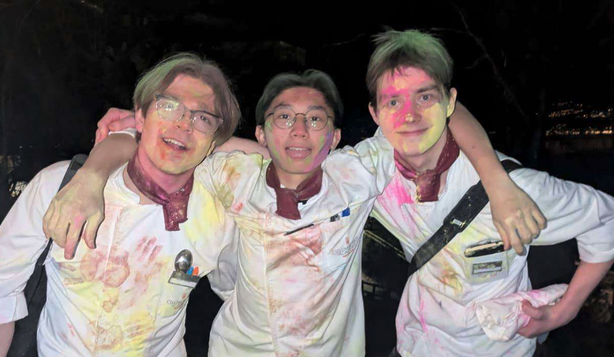
The executive chef at the restaurant recognized Cole’s potential and issued an ultimatum: if Cole improved his grades, remained sober, and maintained his behavioral standards, he would be moved from the dish pit to the cooking line upon turning 16. This provided Cole with a sense of purpose and a structured path forward.
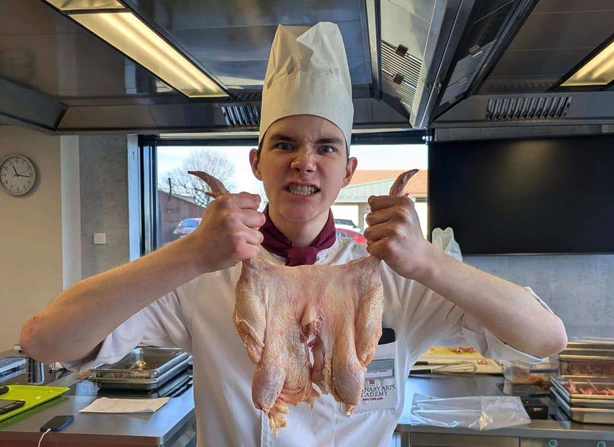
For the next three summers, Cole worked his way through the hierarchy of the kitchen, moving from the grill to the sauté station and eventually mastering the ovens and broilers. The "constant pressure" of the kitchen served as a form of occupational therapy. "Your project is due in 20 minutes because you have to get the food out," Cole explained. This immediate accountability redirected his focus away from internal negative thought cycles and toward external professional excellence.
Professional Training and Global Aspirations
By the time he was 18, Cole had transitioned from a struggling survivor to a promising culinary professional. In the fall of 2026, he enrolled in a prestigious culinary school in Switzerland. The international program provided him with a global network and advanced technical training, leading to internships in high-end hotels.
Currently working in Montana, Cole is honing his skills alongside veteran chefs. His goal is to build a reputation within international hotel chains, with a specific focus on returning to Europe to establish himself as a premier chef. While he acknowledges that he still faces mental health challenges and is working through a nicotine addiction, his approach to life has shifted from "all or nothing" to a focus on incremental progress.
Analysis: The Need for Integrated Survivorship Care
Cole’s story serves as a case study for the necessity of integrated, long-term survivorship care in pediatric oncology. His experience suggests several key areas for systemic improvement:
- Proactive Psychological Screening: Mental health support should not be reactive. It should be an integrated component of the "survivorship plan" provided to every family upon the completion of cancer treatment.
- Addressing the "Support Cliff": There is a need for community-based programs that bridge the gap between the end of medical treatment and the challenges of long-term recovery, particularly for adolescents who face unique developmental hurdles.
- Alternative Therapeutic Outlets: For some survivors, traditional talk therapy may be less effective than vocational or goal-oriented therapy. Recognizing the value of structured, high-engagement environments—like the culinary arts—could provide new avenues for healing.
- Education on "Late Effects": Families need to be educated on the potential for behavioral and cognitive changes post-chemotherapy, reducing the stigma and isolation when these issues inevitably arise.
Cole’s journey from a cancer ward in 2018 to a professional kitchen in 2027 is a testament to the resilience of the human spirit. However, it also serves as a reminder that for many children, the end of cancer is only the beginning of a much longer, more invisible struggle for health. By focusing on "one thing at a time," Cole has moved beyond mere survival, carving out a future defined not by his diagnosis, but by his craft.
