
 By Lina carolina
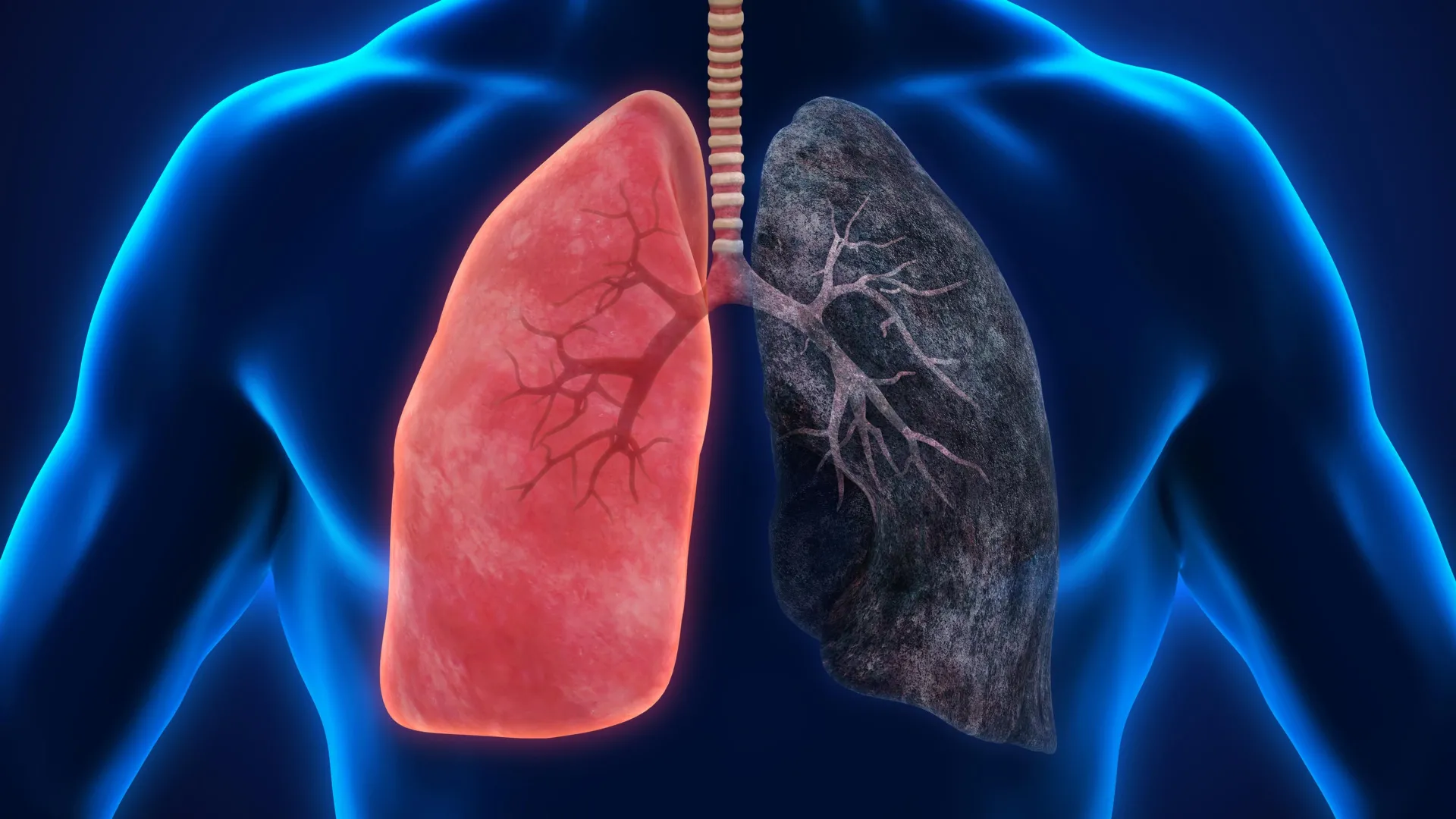
A groundbreaking study, led by researchers at the Harvard T.H. Chan School of Public Health, has provided the first direct evidence that exposure to fire smoke can fundamentally alter the human immune system at a cellular level. Published on June 26 in the prestigious journal Nature Medicine, the research details how the complex cocktail of pollutants found in fire smoke—ranging from fine particulate matter and toxic gases to chemical compounds like PFAS, heavy metals, and carcinogens—can trigger significant and potentially long-lasting changes in immune cells. This discovery fills a critical knowledge gap, offering a deeper understanding of the insidious ways smoke impacts human health and equipping medical professionals and public health officials with vital information to address the escalating threat posed by increasingly frequent and severe wildfires.
The Invisible Scars of Wildfire Smoke
The pervasive and often unpredictable nature of wildfire smoke has become a growing concern globally. As climate change fuels hotter and drier conditions, the frequency, intensity, and duration of wildfires are projected to increase, leading to widespread smoke events that can blanket vast geographical areas for days or even weeks. These smoke plumes are not merely an annoyance; they are complex mixtures of hazardous substances. The particulate matter, often invisible to the naked eye, can penetrate deep into the lungs, while a myriad of toxic gases, volatile organic compounds (VOCs), and heavy metals released from burning vegetation and structures pose systemic health risks. Among these, perfluoroalkyl and polyfluoroalkyl substances (PFAS), often referred to as "forever chemicals" due to their persistence in the environment, are a significant concern, as they are released when synthetic materials in buildings combust.
Historically, the adverse health effects of smoke exposure have been well-documented, encompassing respiratory distress, cardiovascular problems, neurological impairments, and adverse pregnancy outcomes. However, the precise biological mechanisms underlying these impacts have remained largely elusive. This new research from Harvard offers a crucial piece of that puzzle, pinpointing specific cellular transformations that occur within the immune system following smoke inhalation.
A Deep Dive into Cellular Immunity
The study’s methodology was designed to isolate and meticulously examine the immune system’s response. Researchers recruited two distinct groups of adult participants, carefully matched for age, sex, and socioeconomic status to minimize confounding variables. The first group comprised 31 individuals—a mix of firefighters who regularly face smoke exposure and civilians who had recently experienced it—who had been exposed to fire smoke within the preceding month. The second group consisted of 29 individuals who had no recent or prior history of significant smoke exposure. Crucially, all participants were in good health, with no acute or chronic medical conditions, and were not taking any medications that could influence their immune function at the time of blood collection.
To achieve an unprecedented level of detail, the research team employed cutting-edge single-cell multi-omics techniques. This advanced approach allowed them to analyze the genetic and protein expression profiles of individual cells within each blood sample. By combining epigenetic assays, which examine how gene activity is regulated without altering the underlying DNA sequence, with mass cytometry, a powerful technology for analyzing multiple cellular markers simultaneously, and sophisticated bioinformatic tools, the scientists were able to map the intricate landscape of cellular changes.
Unveiling the Immune System’s Alterations
The findings revealed a stark contrast between the smoke-exposed and control groups, highlighting significant cellular-level shifts in immune function. Individuals exposed to fire smoke exhibited a notable increase in memory CD8+ T cells. These cells are critical components of the adaptive immune system, playing a vital role in recognizing and remembering past infections, thus providing long-term immunity. An elevated presence of these cells suggests the immune system is actively responding to the perceived threat, even if that threat is environmental rather than infectious.
Furthermore, the study detected heightened levels of activation and elevated expression of chemokine receptors across various immune cell types in the smoke-exposed individuals. Chemokine receptors are signaling molecules that guide immune cells to sites of inflammation or infection. Their increased activity indicates a state of heightened immune vigilance and inflammatory response, a cellular hallmark of the body’s reaction to harmful stimuli.
Perhaps one of the most significant discoveries was the identification of altered gene expression in 133 genes specifically linked to allergies and asthma. This finding provides a direct cellular link between smoke exposure and the exacerbation or development of these respiratory conditions. The implications are profound, suggesting that smoke can prime the immune system to react more aggressively to allergens, potentially increasing the incidence and severity of allergic diseases in affected populations.
Adding another layer of concern, the analysis revealed that a greater proportion of immune cells in smoke-exposed individuals were found to be bound with toxic metals, including mercury and cadmium. These heavy metals are known to have deleterious effects on cellular function and can contribute to a wide range of chronic health problems. Their presence within immune cells underscores the pervasive nature of smoke contamination within the body.
Expert Perspectives and Implications
Dr. Kari Nadeau, the corresponding author and John Rock Professor of Climate and Population Studies at Harvard T.H. Chan School of Public Health, emphasized the study’s significance. "We’ve known that smoke exposure causes poor respiratory, cardiac, neurological, and pregnancy outcomes, but we haven’t understood how," Dr. Nadeau stated. "Our study fills in this knowledge gap, so that clinicians and public health leaders are better equipped to respond to the growing threat of difficult to contain, toxic wildfires."
Dr. Mary Johnson, the lead author and a principal research scientist in the Department of Environmental Health, echoed this sentiment, highlighting the immune system’s profound sensitivity. "Our findings demonstrate that the immune system is extremely sensitive to environmental exposures like fire smoke, even in healthy individuals," Dr. Johnson commented. "Knowing exactly how may help us detect immune dysfunction from smoke exposure earlier and could pave the way for new therapeutics to mitigate, or prevent altogether, the health effects of smoke exposure and environmental contaminants."
The implications of this research extend far beyond the laboratory, offering critical insights for public health policy and environmental regulation. Dr. Nadeau suggested that a deeper understanding of smoke’s cellular impact could lead to more robust public health campaigns that clearly articulate the dangers of smoke exposure and the importance of heeding evacuation orders during wildfires. Moreover, the study may prompt a re-evaluation of current air quality standards and the thresholds considered "toxic" for smoke exposure, potentially leading to stricter regulations and improved protective measures for vulnerable populations.
Broader Impact and Future Directions
The findings from this Harvard study are timely, given the increasing global burden of wildfires. In recent years, regions across North America, Australia, Europe, and other parts of the world have experienced unprecedented fire seasons, resulting in widespread smoke pollution and significant public health challenges. For instance, the 2023 Canadian wildfire season produced smoke that significantly degraded air quality across large swaths of North America, leading to health advisories and increased emergency room visits for respiratory ailments. Similarly, the Australian bushfires of 2019-2020 had devastating environmental and health consequences, with smoke impacting millions. This study provides a crucial scientific foundation for understanding the long-term health consequences of such events.
The identification of specific cellular pathways affected by smoke exposure opens avenues for targeted interventions. Future research could focus on developing diagnostic tools to identify individuals at higher risk of smoke-induced immune dysfunction and exploring therapeutic strategies to counteract these cellular changes. This might include novel anti-inflammatory agents, immune-modulating therapies, or even specific nutritional interventions designed to bolster the immune system’s resilience against environmental toxins.
The collaborative effort involved a multidisciplinary team from Harvard Chan School, with contributions from researchers Abhinav Kaushik, Olivia Kline, Xiaoying Zhou, and Elisabeth Simonin. The study received substantial funding from federal agencies including the National Institute of Environmental Health Sciences (R01 ES032253), the National Heart, Lung, and Blood Institute (P01 HL152953, T32HL007118), and the National Institute of Allergy and Infectious Diseases (U19AI167903), as well as support from the San Francisco Cancer Prevention Foundation, the Asthma and Allergic Diseases Cooperative Research Center, and the Keck Foundation. This broad support underscores the recognized importance and urgency of this research.
As the world grapples with the escalating challenges of climate change and its cascading effects, understanding the intricate ways environmental hazards impact human health at the most fundamental biological levels is paramount. This study by Harvard researchers represents a significant leap forward in our comprehension of fire smoke’s insidious effects, offering hope for more effective public health strategies and medical interventions in the face of an increasingly smoky future.
