
 By admin
The trajectory of a family’s life can shift in a single evening, often beginning with symptoms that appear benign before escalating into a medical crisis. For the family of a young girl named Amari, the transition from a routine school night to a high-stakes oncological battle began with the discovery of blood in her urine, a condition known medically as hematuria. What was initially perceived as a standard emergency room visit quickly evolved into a complex diagnostic process that concluded in the early hours of the morning. At approximately 3:00 AM, clinicians informed Amari’s mother, Cora H., that imaging had revealed a significant tumor on her daughter’s kidney. This diagnosis marked the family’s entry into the specialized and challenging world of pediatric oncology, specifically facing a diagnosis of Wilms tumor.
Clinical Background and the Complexity of Wilms Tumor
Wilms tumor, or nephroblastoma, is the most common type of kidney cancer in children, accounting for approximately 90% of all pediatric renal malignancies. While the overall survival rate for Wilms tumor has seen significant improvement over the last several decades—now exceeding 90% for localized disease—the specific pathology of the tumor dictates the intensity and success of the treatment. In Amari’s case, the diagnosis was identified as Stage 3 anaplastic Wilms tumor.
The term "anaplastic" refers to the appearance of the cancer cells under a microscope. Anaplastic cells are characterized by large, distorted nuclei, indicating a more aggressive form of the disease that is often more resistant to standard chemotherapy than the "favorable histology" variant. Stage 3 indicates that the tumor has spread beyond the kidney to nearby lymph nodes or structures within the abdomen, but has not yet metastasized to distant organs like the lungs or liver. This classification necessitates a multi-modal treatment approach, typically involving a combination of surgery, intensive chemotherapy, and sometimes radiation.
Innovations in Surgical Intervention: Preserving Renal Function
One of the primary concerns in pediatric renal cancer is the long-term health of the patient, particularly regarding kidney function. Historically, the standard of care for Wilms tumor involved a radical nephrectomy—the total removal of the affected kidney. However, advancements in surgical techniques and preoperative chemotherapy have made "nephron-sparing surgery" a viable option in specific cases.
In Amari’s journey, the medical team initially prepared the family for the total loss of her left kidney. However, following a regimen of chemotherapy designed to shrink the primary tumor, surgeons were able to perform a partial nephrectomy. This complex procedure allowed for the complete excision of the Stage 3 tumor while successfully preserving approximately 60% of the healthy kidney tissue. The preservation of renal mass is a critical factor in survivorship, as it reduces the long-term risk of chronic kidney disease and hypertension later in life.
The Rigors of the Treatment Regimen
Following the successful surgery, the path to remission required an exhaustive 32-week course of chemotherapy. For a pediatric patient, this duration represents a significant portion of their developmental year, involving frequent hospitalizations, systemic exhaustion, and the management of various side effects ranging from nausea to immunosuppression.
The psychological burden on the family during this period is substantial. Cora H. established a family policy of radical transparency, choosing to be honest with Amari and her siblings about the realities of the disease and the necessity of the treatments. This approach is often recommended by child life specialists to help children maintain a sense of agency and trust within the medical environment.
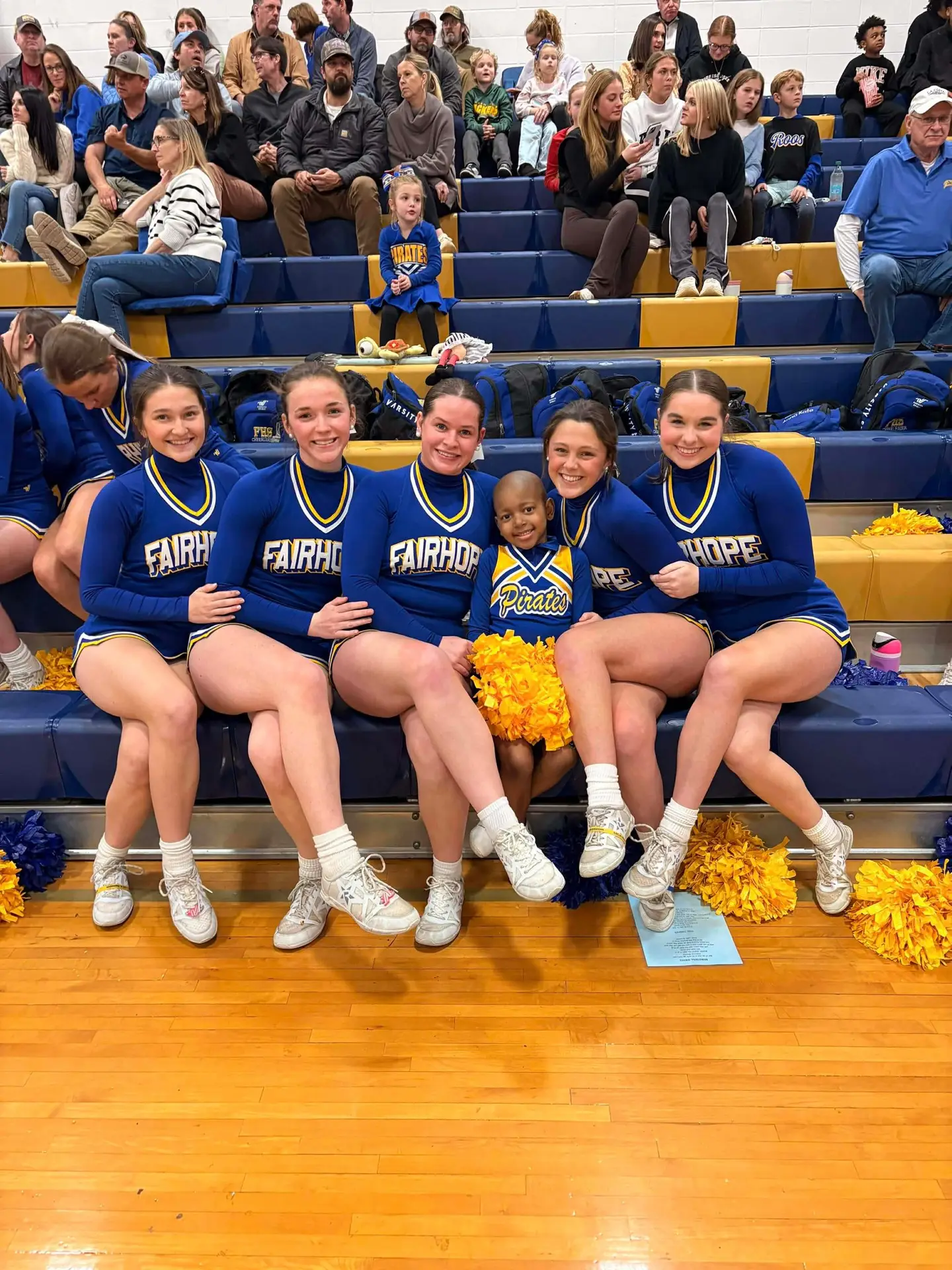
Despite the physical toll of 32 weeks of chemotherapy, Amari continued to engage in activities that maintained her sense of identity and joy. A dedicated cheerleader, she remained connected to her teammates and continued to practice when her health permitted. A highlight of this period was a meeting with the Dallas Cowboys Cheerleaders, an organization she aspires to join in the future. Experts in pediatric psychology note that maintaining such "normalcy" and pursuing personal goals can significantly improve a child’s resilience and mental health outcomes during long-term clinical treatment.
The Symbolic Power of the Bell
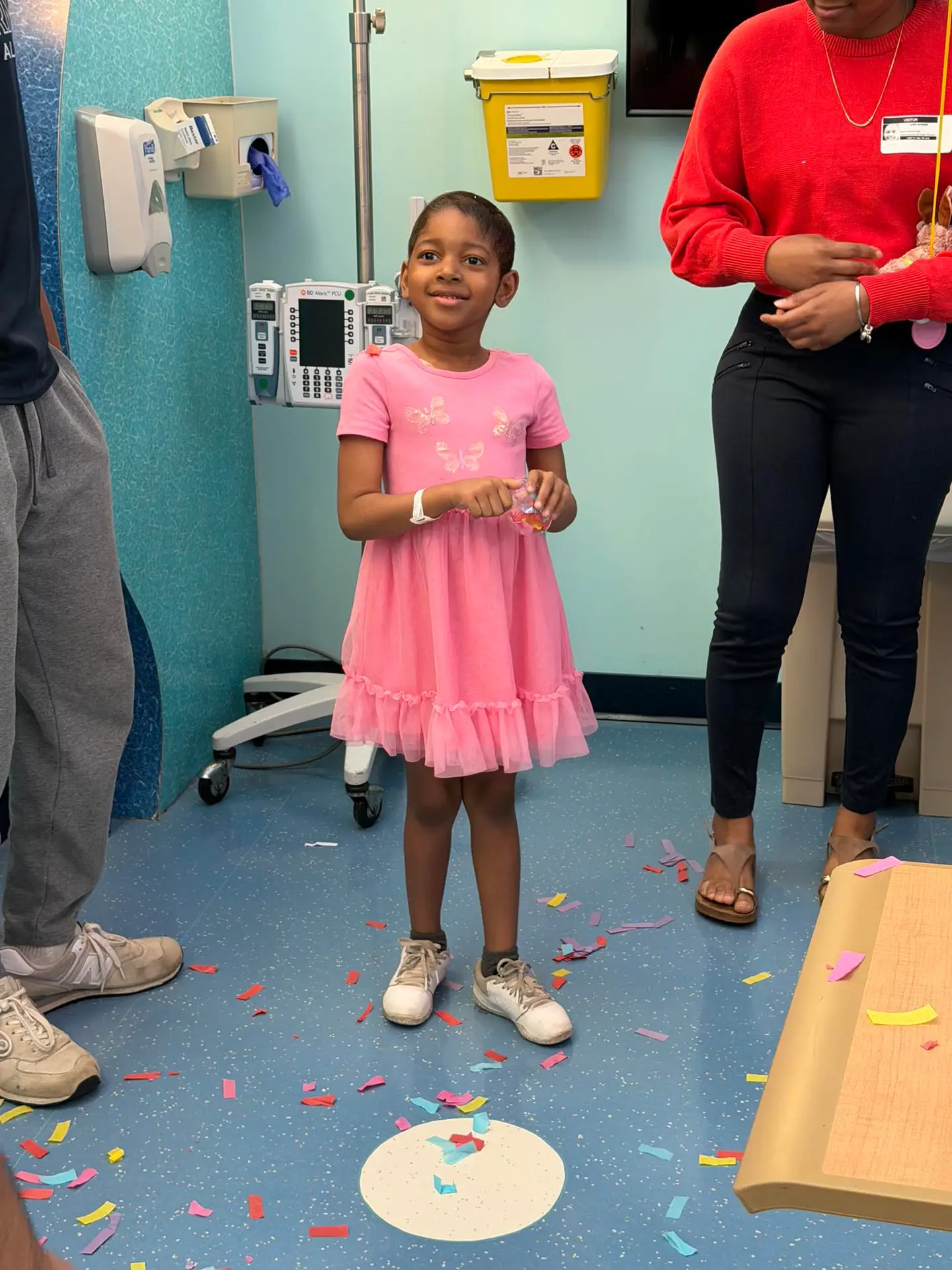
In the field of oncology, "ringing the bell" has become a profound rite of passage. The tradition, which originated at MD Anderson Cancer Center in the 1990s, signifies the completion of active treatment and the transition into the survivorship phase. For Amari and her family, the ceremony was a long-anticipated milestone that they had visualized through videos of other patients during their darkest hours.
Amari’s bell-ringing ceremony was attended by a multidisciplinary team of doctors, nurses, friends, and family. Adding a layer of personal significance, the event occurred on the birthday of her late grandmother. This symbolic conclusion to 32 weeks of intensive therapy serves not only as a celebration for the individual patient but also as a beacon of hope for other families currently navigating the early stages of a pediatric cancer diagnosis. Cora H. emphasized the importance of this moment, stating that the sound of the bell is a memory that remains etched in a parent’s mind forever, representing the triumph of hope over a devastating diagnosis.
Pediatric Cancer Survivorship and Long-term Implications
As of 2024, Amari has officially entered the survivorship phase. However, in pediatric oncology, the end of treatment is not the end of the medical journey. Survivorship involves years of follow-up care to monitor for potential recurrence and the "late effects" of treatment. Because children’s bodies are still developing, the high-dose chemotherapy and radiation used to save their lives can sometimes lead to secondary health issues, including cardiac complications, endocrine disorders, or secondary malignancies.
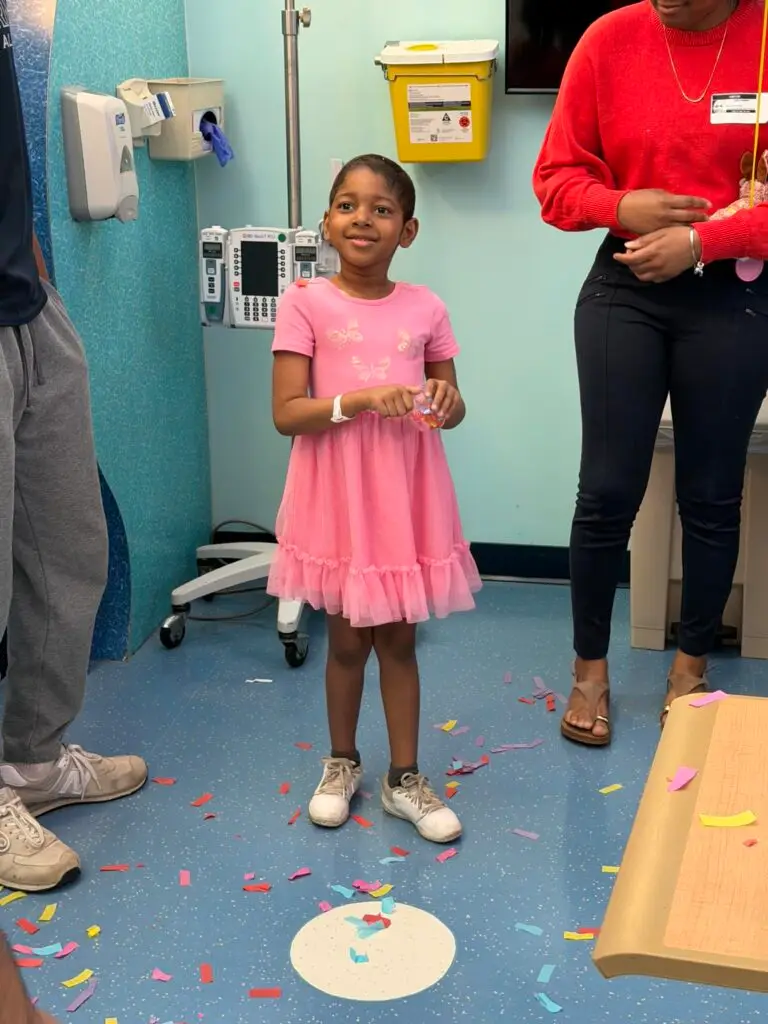
The month of June is designated as National Cancer Survivors Month, a time to recognize the unique challenges faced by the more than 18 million cancer survivors in the United States, including hundreds of thousands who were diagnosed as children. Amari’s story highlights the success of current protocols but also underscores the necessity of continued research.
The Critical Need for Continued Research Funding
While survival rates for many pediatric cancers have improved, certain subtypes, such as anaplastic Wilms tumor, require more targeted therapies to reduce the toxicity of current treatments. Organizations like CureSearch for Children’s Cancer focus on funding research that moves beyond the "one-size-fits-all" approach, seeking treatments that are more effective and less damaging to a child’s growing body.
The economic and social impact of pediatric cancer is profound. Beyond the immediate medical costs, the long-term loss of productivity and the psychological impact on the family unit necessitate a robust support system. Advocacy and public donations play a vital role in bridging the gap between federal funding and the actual costs of developing new pediatric drugs. According to the National Cancer Institute, pediatric cancer research receives only about 4% of the total federal budget for cancer research, making private and non-profit contributions essential for clinical trials and the discovery of new therapeutic agents.
Conclusion: A Legacy of Resilience
Today, Amari is thriving, pursuing interests that range from K-pop and dancing to her continued passion for cheerleading. Her journey from a midnight emergency room visit to ringing the hospital bell serves as a factual testament to the efficacy of modern pediatric oncology and the resilience of the human spirit.
Her case illustrates three critical pillars of modern medicine: the importance of early diagnostic intervention, the life-altering impact of surgical innovation, and the necessity of a strong psychosocial support system. As the medical community continues to observe Cancer Survivors Month, stories like Amari’s provide the empirical evidence needed to advocate for increased research and better support for families facing the reality of a pediatric cancer diagnosis. Through continued investment in medical science and family-centered care, the goal remains to ensure that every child diagnosed with cancer has the opportunity to ring the bell and pursue their dreams.
