
 By George Ongkojoyo
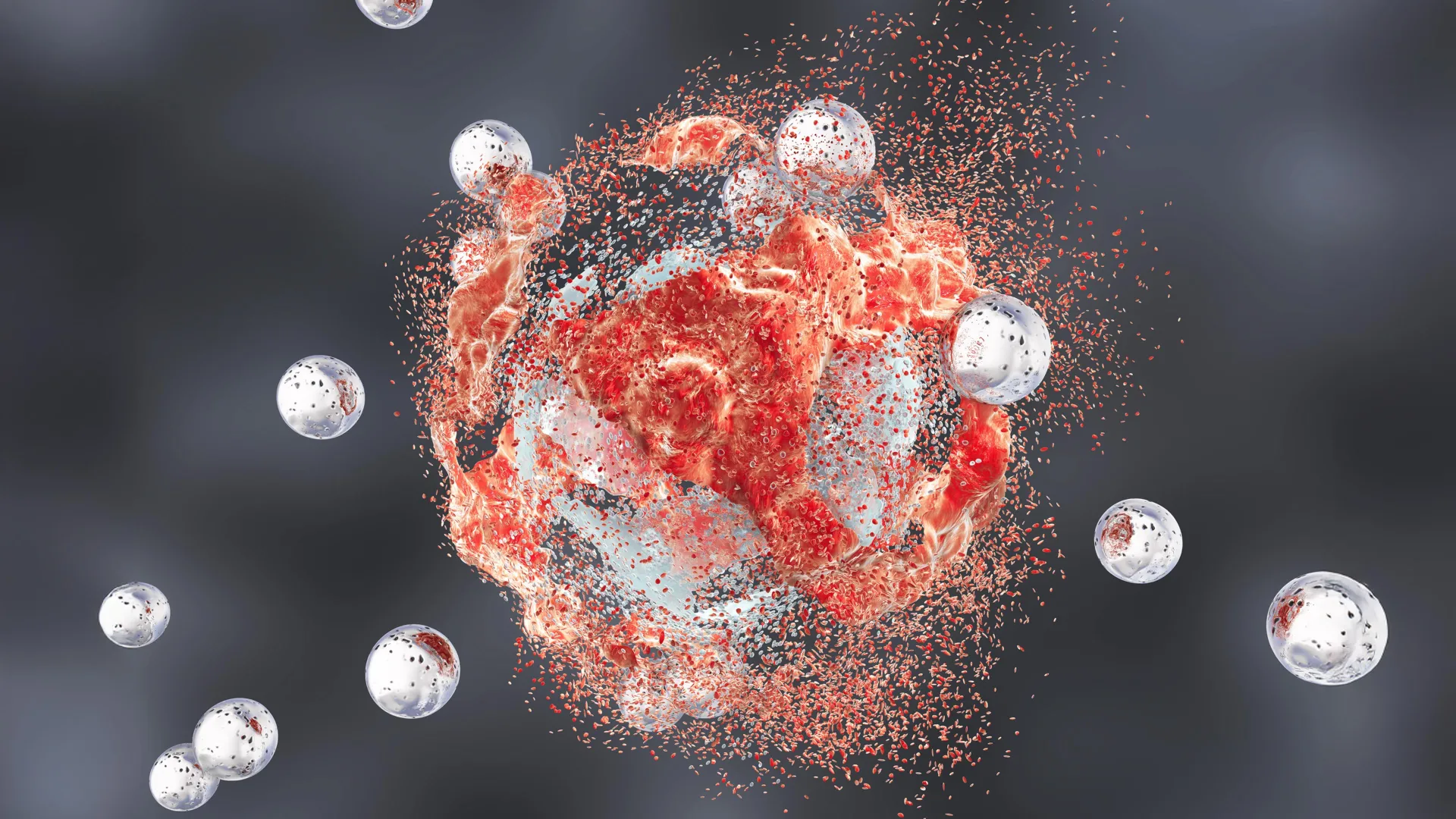
In a landmark study that could redefine the therapeutic landscape for the world’s most aggressive respiratory malignancy, researchers at the Walter and Eliza Hall Institute of Medical Research (WEHI) have identified a specialized type of immune cell capable of detecting and eliminating small cell lung cancer (SCLC). The study, published in the prestigious journal Cancer Cell, highlights the role of gamma delta ($gammadelta$) T cells—a group of immune sentinels that had previously been overlooked in the context of lung cancer. The findings suggest that these cells possess the unique ability to "see" through the biological disguises that SCLC tumors use to evade traditional immunotherapy, potentially offering a lifeline to patients facing a diagnosis that has long been considered a near-certain death sentence.
Small cell lung cancer is characterized by its rapid growth, early metastasis, and a devastatingly low five-year survival rate of less than 7%. While immunotherapy has revolutionized the treatment of non-small cell lung cancer (NSCLC) and melanoma, its efficacy in SCLC has remained frustratingly limited. This new research suggests that the key to breaking this deadlock lies not in the conventional T cells targeted by current drugs, but in the innate-like properties of gamma delta T cells.
The Invisible Enemy: Why Small Cell Lung Cancer Evades Treatment
To understand the significance of the WEHI discovery, one must first look at why SCLC is so notoriously difficult to treat. Unlike many other tumors, SCLC is an "immunologically cold" cancer. It has evolved sophisticated mechanisms to hide from the body’s primary defense system: the alpha beta ($alphabeta$) T cells. These conventional T cells rely on a protein complex called Major Histocompatibility Complex (MHC) Class I to recognize cancer cells. SCLC tumors frequently downregulate or entirely lose their MHC Class I expression, effectively becoming invisible to the standard immune response.
Because most current immunotherapies, such as PD-1 and PD-L1 inhibitors, work by "releasing the brakes" on these $alphabeta$ T cells, they are often ineffective against SCLC. If the T cell cannot see the target in the first place, removing the brakes does little to stop the tumor’s progression. This biological evasion is a primary reason why, despite decades of research, the standard of care for SCLC has seen only marginal improvements compared to other cancer types.
The research team, led by Professor Kate Sutherland and Dr. Jin Ng, sought to find a different way into the fortress. Their investigation focused on gamma delta T cells, which do not require MHC Class I to identify their targets. Instead, these cells respond to stress signals and metabolic changes within the cancer cell, allowing them to detect malignancies that conventional T cells miss.
A Chronology of Discovery: From Clinical Data to the Laboratory
The journey toward this discovery began with a deep dive into existing clinical data. The WEHI team analyzed genomic and transcriptomic signatures from two of the most significant clinical trials in recent SCLC history: IMpower133 and CASPIAN. These trials were instrumental in establishing the current standard of treatment, which combines chemotherapy with immunotherapy.
By using advanced computational techniques and bioinformatics, the researchers noticed a pattern: patients who responded best to these treatments often had a high "signature" of gamma delta T cells in their tumors. This correlation provided the first clue that these specific immune cells were not just bystanders, but active participants in the fight against the disease.
Following this lead, the researchers moved from data analysis to functional laboratory experiments. They collaborated with the Victorian Cancer Biobank and the Royal Melbourne Hospital to obtain tissue samples from SCLC patients. From these samples, they developed "mini tumors"—technically known as patient-derived organoids. These three-dimensional models are far more accurate than traditional cell lines because they mimic the complex architecture and genetic diversity of a patient’s actual tumor.
When the team introduced gamma delta T cells—collected from the same patients’ blood—into these mini-tumor models, the results were striking. The $gammadelta$ T cells successfully identified the SCLC cells and launched a potent attack, destroying the cancerous tissue while leaving healthy cells intact.
Engineering a Dual-Action Therapeutic Strategy
The discovery of the cells’ natural efficacy was only the first step. The research team sought to determine if existing pharmaceutical agents could be used to amplify this response. They focused on two medications: zoledronate and tarlatamab.
Zoledronate is a bisphosphonate drug commonly used to treat osteoporosis and bone complications in cancer patients. However, it has a secondary effect: it causes the accumulation of phosphoantigens in cells, which acts as a powerful "beacon" for gamma delta T cells. The researchers found that pre-treating the environment with zoledronate significantly increased the number of active $gammadelta$ T cells and sharpened their ability to seek out the tumor.
Tarlatamab is a newer class of drug known as a bispecific T-cell engager (BiTE), which has recently received FDA approval for SCLC. It works by acting as a molecular bridge, with one arm grabbing a protein on the cancer cell (DLL3) and the other arm grabbing a T cell. While tarlatamab was designed with conventional T cells in mind, the WEHI study demonstrated that it could also effectively recruit gamma delta T cells to the tumor site.
When these two drugs were used in combination in the laboratory, the result was a synergistic effect that vastly outperformed either drug alone. The zoledronate boosted the "ammunition" (the number and activity of $gammadelta$ T cells), while the tarlatamab provided the "guidance system" (ensuring those cells found the cancer).
Implications for Personalized Medicine and Adoptive Cell Transfer
The findings carry significant implications for the future of personalized oncology. Dr. Jin Ng, the study’s first author, noted that the discovery supports the development of "adoptive cell transfer" for SCLC. This is a process where a patient’s own immune cells are harvested, expanded to massive numbers in a specialized laboratory, and then re-infused into the patient.
"Because methods for expanding gamma delta T cells outside the body already exist, this discovery could be translated into clinical practice relatively quickly," Dr. Ng explained. "For patients who naturally have low levels of these cells, we could theoretically ‘supercharge’ their immune system by giving them back a concentrated army of their own $gammadelta$ T cells."
This approach could be particularly transformative for patients who have failed to respond to current first-line therapies. By targeting a different immune pathway, doctors may soon have a "Plan B" that is specifically tailored to the unique biological vulnerabilities of small cell lung cancer.
Expert Reactions and Collaborative Efforts
The scientific community has reacted with cautious optimism to the WEHI findings. Independent oncologists note that while laboratory results are promising, the next hurdle will be proving this synergy in human clinical trials. However, the fact that the study utilized patient-derived organoids—rather than simple mouse models—provides a higher degree of confidence in the potential for clinical success.
Professor Kate Sutherland emphasized that this discovery is the culmination of an interdisciplinary effort. "This wasn’t just a win for one lab," she said. "It involved genomics experts, bioinformaticians, surgeons, and the patients themselves who donated their tissue. It shows that when we look at an old problem through a new lens—in this case, looking past conventional T cells to the gamma delta variety—we can find opportunities that were hidden in plain sight for decades."
The WEHI team is currently collaborating with the Doherty Institute to further refine these findings. Their goal is to develop a new class of "next-generation" immunotherapy drugs that specifically optimize the gamma delta T cell response, potentially moving beyond existing drugs like zoledronate to more targeted compounds.
Supporting Data and Global Context
The global burden of lung cancer remains immense, with approximately 2.2 million new cases diagnosed annually. SCLC accounts for about 15% of these cases. While smoking rates have declined in many Western nations, SCLC remains a critical health issue due to its high lethality and the fact that it is often diagnosed at an advanced stage (extensive stage SCLC).
Data from the IMpower133 trial showed that adding atezolizumab to chemotherapy extended median overall survival from 10.3 months to 12.3 months. While statistically significant, a two-month gain highlights the desperate need for more robust interventions. The WEHI study’s analysis of the "gamma delta signature" suggests that if we can move the needle on immune recruitment, those survival gains could be substantially increased.
Conclusion: A New Frontier in Solid Tumor Treatment
The identification of gamma delta T cells as a potent weapon against small cell lung cancer represents a paradigm shift in our understanding of tumor immunology. By moving away from a "one-size-fits-all" approach to immunotherapy and focusing on specialized cells that can bypass the cancer’s defenses, researchers have opened a new frontier in the treatment of solid tumors.
As the research moves toward clinical application, the focus will remain on how to best integrate these findings into existing treatment protocols. Whether through the use of "booster" drugs like zoledronate or the sophisticated engineering of adoptive cell therapies, the goal is clear: to ensure that the "invisible" cancer is finally seen and destroyed by the body’s own immune system. For the thousands of patients diagnosed with SCLC each year, this discovery offers more than just scientific data—it offers a tangible hope for a future where small cell lung cancer is no longer an automatic death sentence.
