
 By George Ongkojoyo
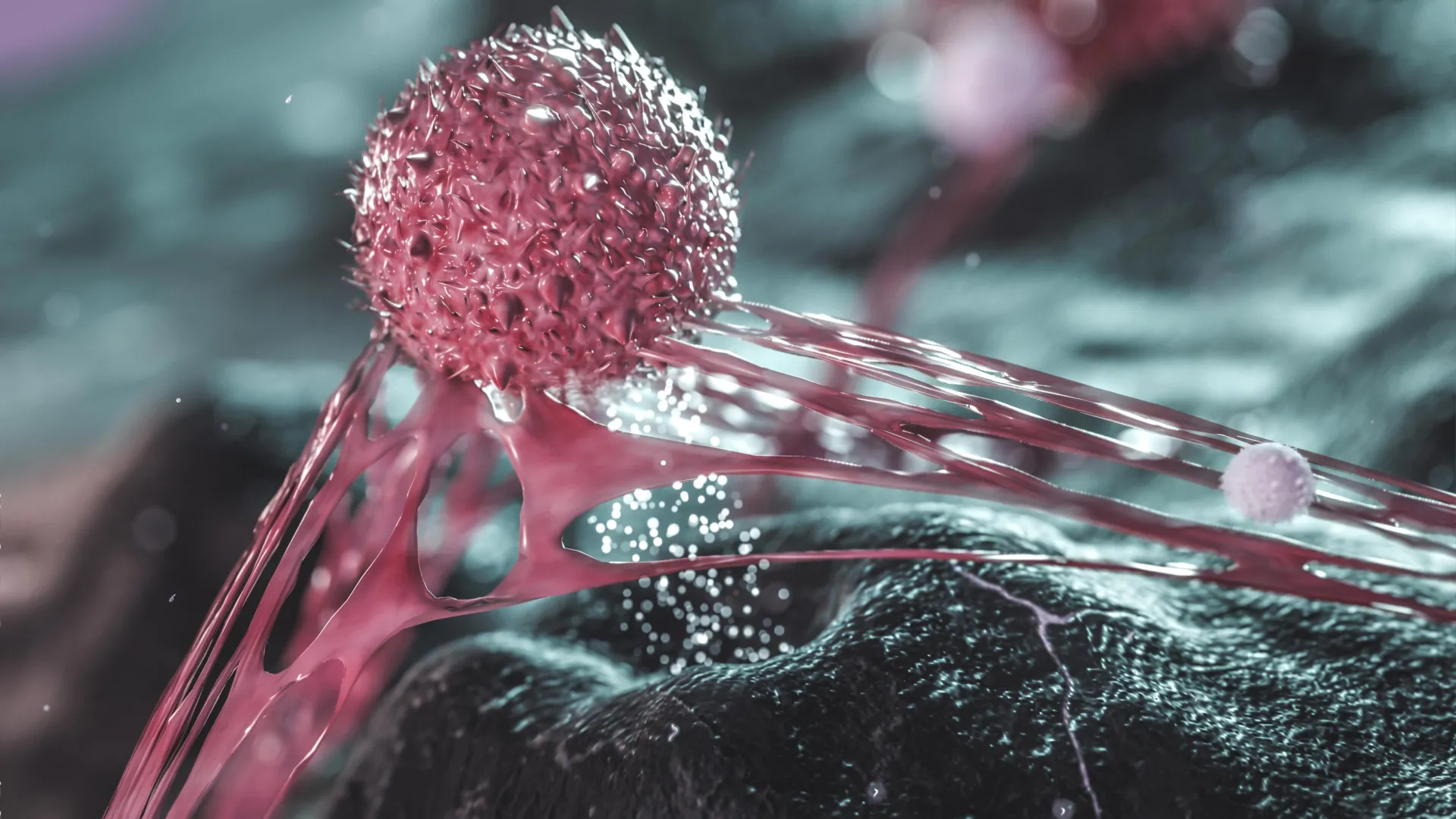
In a significant advancement for oncology research, a collaborative effort between the MRC Laboratory of Medical Sciences (LMS), Imperial College London, and the UCL Genetics Institute has resulted in the creation of a comprehensive cellular map of breast tumors. The study, published in the journal Genome Medicine, provides a granular view of the internal architecture of tumors, distinguishing between regions of rapid cellular proliferation and isolated "niches" containing dormant, or quiescent, cancer cells. These dormant cells, which essentially enter a state of biological hibernation, are often shielded by a specialized microenvironment of immune and connective tissue cells, rendering them highly resistant to conventional treatments such as chemotherapy.
The discovery addresses one of the most persistent challenges in oncology: the phenomenon of cancer recurrence. While modern therapies are increasingly effective at shrinking primary tumors by targeting actively dividing cells, many patients experience a relapse years or even decades later. The findings suggest that these "hidden" quiescent cells act as a reservoir for the disease, surviving initial therapeutic interventions and later reactivating to drive tumor growth. By identifying the specific cellular "neighborhoods" that protect these cells, researchers have opened a new frontier for developing combination therapies that target the tumor’s entire ecosystem rather than just its most active components.
The Architecture of Tumor Heterogeneity
Breast cancer remains one of the most prevalent and complex malignancies globally, with the World Health Organization reporting approximately 2.3 million new cases annually. Historically, tumors were viewed as relatively uniform masses of runaway cells. However, the last decade of research has revealed that tumors are complex, evolving "organs" composed of diverse cell types, including malignant cells, infiltrating immune cells, blood vessels, and structural fibroblasts.
The research team, co-led by Dr. Alexis Barr of the MRC LMS and Dr. Maria Secrier of UCL, utilized high-resolution mapping techniques to decode this complexity. They discovered that breast tumors are not homogenous but are instead divided into distinct functional zones. Some areas are "hotspots" of activity, filled with cancer cells in a constant state of mitosis. Conversely, other regions are characterized by "quiescence"—a state where cancer cells cease dividing but remain metabolically viable.
This spatial organization is not random. The study found that quiescent cells tend to cluster in specific pockets, often far from the nutrient-rich blood vessels that fuel their more aggressive counterparts. In these resource-deprived environments, the cells adapt by slowing down their biological processes, waiting for more favorable conditions to emerge.
The Role of the Protective Microenvironment
A central finding of the study is the identification of the "shield" that surrounds dormant cancer cells. The researchers observed a consistent pattern where quiescent cells were found in close proximity to CXCL10-positive macrophages and myofibroblastic cancer-associated fibroblasts (CAFs). Macrophages are a type of white blood cell typically responsible for engulfing pathogens and cellular debris, while fibroblasts are responsible for creating the structural framework (extracellular matrix) of tissues.
In the context of a breast tumor, however, these cells appear to be co-opted by the cancer. The study suggests that these surrounding cells form a physical and biochemical barrier. This "neighborhood" may actively suppress the immune system’s ability to recognize and destroy the dormant cells, while also creating a buffer that prevents chemotherapy drugs—which often rely on active cell division to be effective—from reaching their targets.
Dr. Maria Secrier noted that the relationship between the cancer cells and their surroundings is likely symbiotic. While it is not yet clear whether the environment forces the cells into dormancy or if the dormant cells recruit these specific support cells, the result is a localized sanctuary that ensures the survival of the cancer lineage during periods of external stress, such as medical treatment.
Technological Integration: Single-Cell Sequencing and Spatial Transcriptomics
The depth of this analysis was made possible through the integration of two cutting-edge technologies: single-cell RNA sequencing (scRNA-seq) and spatial transcriptomics.
Traditional "bulk" sequencing provides an average of the genetic activity across an entire tumor sample, often masking the presence of rare cell populations like quiescent cells. In contrast, single-cell RNA sequencing allows researchers to examine the gene expression profiles of individual cells, identifying exactly which genes are "turned on" or "off." This allowed the team to pinpoint the molecular signature of dormancy.
However, sequencing alone does not reveal where cells are located. By applying spatial transcriptomics, the researchers were able to re-map these individual cells back onto the physical structure of the tumor. This "Google Maps" for cancer allowed the team to see the actual neighborhoods where dormant cells reside and identify their neighbors. This dual approach revealed that therapy-resistant traits are often present in tumors before any treatment is even administered, challenging the long-held belief that resistance is primarily an adaptive response to chemotherapy.
Chronology of the Research and Scientific Context
The study represents a culmination of several years of cross-disciplinary work, building on earlier observations regarding cell cycle control and the tumor microenvironment.
- Phase I: Identification of Quiescence Signatures. The team initially sought to define what makes a cancer cell "quiet." They identified specific genetic markers associated with the G0 phase of the cell cycle, where cells exit the division process.
- Phase II: Data Synthesis. Using large-scale, publicly available genomic datasets from previous clinical cohorts, the computational team at UCL developed algorithms to identify these quiescent signatures within complex tumor samples.
- Phase III: Spatial Mapping. The researchers applied these algorithms to spatial transcriptomic data, allowing them to visualize the "niche" environments for the first time.
- Phase IV: Validation Across Subtypes. The team tested their findings across various breast cancer subtypes, including aggressive Triple-Negative Breast Cancer (TNBC) and more common Estrogen Receptor-positive (ER+) cases. Surprisingly, the quiescent niches were present across all types, suggesting that dormancy is a universal survival strategy for breast cancer.
Clinical Implications and Future Therapeutic Strategies
The findings have profound implications for the future of precision medicine. Currently, the "gold standard" for evaluating treatment success is tumor shrinkage. However, if chemotherapy successfully kills 99% of a tumor but leaves the 1% of dormant, shielded cells intact, the patient remains at high risk for metastatic recurrence.
The research points toward several potential therapeutic interventions:
- Targeting the Complement Pathway: The study found increased activity in the complement system—a part of the innate immune system—within the dormant niches. This suggests that drugs currently used to treat inflammatory diseases might be repurposed to "unmask" dormant cells, making them visible to the immune system.
- Disrupting the Shield: By targeting the specific macrophages and fibroblasts that form the protective barrier, doctors may be able to "open" the niche, allowing standard chemotherapy or immunotherapy to penetrate and eliminate the quiescent cells.
- Sequential Therapy: Future protocols might involve a "two-pronged" approach: first using traditional drugs to kill proliferative cells, followed by a secondary treatment designed to "wake up" or eliminate the dormant population.
Dr. Alexis Barr emphasized that while the focus of oncology has historically been on the fastest-growing cells, the "slow and steady" cells are equally, if not more, dangerous. Understanding the biology of these cells is essential for achieving long-term remission.
Expert Reactions and Broader Impact
The oncology community has reacted to the study with cautious optimism. Independent researchers have noted that the finding of pre-existing resistance markers is particularly sobering, as it suggests that some tumors are "primed" to survive treatment from the outset.
Medical analysts suggest that this research will likely influence the design of future clinical trials. Rather than just measuring the reduction in tumor volume, trials may begin to incorporate "minimal residual disease" (MRD) monitoring, using spatial analysis and liquid biopsies to ensure that no dormant niches remain after treatment.
Furthermore, the study highlights the importance of computational biology in modern medicine. The ability to analyze massive datasets and reconstruct the spatial architecture of a disease is becoming as vital as traditional laboratory experimentation. The work was supported by major funding bodies, including the UKRI Future Leaders Fellowship, the Medical Research Council (MRC), and the Biotechnology and Biological Sciences Research Council (BBSRC), reflecting the high level of institutional support for this systems-biology approach to cancer.
Conclusion: A Shift in the Oncology Paradigm
The mapping of breast tumor microenvironments marks a transition from viewing cancer as a collection of rogue cells to viewing it as a complex, defensive ecosystem. By identifying the specific physical locations where treatment resistance begins, the researchers from MRC LMS, Imperial, and UCL have provided a blueprint for the next generation of cancer therapies.
While the ideas generated by this spatial analysis still require rigorous experimental and clinical testing, the study provides a clear path forward. If the protective niches of dormant cells can be dismantled, the possibility of preventing cancer recurrence becomes a tangible goal, offering hope for millions of patients seeking not just a temporary reprieve from the disease, but a permanent cure. The focus now shifts to the laboratory, where scientists will begin the work of testing drug combinations that can breach the "shield" and ensure that no cancer cell, no matter how quiet, is left behind.
