
 By Nana O
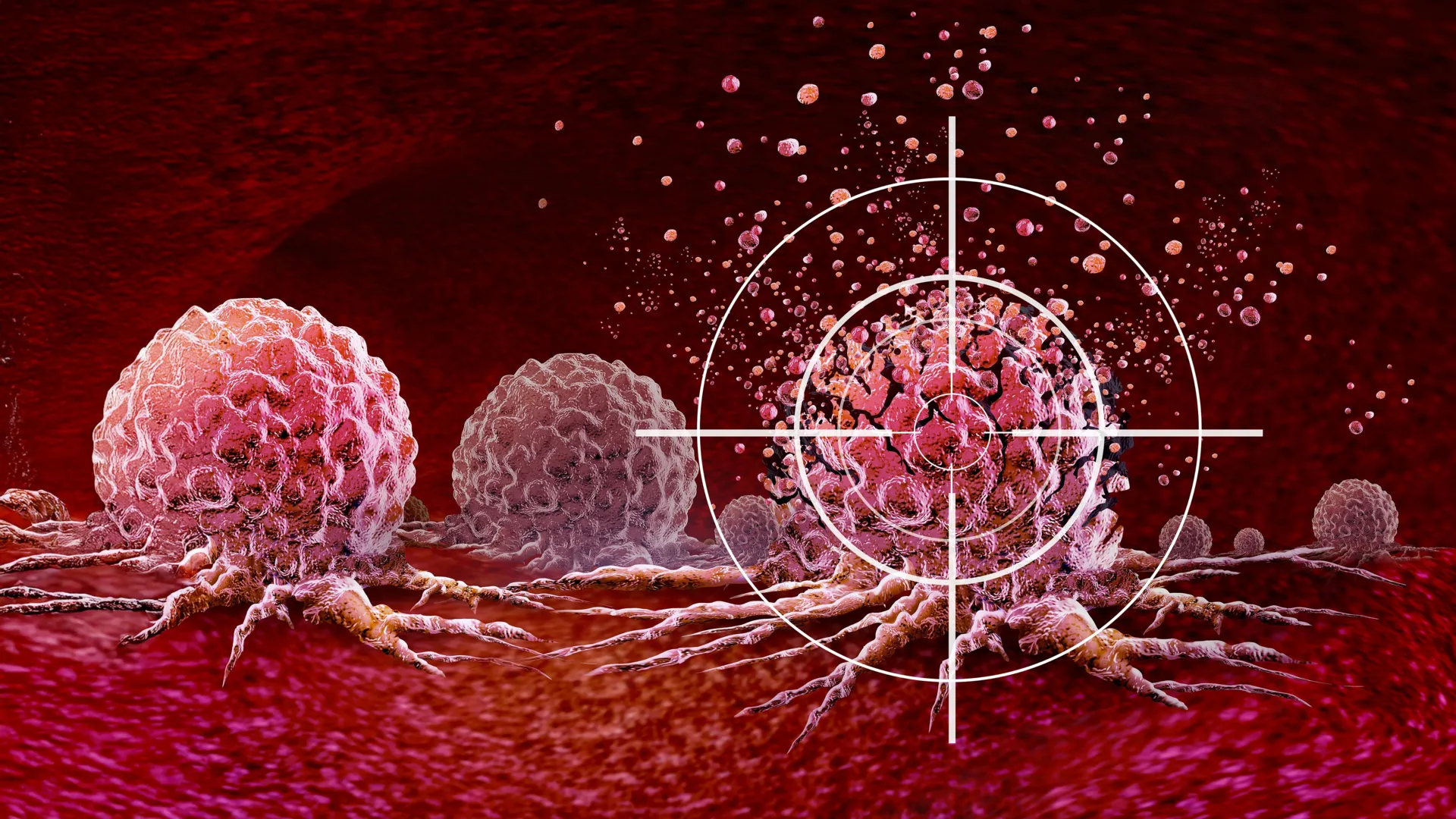
Scientists at the University of Virginia Comprehensive Cancer Center have unveiled a groundbreaking experimental strategy poised to revolutionize the treatment of glioblastoma, the most prevalent and notoriously aggressive form of malignant brain tumor affecting adults. This innovative approach, detailed in a recent publication, directly confronts some of the most formidable barriers that have historically hampered the efficacy of existing brain cancer therapies. By leveraging a sophisticated synergy of microRNAs, specialized nanoparticles, and focused ultrasound technology, researchers have demonstrated a compelling pathway to more effectively target and suppress the relentless growth of these devastating tumors.
The core of this pioneering research, spearheaded by Dr. Roger Abounader, a distinguished professor at UVA’s School of Medicine and a leading figure at its Comprehensive Cancer Center and Center for RNA Science and Medicine, lies in the strategic deployment of microRNAs. These minuscule genetic molecules possess the remarkable ability to interfere with and downregulate multiple genes that are critically involved in the initiation and proliferation of glioblastoma. The ingenuity of the UVA team’s strategy extends to its delivery mechanism. To overcome the formidable challenge of the brain’s natural protective shield, the blood-brain barrier, the researchers have engineered a novel system. This system integrates specialized nanoparticles, which encapsulate the therapeutic microRNAs, with precisely targeted focused ultrasound and microscopic gas-filled bubbles. When activated, this combination creates a temporary, localized opening in the blood-brain barrier, facilitating the passage of the therapeutic agents directly into the tumor microenvironment.
"Our objective is to concurrently target a multitude of molecules that fuel cancer progression, including those for which no effective drugs currently exist, thereby paving the way for superior therapeutic outcomes," stated Dr. Abounader. "We are actively working towards translating these promising findings into clinical trials for patients battling glioblastoma and other challenging brain malignancies." The potential implications of this multi-pronged attack are significant, offering a paradigm shift from single-target therapies to a more holistic approach capable of disrupting the complex genetic networks that underpin glioblastoma’s malignancy.
The Stubborn Nature of Glioblastoma: A Persistent Challenge in Oncology
Glioblastoma multiforme (GBM) stands as a grim testament to the challenges in neuro-oncology. It is not only the most common primary malignant brain tumor in adults but also one of the most lethal cancers known. In the United States alone, it accounts for an estimated 13,000 deaths annually, highlighting its devastating impact on individuals and families. The inherent aggressiveness of glioblastoma stems from several critical biological and anatomical factors that render it exceptionally difficult to treat.
One of the primary reasons for its recalcitrance is the invasive nature of glioblastoma cells. These malignant cells are notorious for infiltrating surrounding healthy brain tissue, creating an intricate, diffuse network that surgeons find nearly impossible to delineate and excise completely. Even with the most advanced surgical techniques, microscopic remnants of tumor cells are often left behind, providing fertile ground for recurrence and disease progression.
Compounding this surgical challenge is the formidable blood-brain barrier (BBB). This highly selective physiological barrier, composed of tightly packed endothelial cells forming the brain’s capillaries, acts as a critical gatekeeper. Its primary function is to protect the delicate neural tissue from pathogens, toxins, and fluctuations in the bloodstream. While essential for brain health, the BBB also acts as a significant impediment to therapeutic interventions. The vast majority of chemotherapeutic drugs, which are vital for combating systemic cancers, are unable to cross this barrier in sufficient concentrations to reach therapeutic levels within the brain. This inherent physiological defense mechanism inadvertently shields brain tumors from many life-saving treatments.
Current standard-of-care for glioblastoma typically involves a multi-modal approach. This often begins with maximal surgical resection to debulk the tumor, followed by radiation therapy and chemotherapy. While these treatments can help to control tumor growth and extend survival for some patients, the median survival rate for glioblastoma remains alarmingly low, often measured in months rather than years, underscoring the urgent need for more effective therapeutic strategies.
A Novel Paradigm: MicroRNAs and Multi-Gene Suppression
In stark contrast to conventional treatments that often focus on single molecular targets, the UVA research team’s strategy embraces the complexity of glioblastoma by employing microRNAs. These small, non-coding RNA molecules play crucial regulatory roles in cellular processes, including gene expression. The UVA researchers have identified specific microRNAs that can effectively suppress the activity of multiple genes simultaneously, genes that are known to be critical drivers of glioblastoma’s growth, survival, and resistance to therapy.
The power of this approach lies in its ability to simultaneously disrupt several key pathways that contribute to tumor progression. This multi-target strategy is particularly advantageous because combining multiple conventional chemotherapy drugs, while sometimes necessary, can lead to significant and often dose-limiting toxicities for patients. Furthermore, many of the molecular players involved in glioblastoma’s intricate growth mechanisms are not readily targetable by existing small-molecule drugs or antibodies. MicroRNAs offer a versatile platform to address these "undruggable" targets, expanding the therapeutic arsenal against this formidable disease.
By introducing specific microRNAs that can silence the expression of these crucial pro-cancer genes, the UVA team aims to achieve a more profound and sustained inhibition of tumor growth, potentially leading to tumor shrinkage or stabilization. This ability to orchestrate a coordinated attack on multiple fronts represents a significant conceptual advance in brain cancer therapeutics.
Harnessing Ultrasound for Precision Drug Delivery
The most significant hurdle in delivering therapeutic agents, including microRNAs, to the brain is breaching the blood-brain barrier. Dr. Abounader’s team has ingeniously overcome this challenge by integrating focused ultrasound technology with microscopic bubbles and nanoparticles. This sophisticated delivery system allows for non-invasive, precise targeting of the tumor site.
The process begins with the precise localization of the tumor using advanced magnetic resonance imaging (MRI). Focused ultrasound, a technology that uses high-intensity sound waves to create localized thermal or mechanical effects, is then directed to the tumor area. In conjunction with the focused ultrasound, the researchers introduce microscopic gas-filled bubbles into the bloodstream. These microbubbles, when exposed to the ultrasound waves, oscillate and cavitate, generating transient mechanical forces. This mechanical effect temporarily and safely increases the permeability of the blood-brain barrier in the targeted region, creating a brief window of opportunity.
During this critical window, nanoparticles carrying the therapeutic microRNAs, which have been administered intravenously, can efficiently extravasate from the bloodstream into the brain tissue, specifically accumulating in the vicinity of the tumor. Once inside the brain, the microRNAs can then exert their gene-silencing effects, interfering with the essential molecular machinery that glioblastoma relies upon for its survival and proliferation.
The effectiveness of this integrated approach has been rigorously tested in preclinical settings. Laboratory experiments and studies involving animal models of glioblastoma have yielded encouraging results. These studies demonstrated that the microRNA-based treatment, delivered via the ultrasound-enhanced method, significantly slowed tumor growth and led to a notable improvement in the survival rates of the treated animals. These findings provide compelling preclinical validation for the therapeutic potential of this novel strategy.
Future Directions and Broader Implications
While the preclinical results are highly promising, the UVA researchers emphasize that this strategy remains experimental and requires further rigorous investigation before it can be translated into human clinical trials. Nevertheless, Dr. Abounader expressed optimism about the long-term implications of their work. "This approach holds the potential for broad applications beyond glioblastoma, extending to various other brain disorders and potentially other types of cancer," he noted. "The fight against cancer is an ongoing endeavor that demands sustained investment in research and innovation. We are dedicated to contributing to the global effort to alleviate the burden of cancer, with the ultimate goal of achieving complete cures."
The University of Virginia Health System has a well-established reputation for its commitment to advancing focused ultrasound research. UVA Health has been a pioneer in the field since its nascent stages, cultivating an extensive research program dedicated to exploring the diverse therapeutic applications of precisely directed sound waves across a spectrum of medical conditions.
Recognizing the transformative potential of focused ultrasound in oncology, UVA Health collaborated with the Charlottesville-based Focused Ultrasound Foundation to establish the Focused Ultrasound Immuno-Oncology (FUSION) Center. This groundbreaking center, the first of its kind globally, is specifically dedicated to investigating the synergistic effects of combining focused ultrasound with cancer immunotherapy. Researchers anticipate that this innovative combination could herald significant breakthroughs in cancer treatment paradigms throughout the 21st century.
This concentrated research effort also bolsters the overarching objectives of the UVA Comprehensive Cancer Center and UVA’s Paul and Diane Manning Institute of Biotechnology. Both institutions are committed to advancing patient care through the discovery and development of novel medical interventions.
The UVA Comprehensive Cancer Center’s prestigious "comprehensive" designation, awarded by the National Cancer Institute, places it among an elite group of 57 cancer centers nationwide. This recognition underscores its exceptional achievements in cancer research, patient care, and its role in training future generations of cancer specialists.
The Manning Institute, established to accelerate the discovery and development of new medicines and potential cures for some of humanity’s most intractable diseases, plays a pivotal role in this ecosystem. Its work is further supported by a statewide clinical trials network designed to expedite the accessibility of emerging treatments to patients as they progress through the rigorous stages of research and clinical evaluation.
Study Details and Funding Acknowledgements
The experimental approach and initial findings of Dr. Abounader and his research colleagues were published in the esteemed Journal of Clinical Investigation (JCI). This publication is open-access, allowing for widespread dissemination of the research findings without financial barriers.
The extensive research team involved in this pivotal study included Shekhar Saha, Ying Zhang, Myron K. Gibert Jr., Collin Dube, Farina Hanif, Elizabeth Qian Xu Mulcahy, Sylwia Bednarek, Yunan Sun, Pawel Marcinkiewicz, Xiantao Wang, Gijung Kwak, Ahsan H. Polash, Haolin Li, Kadie Hudson, Manikarna Dinda, Tapas Saha, Matthew McCord, Fadila Guessous, Nichola Cruickshanks, Rossymar Rivera Colon, Lily Dell’Olio, Rajitha Anbu, Wenjie Liu, Songy Choi, Benjamin Kefas, Pankaj Kumar, Alexander L. Klibanov, David Schiff, Jung Soo Suk, Justin Hanes, Jamie Mata, and Markus Hafner, in addition to Dr. Abounader. The researchers have reported no conflicts of interest or financial entanglements related to this work.
This groundbreaking research was supported by significant funding from federal agencies, including the National Institutes of Health (NIH). Specifically, grants from the National Cancer Institute (U01 CA220841 and P30 CA044579) and the National Institute of Neurological Disorders and Stroke (R01 NS122222 and R21 NS122136) were instrumental in advancing this project. Additional crucial support was provided by a pilot grant from the UVA Comprehensive Cancer Center, a Schiff Foundation grant, the Ben and Catherine Ivy Foundation, and the Focused Ultrasound Foundation, underscoring a broad collaborative effort to combat brain cancer.
