
 By admin
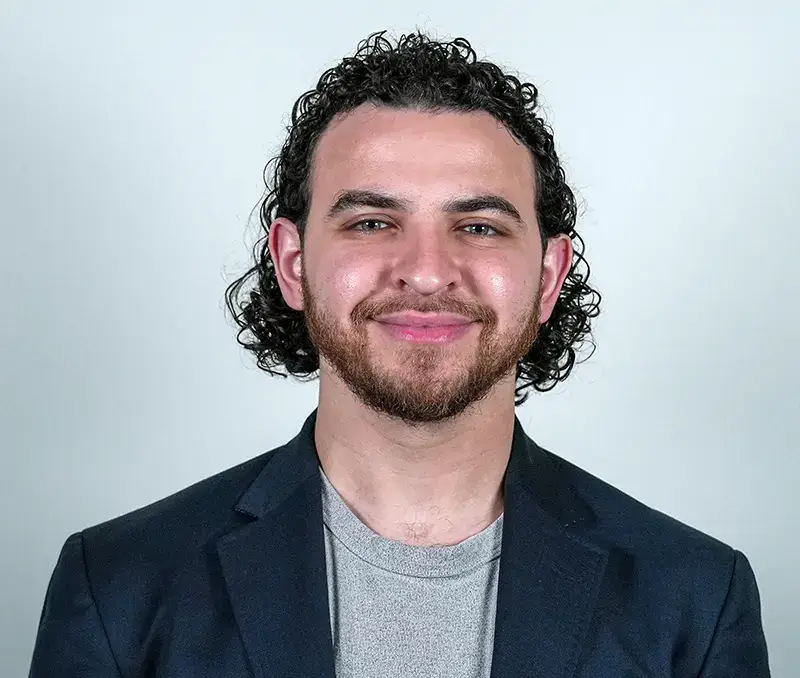
CureSearch for Children’s Cancer, a national non-profit organization dedicated to accelerating the development of life-saving treatments for pediatric cancer, has officially announced the appointment of Osama Alsaleh to its Board of Directors. This strategic addition comes at a pivotal moment for the organization as it seeks to bridge the gap between academic research, venture capital, and technological innovation. Alsaleh, a recognized leader in healthcare technology and global partnerships, brings a multifaceted background that spans executive roles at major tech corporations, international health organizations, and the venture capital sector. His appointment is expected to bolster CureSearch’s mission to address the critical funding and innovation shortages that historically plague the field of pediatric oncology.
As the current Head of Partnerships at Plug and Play Health—the health-focused arm of the world’s most active venture capital firm and global innovation platform—Alsaleh is uniquely positioned to facilitate connections between emerging startups and the specialized needs of pediatric cancer research. His career has been defined by a commitment to advancing global healthcare solutions through strategic collaborations, a skillset that CureSearch intends to leverage to expedite the "bench-to-bedside" pipeline for new therapies.
A Career Defined by Strategic Innovation and Global Health
The professional trajectory of Osama Alsaleh reflects a consistent focus on the intersection of technology, regulatory frameworks, and health outcomes. Before joining Plug and Play Health, Alsaleh held several high-impact roles at Oracle Health (formerly Cerner), where he was instrumental in navigating the complex landscape of healthcare IT and public-private partnerships. One of his most significant contributions was the spearheading of Oracle’s health equity team. In this capacity, he developed strategies aimed at addressing social determinants of health (SDOH), ensuring that technological advancements in healthcare were accessible to underserved populations.
His experience in philanthropy and grant allocation is equally extensive. During his tenure at Oracle Health, Alsaleh served on the Oracle Charitable Foundation Clinical Decision Committee. In this role, he contributed to the evaluation and distribution of more than $42 million in healthcare grants, gaining deep insights into how targeted funding can drive clinical progress. This background provides a natural alignment with CureSearch’s operational model, which focuses on funding high-potential research that is often overlooked by traditional pharmaceutical companies due to the smaller market size of pediatric indications.
Beyond the private sector, Alsaleh’s influence has extended into the public and international domains. He has collaborated with the World Bank Group and the World Health Organization (WHO) on global health initiatives, emphasizing sustainable infrastructure and digital health adoption. Domestically, his expertise in regulatory compliance and quality reporting led to advisory roles with the Centers for Medicare & Medicaid Services (CMS) and participation in high-level government initiatives, including the White House COVID-19 Taskforce and collaborations with the U.S. State Department.
Addressing the Funding Disparity in Pediatric Oncology
The appointment of a venture capital and technology expert like Alsaleh highlights a pressing issue within the medical research community: the significant funding gap between adult and pediatric cancers. While cancer remains the leading cause of death by disease for children in the United States, pediatric research receives only a small fraction of the funding allocated to adult cancers. According to data from the National Cancer Institute (NCI), only about 4% of the federal budget for cancer research is specifically dedicated to childhood cancers.
This disparity creates a "valley of death" in drug development, where promising laboratory discoveries fail to reach clinical trials because they lack the financial backing required for the expensive transition to human testing. In the mainstream venture capital ecosystem, pediatric oncology is often perceived as a high-risk, low-reward sector due to the relatively small patient populations and the complexities of conducting trials with minors.
Alsaleh’s entrance into the CureSearch leadership structure is intended to challenge this status quo. By utilizing his network within the startup and investment communities, he aims to identify and attract technologies—such as artificial intelligence in drug discovery, advanced genomics, and novel delivery systems—that can be adapted for pediatric use. His goal is to create a more robust "innovation ecosystem" for children, ensuring that the most advanced medical tools are not reserved solely for adult patients.
Official Responses and Organizational Vision
The leadership at CureSearch has expressed high expectations for the impact Alsaleh will have on the organization’s strategic direction. Jared Brancazio, Chair of the CureSearch Board of Directors, emphasized the importance of Alsaleh’s cross-disciplinary expertise.
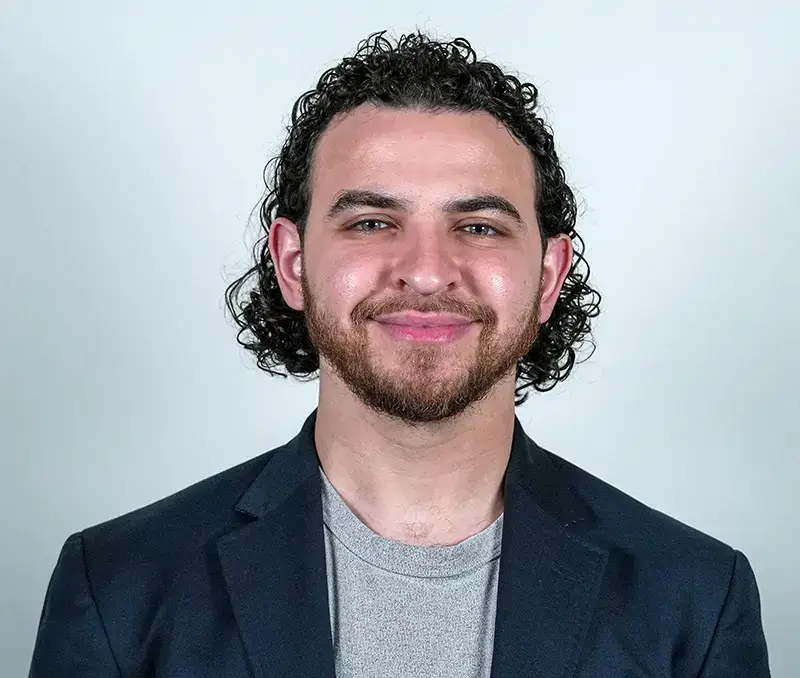
"Osama brings a unique and highly valuable perspective to CureSearch," Brancazio stated. "His ability to connect innovation, investment, and healthcare will help expand our reach and unlock new opportunities to advance critical research for children with cancer. We are excited to have him join the board at this important time for our organization."
For Alsaleh, the decision to join the board is rooted in a desire to correct the systemic imbalances he has witnessed throughout his career in the health-tech sector. In a statement following his appointment, he noted that pediatric oncology often sits on the periphery of the broader venture capital and innovation landscape.
"Throughout my work, I have consistently observed that innovations focused on pediatrics, particularly pediatric oncology, remain significantly underfunded and underrepresented within mainstream venture capital and innovation ecosystems," Alsaleh said. "By leveraging my network across venture capital, startups, healthcare institutions, and technology companies, I aim to help attract new technologies, strategic partners, and resources that can accelerate progress toward cures for children with cancer."
Chronology of Leadership and Institutional Evolution
The addition of Alsaleh is part of a broader evolution for CureSearch, which has increasingly moved toward a "venture philanthropy" model. This approach involves not just giving grants, but actively managing a portfolio of research projects with the goal of achieving specific clinical milestones.
- Early 2000s – 2010s: CureSearch (formerly the National Childhood Cancer Foundation) focused primarily on supporting the Children’s Oncology Group (COG).
- 2012 – 2015: The organization shifted its strategy to focus on the "funding gap," launching the Catapult Awards and Acceleration Initiatives to move research from the lab to the clinic.
- 2020 – 2023: CureSearch expanded its focus on industry partnerships, recognizing that the involvement of biotech and pharmaceutical companies is essential for large-scale drug manufacturing and distribution.
- 2024: With the appointment of Alsaleh, the organization signals an increased focus on the role of Silicon Valley-style innovation and venture capital networks in solving the pediatric cancer crisis.
Supporting Data: The Current State of Childhood Cancer
The urgency of Alsaleh’s mission is underscored by current epidemiological and financial data. Every day, approximately 43 children in the U.S. are diagnosed with cancer. While survival rates for some forms of the disease, such as certain types of leukemia, have improved significantly over the last 40 years, others remain nearly 100% fatal. For instance, Diffuse Intrinsic Pontine Glioma (DIPG), a highly aggressive brain tumor, has seen virtually no improvement in its prognosis in decades.
Furthermore, the long-term effects of current treatments are a major concern. Because many pediatric treatments are adapted from adult therapies, they can be highly toxic to developing bodies. Statistics show that by age 50, more than 99% of childhood cancer survivors have a chronic health problem, and 96% have a severe or life-threatening condition caused by the very treatments that saved their lives. This highlights the desperate need for "smarter" and less toxic targeted therapies—the kind of innovation that Alsaleh’s background in technology and health equity is designed to foster.
Analysis of Implications for the Healthcare Sector
The appointment of Osama Alsaleh to the CureSearch board is more than a standard non-profit leadership change; it is a signal of a changing tide in how medical non-profits operate. In an era where data science and biotechnology are merging, the traditional model of relying solely on grassroots fundraising is being supplemented by sophisticated investment strategies.
By bringing in a leader from Plug and Play Health, CureSearch is positioning itself to act as a bridge between the non-profit world and the high-speed world of tech accelerators. This could lead to several key outcomes:
- Increased Tech Transfer: More efficient movement of intellectual property from academic labs into viable commercial startups.
- Strategic Co-Investment: Encouraging venture capital firms to co-invest in pediatric-specific startups by de-risking the early stages of research through philanthropic grants.
- Data-Driven Equity: Using Alsaleh’s experience in health equity to ensure that new treatments are developed with diverse patient populations in mind, reducing disparities in survival rates among different socioeconomic and ethnic groups.
As CureSearch continues to navigate the complexities of the modern healthcare landscape, the integration of venture capital principles and global technology expertise through leaders like Osama Alsaleh may provide the necessary catalyst to finally overcome the long-standing barriers to pediatric cancer cures. The organization, its stakeholders, and the families it serves will be watching closely as this new chapter of innovation-led philanthropy begins.
