
 By Gabriel Paijo
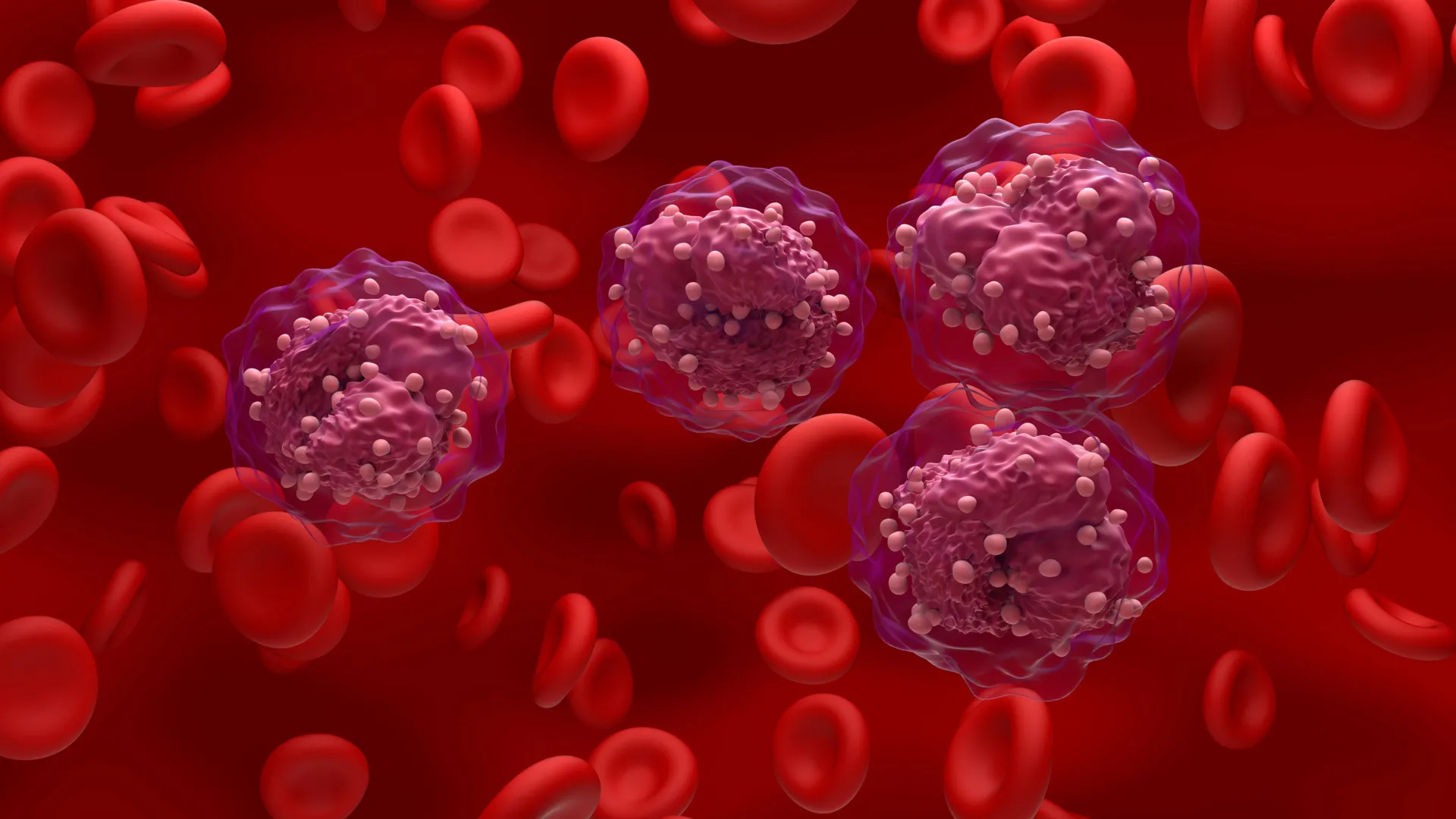
Recent clinical evidence suggests that a daily regimen of oral vitamin C may significantly improve health outcomes and potentially extend the lives of individuals diagnosed with precancerous blood conditions and early-stage blood cancers. The findings, stemming from the phase 2 EVITA clinical trial, represent a pivotal step forward in the field of cancer interception—a proactive medical strategy aimed at intervening in the biological processes of disease before a full malignancy takes hold. Conducted by an international consortium known as the Van Andel Institute-Stand Up To Cancer (VAI-SU2C) Epigenetics Dream Team, the study highlights a low-cost, accessible intervention for conditions that have historically lacked preventative treatments.
Vitamin C, or ascorbic acid, has long been recognized for its fundamental role in maintaining the integrity of the immune system, facilitating the synthesis of collagen for wound healing, and acting as a potent antioxidant to shield cells from oxidative stress. However, researchers have observed a recurring trend in hematology: patients with precancerous blood disorders and active blood cancers frequently present with chronically low levels of vitamin C. The EVITA trial sought to determine whether correcting this systemic deficiency through high-dose oral supplementation could alter the trajectory of these diseases and provide a measurable clinical benefit.
The Biological Foundation of Cancer Interception
The study focused primarily on two conditions: clonal cytopenia of undetermined significance (CCUS) and myelodysplastic syndrome (MDS). Both are characterized by the production of abnormal blood cells and are considered precursors to acute myeloid leukemia (AML), a particularly aggressive and often fatal form of blood cancer. CCUS and MDS are more prevalent in older populations, as the cumulative genetic mutations and environmental exposures of a lifetime begin to take a toll on the bone marrow’s ability to produce healthy blood cells.
For decades, the medical community’s approach to these conditions has been described as "watchful waiting." Because no targeted therapies were approved to prevent the progression of CCUS to leukemia, physicians were often forced to monitor blood counts and wait for the disease to worsen before initiating intensive treatments like chemotherapy or stem cell transplantation. For many patients, particularly those of advanced age or with underlying health issues, these aggressive treatments are not viable options.
The EVITA trial represents a shift away from this reactive model. By focusing on cancer interception, the VAI-SU2C Epigenetics Dream Team aimed to restore normal cellular function before the cells became fully leukemic. Dr. Peter A. Jones, a distinguished professor at the Van Andel Institute and co-leader of the research team, noted that the goal is to build on these findings to understand how vitamin C might restore normal epigenetic function in blood cells that are at high risk of malignant transformation.
Clinical Parameters and Trial Methodology
The EVITA trial was designed as a randomized, double-blind, placebo-controlled study—the highest standard for clinical evidence. This methodology ensures that neither the participants nor the healthcare providers know which group is receiving the active treatment, thereby eliminating bias and allowing for an objective assessment of the supplement’s efficacy.
The study enrolled 109 patients across four major medical institutions: Copenhagen University Hospital-Rigshospitalet, Copenhagen University Hospital-Herlev, and Aalborg University Hospital in Denmark, alongside the Keck Hospital of the University of Southern California in the United States. Participants were randomly assigned to one of two groups. The first group received a daily oral dose of 1,000 mg of vitamin C, while the second group received a placebo that was identical in appearance, taste, and smell.
What distinguishes EVITA from previous research is its focus on oral administration and early-stage disease. Most prior investigations into vitamin C and cancer have utilized intravenous delivery and targeted advanced solid tumors. By using an oral dose comparable to over-the-counter supplements, the researchers tested a protocol that could be easily integrated into a patient’s daily routine without the need for hospital visits or specialized equipment.
Correcting Persistent Vitamin C Deficiencies in Blood Cancer Patients
One of the most striking baseline findings of the trial was the prevalence of vitamin C deficiency among the participants. Upon enrollment, more than 50% of the patients were found to have insufficient levels of vitamin C in their blood. This deficiency is particularly concerning in the context of blood disorders, as vitamin C is a necessary cofactor for various enzymes that regulate how genes are expressed in the bone marrow.
During the 12-month intervention period, blood samples were collected regularly to track vitamin C concentrations. In the group receiving the 1,000 mg daily dose, vitamin C levels returned to the normal physiological range and remained stable. In contrast, those in the placebo group continued to exhibit low levels, highlighting the fact that dietary intake alone was often insufficient to correct the deficiency in this patient population.
The restoration of these levels coincided with a reduction in adverse events. Patients in the vitamin C group reported fewer complications and health setbacks during the one-year study and the subsequent follow-up period. This suggests that even if the supplement does not immediately eradicate abnormal cells, it may bolster the body’s overall resilience and improve the patient’s quality of life.
The Significance of the TET2 Enzyme and Epigenetic Restoration
The scientific impetus for the EVITA trial was rooted in recent discoveries regarding the TET2 enzyme. TET2 is a tumor suppressor that plays a vital role in epigenetics—the study of how genes are turned on or off without changing the underlying DNA sequence. Specifically, TET2 helps maintain the "on" and "off" switches in blood-forming stem cells, ensuring they develop into healthy white blood cells, red blood cells, or platelets.
Mutations in the TET2 gene are among the most common genetic alterations found in patients with CCUS, MDS, and AML. When TET2 is mutated or lacks the necessary cofactors to function, the epigenetic landscape of the cell becomes disordered. This "epigenetic instability" allows abnormal cells to proliferate and eventually outcompete healthy cells.
Crucially, vitamin C is a known cofactor that enhances the activity of the TET2 enzyme. In cases where the enzyme is partially functional due to a mutation, or where it is simply underperforming due to a lack of nutrients, high doses of vitamin C can potentially "jump-start" the enzyme. By restoring TET2 activity, vitamin C may help re-establish normal gene regulation, thereby slowing the progression toward leukemia.
Analyzing the Impact on Inflammation and Immune Signaling
Beyond its effects on the TET2 enzyme, the EVITA trial revealed that vitamin C supplementation significantly altered the levels of cytokines in the patients’ blood. Cytokines are signaling molecules that mediate the body’s immune response and levels of inflammation. Chronic inflammation is a well-documented driver of cancer progression, creating an environment in the bone marrow that favors the growth of malignant cells.
The researchers found that vitamin C shifted the cytokine profile toward a state associated with more favorable clinical outcomes. By modulating these inflammatory markers, vitamin C may act as a systemic stabilizer, making the "soil" of the bone marrow less hospitable to the "seeds" of leukemia. While the trial did not show a significant reduction in the total number of abnormal blood cells (the "expansion rate"), the changes in immune signaling suggest a more nuanced benefit that involves the entire hematopoietic environment.
Exploratory Survival Benefits and the Road to Phase 3
Perhaps the most encouraging result of the EVITA trial came from an exploratory analysis of long-term survival. After approximately three years of follow-up, participants who had been in the vitamin C group were significantly more likely to be alive than those in the placebo group. This survival benefit was observed despite the fact that the vitamin C treatment lasted for only one year.
While these results are statistically significant within the context of the trial, lead researchers emphasize that exploratory findings must be interpreted with caution. "These exciting preliminary findings lay the groundwork for a larger clinical trial to explore vitamin C as a possible way to improve patient outcomes," said Dr. Kirsten Grønbæk, a professor at the University of Copenhagen and the trial’s lead investigator. She noted that while it is too early to issue definitive clinical recommendations, the survival data provides a compelling rationale for a Phase 3 trial.
A Phase 3 trial would involve a much larger cohort of patients and would be specifically designed to confirm the survival benefit as a primary endpoint. If successful, such a trial could lead to the formal inclusion of vitamin C supplementation in the standard of care for patients with MDS and CCUS.
A Shift in the Hematological Treatment Paradigm: From Monitoring to Intervening
The implications of the EVITA trial extend beyond the specific use of vitamin C. It validates the concept of early intervention in hematology, providing hope to patients who previously had no options other than "watch and wait." Dr. Casey O’Connell, the lead clinician at the University of Southern California trial site, highlighted the psychological and physical burden of living with a pre-leukemic condition. "No one wants to hear that they have a condition that increases leukemia risk but there’s nothing that can be done," she stated.
The success of this trial also underscores the importance of international collaboration in cancer research. By pooling resources from the Van Andel Institute, the Danish Cancer Society, and various academic hospitals, the researchers were able to execute a complex, multi-site study that provides a robust foundation for future work.
As the scientific community moves forward, the focus will remain on the mechanics of epigenetic restoration. Researchers are currently digging deeper into the EVITA data to identify specific biomarkers that could predict which patients are most likely to benefit from vitamin C. This personalized approach to nutrition and epigenetics could eventually lead to a new category of "epigenetic supplements" designed to maintain cellular health and prevent the onset of cancer in high-risk populations.
While vitamin C is not a cure for leukemia, its potential to serve as a safe, inexpensive, and effective tool for cancer interception marks a significant milestone in oncology. For patients currently facing the uncertainty of precancerous blood disorders, the EVITA trial offers a glimpse into a future where the progression of disease is no longer an inevitability, but a process that can be actively challenged.
