
 By Lina carolina
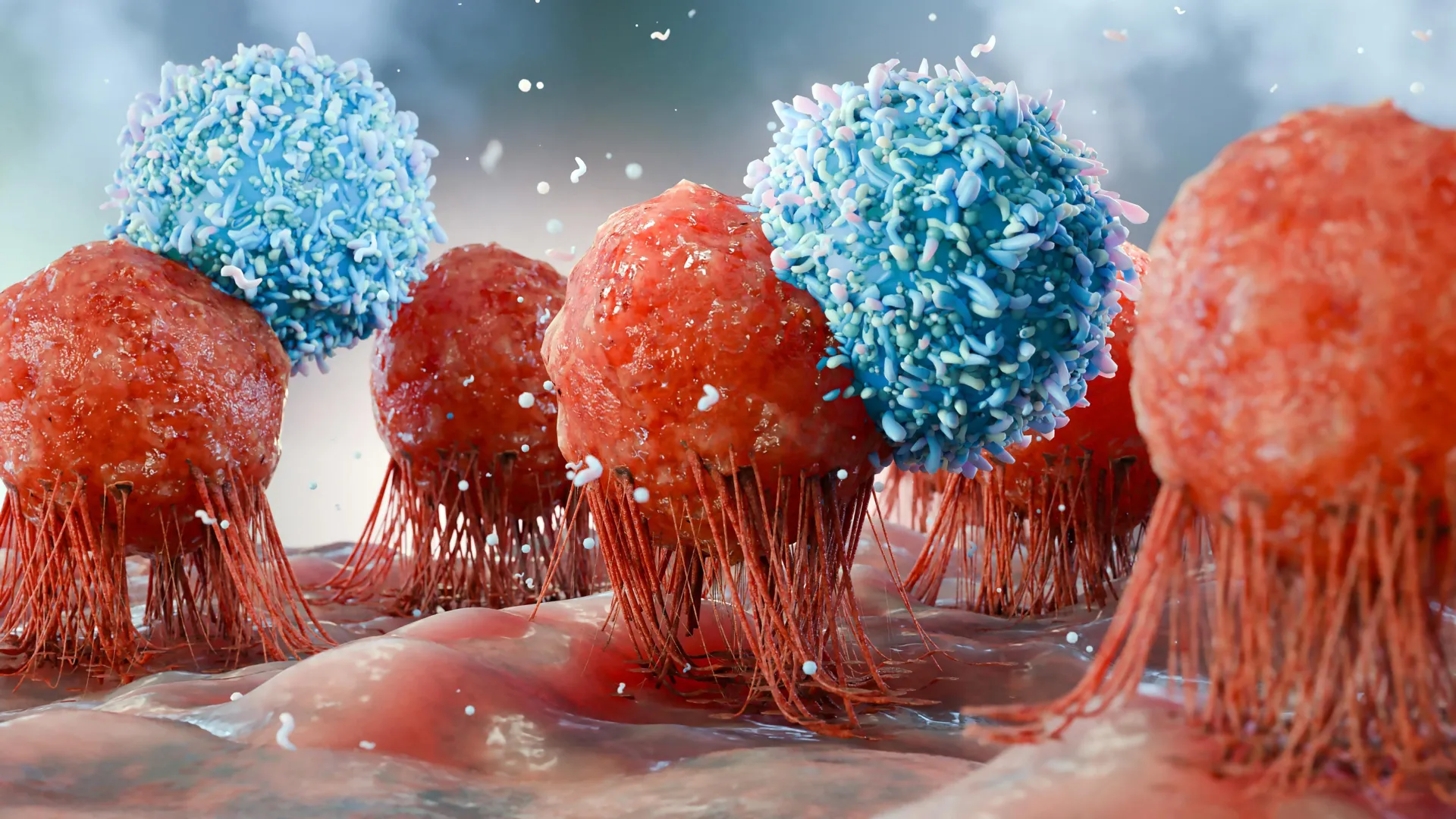
Cancer immunotherapy has revolutionized the fight against malignant diseases, offering a powerful new avenue to harness the body’s own defenses to combat tumors. At the forefront of this revolution are T cells, the immune system’s specialized assassins, capable of recognizing and destroying cancer cells. However, a significant hurdle has emerged: T cells can become "exhausted" during prolonged battles with cancer, losing their potency and leaving tumors to persist. This critical limitation has long plagued the effectiveness of immunotherapy, particularly with the advent of checkpoint inhibitors, drugs designed to release the brakes on T cell activity. Now, groundbreaking research from Memorial Sloan Kettering Cancer Center (MSK) has pinpointed a molecular signaling pathway, driven by a molecule named MEK, as a central architect of this debilitating T cell exhaustion. The findings, published in the esteemed journal Immunity, not only illuminate the intricate mechanisms behind immune cell fatigue but also present a promising therapeutic target that could revitalize immunotherapy’s impact for countless patients.
The Challenge of T Cell Exhaustion in Cancer Immunotherapy
The promise of cancer immunotherapy lies in its ability to empower T cells to relentlessly pursue and eliminate cancerous cells. However, the relentless nature of this fight often leads to T cell exhaustion. This condition is characterized by a gradual decline in the T cells’ ability to proliferate, produce essential cytotoxic molecules, and effectively control tumor growth. For patients receiving immunotherapy, particularly checkpoint inhibitors – drugs designed to lift natural inhibitory signals that normally dampen T cell activity – this exhaustion represents a deeply frustrating and often tragic turn of events.
"A tragic part of T cell exhaustion is that the immunotherapy seems to be working for patients, and then it fades," explains Dr. Santosha Vardhana, MD, PhD, a physician-scientist at MSK who specializes in treating lymphoma. "Many of them experience a brief wisp of promise only to have it taken away." This phenomenon, where initial signs of therapeutic response are ultimately extinguished by T cell fatigue, underscores the urgent need to understand and overcome the mechanisms driving exhaustion.
A Crucial Discovery: MEK as a Driver of Exhaustion
The research team led by Dr. Vardhana has now identified MEK (mitogen-activated protein kinase kinase) as a pivotal player in the cascade leading to T cell exhaustion. Through extensive studies in animal models, they have demonstrated that inhibiting MEK can significantly slow down this process, potentially leading to more durable and effective cancer immunotherapy.
"We’re excited about applying this finding to enhance multiple forms of immunotherapy," Dr. Vardhana states. "FDA-approved MEK inhibitors are already available, so this approach could be tested in humans without much delay." This immediate translational potential is a significant advantage, as it bypasses the lengthy development timelines typically associated with novel drug discovery.
Unraveling the Metabolic Underpinnings of Exhaustion
For years, the precise biological underpinnings of T cell exhaustion remained elusive. While it was understood that these cells were losing their functional capacity, the underlying molecular and metabolic events were not fully elucidated. In 2020, Dr. Vardhana’s laboratory made a significant stride by identifying the role of cellular metabolism – the intricate processes by which cells convert nutrients into energy – in the development of T cell exhaustion.
When T cells are continuously exposed to tumor antigens, the proteins on cancer cells that the immune system recognizes as foreign, their internal powerhouses, the mitochondria, can become overwhelmed. Mitochondria are responsible for generating adenosine triphosphate (ATP), the primary energy currency of cells.
"There is a large metabolic demand being imposed as T cells encounter cancer cells and try to produce cancer-killing, or cytotoxic, proteins," Dr. Vardhana elaborates. "It turns out that the decision to make high levels of these proteins is regulated by MEK." This discovery revealed that MEK acts as a critical switch, dictating the extent to which T cells engage in the energy-intensive process of producing cytotoxic molecules. Excessive activation of MEK, researchers found, can ultimately push T cells into a state of terminal exhaustion, a severely compromised condition from which immunotherapy struggles to revive them.
A Paradoxical Finding: High Activity in Exhausted Cells
Contrary to initial assumptions that exhausted T cells might be metabolically sluggish, the MSK team made a surprising discovery. Exhausted T cells are, in fact, highly metabolically active. The critical insight came when researchers treated these cells with MEK inhibitors. The inhibited cells not only multiplied more robustly but also consumed less energy.
"That paradox made us ask where all that energy was going, and we discovered that these cells were investing enormous resources into making proteins," explains Tanmana Mitra, PhD, a student in the Vardhana lab and the study’s first author. "It changed how we think about T cell exhaustion — from a problem of too little energy to one of excessive energy demand." This reframing of exhaustion from an energy deficit to an energy management issue is a fundamental shift in understanding.
The Role of MEK in Pacing Immune Responses
The research suggests that by reducing MEK signaling, T cells can lower the metabolic burden associated with the continuous production of cytotoxic proteins. This reduction in demand allows some T cells to remain active for longer periods and to regenerate themselves, thereby extending the overall effectiveness of immunotherapy.
The analogy provided by the researchers is apt: pacing oneself during a long road trip, rather than driving at maximum speed from the outset. This strategic conservation of resources can help preserve the "fuel" needed to reach the destination – in this case, the complete elimination of cancer. In laboratory models, blocking MEK signaling demonstrably improved the persistence of T cells even within the challenging microenvironment of a tumor.
A Nuanced Perspective: Exhaustion as a Protective Mechanism
However, the researchers caution that suppressing MEK is not a one-size-fits-all solution. T cell exhaustion, they emphasize, is a more complex phenomenon than simply a loss of immune function. Dr. Andrea Schietinger, an immunologist at MSK, has previously demonstrated that T cells can enter an exhausted state as a survival mechanism. By downregulating their activity, T cells can avoid becoming overstimulated and succumbing to programmed cell death.
"As we’ve learned more about T cell exhaustion," Dr. Vardhana notes, "we’ve increasingly understood that it’s not the case that exhausted T cells are bad, so let’s try to reverse the process with a drug. Instead, exhaustion is more of an equilibrium state that lets the cells survive and keep going — almost like a ‘safe mode’ for T cells." This perspective highlights that exhaustion is not necessarily a detrimental endpoint but rather a carefully regulated state that allows immune cells to persist in the face of chronic stimulation.
The "ATP Bank Account" Analogy
To further illustrate the metabolic trade-offs involved, Dr. Vardhana uses the analogy of a cellular "ATP bank account." When a T cell is actively engaged in fighting cancer and producing cytotoxic proteins, it draws heavily on its ATP reserves. "Think of ATP as the currency in a fund that the cell spends down," he explains. "If you spend ATP on one thing, you don’t have enough to do something else. The exhaustion program is a sign that the cell’s bank account is getting close to zero. MEK tells exhausted cells whether to conserve fuel or go for broke. What we found is that inhibiting MEK makes the cells more conservative — helping them live longer while reducing the rate at which they produce the proteins that actually kill cancer cells."
This means that inhibiting MEK involves a critical trade-off: a potentially less intense but more sustained immune attack. The optimal strategy – a short, powerful burst of activity versus a slower, enduring defense – may vary depending on the specific characteristics of a patient’s cancer and their individual immune profile.
Selective Application of MEK Inhibitors: A Strategic Approach
Dr. Vardhana stresses that MEK inhibitors would need to be employed strategically, identifying patient populations who are most likely to benefit. He points to two key indicators for potential success with immunotherapy: the presence of a robust initial T cell response and a favorable tumor microenvironment.
"In these patients, conservation of T cells is not that important," he states. "It’s like being in a car with 1/8 of a tank left, but you can see the finish line. In these patients, you would just let the car keep burning the gas — in other words, take the traditional immunotherapy approach. These are the patients in whom MEK inhibition is probably not needed." This highlights the importance of patient stratification to avoid unnecessary interventions.
Conversely, for patients with large tumors or a limited number of tumor-infiltrating immune cells, the immune response may not be sufficiently potent to achieve rapid cancer eradication. In such scenarios, a slower, sustained immune response facilitated by MEK inhibition could be invaluable. The prolonged presence of T cells, even if partially exhausted, may be crucial for gradually overcoming a substantial tumor burden or compensating for a smaller initial immune workforce.
Broadening the Horizon: Potential Applications Across Immunotherapy Modalities
The implications of this research extend beyond checkpoint inhibitors, with potential applications across a spectrum of cancer immunotherapy strategies. Dr. Vardhana envisions carefully managed MEK inhibition as a means to enhance the efficacy of:
- Chimeric Antigen Receptor (CAR) T cell therapy: This advanced therapy involves genetically engineering a patient’s T cells to target specific cancer antigens. A significant challenge in CAR T cell therapy has been the limited persistence of these engineered cells. MEK inhibition could potentially improve T cell longevity, leading to more durable responses.
- Tumor-Infiltrating Lymphocyte (TIL) therapy: TIL therapy leverages immune cells that have already infiltrated a patient’s tumor. Expanding and reinfusing these naturally occurring anti-cancer T cells is a powerful approach. Pre- or post-treatment with MEK inhibitors could help preserve the most effective TILs for longer periods.
- Bispecific Antibodies: These engineered proteins are designed to bridge T cells and cancer cells, facilitating targeted immune attack. While highly potent, the intense stimulation they provide can also contribute to T cell exhaustion. MEK inhibition could help mitigate this side effect, ensuring sustained activity.
"This study shows the importance of understanding core principles of T cell biology — what sets the balance between conservation of energy and strong, cancer-fighting activity," Dr. Vardhana concludes. "Once we know the answer to that, the therapeutic possibilities really start to fan out."
The research was supported by grants from the National Institutes of Health and the National Cancer Institute. Additional authors on the study include Jahan Rahman, Madeline Hwee, Yan-Ting Chen, Ruben Jose Jesus Faustino Ramos, Hui Liu, Travis Hartman, Justin Cross, Miguel de Jesus, Morgan Huse, Valerie Longo, and Pat Zanzonico. The findings represent a significant step forward in our understanding of cancer immunology and offer a tangible pathway towards improving the lives of patients battling this formidable disease. The immediate availability of FDA-approved MEK inhibitors makes this a particularly exciting development, paving the way for rapid clinical translation and the potential to unlock new levels of efficacy in the ongoing war against cancer.
