
 By George Ongkojoyo
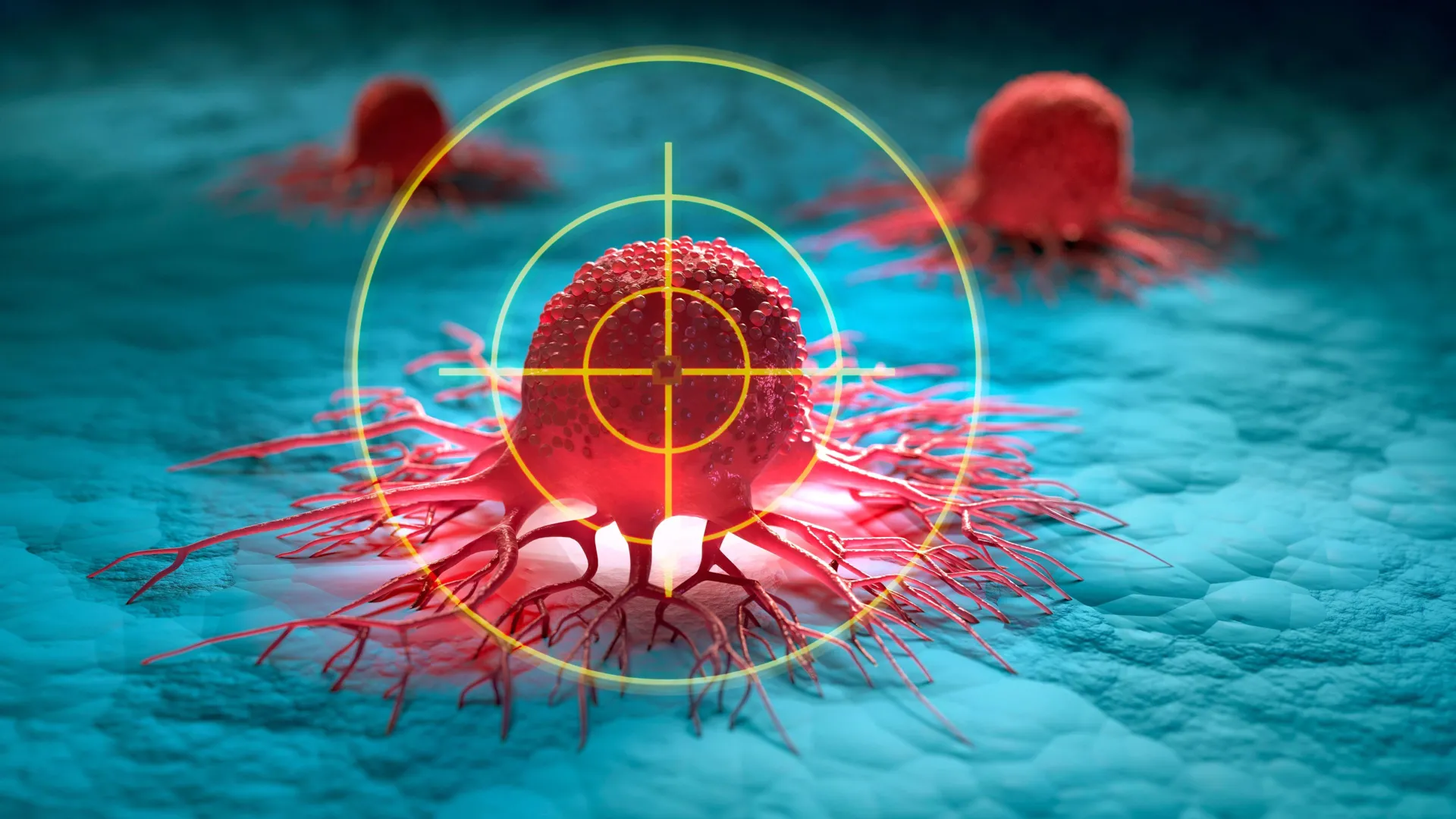
Researchers at the Icahn School of Medicine at Mount Sinai have unveiled a paradigm-shifting immunotherapy designed to dismantle the protective barriers surrounding metastatic solid tumors. In a study published in the January 22 online edition of the journal Cancer Cell, scientists detailed a novel strategy that utilizes engineered immune cells to target the tumor’s support system rather than the cancer cells themselves. This "Trojan horse" approach seeks to overcome one of the most significant hurdles in modern oncology: the immunosuppressive environment that renders many aggressive cancers, such as metastatic lung and ovarian cancer, resistant to conventional treatments.
By refocusing the immune system’s power on tumor-associated macrophages (TAMs)—the cellular "guards" that shield tumors from attack—the Mount Sinai team has demonstrated a method to turn a cancer’s primary defense into its greatest vulnerability. The preclinical findings indicate that this method can not only slow the progression of advanced disease but, in several instances, lead to complete remission in models that previously failed to respond to existing immunotherapies.
The Challenge of the Solid Tumor Microenvironment
For over a decade, Chimeric Antigen Receptor (CAR) T-cell therapy has revolutionized the treatment of "liquid" cancers, such as leukemia and lymphoma. These therapies involve extracting a patient’s T cells, genetically engineering them to recognize specific markers (antigens) on cancer cells, and reintroducing them into the patient to hunt and destroy the disease. However, applying this success to solid tumors—which account for approximately 90% of adult cancer deaths—has proven exceptionally difficult.
The primary obstacle is the tumor microenvironment (TME). A solid tumor is not merely a cluster of malignant cells; it is a complex, organized structure supported by various non-cancerous cells, blood vessels, and signaling molecules. Among the most influential residents of the TME are tumor-associated macrophages. In a healthy physiological state, macrophages are the immune system’s "first responders," responsible for engulfing pathogens and clearing cellular debris. However, tumors are adept at "reprogramming" these macrophages. Once recruited into the tumor’s orbit, these cells stop fighting the cancer and instead begin to suppress other immune cells, promote blood vessel growth to feed the tumor, and facilitate the spread of cancer cells to distant organs.
This creates what Jaime Mateus-Tique, PhD, lead study author and faculty member in Immunology and Immunotherapy at Mount Sinai, describes as a "walled fortress." Current immunotherapies often fail because they cannot penetrate this barrier. The Mount Sinai team’s solution was to stop trying to bypass the guards and instead target them directly.
Engineering the "Armored" CAR T Cell
The experimental therapy developed by the Icahn School of Medicine involves a two-pronged genetic engineering strategy. First, the researchers redirected CAR T cells to identify and bind to tumor-associated macrophages. By selecting markers specific to the macrophages within the tumor, the therapy can selectively deplete these protective cells while sparing healthy macrophages in other parts of the body, such as the lungs or liver, which are essential for normal organ function.
The second component of the engineering process involves "armoring" the T cells with a payload of Interleukin-12 (IL-12). IL-12 is a potent cytokine—a signaling protein—that acts as a clarion call for the immune system. It is known to activate "killer" T cells and Natural Killer (NK) cells, enhancing their ability to seek out and destroy malignant targets. Historically, administering IL-12 systemically to patients has been limited by severe toxicity, as the protein can trigger a body-wide inflammatory response. By engineering the CAR T cells to release IL-12 only when they encounter and engage with tumor macrophages, the Mount Sinai team has created a localized "wrecking force" that operates exclusively within the tumor fortress.
Preclinical Results and Spatial Genomics
To test the efficacy of this new approach, the research team utilized aggressive preclinical models of metastatic ovarian and lung cancer. These models were specifically chosen because they mimic the clinical reality of advanced human cancer, which is often widespread and resistant to standard chemotherapy and checkpoint inhibitors.
The results, according to the study, were dramatic. Mice treated with the macrophage-targeted, IL-12-armored CAR T cells showed a significant reduction in tumor burden. In comparison to control groups, which received either no treatment or standard CAR T therapy, the experimental group lived months longer. Most notably, a substantial percentage of the treated mice achieved complete clearance of their metastatic disease.
To understand the mechanics of this recovery, the researchers employed advanced spatial genomics. This technology allows scientists to map the genetic activity of cells while maintaining their physical context within the tissue. The analysis confirmed that the therapy successfully "reset" the tumor microenvironment. By removing the suppressive macrophages and releasing IL-12, the treatment converted the "cold" (immune-suppressed) tumor into a "hot" (immune-active) environment. This shift allowed the body’s endogenous immune system to flood the tumor site and begin destroying cancer cells that the CAR T cells weren’t even specifically programmed to recognize.
An Antigen-Independent Solution
One of the most promising implications of this research is its "antigen-independent" nature. Traditional CAR T therapies require the identification of a specific protein on the surface of the cancer cell to target. However, many solid tumors are "heterogeneous," meaning different cells within the same tumor may express different proteins, or no specific targetable protein at all. This often leads to "antigen escape," where the cancer returns because the therapy only killed a subset of the cells.
By targeting the macrophages—which are present in almost all solid tumors regardless of the cancer’s specific genetic mutations—the Mount Sinai approach bypasses the need for a perfect cancer-cell target. "Macrophages are found in every type of tumor, sometimes outnumbering the cancer cells," said senior author Brian Brown, PhD, Director of the Icahn Genomics Institute. "What’s so exciting is that our treatment converts these cells from protecting the cancer to killing it. We’ve turned foe into ally."
Because the macrophages serve as a universal component of the tumor fortress, this therapy could theoretically be applied to a wide range of cancers, including those of the pancreas, breast, and colon, which have historically been difficult to treat with immunotherapy.
Chronology of Development and Future Outlook
The development of this therapy represents years of cross-disciplinary collaboration at Mount Sinai, involving experts in immunology, genetic engineering, and computational biology. The project moved from initial conceptualization of macrophage reprogramming to the sophisticated engineering of IL-12 delivery systems, culminating in the peer-reviewed findings published this month.
The timeline for moving this therapy into human clinical trials will depend on further refinement and safety testing. The researchers are currently focused on optimizing the "remote control" of the IL-12 release. Ensuring that the cytokine is released only in the precise amounts needed and strictly within the confines of the tumor is paramount to avoiding the side effects that have hindered previous IL-12-based treatments.
The medical community has reacted with cautious optimism to the study. Independent oncologists note that while mouse models are an essential first step, the human immune system and the complexity of human metastatic disease present additional challenges. However, the ability to reprogram the tumor microenvironment is increasingly seen as the "holy grail" of solid tumor oncology.
Broader Implications for Oncology
If successful in human trials, this research could signal a shift in how metastatic disease is managed. Currently, patients with refractory metastatic lung or ovarian cancer have limited options, often revolving around palliative care or highly toxic chemotherapy regimens with diminishing returns.
The Mount Sinai study suggests a future where immunotherapy is not just a secondary option but a primary tool for dismantling the structural integrity of advanced tumors. By proving that the cells surrounding the cancer are just as important as the cancer cells themselves, the team has opened a new front in the war on cancer.
"This establishes a new way to treat cancer," Dr. Brown emphasized. "By targeting tumor macrophages, we’ve shown that it can be possible to eliminate cancers that are refractory to other immunotherapies."
The research was a massive collaborative effort involving over 20 authors from various departments within the Icahn School of Medicine, including the Marc and Jennifer Lipschultz Precision Immunology Institute. The work was supported by substantial funding from the National Institutes of Health (NIH), the Alliance for Cancer Gene Therapy, the Feldman Family Foundation, and the Applebaum Foundation, underscoring the high level of institutional and federal interest in this innovative approach to genetic engineering and cancer treatment.
