
 By Budi Oetomo Narendra
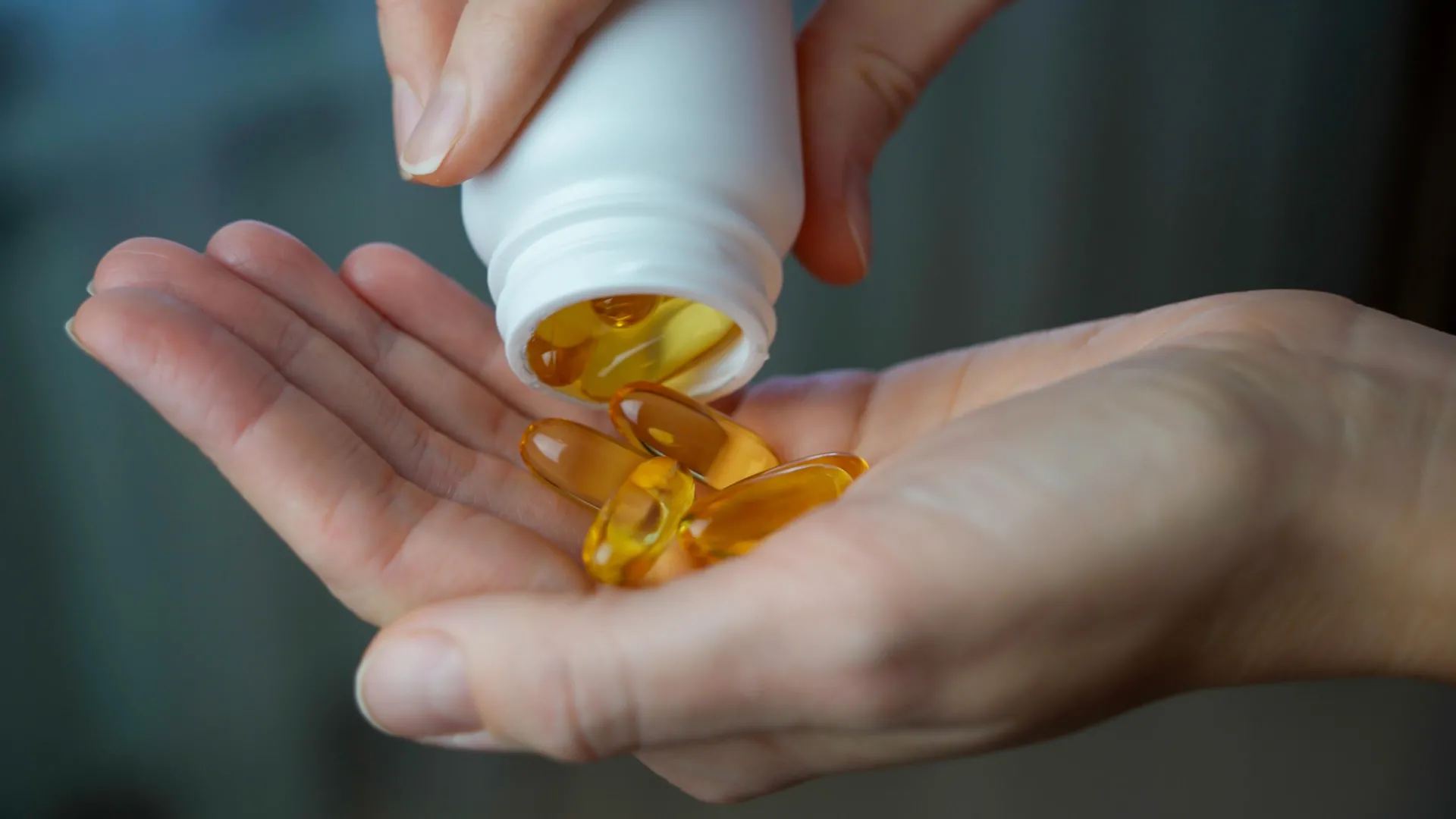
A novel therapeutic pathway for psoriasis, leveraging a readily available nutritional supplement derived from vitamin B5, has been uncovered by a team of scientists in China. The research, published on October 27 in the esteemed Journal of Experimental Medicine (JEM), details how pantethine, a derivative of vitamin B5, can effectively calm specific immune cells implicated in autoimmune inflammation. This intervention was shown to prevent the development of psoriasis in preclinical mouse models and significantly improve symptoms in a small-scale human clinical trial, forging an unexpected link between cholesterol production and the immune system’s regulatory mechanisms.
Unraveling the Psoriasis Puzzle: An Autoimmune Perspective
Psoriasis is a chronic, non-contagious autoimmune disease that primarily affects the skin, causing red, scaly patches that can be itchy, painful, and prone to cracking and bleeding. These plaques typically appear on the elbows, knees, scalp, and lower back, but can manifest anywhere on the body. Beyond its dermatological manifestations, psoriasis is a systemic inflammatory condition, often associated with a higher risk of other serious health issues, including psoriatic arthritis, cardiovascular disease, metabolic syndrome, and depression. Affecting approximately 2-3% of the global population, or roughly 125 million people worldwide, its prevalence underscores the significant unmet need for more effective, accessible, and well-tolerated treatment options.
Current treatments for psoriasis range from topical corticosteroids and vitamin D analogues to phototherapy, systemic immunosuppressants like methotrexate and cyclosporine, and advanced biologic therapies that target specific components of the immune system (e.g., TNF-alpha, IL-17, IL-23). While these therapies can be highly effective for many patients, they often come with significant side effects, high costs, and may not be suitable or effective for everyone. This drives continuous research into novel pathways and therapeutic strategies, particularly those that offer a better safety profile or more targeted action. The Chinese research team’s discovery represents a significant step in this direction, proposing an intervention that harnesses metabolic modulation.
The Immune System’s Double-Edged Sword: Dendritic Cells and Inflammation
At the heart of the latest discovery are dendritic cells, often referred to as the "sentinels" or "coordinators" of the immune system. These specialized antigen-presenting cells play a crucial role in initiating and regulating adaptive immune responses. Their primary function involves capturing foreign substances (antigens) and presenting them to T cells – another type of immune cell – thereby instructing the T cells to recognize and target specific threats. In addition to antigen presentation, dendritic cells release a cascade of chemical signals, known as cytokines, which recruit other immune cells and orchestrate inflammatory responses essential for fighting infections and healing injuries.
However, in autoimmune diseases like psoriasis, this finely tuned system goes awry. Dendritic cells become excessively active, mistakenly identifying healthy body tissues as threats. This hyperactivation leads to persistent inflammation and the chronic, self-sustaining immune attack characteristic of autoimmune conditions. In psoriasis, overactive dendritic cells activate specific subsets of T cells, particularly Th17 and Th1 cells, which then migrate to the skin and release pro-inflammatory cytokines such as IL-17, IL-22, and TNF-alpha. These cytokines drive the rapid proliferation of keratinocytes (skin cells) and perpetuate the inflammatory cycle, leading to the characteristic psoriatic plaques.
"Emerging evidence highlights that metabolic pathways and their associated metabolites play vital roles in regulating immune cell function and autoimmune progression," stated Wei-Na Zhang, a lead researcher at the State Key Laboratory of Biomedical Analysis in Beijing. Her comment underscores a burgeoning field known as immunometabolism, which investigates how the metabolic state of immune cells influences their function and fate. "But therapeutic strategies targeting metabolism in inflammatory diseases remain underexplored," Zhang added, pointing to the untapped potential that her team’s research now seeks to unlock. The research team, a collaborative effort, also included Qing Xia, Ai-Ling Li, and Tao Zhou from the State Key Laboratory of Biomedical Analysis, alongside Cheng-Xin Li from The First Medical Center of Chinese PLA General Hospital in Beijing.
A Hidden Link: Cholesterol, Vanins, and the Immune Response
The pivotal breakthrough came with the researchers’ identification of unusually high levels of enzymes called Vanins within the dendritic cells of individuals suffering from psoriasis and several other autoimmune diseases. Vanins, a family of ectoenzymes, have previously been recognized for their roles in regulating oxidative stress and tissue repair, primarily by hydrolyzing pantetheine (a precursor to pantethine and vitamin B5) into pantothenic acid (vitamin B5) and cysteamine. Their heightened presence in autoimmune contexts suggested an unexpected involvement in immune dysregulation.
The scientists observed that when they experimentally reduced Vanin levels in dendritic cells, these immune cells became significantly less active and less capable of stimulating T cells. Further validating this observation, a preclinical study demonstrated that a specific drug designed to inhibit Vanins successfully prevented the development of psoriasis in mouse models, providing compelling evidence of Vanins’ pathogenic role.
Further investigation into the biochemical cascade unveiled precisely why these enzymes play such a crucial role. Vanins, by converting pantethine into vitamin B5, effectively reduce the intracellular availability of pantethine. This is a critical point because pantethine itself is a nutritional supplement, widely recognized and used for its ability to help lower blood cholesterol by inhibiting cholesterol production. This connection immediately piqued the researchers’ interest, as previous studies had already established that cholesterol does more than simply circulate in the bloodstream; it significantly influences how immune cells function. Elevated blood cholesterol, for instance, has long been identified as a major risk factor for developing and exacerbating psoriasis.
The team’s groundbreaking discovery established that excessive Vanin activity directly leads to a reduction in the amount of pantethine available inside dendritic cells. As pantethine levels fall, a counterintuitive but critical metabolic shift occurs: intracellular cholesterol production within these immune cells increases. This localized surge in cholesterol accumulation then drives the dendritic cells to become unusually active and pro-inflammatory. Conversely, restoring pantethine levels—either by inhibiting Vanins or through direct supplementation—interrupted this pathological process. Pantethine was found to reduce cholesterol accumulation within dendritic cells, thereby helping to suppress the excessive immune activation associated with chronic inflammation.
"We found that pantethine administration effectively alleviated psoriasis in mice, suggesting that insufficient pantethine levels may be the crucial contributor to hyperactivation of dendritic cells and autoimmune inflammation following the up-regulation of Vanins," Dr. Zhang elucidated, highlighting the intricate metabolic axis discovered: Vanin-pantethine-cholesterol. This mechanism provides a compelling explanation for how metabolic dysfunction within immune cells can directly fuel autoimmune disease.
From Laboratory Bench to Bedside: A Promising Human Trial
Encouraged by the robust findings from their laboratory experiments and preclinical animal models, the researchers moved to investigate whether pantethine could translate into a tangible benefit for individuals living with psoriasis. They initiated a small, investigator-initiated clinical trial involving 24 patients diagnosed with the condition. The study design aimed to assess pantethine’s potential as an adjunctive therapy, meaning it would be used in conjunction with standard treatment.
All participants in the trial received a topical ointment containing calcipotriene/betamethasone, a widely used combination treatment for managing psoriasis symptoms. Calcipotriene, a synthetic derivative of vitamin D, works by regulating skin cell growth and differentiation, thereby helping to normalize the rapid cell turnover characteristic of psoriatic plaques. Betamethasone, a potent corticosteroid, acts as an anti-inflammatory agent, reducing redness, swelling, and itching.
Half of the participants in the trial were additionally prescribed oral pantethine tablets, allowing the researchers to directly examine whether the inclusion of the supplement could enhance the efficacy of the standard topical treatment. The trial spanned a duration of 12 weeks, with regular assessments of psoriasis symptoms using validated clinical scoring systems, such as the Psoriasis Area and Severity Index (PASI).
The results, while preliminary, were notably encouraging. After 12 weeks, patients who received pantethine alongside their prescribed ointment demonstrated a greater overall improvement in their psoriasis symptoms compared to those receiving only the standard topical treatment. The benefits of pantethine were particularly pronounced and statistically significant among participants who had elevated blood cholesterol levels prior to the commencement of the study. This observation further strengthens the hypothesis that cholesterol metabolism plays a critical role in the pathogenesis of psoriasis and that targeting this pathway with pantethine could be particularly effective in specific patient subgroups.
These findings suggest that pantethine holds considerable promise as a potential adjunctive treatment for psoriasis, especially in patients where dysregulated cholesterol metabolism may be contributing to the chronic inflammatory state. The correlation between baseline cholesterol levels and treatment response opens avenues for personalized medicine, where specific patient biomarkers could guide therapeutic choices.
Broader Implications and Future Directions
While the results of the human trial offer a significant glimmer of hope, the researchers were quick to emphasize the inherent limitations of their initial study. The trial included only 24 participants, a relatively small cohort for a definitive clinical assessment. Consequently, the findings should be interpreted as "proof-of-concept for clinical feasibility rather than direct mechanistic validation," as stated by Dr. Zhang. She reiterated that larger, more extensive, randomized, and placebo-controlled studies are critically necessary to definitively confirm the supplement’s effectiveness, establish optimal dosing regimens, assess long-term safety, and fully elucidate the precise biological mechanisms at play in human patients. Such larger trials would also need to account for potential confounding factors and genetic variabilities that might influence treatment response.
The implications of this research extend far beyond psoriasis. The discovery of the Vanin-pantethine-cholesterol axis as a key metabolic pathway governing dendritic cell activation provides a foundational framework for therapeutic strategies targeting a spectrum of dendritic cell-mediated autoimmune diseases. Conditions such as rheumatoid arthritis, lupus, inflammatory bowel disease (Crohn’s disease and ulcerative colitis), and multiple sclerosis also involve aberrant activation of dendritic cells and subsequent chronic inflammation. If the Vanin-pantethine-cholesterol axis proves to be a conserved mechanism of immune dysregulation across these conditions, pantethine or novel drugs targeting this pathway could offer new therapeutic avenues for millions of patients worldwide.
From a pharmaceutical development perspective, this research highlights novel targets. While pantethine itself is a nutritional supplement, the identification of Vanins as a crucial enzyme in this pathway could lead to the development of specific Vanin inhibitors with more potent and targeted effects. Alternatively, enhancing the bioavailability or cellular uptake of pantethine could be explored. The increasing focus on immunometabolism suggests that understanding and modulating the metabolic processes within immune cells represents a fertile ground for discovering new treatments for a wide range of inflammatory and autoimmune disorders.
In conclusion, the research emanating from China represents a compelling and rigorous investigation into the metabolic underpinnings of psoriasis. By identifying the Vanin-pantethine-cholesterol axis, the scientists have not only elucidated a novel pathogenic mechanism but also proposed a readily accessible and potentially safer adjunctive therapy in pantethine. This work significantly advances our understanding of autoimmune inflammation and offers a beacon of hope for developing more targeted and effective treatments for psoriasis and potentially other debilitating autoimmune conditions in the future, pending validation through larger-scale clinical investigations. The global scientific community will undoubtedly be watching these developments closely as this promising avenue of research continues to unfold.
