
 By Lina carolina
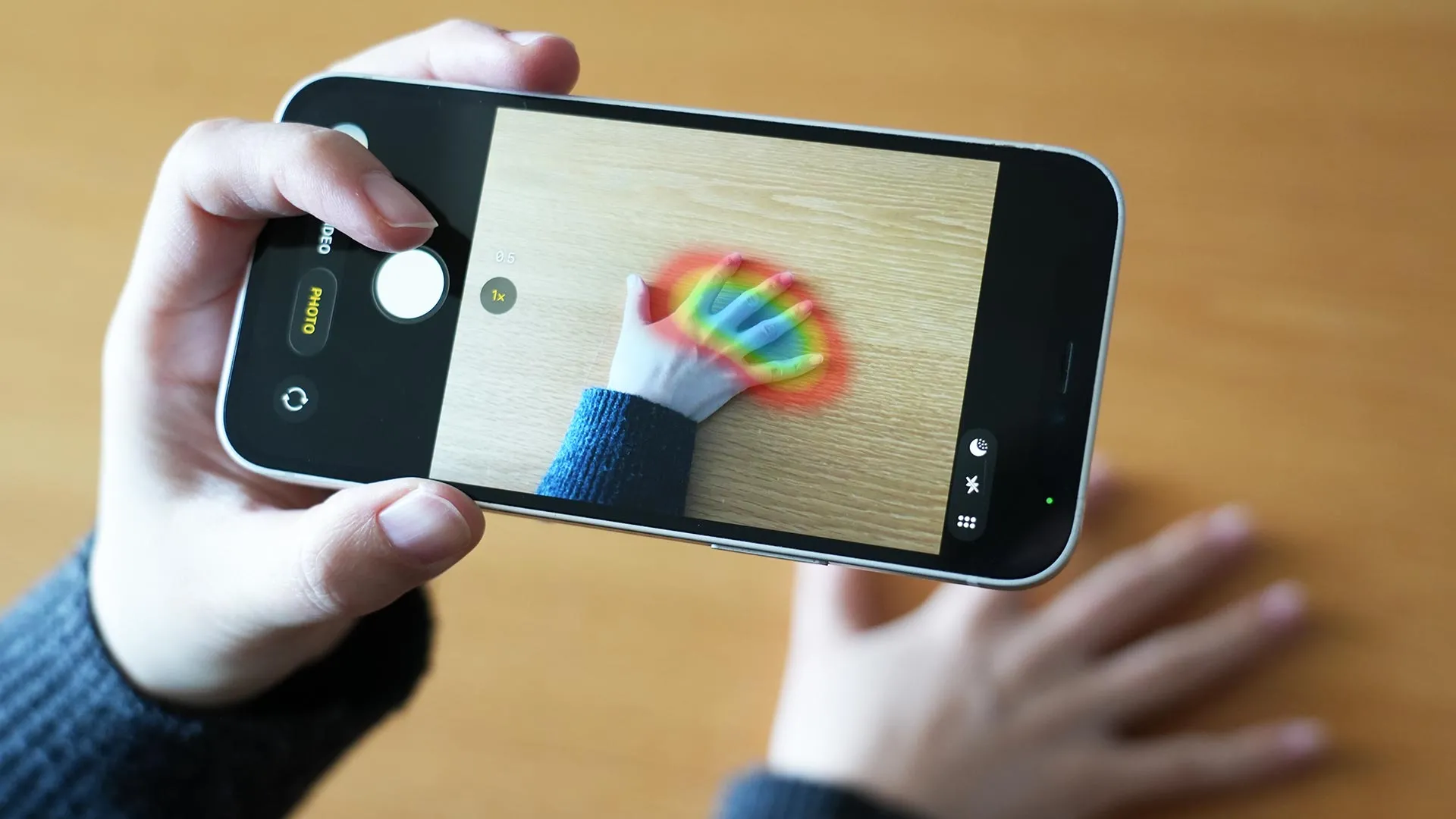
Researchers at Kobe University have unveiled a groundbreaking artificial intelligence system capable of identifying acromegaly, a rare endocrine disorder, through the analysis of photographs of a patient’s hand and clenched fist. This innovative approach sidesteps the use of facial imagery, a significant step forward in safeguarding patient privacy while maintaining high diagnostic accuracy. Experts anticipate that this technology could revolutionize how patients are referred to specialists, accelerate the diagnostic process, and crucially, improve access to specialized medical care in remote and underserved regions. The implications of this development extend beyond acromegaly, potentially paving the way for AI to screen for a wider array of visible medical conditions.
The Silent Progression of Acromegaly and the Need for Early Detection
Acromegaly, a chronic and often debilitating condition, typically emerges in middle age. It stems from the overproduction of growth hormone (GH) by the pituitary gland, an endocrine gland located at the base of the brain. This excess GH triggers a cascade of physiological changes, most notably the enlargement of extremities – hands and feet become disproportionately large, and facial features can subtly yet distinctly alter over time. Beyond external changes, acromegaly can lead to the abnormal growth of bones and internal organs, contributing to a range of serious health complications.
The insidious nature of acromegaly lies in its gradual onset. Symptoms develop over many years, making early recognition a formidable challenge for both patients and clinicians. This slow progression often leads to a significant delay in diagnosis. According to Hidenori Fukuoka, an endocrinologist at Kobe University and a lead researcher on the project, it is not uncommon for patients to wait up to a decade for a correct diagnosis. "Because the condition progresses so slowly, and because it is a rare disease, it is not uncommon to take up to a decade for it to be diagnosed," Fukuoka stated. This diagnostic odyssey can have profound consequences, as untreated acromegaly can lead to severe health issues, including cardiovascular disease, diabetes, and joint problems, ultimately shortening life expectancy by an average of 10 years.
The inherent difficulty in early detection has spurred interest in leveraging technological advancements, particularly artificial intelligence, for screening. "With the progress of AI tools, there have been attempts to use photographs for early detection, but they have not been adopted in clinical practice," Fukuoka noted, highlighting the persistent gap between research potential and clinical implementation.
A Privacy-Preserving AI: Focusing on the Hands
A significant hurdle in the development and adoption of medical AI is the inherent sensitivity surrounding patient data, particularly medical images. Many AI diagnostic tools rely heavily on facial recognition to identify a spectrum of conditions. However, this reliance raises considerable privacy concerns, potentially deterring patients from participating in studies or utilizing the technology.
Recognizing this challenge, the Kobe University research team opted for a novel and privacy-centric approach. Yuka Ohmachi, a graduate student and key researcher involved in the project, explained the team’s strategic decision: "Trying to address this concern, we decided to focus on the hands, a body part we routinely examine alongside the face in clinical practice for diagnostic purposes, particularly because acromegaly often manifests changes in the hands."
The rationale behind focusing on the hands is twofold. Firstly, acromegaly demonstrably affects the extremities, causing characteristic changes in size and shape. Secondly, images of the hands, when carefully curated, offer a more anonymized dataset compared to facial photographs. To further bolster privacy protections, the researchers meticulously limited their image collection to the dorsal (back) side of the hand and a clenched fist. This deliberate exclusion of palm images was crucial, as palm line patterns are highly individual and could potentially be used to identify a person, thereby compromising anonymity.
This thoughtful approach to data collection proved highly effective in recruiting a substantial participant base. Over 11,000 images were gathered from 725 patients across 15 diverse medical institutions throughout Japan. This extensive dataset was instrumental in training and rigorously testing the AI model, ensuring its robustness and reliability. The timeline for this data collection and AI development, while not explicitly detailed in the initial announcement, would have spanned several years, involving extensive collaboration and meticulous data annotation.
Unprecedented Accuracy: AI Surpasses Human Expertise
The findings of the Kobe University team were published in the prestigious Journal of Clinical Endocrinology & Metabolism, a leading publication in the field of endocrinology. The results were nothing short of remarkable. The AI model demonstrated exceptionally high levels of sensitivity and specificity in identifying acromegaly solely from hand images. Sensitivity, a measure of how well the AI correctly identifies those with the disease, was extremely high, meaning it rarely missed a case. Specificity, which measures how well the AI correctly identifies those without the disease, was also exceptionally strong, indicating a low rate of false positives.
In a direct comparative analysis, the AI system’s performance was pitted against that of experienced endocrinologists who were tasked with evaluating the same set of anonymized hand photographs. The AI not only matched but demonstrably surpassed the diagnostic accuracy of these human specialists. This finding is particularly striking given the subtle nature of some acromegaly-related hand changes.
Ohmachi expressed her astonishment at the AI’s capabilities: "Frankly, I was surprised that the diagnostic accuracy reached such a high level using only photographs of the back of the hand and the clenched fist. What struck me as particularly significant was achieving this level of performance without facial features, which makes this approach a great deal more practical for disease screening." This statement underscores the transformative potential of a diagnostic tool that can achieve high accuracy without relying on the most sensitive personal identifiable information.
Expanding Horizons: AI for Broader Medical Screening
The success achieved with acromegaly has opened up exciting avenues for future research and development. The Kobe University team is now eager to adapt their AI system to identify a wider range of medical conditions that manifest visible changes in the hands. The potential applications are vast and could significantly enhance early detection for numerous diseases.
Among the primary targets for future AI development are:
- Rheumatoid Arthritis: This autoimmune disease often causes characteristic swelling and deformities in the joints of the hands, which can be detected through imaging.
- Anemia: Certain forms of anemia can lead to paleness of the skin and nail changes, which might be discernible in high-resolution hand photographs.
- Finger Clubbing: This is a physical sign where the fingers and fingernails grow and curve over the tips, often indicative of underlying lung, heart, or gastrointestinal conditions.
"This result could be the entry point for expanding the potential of medical AI," Ohmachi commented, emphasizing the foundational nature of their breakthrough. The ability to screen for multiple conditions using a single, non-invasive method could dramatically streamline healthcare pathways.
Bridging the Gap: Supporting Clinicians and Enhancing Healthcare Access
It is crucial to emphasize that the Kobe University researchers envision their AI tool as a powerful adjunct to, rather than a replacement for, human medical expertise. In real-world clinical settings, the diagnosis of complex conditions like acromegaly involves a comprehensive assessment, encompassing detailed medical history, laboratory tests, and thorough physical examinations. The AI system is designed to complement these established diagnostic protocols.
The study authors describe their technology as a means to "complement clinical expertise, reduce diagnostic oversight and enable earlier intervention." This means that the AI can act as an early warning system, flagging potential cases that might otherwise be missed or delayed.
Study lead Fukuoka articulated a clear vision for the technology’s role in the broader healthcare landscape: "We believe that, by further developing this technology, it could lead to creating a medical infrastructure during comprehensive health check-ups to connect suspected cases of hand-related disorders to specialists. Furthermore, it could support non-specialist physicians in regional healthcare settings, thus contributing to a reduction of healthcare disparities there."
This vision has significant implications for healthcare accessibility, particularly in rural or geographically isolated areas where access to specialists is limited. By empowering general practitioners and healthcare workers with a reliable screening tool, the AI can facilitate timely referrals, ensuring that patients receive the specialized care they need without unnecessary delays. This could translate into improved patient outcomes, reduced healthcare costs associated with late-stage disease management, and a more equitable distribution of medical resources.
The research received crucial financial backing from the Hyogo Foundation for Science Technology. The project also benefited from the collaborative efforts of a wide array of academic and medical institutions, including Fukuoka University, Hyogo Medical University, Nagoya University, Hiroshima University, Toranomon Hospital, Nippon Medical School, Kagoshima University, Tottori University, Yamagata University, Okayama University, Hyogo Prefectural Kakogawa Medical Center, Hokkaido University, International University of Health and Welfare, Moriyama Memorial Hospital, and Konan Women’s University. This extensive network of collaboration underscores the multidisciplinary nature of this groundbreaking achievement and its potential to impact medical diagnostics nationwide and potentially globally. The successful integration of this AI into routine health check-ups could mark a paradigm shift in preventative medicine and early disease intervention.
