
 By Nana O
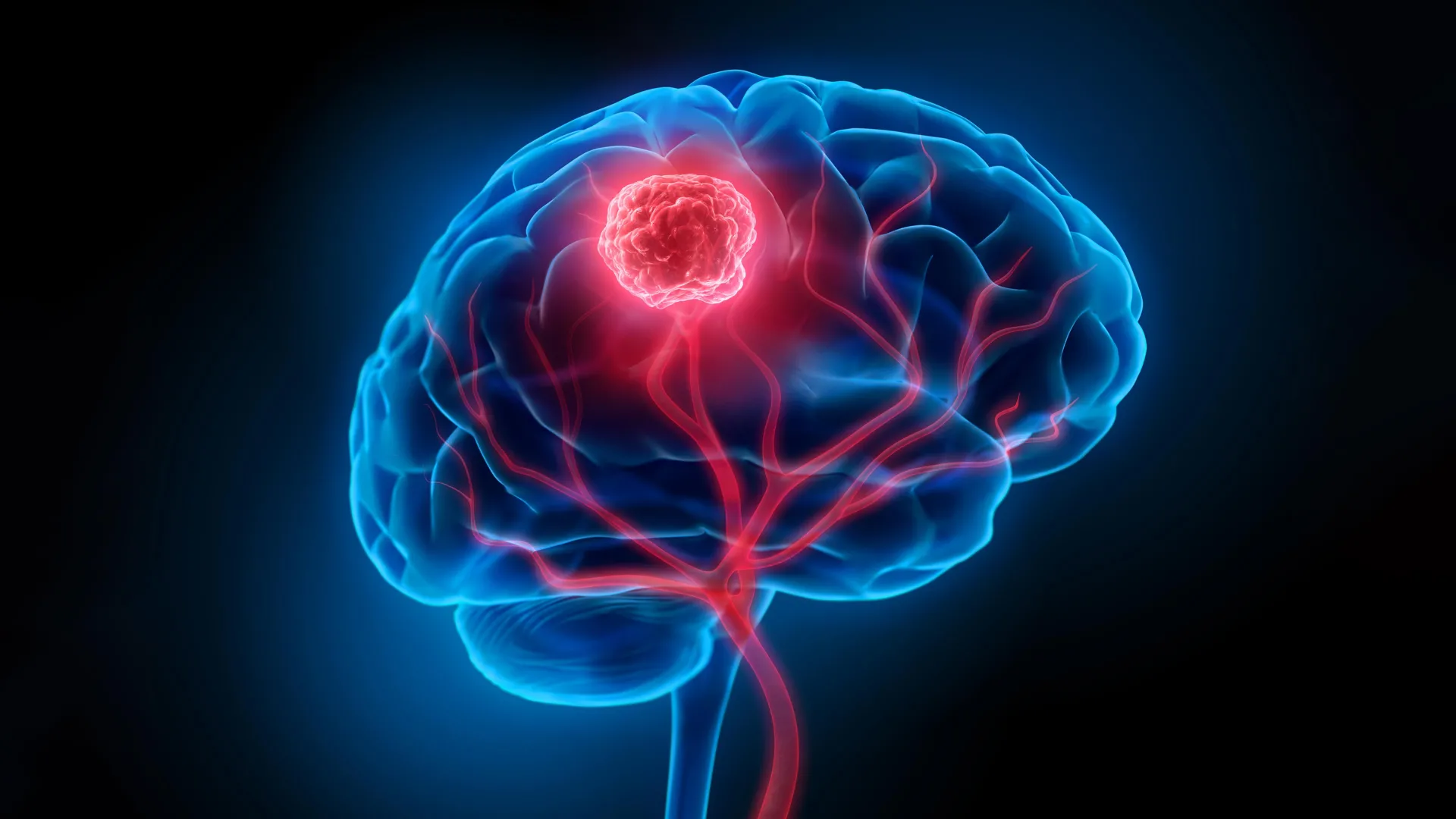
Glioblastoma, the most aggressive form of brain cancer, has long presented a formidable challenge to medical science. Characterized by its insidious infiltration into surrounding brain tissue, complete surgical removal is often impossible without risking severe neurological damage. Compounding this difficulty is the blood-brain barrier, a biological shield that severely limits the efficacy of conventional treatments like chemotherapy and radiotherapy. These combined obstacles contribute to a grim prognosis, with a five-year survival rate hovering at a mere 7 percent. However, a groundbreaking development from a collaborative effort between researchers at the University of Technology Sydney (UTS), Harvard University, and Henan University offers a beacon of hope. Their newly developed "double-punch" nanozyme platform, detailed in the prestigious journal Science Translational Medicine, promises to address both the surgical and therapeutic limitations of glioblastoma treatment through a single, intelligent nanoparticle system.
A Dual-Action Approach to a Complex Disease
The core innovation lies in an elegantly engineered single material capable of performing two distinct, sequential tasks. Dr. Bingyang Shi, Chair Professor of nanomedicine at UTS, explained the dual functionality: "We’ve engineered a single material that does two jobs in sequence. It’s a precise guide for the surgeon during the operation, and then a targeted clean-up treatment afterward." This represents a significant paradigm shift in brain cancer therapy, moving beyond single-function interventions to a more comprehensive, integrated approach.
At the heart of this revolutionary platform is an ultra-thin, two-dimensional sheet meticulously constructed from individual atoms. This atomic-level precision, achieved through a process adapted from advanced semiconductor manufacturing techniques, imbues the material with its remarkable adaptability. The structure allows it to seamlessly transition between two critical roles: first, as a highly sensitive imaging agent during surgery, and second, as a potent therapeutic agent for post-operative treatment. Crucially, both of these functions are activated by the same wavelength of near-infrared light, simplifying the application process and minimizing the need for multiple treatment modalities.
Enhancing Surgical Precision: Illuminating Hidden Tumor Clusters
The initial phase of the nanoparticle platform’s application focuses on revolutionizing the surgical removal of glioblastoma. During an operation, the material acts as an exceptionally sensitive imaging agent. A specially engineered fluorescent dye integrated into the atomic sheet emits a glow under near-infrared light, invisible to the naked eye. This allows surgeons to visualize individual tumor cell clusters with an unprecedented resolution, down to 44 micrometers. This level of detail surpasses the capabilities of current clinical imaging tools, enabling surgeons to identify and excise microscopic cancerous deposits that would otherwise remain undetected.
Furthermore, the nanoparticle is equipped with a targeting molecule. This crucial component enables the material to effectively traverse the blood-brain barrier, a significant hurdle in glioblastoma treatment. Once past this barrier, the nanoparticle selectively accumulates within glioma cells, ensuring that the imaging signal is concentrated precisely where it is needed most. This targeted accumulation not only enhances the accuracy of surgical resection but also minimizes potential off-target effects on healthy brain tissue.
The significance of this enhanced visualization cannot be overstated. Glioblastoma’s diffuse growth pattern means that even experienced neurosurgeons can struggle to differentiate tumor margins from healthy brain tissue. The ability to "see" these subtle infiltrations with such clarity can lead to more aggressive and complete tumor removal, a critical factor in improving patient outcomes. Historical data consistently shows a strong correlation between the extent of surgical resection and overall survival in glioblastoma patients. By providing surgeons with a more powerful visual aid, this nanoparticle platform directly addresses this fundamental surgical challenge.
Post-Operative Therapy: Eradicating Residual Cancer Cells
Following the visible tumor’s removal, the same nanoparticle material is deployed within the surgical cavity. Upon reactivation with the same near-infrared light, it initiates its therapeutic phase. This dual-action approach targets the microscopic cancer cells that inevitably escape surgical resection, a primary driver of tumor recurrence.
The therapeutic mechanism is multifaceted. The platinum atoms embedded within the nanoparticle platform play a pivotal role. They catalyze the conversion of the tumor’s own hydrogen peroxide into oxygen. This process is vital because glioblastoma tumors often create a hypoxic (low-oxygen) microenvironment, which typically shields cancer cells from conventional treatments. By increasing oxygen levels, the nanoparticles disrupt this protective shield, making the remaining cancer cells more susceptible to therapy.
Simultaneously, the near-infrared light activates the nanoparticles to generate heat and reactive oxygen species (ROS). These highly potent molecules actively destroy the microscopic cancer cells that surgery could not reach. This combination of oxygen generation, localized heating, and ROS production creates a hostile environment for any residual tumor cells, significantly reducing the likelihood of recurrence.
Addressing the Scourge of Recurrence: Pre-Clinical Successes
The insidious nature of glioblastoma is most starkly illustrated by its high recurrence rate. Even after seemingly successful surgery, microscopic cancer cells left behind can proliferate and lead to a fatal regrowth of the tumor. The UTS-led research directly confronts this critical issue with promising pre-clinical results.
In rigorous studies conducted on mouse models of glioblastoma, the nanoparticle platform demonstrated a significant reduction in tumor recurrence following surgery. The data reveals a compelling difference in survival rates: every mouse treated with the nanoparticle approach remained alive at the 60-day mark. In stark contrast, mice that underwent surgery alone had a survival period of only 42 days. This represents a substantial improvement in survival, underscoring the therapeutic efficacy of the dual-action nanozyme.
Beyond its anti-cancer effects, the research team also paid close attention to potential side effects. Follow-up neurological and motor assessments in the treated mice revealed no detectable impairments associated with the nanoparticle treatment. This is a crucial finding, as any new therapy for brain cancer must balance efficacy with the preservation of cognitive and motor function. The absence of such deficits in the animal models suggests a favorable safety profile for the platform, although extensive human trials will be necessary to confirm this.
A Glimpse into the Future: Promising but Early-Stage Research
While the findings are undeniably encouraging, the researchers are careful to emphasize that this technology is still in its nascent stages of development. "The results are very encouraging, but this is still early-stage research carried out in mouse models, not in people – and that distinction is important," stated Professor Shi. The transition from animal models to human clinical trials is a complex and lengthy process, fraught with scientific and regulatory challenges.
The next critical step will involve scaling up the technology to accurately reflect the complexities of the human brain. The imaging and therapeutic performance of the nanoparticles will need to be rigorously validated within the larger and more intricate environment of a human brain. This will involve extensive preclinical testing, including advanced imaging studies and safety evaluations designed to meet stringent regulatory requirements.
If the technology continues to demonstrate efficacy and safety through these rigorous validation processes, the implications for glioblastoma patients could be profound. "The hope is that surgeons could one day see more of the tumor during an operation and treat more of what’s left behind afterward," Professor Shi articulated. "It’s a meaningful step towards reducing recurrence, which remains one of the biggest challenges for people with glioblastoma." The potential for a single, integrated system that enhances surgical precision and eradicates residual disease offers a tangible path toward improving the long-term prognosis for individuals diagnosed with this devastating cancer.
Broader Implications and the Road Ahead
The development of this dual-action nanozyme platform represents a significant advancement in the field of nanomedicine and its application to oncology. It exemplifies the power of interdisciplinary collaboration, bringing together expertise in materials science, engineering, medicine, and biology. The ability to design intelligent materials with precisely controlled functionalities opens up new avenues for tackling other complex diseases that have historically resisted effective treatment.
The successful navigation of the translational pathway from laboratory to clinic will require substantial investment and continued research. However, the early success in preclinical models provides a strong foundation for optimism. The glioblastoma research community, patients, and their families will be watching with keen interest as this promising technology progresses. The potential to offer surgeons a clearer view of the tumor and provide a more comprehensive post-operative defense against recurrence marks a pivotal moment in the ongoing battle against one of the most aggressive and unforgiving forms of cancer. This innovation underscores the relentless pursuit of scientific solutions that can transform the landscape of cancer care and offer renewed hope to those affected by glioblastoma.
