
 By Gilang Cahya
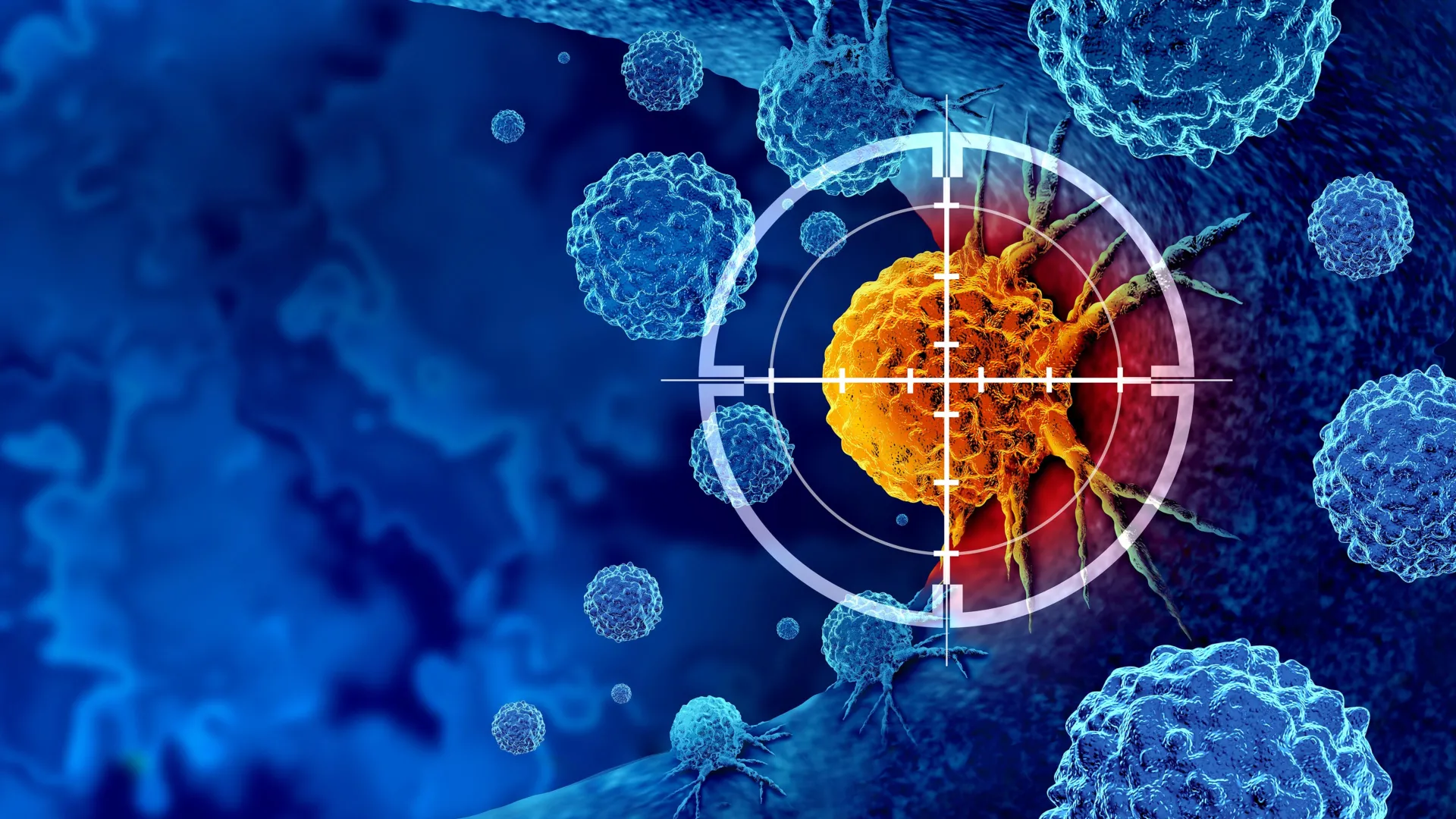
Scientists at the renowned Francis Crick Institute and the innovative biotechnology firm Vividion Therapeutics have unveiled a significant breakthrough in cancer treatment, identifying novel chemical compounds that specifically disrupt the interaction between the cancer-driving RAS gene and a crucial pathway responsible for tumor proliferation. This pioneering discovery, which has transitioned into its first human clinical trial, holds the promise of a new generation of cancer therapies designed to be both broadly applicable and remarkably precise, thereby minimizing collateral damage to healthy cells.
The RAS Gene: A Double-Edged Sword in Cellular Growth
The RAS gene family, comprising KRAS, HRAS, and NRAS, plays a fundamental role in regulating normal cellular growth, division, and differentiation. These genes act as molecular switches, receiving external signals and relaying them to the cell’s nucleus to initiate or halt these vital processes. However, mutations within the RAS genes are among the most common genetic alterations found in human cancers, present in approximately 20-30% of all malignancies. When mutated, RAS proteins become constitutively active, meaning they are permanently switched on, sending continuous signals that fuel uncontrolled cell proliferation and ultimately lead to tumor formation. These mutations are particularly prevalent in pancreatic cancer (over 90%), colorectal cancer (around 40%), and non-small cell lung cancer (around 25-30%).
Historically, targeting RAS directly has been a formidable challenge for oncologists and researchers. The very pathways that mutated RAS hijacks for tumor growth are also essential for normal cellular functions. This has made it incredibly difficult to develop drugs that can effectively shut down the oncogenic activity of RAS without causing severe, dose-limiting toxicities in patients. A prime example of this complexity involves PI3K (phosphoinositide 3-kinase), a key enzyme in the signaling cascade downstream of RAS. While PI3K is instrumental in promoting cell growth and survival, it also plays a critical role in metabolic regulation, including insulin signaling and blood sugar control. Inhibiting PI3K broadly can therefore lead to significant side effects like hyperglycemia (high blood sugar), a serious complication that can necessitate dose reductions or discontinuation of treatment.
A Novel Strategy: Inhibiting the Interaction, Not the Enzyme
The innovative approach pursued by the collaborative teams at the Francis Crick Institute and Vividion Therapeutics sidesteps the inherent difficulties of directly inhibiting RAS or broadly targeting downstream enzymes like PI3K. Instead, their strategy focuses on preventing the specific interaction between the activated RAS protein and PI3K. This intricate dance between RAS and PI3K is a critical early step in the signaling pathway that drives cancer growth. By blocking this connection, the researchers aim to interrupt the tumor-promoting signals without completely disabling the essential functions of PI3K in healthy cells.
This sophisticated strategy was the culmination of extensive research, combining advanced chemical screening techniques with rigorous biological validation. The study, published on October 9 in the prestigious journal Science, details how the researchers meticulously identified chemical compounds that could precisely interfere with the RAS-PI3K interface.
Vividion’s Chemical Expertise and the Crick’s Biological Acumen
Vividion Therapeutics, known for its expertise in leveraging chemical biology to discover novel drug candidates, employed its proprietary platform to pinpoint a set of small molecules with a remarkable property: they irreversibly bind to a specific site on the PI3K enzyme. Crucially, this binding occurs at or near the very location where the activated RAS protein would normally dock. This targeted modification effectively acts as a molecular roadblock, preventing RAS from initiating the downstream signaling cascade through PI3K.
The Francis Crick Institute’s researchers, in turn, developed a specialized assay – a laboratory test designed to detect and measure a specific biological or biochemical phenomenon. This assay was instrumental in confirming the efficacy of Vividion’s identified compounds. It allowed the team to verify that these molecules indeed prevented the RAS-PI3K interaction while, critically, leaving PI3K free to engage with its other binding partners and perform its vital physiological roles, including those related to normal insulin signaling. This distinction is paramount for achieving a favorable therapeutic window with minimal off-target effects.
Pre-clinical Success: Promising Results in Animal Models
The promise of this targeted approach was further underscored by compelling pre-clinical data. In experiments involving mice bearing lung tumors with common RAS mutations, a lead compound from this discovery demonstrated significant efficacy. Treatment with the compound effectively halted tumor growth, a crucial step in developing an anti-cancer therapy. Equally important, and in line with the therapeutic strategy, the researchers observed no evidence of elevated blood sugar levels in the treated animals, suggesting that the compound’s mechanism of action did not disrupt the essential metabolic functions of PI3K.
Building on this initial success, the scientists explored the potential of combining the new compound with other therapeutic agents. They investigated its synergistic effects when administered alongside one or two additional drugs that target different enzymes within the same cancer-promoting pathway. These combination studies yielded even more encouraging results, demonstrating a more potent and sustained suppression of tumor growth compared to any of the drugs used in isolation. This highlights the potential for a multi-pronged attack on cancer, further enhancing therapeutic outcomes.
Broader Applicability: Beyond RAS Mutations
The researchers also expanded their investigations to assess the compound’s efficacy in models of other cancers that do not necessarily involve RAS mutations but share similar signaling vulnerabilities. They tested the compound in mice with tumors driven by mutations in the HER2 gene. HER2 is a receptor tyrosine kinase that is frequently overexpressed or amplified in certain cancers, most notably breast cancer, and also connects to the PI3K pathway. Remarkably, the compound proved effective in halting tumor growth in these HER2-mutated models as well, even though the direct interaction with RAS was not the primary mechanism at play. This finding suggests that the compound’s ability to modulate the PI3K pathway, by interfering with specific upstream activators, could offer therapeutic benefits for a wider spectrum of cancers beyond those directly driven by RAS mutations.
The Dawn of Human Trials: A New Era of Precision Oncology
The robust pre-clinical data has paved the way for the most critical phase of drug development: human clinical trials. The novel drug candidate has now entered Phase 1 clinical trials, designed to evaluate its safety and tolerability in human patients. These initial trials will enroll individuals with both RAS-mutated and HER2-mutated cancers, aiming to establish safe dosage ranges and identify any potential side effects. The trials will also explore the efficacy of the potential treatment, particularly in combination with other existing or emerging cancer drugs that target the RAS pathway or related signaling networks.
Expert Perspectives: Overcoming Decades of Challenges
Julian Downward, Principal Group Leader of the Oncogene Biology Laboratory at the Francis Crick Institute, expressed optimism about the potential of this breakthrough. "For many years, we have been intensely focused on understanding how to inhibit the RAS gene’s interaction with cell growth pathways, recognizing its widespread involvement in numerous cancers," Dr. Downward stated. "However, the challenge has always been the significant side effects associated with directly targeting these pathways. Our collaborative effort has successfully circumvented this hurdle by specifically targeting the interaction between RAS and PI3K, while judiciously preserving PI3K’s essential functions with its other partners. Witnessing these clinical trials commence is a testament to the power of integrating our understanding of chemistry and fundamental biology to develop treatments with the potential to truly benefit cancer patients."
Matt Patricelli, Ph.D., Chief Scientific Officer of Vividion Therapeutics, echoed this sentiment, emphasizing the innovative nature of their discovery approach. "This discovery exemplifies how novel discovery methodologies can unlock entirely new avenues for tackling cancer," Dr. Patricelli remarked. "By meticulously designing molecules that prevent the critical connection between RAS and PI3K, while simultaneously ensuring the continuity of healthy cellular processes, we have engineered a method to selectively disarm a pivotal cancer growth signal. It is profoundly rewarding to see this scientific endeavor advance into the clinic, where it holds the potential to make a tangible difference in the lives of patients facing these challenging diseases."
Broader Implications: A Paradigm Shift in Cancer Therapy
The implications of this discovery extend far beyond the immediate therapeutic promise for patients with RAS or HER2-mutated cancers. It represents a significant paradigm shift in how researchers and clinicians approach the development of targeted cancer therapies. The success of this strategy highlights the power of "allosteric inhibition" – modulating the function of a protein by binding to a site other than its active site. In this case, the compounds bind to PI3K at a site that influences its interaction with RAS, rather than directly blocking its enzymatic activity.
This precision-based approach, which prioritizes preserving normal cellular functions, could serve as a blueprint for developing treatments for other cancers driven by complex signaling networks where broad inhibition has proven problematic. The ability to selectively disarm oncogenic pathways while minimizing toxicity has long been the holy grail of cancer drug development. If successful in clinical trials, this new class of compounds could usher in an era of more effective and better-tolerated cancer treatments, potentially transforming the outlook for millions of patients worldwide. The ongoing clinical trials will be closely watched by the global scientific and medical communities as they hold the key to unlocking the full potential of this groundbreaking discovery.
