
 By Suherman Candra Maholtra
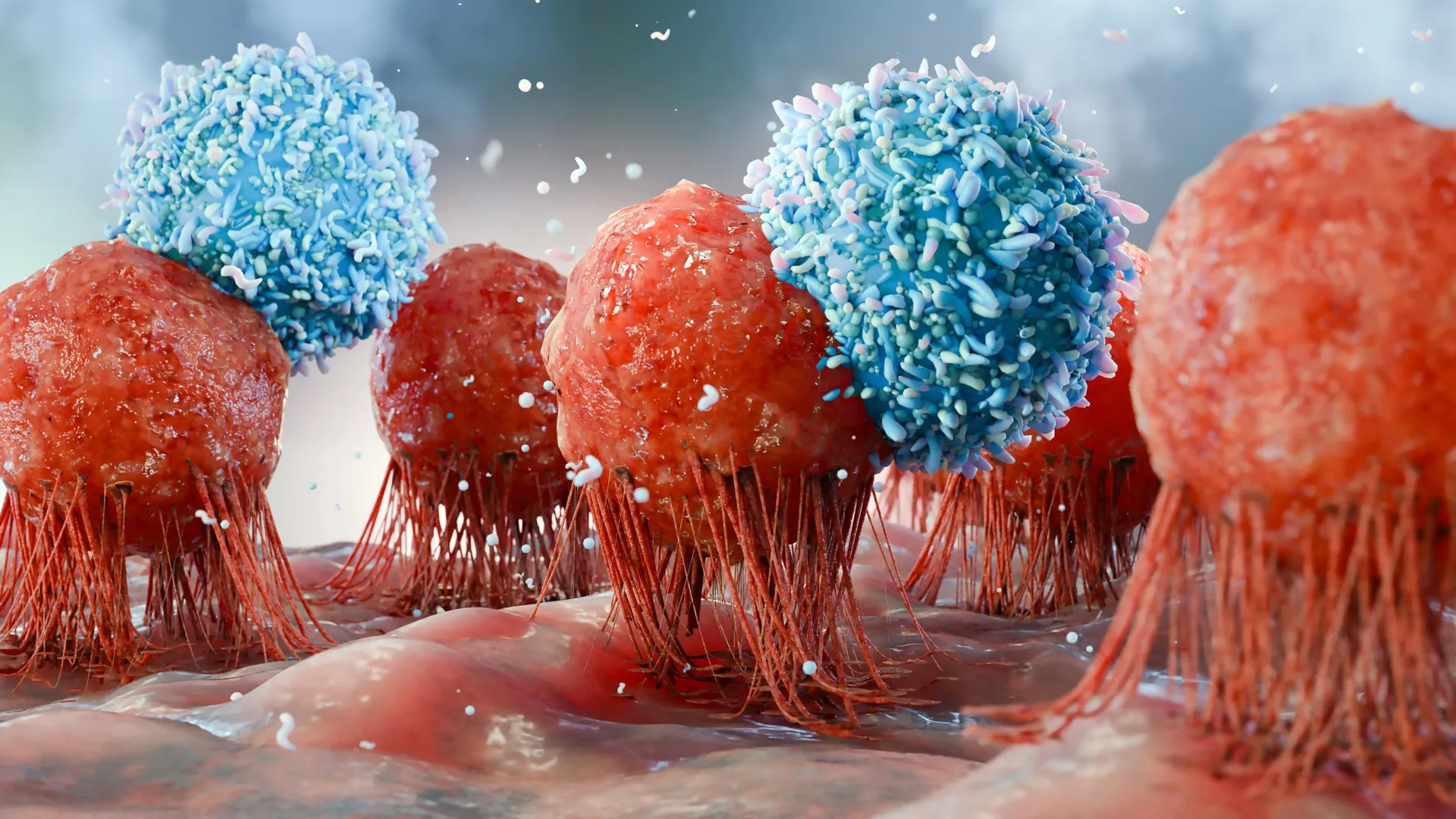
In a discovery that challenges decades of conventional wisdom regarding the relationship between oxidative stress and human health, researchers have found that cancer cells utilize antioxidants to create a protective chemical shield against the body’s immune system. The study, published in the prestigious journal Science, reveals that while reactive oxygen species (ROS)—commonly known as free radicals—are often viewed as purely harmful agents that damage DNA, they are actually essential signaling molecules that T cells require to identify and eliminate malignant growths. By secreting a specific antioxidant protein known as Peroxiredoxin 1 (PRDX1), tumors effectively "disarm" these immune cells, allowing the cancer to proliferate unchecked even in the presence of modern immunotherapy treatments.
This collaborative effort, led by scientists from the University of Cambridge in the United Kingdom and Oregon Health & Science University (OHSU) in the United States, provides a compelling explanation for why many patients do not respond to existing immunotherapies. The findings suggest that the very molecules the public has been taught to neutralize with supplements may be the key to "switching on" the body’s natural ability to fight cancer.
The Dual Nature of Reactive Oxygen Species
For over half a century, the prevailing narrative in biology has cast reactive oxygen species as the villains of cellular health. Produced as byproducts of normal metabolism, these highly reactive molecules can damage lipids, proteins, and DNA, leading to mutations and aging. This understanding sparked a multi-billion-dollar global industry centered on antioxidant supplements, premised on the idea that neutralizing ROS would prevent chronic diseases, including cancer.
However, the new research highlights a more nuanced biological reality. Within the complex ecosystem of the human immune system, ROS serve as critical "messengers." When a T cell—the primary foot soldier of the immune system—encounters a potential threat, it requires a small, localized burst of ROS to trigger the internal signaling pathways necessary for activation. Without this oxidative "spark," the T cell remains in a dormant state, unable to deploy its toxic payload against a tumor.
"We tend to think of reactive oxygen species purely as damaging byproducts of metabolism," explained Dr. Xan Wesolowski, a lead author of the study from the University of Cambridge’s Department of Pathology. "But we are increasingly understanding they have important functions within cells, and T cells need them to activate. Our study develops this picture, revealing that tumors can exploit this very dependency to evade elimination."
Chronology of the Discovery: From Mice to Human Data
The research team began their investigation by examining the "microenvironment" of tumors—the immediate chemical and physical surroundings of cancer cells. They specifically focused on the interstitial fluid, the liquid that bathes cells within a solid tumor. Using mouse models, the researchers observed a striking phenomenon: T cells that entered the tumor environment appeared to lose their functional capacity almost immediately.
To determine why, the team utilized CRISPR-Cas9 gene-editing technology to screen for various proteins produced by the cancer cells. Their search led them to Peroxiredoxin 1 (PRDX1), a potent antioxidant protein. They discovered that the cancer cells were not just producing PRDX1 for their own internal protection; they were actively secreting it into the extracellular space in massive quantities.
The chronology of the validation process followed a rigorous path:
- Identification: Researchers isolated PRDX1 as a primary secreted factor in mouse tumor models.
- Genetic Silencing: Using CRISPR, the team created "knockout" cancer cells that could no longer produce PRDX1. When these modified cells were introduced into mice, the immune systems of the animals were able to significantly slow tumor growth, as the T cells remained active.
- Cross-Species Validation: The team then pivoted to human data, analyzing protein secretion patterns from a wide array of human cancer cell lines.
- Clinical Correlation: Finally, the researchers examined gene activity patterns in thousands of human tumor samples and analyzed fluid collected from tumors surgically removed from human patients, confirming that high levels of PRDX1 were a common feature across various cancer types.
The "Antioxidant Shield" and Immunotherapy Resistance
The discovery of the PRDX1 mechanism provides a breakthrough in understanding immunotherapy resistance. In the last decade, treatments such as checkpoint inhibitors (e.g., PD-1 and CTLA-4 blockers) have revolutionized oncology by "releasing the brakes" on the immune system. However, these drugs often fail in what are known as "cold" tumors—malignancies that the immune system simply fails to recognize or attack.
The study found that by removing the ROS necessary for T cell activation, the PRDX1 "shield" creates a zone of immune suppression that even the most advanced drugs cannot overcome. In experimental models, the researchers demonstrated that blocking the production of PRDX1 made previously resistant tumors sensitive to immunotherapy.
Professor Rahul Roychoudhuri, a senior author from Cambridge, noted the clinical significance of this finding. "We’ve found a new way by which cancers shut down the immune system," he said. "When we block this process, tumors that don’t respond to some immunotherapies start responding to treatment. That tells us this is a pathway worth targeting therapeutically, and there are several ways we might be able to achieve this."
Supporting Data: The Quantitative Impact of PRDX1
The quantitative data provided in the Science publication paints a clear picture of the protein’s inhibitory power. In mouse models where PRDX1 was silenced, the concentration of reactive oxygen species in the tumor microenvironment remained at levels sufficient for T cell signaling. In these subjects, T cell infiltration into the tumor was not only higher, but the cells also expressed significantly higher levels of granzyme B and interferon-gamma—the primary chemicals used by the immune system to kill cancer cells.
Furthermore, the analysis of human clinical data showed a strong correlation between high PRDX1 expression and poor patient prognosis in several types of cancer, including lung and breast cancer. This suggests that the antioxidant shield is not an isolated phenomenon but a widespread strategy employed by diverse malignancies to survive.
Reevaluating the Role of Antioxidant Supplements
One of the most provocative implications of the study concerns the use of dietary antioxidant supplements. For decades, researchers have been puzzled by the results of large-scale clinical trials involving antioxidants like Beta-carotene, Vitamin E, and Vitamin C. While laboratory studies suggested they should prevent cancer, human trials—such as the CARET study and the SELECT trial—often showed no benefit, and in some cases, an increased risk of lung and prostate cancer among those taking supplements.
The Cambridge and OHSU findings provide a plausible biological mechanism for these failures. If the immune system requires oxidative stress to identify and kill nascent cancer cells, then flooding the body with high doses of antioxidants might inadvertently help early-stage tumors hide from the immune system.
Dr. Robert Eil, a surgeon and researcher at the OHSU School of Medicine, suggested that the future of cancer treatment might involve the opposite approach. "Our study suggests a possible way to boost T cell immunotherapies," Dr. Eil said. "Rather than using antioxidants, it could be that pro-oxidants can kickstart the T cells into action against tumor cells."
Broader Impact and Future Directions
The identification of PRDX1 as an "immune checkpoint" of a chemical nature opens a new frontier in drug development. Pharmaceutical companies may now look toward developing small-molecule inhibitors or monoclonal antibodies designed to neutralize PRDX1 in the tumor microenvironment. Such a "decoy" strategy would allow ROS to persist just long enough for T cells to recognize their targets.
However, the researchers urge caution. Because these findings are currently in the preclinical stage, the safety and efficacy of PRDX1-targeting drugs in humans have yet to be established. The "redox balance" of the human body is incredibly delicate; while too few ROS may hinder the immune system, too many can cause systemic toxicity and damage to healthy organs.
The study also reinforces the importance of the tumor microenvironment in cancer research. It suggests that the "secretome"—the collection of proteins secreted by a cell—is just as important as the genetic mutations within the cell itself.
The research was made possible through extensive funding from international bodies, including the Medical Research Council (MRC), the European Research Council, Wellcome, and the National Institutes of Health (NIH) / National Cancer Institute. These organizations have signaled a continued interest in redox biology as a cornerstone of next-generation oncology.
As the scientific community digests these findings, the message for the general public remains one of clinical prudence. While the study provides a fascinating look at how cancer exploits "healthy" molecules for "unhealthy" ends, patients are advised to consult with their oncologists before making any changes to their nutritional or supplement regimens. The shift from "antioxidant" to "pro-oxidant" thinking marks a significant pivot in the war on cancer, one that may eventually turn the tide for patients who have run out of traditional treatment options.
