
 By Nana O
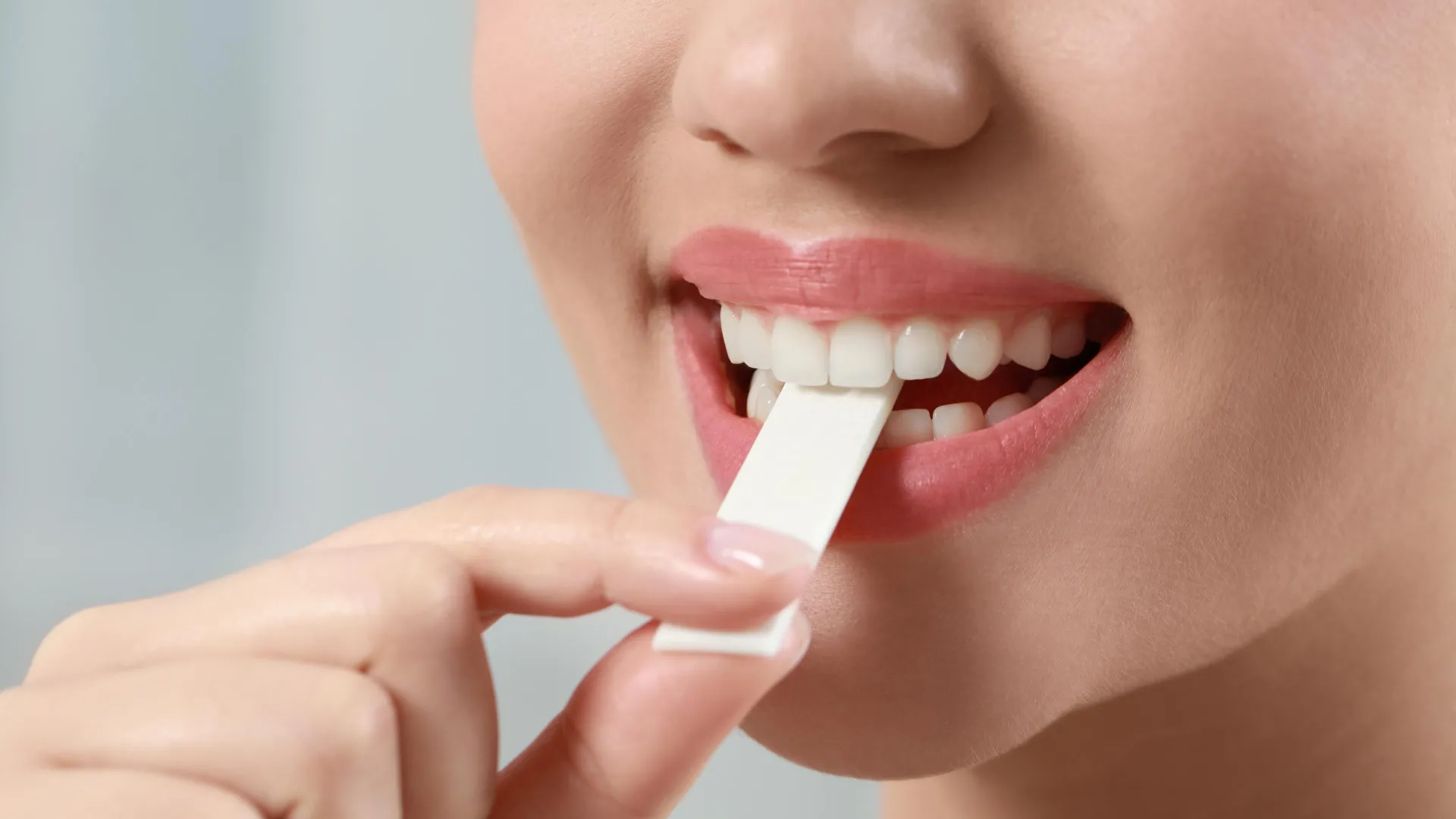
A groundbreaking development in the fight against head and neck cancers has emerged from the laboratories of the University of Pennsylvania, where researchers have engineered a chewing gum with the potential to combat key viral and bacterial culprits associated with these devastating diseases. In vitro studies utilizing samples from patients diagnosed with head and neck squamous cell carcinoma (HNSCC) have demonstrated that extracts from this specially formulated gum can drastically reduce levels of human papillomavirus (HPV), a significant carcinogen, by up to an impressive 93%. Furthermore, an enhanced iteration of the gum exhibited a near-complete elimination of two particularly harmful bacterial species, Porphyromonas gingivalis (Pg) and Fusobacterium nucleatum (Fn), while critically preserving the presence of beneficial oral bacteria.
The findings, meticulously detailed in the esteemed journal Scientific Reports, represent a significant stride toward developing novel preventative strategies and supportive therapies for individuals battling head and neck cancers. Researchers are optimistic that this plant-based technology, rooted in innovative bioengineering, could eventually offer a more accessible and affordable treatment option for patients worldwide, addressing a critical unmet need in cancer care.
Pioneering the Fight Against Oral Pathogens
The research team, spearheaded by Professor Henry Daniell of the University of Pennsylvania’s School of Dental Medicine, has been at the forefront of exploring unconventional avenues for medical protein production. Their work centers on leveraging the inherent capabilities of specially engineered plants to generate therapeutic proteins with the potential to address a spectrum of health challenges. This latest investigation into chewing gum’s medicinal properties is a testament to their persistent pursuit of innovative solutions.
Head and neck squamous cell carcinoma (HNSCC) is a formidable foe, comprising a group of cancers that originate in the tissues lining the mouth, throat, and related structures. These cancers, often originating in squamous cells – the thin, flat cells that form the surface of many body tissues – can become particularly aggressive and challenging to manage once they have spread. Patients diagnosed with advanced-stage HNSCC frequently face a grim prognosis, with survival rates often remaining distressingly low.
Professor Daniell underscores the limitations of current therapeutic landscapes. "The recently approved cancer medications have generally failed to produce major improvements in patients’ quality of life or their chances of surviving five years after diagnosis," he states. This stark reality underscores the urgent and ongoing need for more effective treatment modalities and, crucially, for novel strategies that can either prevent the disease’s onset or mitigate the severity of its complications.
One area of intense scientific focus has been the intricate ecosystem of microorganisms residing within the oral cavity. While the majority of oral microbes coexist harmoniously, contributing to a healthy environment, a select group of viruses and bacteria have been undeniably linked to the initiation and progression of head and neck cancers.
The current research specifically targeted three such microbes. The primary focus was on HPV, a ubiquitous virus that, when persistent, can lead to the development of certain cancers, including oropharyngeal cancers. The other two targets were the bacteria Porphyromonas gingivalis (Pg) and Fusobacterium nucleatum (Fn). These bacterial species have been implicated in various oral diseases and, in the context of cancer, are associated with poorer patient outcomes, particularly in those with untreated recurrent or metastatic oral cancers.
"The global increase in oropharyngeal cancer is intrinsically linked to HPV infection," Professor Daniell elaborates. "And Pg and Fn infections demonstrably worsen survival rates of untreated recurrent or metastatic oral cancer, even after the application of surgery and risk-adjusted adjuvant, or supplemental, therapies." Oropharyngeal cancer, specifically affecting the middle portion of the throat – encompassing areas like the tonsils and the base of the tongue – is a significant public health concern. Metastatic cancer refers to the spread of cancer cells from their original site to other parts of the body, while adjuvant treatments are additional therapies administered to enhance the efficacy of the primary treatment regimen.
From Bean Gum to Biomedical Innovation
The foundation of this novel chewing gum technology lies in the research team’s prior development of a chewing gum derived from lablab beans, commonly known as bean gum. This initial formulation incorporated FRIL, a naturally occurring protein recognized for its potent antiviral properties.
To rigorously assess its therapeutic potential, the scientists subjected extracts from this bean gum to rigorous laboratory testing against the targeted microbes present in oral samples meticulously collected from individuals diagnosed with head and neck cancer. The outcomes of these experiments were nothing short of remarkable. The bean gum extracts demonstrated a significant reduction in HPV levels, decreasing them by an impressive 93% in saliva samples and by a substantial 80% in oral rinse samples. These compelling results strongly suggest that proteins delivered via the simple act of chewing gum could play a pivotal role in curtailing the presence of viruses that are deeply entwilled with the etiology of certain head and neck cancers.
Building upon this promising initial success, the research team escalated their efforts by engineering the gum to incorporate protegrin, a class of antimicrobial peptides. Peptides are essentially short chains of amino acids, the fundamental building blocks of proteins. Certain antimicrobial peptides possess a remarkable ability to directly attack and neutralize harmful microorganisms, positioning them as highly promising candidates for the development of next-generation infection treatments.
The introduction of protegrin into the gum formulation yielded even more dramatic results. A single dose of the engineered gum extract was found to reduce the targeted bacterial species, Pg and Fn, to levels that were virtually undetectable. This near-complete eradication of these pathogenic bacteria marks a significant breakthrough in controlling key microbial contributors to oral disease and cancer progression.
Selective Power: Eliminating the Bad, Preserving the Good
Perhaps one of the most encouraging aspects of this research is the gum’s demonstrated ability to selectively target and eliminate harmful bacteria without causing any discernible disruption to the beneficial microorganisms that naturally inhabit the oral cavity. The complex community of bacteria, viruses, fungi, and other microscopic organisms that reside within the mouth, collectively known as the oral microbiome, plays a critical role in maintaining overall oral health. Many of these microbes exist in a state of equilibrium, coexisting harmlessly with the host and contributing to a balanced and protective environment.
However, conventional cancer treatments, such as radiation therapy, can have a detrimental impact on this delicate balance. Radiation, for instance, can decimate populations of beneficial oral bacteria, inadvertently creating an environment conducive to the overgrowth of potentially harmful yeasts, including Candida albicans, a common opportunistic pathogen.
In stark contrast, the experimental gum extract exhibited a remarkable degree of specificity. It sharply reduced the populations of the targeted pathogenic bacteria while leaving the beneficial bacterial populations, as meticulously examined by the researchers, entirely unharmed. This highly selective action is of paramount importance, particularly for patients whose oral health may have already been compromised by the cancer itself or by the aggressive treatments employed to combat it. The preservation of a healthy oral microbiome is crucial for immune function, digestion, and overall well-being.
It is important to note that these groundbreaking results were obtained from laboratory testing of patient samples. While highly promising, they represent an initial step and are not a substitute for clinical trials involving human participants who would actively chew the gum. Further rigorous research is imperative to ascertain whether these observed effects translate to the complex environment of the human mouth and, crucially, whether a significant reduction in these microbes can lead to meaningful improvements in cancer outcomes for patients.
The Future of Oral Health: Chewing Gum as a Therapeutic Tool?
The researchers are confident that their findings provide a compelling rationale for advancing this innovative technology towards human clinical trials. The persistent and substantial global burden of head and neck cancers necessitates the exploration of novel therapeutic avenues.
"Lip and oral cavity cancer was the seventh leading cancer type in cancer incidence and mortality rate worldwide in adolescents, young adults, and middle-aged adults in 2022," Professor Daniell highlights, emphasizing the urgent need for innovative solutions. "Our findings strongly support the value of advancing these therapies to clinical trials, not only as adjuncts to current treatments but also as a prophylactic measure to prevent infection and transmission."
Prophylaxis, in a medical context, refers to the measures taken to prevent the occurrence of disease or infection before it takes hold. The research team envisions a future where specially designed chewing gum could serve as a simple yet effective tool to limit exposure to harmful microbes or to reduce their burden in individuals already undergoing cancer treatment. Such an approach holds the promise of delivering protective proteins directly to the site of infection – the mouth – where the targeted microorganisms are actively present, in a manner that is both convenient and potentially very cost-effective.
At present, this groundbreaking technology remains in its experimental phase. There is currently no direct evidence to suggest that chewing this gum can prevent or treat cancer in humans. Nevertheless, the demonstrated ability to substantially reduce HPV and nearly eliminate two key cancer-associated bacterial species in controlled laboratory settings offers a powerful and encouraging starting point for continued investigation.
Should future clinical trials validate the safety and efficacy of this engineered chewing gum, a product commonly associated with everyday life could unexpectedly transition into a valuable component of the medical arsenal against dangerous oral infections and cancers, potentially transforming the landscape of preventative and adjunctive cancer care.
Broader Implications and Future Directions
The implications of this research extend beyond the immediate treatment of head and neck cancers. The ability to selectively modulate the oral microbiome has far-reaching potential for various oral health conditions. For instance, individuals with compromised immune systems, such as those undergoing chemotherapy or living with HIV/AIDS, are particularly susceptible to opportunistic oral infections. A chewing gum that can selectively target and eliminate pathogens while preserving beneficial bacteria could offer a vital protective measure.
Furthermore, the development of plant-based therapeutic delivery systems opens doors for more sustainable and environmentally friendly pharmaceutical production. The use of lablab beans as a source for therapeutic proteins represents a significant departure from traditional chemical synthesis methods, which can be energy-intensive and generate substantial waste.
The success of this research also highlights the growing importance of the microbiome in disease pathogenesis. As our understanding of the complex interplay between microbial communities and human health deepens, so too will the development of targeted microbial interventions. This chewing gum is a prime example of how we can harness this knowledge to create innovative solutions for pressing health challenges.
The research team is already exploring further enhancements to the gum’s formulation, potentially incorporating other therapeutic agents to combat a wider spectrum of oral pathogens or even to promote tissue regeneration. The long-term vision is to create a versatile platform that can be customized to address specific oral health needs, ranging from preventing dental caries to managing periodontal disease and, as demonstrated in this study, combating cancer-associated infections.
The journey from laboratory discovery to widespread clinical application is often long and arduous, requiring significant investment and rigorous scientific validation. However, the promising results presented by Professor Daniell and his team offer a beacon of hope, suggesting that a familiar everyday item might soon play an unexpected and vital role in the global fight against cancer. The potential for a simple, affordable, and effective intervention to significantly impact the lives of millions suffering from head and neck cancers is a prospect that warrants enthusiastic support and continued scientific exploration.
Acknowledgments and Funding
This pioneering work was supported by several key funding bodies, underscoring its perceived importance in the scientific community. Funding was provided by the National Institutes of Health (NIH) under grant number 5-R01-HL 107904-13 awarded to Professor Henry Daniell. Additional support came from the Academic Senate Grant of the David Geffen School of Medicine at UCLA, specifically for the Surgical Education Research program. Furthermore, the National Cancer Institute Cancer Center provided crucial funding through its Support Grant P30 CA168524.
The research team comprised a multidisciplinary group of scientists from leading institutions. Professor Henry Daniell serves as the W.D. Miller Professor in the Department of Basic & Translational Sciences at the School of Dental Medicine at the University of Pennsylvania. Other esteemed authors contributing to this study include Geetanjali Wakade, Rahul Singh, and Smruti Nair from Penn Dental Medicine; Andrés M. Bur and Sufi M. Thomas from the University of Kansas Medical Center; Eri S. Srivatsan and Marilene B. Wang from the University of California at Los Angeles; and Saroj K. Basak from the Veterans Administration Greater Los Angeles Healthcare System. This collaborative effort highlights the broad scientific engagement behind this significant advancement.
