
 By Gabriel Paijo
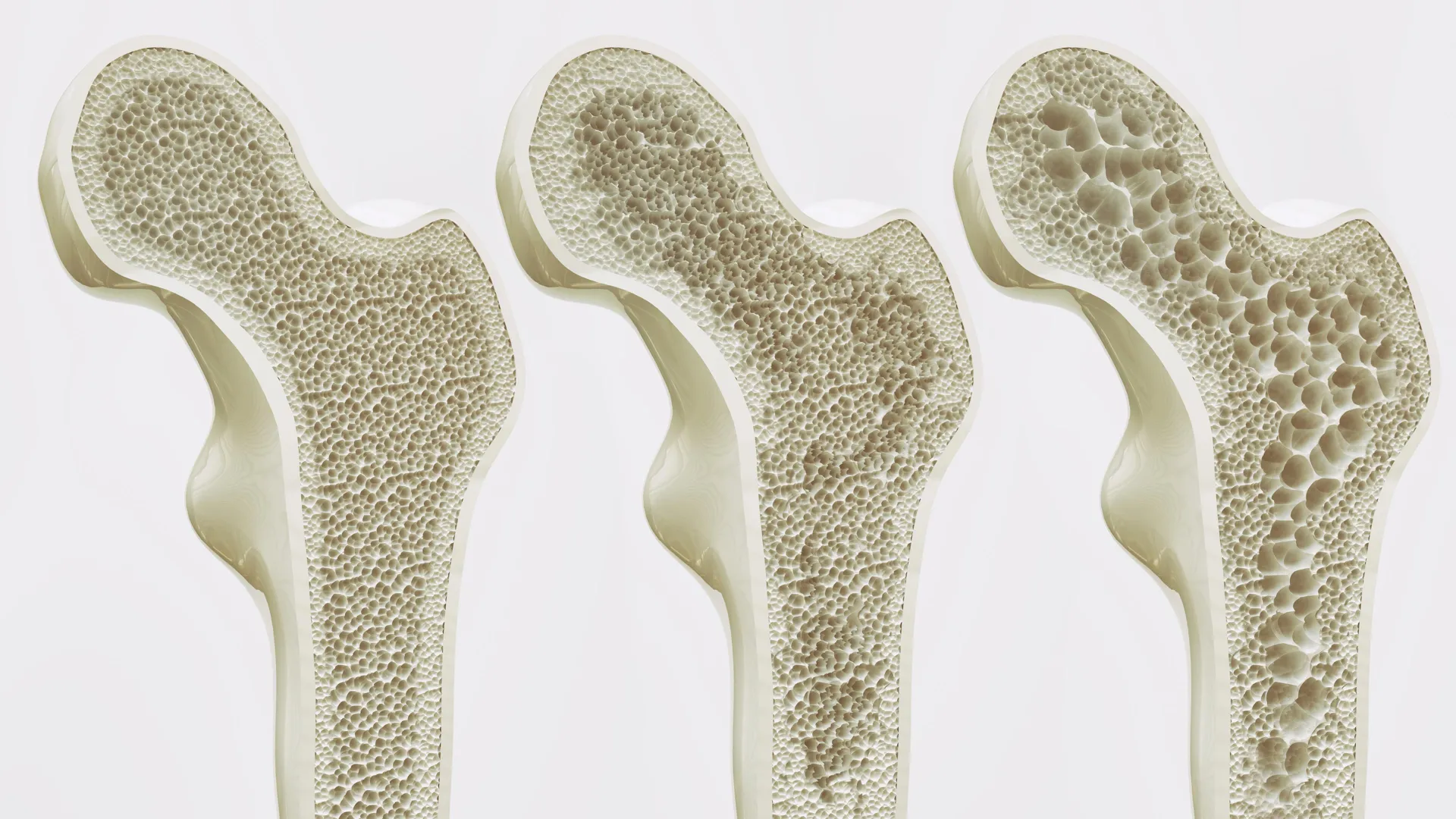
A major clinical review published in the British Medical Journal (The BMJ) has concluded that for the vast majority of older adults, routine supplementation with calcium, vitamin D, or a combination of both provides no clinically meaningful protection against bone fractures or falls. This finding, based on a massive meta-analysis of dozens of randomized controlled trials involving hundreds of thousands of participants, directly challenges decades of standard medical advice and raises significant questions regarding current public health guidelines and prescribing patterns.
The study, led by a team of researchers in Canada, represents one of the most comprehensive evaluations of bone-related supplements to date. By synthesizing data from 69 separate randomized controlled trials—the gold standard of medical research—the investigators found high-certainty evidence that these widely consumed pills do not yield the preventative benefits long attributed to them. The results suggest that the massive global market for these supplements, often driven by the fear of age-related frailty, may be predicated on outdated or misinterpreted science.
The Public Health Crisis of Falls and Fractures
To understand the weight of this study, one must consider the scale of the health challenges it addresses. Falls and subsequent fractures are among the most debilitating events an older adult can experience. Statistics from the Centers for Disease Control and Prevention (CDC) and similar international health bodies indicate that nearly one-third of adults aged 65 and older suffer a fall each year. These incidents are not merely accidents; they are often the catalyst for a downward spiral in health.
Fractures, particularly of the hip, carry a high mortality rate and an even higher rate of morbidity. A hip fracture often leads to chronic pain, permanent loss of mobility, and a significant reduction in independence. For many, a single fall marks the transition from living at home to requiring long-term residential care. Given the aging global population, the economic and social burden of treating fractures is projected to rise exponentially over the next two decades. Consequently, identifying effective preventative measures is a top priority for healthcare systems worldwide.
A Chronology of Bone Health Recommendations
The belief that calcium and vitamin D are the cornerstones of fracture prevention is rooted in basic biology. Calcium is the primary structural mineral in human bone, and vitamin D is essential for the intestines to absorb that calcium effectively. It also plays a role in bone remodeling and muscle function.
The timeline of clinical interest in these supplements began in the mid-20th century as researchers identified the roles of these nutrients in preventing rickets in children and osteomalacia in adults. By the 1990s, early trials suggested that supplementation could increase bone mineral density (BMD). This led to a surge in clinical recommendations. By the early 2000s, vitamin D was being hailed as a "wonder nutrient," with some observational studies suggesting it could prevent everything from cancer to heart disease, in addition to strengthening bones.
However, the tide began to turn in the 2010s. Several large-scale trials and meta-analyses started to produce conflicting results. In 2018, the U.S. Preventive Services Task Force (USPSTF) issued a recommendation stating there was insufficient evidence to assess the benefits and harms of daily supplementation with more than 400 IU of vitamin D and more than 1,000 mg of calcium for the primary prevention of fractures in community-dwelling, asymptomatic adults. Despite these growing doubts, the habit of prescribing or recommending these supplements has remained deeply entrenched in clinical practice, with millions of prescriptions written annually and billions of dollars spent on over-the-counter products.
Methodology: The Scope of the BMJ Review
To provide a definitive answer to these lingering questions, the Canadian research team conducted a systematic review and meta-analysis. They examined 69 randomized controlled trials (RCTs) that included a total of 153,902 participants. The focus was strictly on adults aged 50 and older living in the community or in residential care.
The researchers categorized the trials into three main groups:
- Calcium alone versus placebo or no treatment: This involved 11 trials and 9,067 participants.
- Vitamin D alone versus placebo or no treatment: This involved 36 trials and 92,045 participants.
- Combined calcium and vitamin D versus placebo or no treatment: This involved 15 trials and 51,126 participants.
Crucially, the researchers established a threshold for "clinical significance." They were not just looking for a statistical "p-value" that suggested a tiny difference, but rather a reduction in fracture risk that would actually matter in a real-world clinical setting. Using the GRADE (Grading of Recommendations, Assessment, Development, and Evaluations) approach, they assessed the certainty of the evidence for each outcome.
Detailed Findings: The Gap Between Theory and Reality
The results of the meta-analysis were remarkably consistent across different demographics and supplement types. The researchers found that none of the supplementation strategies—calcium alone, vitamin D alone, or the combination—resulted in a meaningful reduction in the risk of any fracture, including hip fractures.
For vitamin D supplementation, the evidence was rated as "high certainty" based on the vast number of participants (over 92,000). The data showed that for the general population of older adults, taking vitamin D pills does not prevent broken bones. Similarly, for the combination of calcium and vitamin D, the evidence was also of "high certainty" and showed no significant benefit for fracture prevention.
When the researchers looked at the risk of falls—a primary precursor to fractures—the results were equally discouraging. Despite theories that vitamin D might improve muscle strength and balance, the review found that supplementation had little to no effect on the frequency of falls. This held true even when accounting for factors such as the participant’s age, sex, previous history of falls, or their baseline intake of calcium from food.
Analyzing the Exceptions: Who Should Still Supplement?
While the study’s conclusions are broad, the researchers were careful to note that they do not apply to everyone. There are specific sub-populations for whom calcium and vitamin D remain vital medical interventions.
First, individuals with diagnosed bone disorders, such as osteomalacia or Paget’s disease, require specific nutritional support. Second, and perhaps most importantly, the findings do not necessarily apply to patients already being treated for osteoporosis with prescription medications like bisphosphonates. These medications often require adequate calcium and vitamin D levels to work effectively.
Furthermore, the study focused on "routine" supplementation for the general aging population. It did not focus exclusively on those with profound, symptomatic vitamin D deficiencies or those living in extreme northern latitudes with zero sun exposure for much of the year. People in institutionalized settings, such as nursing homes, where malnutrition and lack of sunlight are more prevalent, may still derive some benefit, though even in these settings, the evidence has become increasingly scrutinized.
Implications for Clinical Guidelines and Healthcare Policy
The publication of this review has prompted calls for a radical shift in how doctors and health agencies approach bone health. If the evidence "does not support routine supplementation," as the researchers state, then the current practice of universal screening and "just in case" prescribing may be a waste of healthcare resources.
From an economic perspective, the implications are significant. Vitamin D testing and supplementation represent a multi-billion-dollar industry. If these resources were redirected toward more effective interventions, the public health impact could be substantial. In a linked editorial, experts argued that the medical community’s obsession with "pills for prevention" has perhaps blinded it to more effective, albeit more effort-intensive, strategies.
The editorial suggests that guideline panels should now move away from recommending supplements for the general population and instead focus on high-risk individuals. There is also a call for "de-prescribing" in cases where patients are taking high doses of supplements without a clear clinical indication, especially as excessive calcium can lead to side effects such as kidney stones and gastrointestinal issues.
Shifting the Focus to Physical Intervention and Exercise
If pills are not the answer to preventing falls and fractures, what is? The BMJ review and the accompanying editorial point toward physical activity as the most evidence-based alternative.
Data consistently shows that balance training and resistance exercise are far more effective at reducing the risk of falls than any nutritional supplement. Strength training helps maintain muscle mass (sarcopenia prevention), while balance exercises improve proprioception—the body’s ability to sense its position in space. Programs like Tai Chi or structured physical therapy have demonstrated a much higher "number needed to treat" (NNT) to prevent a fall compared to vitamin D.
In addition to exercise, "multifactorial" prevention strategies are gaining traction. These include:
- Environmental Assessments: Identifying and removing home hazards like loose rugs, poor lighting, and lack of handrails.
- Medication Reviews: Reducing the use of sedative or psychoactive medications that can impair balance.
- Vision Correction: Ensuring older adults have up-to-date prescriptions to avoid tripping.
Conclusion: A New Paradigm for Healthy Aging
The comprehensive review in The BMJ serves as a landmark moment in geriatric medicine. It highlights a common phenomenon in science: a biological theory that seems perfectly logical (calcium builds bones, so more calcium is better) often fails to hold up when subjected to the rigors of large-scale human trials.
For the average older adult, the message is clear: bone health cannot be found in a bottle. While maintaining a balanced diet rich in nutrients is important, the "routine" addition of supplements appears to offer a false sense of security. As the medical community re-evaluates its recommendations, the focus is likely to shift toward more holistic, active approaches to aging—emphasizing movement, strength, and environmental safety over the simple act of swallowing a daily pill. The challenge for healthcare systems now lies in shifting public perception and redirecting funding toward these more effective, albeit more complex, preventative measures.
