
 By George Ongkojoyo
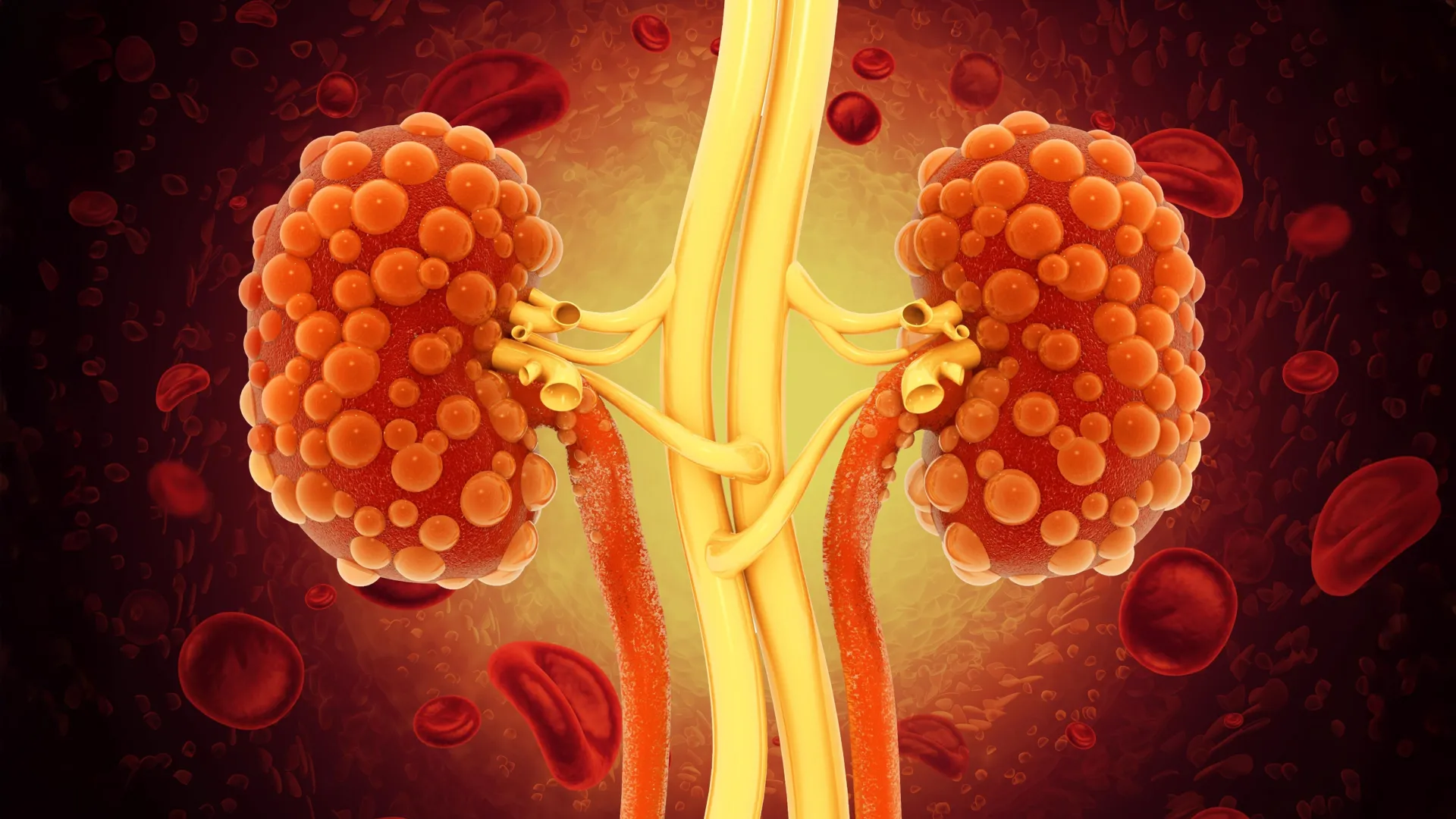
Researchers at the University of California, Santa Barbara (UCSB) have unveiled a pioneering therapeutic strategy that could transform the treatment landscape for Polycystic Kidney Disease (PKD), a genetic disorder that currently lacks a definitive cure. By engineering a specific type of monoclonal antibody capable of penetrating the interior of kidney cysts, the research team has successfully demonstrated a method to disrupt the runaway growth cycles that characterize the disease. This breakthrough, published in the journal Cell Reports Medicine, marks a significant departure from traditional small-molecule treatments, offering a more targeted and potentially less toxic approach for millions of patients worldwide.
Polycystic Kidney Disease is a chronic, inherited condition where clusters of fluid-filled cysts develop and multiply within the kidneys. Over time, these cysts expand, causing the kidneys to enlarge and lose their vital filtering function. For many patients, the progression leads to end-stage renal disease (ESRD), necessitating lifelong dialysis or a kidney transplant. The study, led by UCSB biologist Thomas Weimbs, identifies a biological "loophole" that allows lab-designed proteins to enter these sealed cysts, targeting the disease at its cellular source.
The Pathophysiology of Polycystic Kidney Disease
To understand the significance of the UCSB research, it is essential to recognize the biological challenges posed by PKD. The disease is primarily categorized into two forms: Autosomal Dominant PKD (ADPKD), which is more common and often diagnosed in adulthood, and Autosomal Recessive PKD (ARPKD), a rarer form that appears in infancy or childhood. In both cases, the fundamental issue is the uncontrolled proliferation of epithelial cells lining the kidney tubules.
As these cells multiply, they form enclosed, sac-like structures—cysts—that fill with fluid. These cysts are not merely passive growths; they are active biological environments. The cells lining the cysts secrete growth factors into the internal fluid. These factors then bind back to receptors on the same cells, creating a self-sustaining cycle of growth and fluid secretion. This "autocrine loop" ensures that once a cyst begins to grow, it rarely stops, eventually crushing healthy kidney tissue and compromising the organ’s vascular system.
Until now, the primary difficulty in treating PKD has been delivery. The interior of a kidney cyst is a sealed environment, shielded by layers of epithelial cells that act as a barrier to most large-molecule drugs. While small-molecule inhibitors have been tested, they often lack the specificity required to avoid damaging healthy tissue, leading to the high toxicity levels and systemic side effects seen in current treatment options.
Limitations of Current Standard of Care
The only FDA-approved drug specifically indicated to slow the progression of ADPKD is Tolvaptan, a vasopressin V2-receptor antagonist. While Tolvaptan has been shown to reduce the rate of cyst growth and the decline of kidney function, it is not a cure and comes with a heavy burden of side effects. Patients on Tolvaptan often experience extreme thirst, frequent urination, and, in some cases, significant liver toxicity.
"The cysts just keep growing endlessly," explained Dr. Thomas Weimbs. "And we want to stop them. So we need to get a drug into these cysts that will make them stop."
The pharmaceutical industry has long utilized monoclonal antibodies, specifically Immunoglobulin G (IgG), to treat various cancers and autoimmune diseases. IgG antibodies are highly effective at binding to specific cell surface receptors; however, they are physically too large to penetrate the epithelial barriers of kidney cysts. This size limitation has historically rendered one of the most powerful tools in modern medicine—immunotherapy—ineffective against PKD.
Engineering the dIgA Solution: A Biological Trojan Horse
The UCSB team sought to overcome the delivery barrier by looking at how the human body naturally transports antibodies across membranes. They focused on Dimeric Immunoglobulin A (dIgA), a type of antibody that the immune system uses to protect mucosal surfaces like the gut, lungs, and tear ducts.
Unlike IgG, dIgA has a unique structural "backbone" that allows it to bind to polymeric immunoglobulin receptors (pIgR) found on the surface of epithelial cells. Once bound, the receptor acts as a shuttle, transporting the dIgA antibody through the cell and releasing it on the other side. In 2015, the Weimbs lab hypothesized that if they could redesign a therapeutic antibody using a dIgA framework, they could use this natural transport mechanism to "smuggle" the drug into the interior of kidney cysts.
In this latest study, the researchers successfully modified the DNA sequence of a traditional antibody to convert it into a dIgA format. Their target was the cell mesenchymal-epithelial transition (cMET) receptor, a protein known to be a primary driver of cell proliferation in PKD cysts. By targeting cMET with a dIgA antibody, the researchers aimed to break the self-stimulating growth cycle from the inside out.
Experimental Results and Selective Apoptosis
The research team tested their engineered dIgA antibody in mouse models of PKD with remarkable results. The modified antibodies successfully crossed the epithelial barrier, entered the cysts, and remained there to perform their therapeutic function.
The data indicated a significant decrease in the activity of the cMET receptor. More importantly, the treatment triggered what the researchers described as a "dramatic onset of apoptosis"—programmed cell death—specifically within the cyst-lining cells. Crucially, this effect was not observed in healthy kidney tissue. This selectivity is the "holy grail" of PKD research, as it suggests a way to eliminate diseased cells while leaving the functional parts of the kidney intact.
The ability to induce selective apoptosis represents a major shift in PKD strategy. Rather than merely slowing the growth of cysts, this approach suggests the possibility of reducing the total cyst burden, potentially reversing some of the damage caused by the disease.
Timeline of Research and Development
The journey toward this breakthrough has spanned over a decade of concentrated effort at UCSB and collaborating institutions:
- 2012–2014: Initial identification of the autocrine growth loops within PKD cyst fluid.
- 2015: Thomas Weimbs and colleagues publish a theoretical paper proposing that dIgA could be used to bypass the epithelial barrier in kidney cysts.
- 2018–2021: Development of the molecular engineering techniques required to convert IgG antibodies into dIgA "backbones" while maintaining receptor specificity.
- 2022–2023: Extensive testing in mouse models to verify the transport mechanism and the efficacy of cMET inhibition.
- 2024: Publication of findings in Cell Reports Medicine, demonstrating successful cyst penetration and selective cell death.
The study was a collaborative effort involving several researchers at UCSB, including lead author Margaret F. Schimmel, alongside Bryan C. Bourgeois, Alison K. Spindt, Sage A. Patel, Tiffany Chin, Gavin E. Cornick, and Yuqi Lu. The work was supported by the National Institutes of Health (NIH) and the U.S. Department of Defense, highlighting the clinical and strategic importance of finding a solution to kidney failure.
Broader Implications and Future Directions
The implications of this research extend beyond the targeting of the cMET receptor. According to the study, dozens of different growth factors are active within PKD cyst fluids. The dIgA delivery platform could theoretically be used to deliver antibodies against any of these factors.
"It would be a good idea to compare blocking of several different growth factors and several receptors, maybe side-by-side to see which is the most effective," Weimbs said. "We can also combine different antibodies against different receptors at the same time. That would be the next step."
This modular approach opens the door to "cocktail" therapies similar to those used in oncology or HIV treatment, where multiple pathways are blocked simultaneously to prevent the disease from adapting or bypassing the treatment.
However, the researchers caution that while the preclinical results are promising, the path to human clinical trials remains long. Moving from mouse models to human patients involves rigorous safety testing, dosage optimization, and large-scale manufacturing of the dIgA antibodies, which are more complex to produce than standard IgG antibodies.
Public Health and Economic Context
The search for a PKD cure is driven by significant public health and economic pressures. It is estimated that PKD affects between 1 in 400 and 1 in 1,000 people globally, making it one of the most common life-threatening genetic diseases. In the United States alone, the cost of treating end-stage renal disease exceeds $50 billion annually.
For a patient with PKD, the transition to dialysis often occurs in the prime of their life, typically between the ages of 40 and 60. This not only impacts the individual’s quality of life but also removes productive members from the workforce and places a massive strain on healthcare systems. A therapy that can delay the need for dialysis by even a decade would result in billions of dollars in savings and significantly improved patient outcomes.
The UCSB study provides a new sense of optimism for the PKD community. By proving that the "unreachable" interior of a kidney cyst can indeed be accessed via engineered antibodies, the research has effectively opened a new front in the battle against this relentless disease. As the team looks for industrial partners to advance this technology into clinical trials, the medical community will be watching closely to see if this "Trojan Horse" strategy can finally provide the cure that has eluded scientists for decades.
