
 By Gabriel Paijo
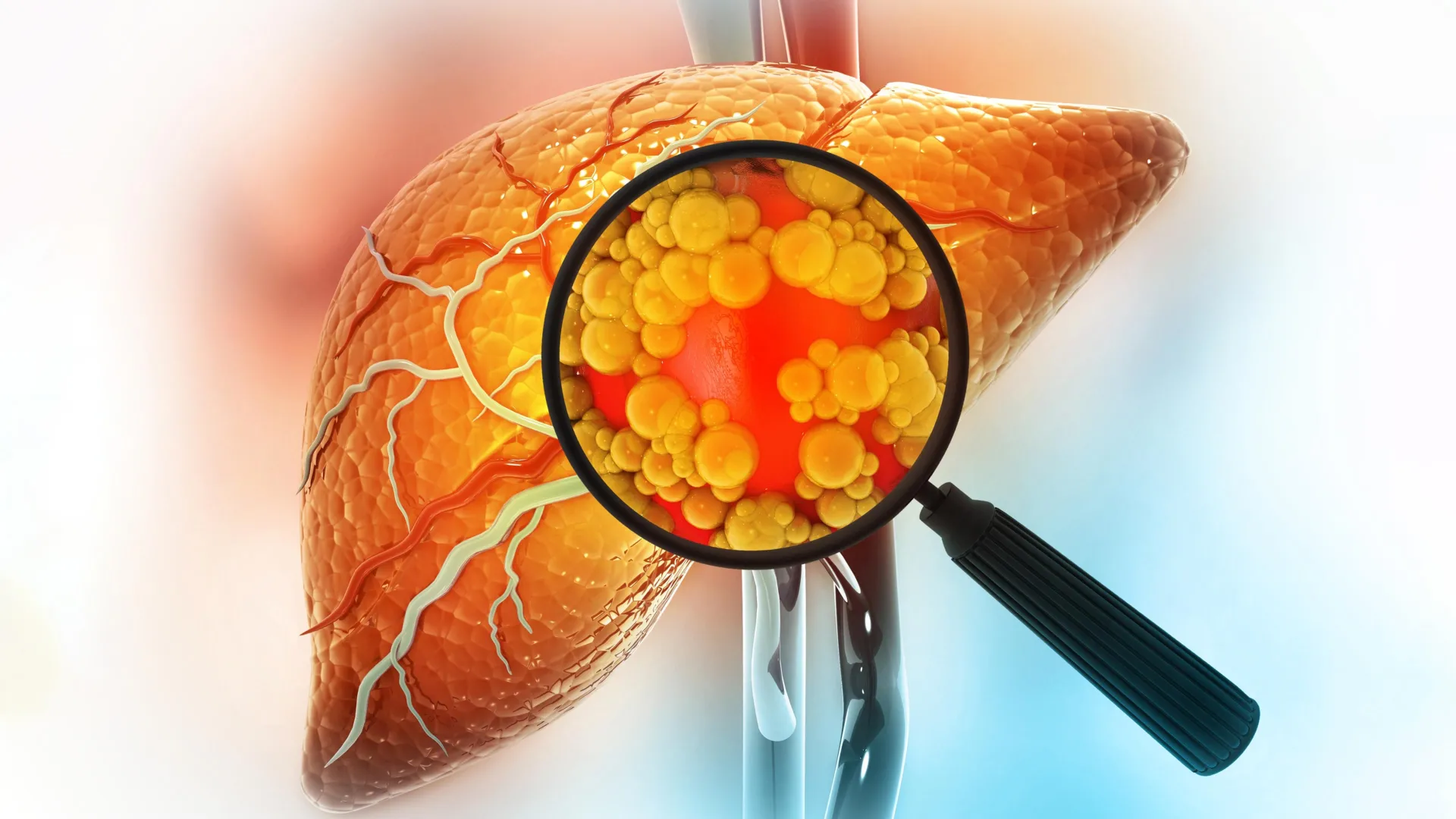
Metabolic health has emerged as a primary concern for global medical communities as the prevalence of sedentary lifestyles and high-calorie diets continues to rise. Among the most pressing issues is metabolic dysfunction-associated steatotic liver disease (MASLD), a condition characterized by the accumulation of excess fat in the liver that is not caused by alcohol consumption. Recent research has shed new light on the complex interplay between hormonal health and dietary habits, specifically highlighting how low testosterone levels and high fructose consumption work in tandem to exacerbate liver damage. A groundbreaking study conducted by researchers at the Graduate School of Agriculture, led by graduate student Hiroki Takahashi and Associate Professor Naoki Harada, has identified a critical biological mechanism involving the gut microbiota that drives this synergy.
MASLD, formerly known as non-alcoholic fatty liver disease (NAFLD), is estimated to affect approximately 40% of adult men worldwide. The rebranding of the condition to MASLD reflects a more precise understanding of its origins in metabolic dysfunction, including obesity, insulin resistance, and dyslipidemia. While the individual risks of a high-sugar diet and hormonal imbalances have been documented, the combined impact of these factors has remained poorly understood until now. The findings from Takahashi and Harada’s team suggest that the combination of low testosterone—a condition known as hypogonadism—and a diet rich in fructose creates a "perfect storm" for liver pathology, mediated by changes in the digestive tract’s bacterial ecosystem.
The Growing Crisis of Metabolic Liver Disease
The global burden of MASLD has reached epidemic proportions, paralleling the rise in type 2 diabetes and obesity. In men, the condition is particularly prevalent, often coinciding with a gradual or clinical decline in testosterone levels. Testosterone is a key regulator of lipid metabolism; its deficiency is known to promote visceral adiposity and insulin resistance. Concurrently, the modern diet is saturated with high-fructose corn syrup (HFCS), found in everything from carbonated beverages to processed snacks. Fructose is unique among sugars because it is almost entirely metabolized in the liver, where it can be directly converted into fat through a process called de novo lipogenesis.
Despite knowing these individual risks, clinicians have often struggled to explain why some patients experience rapid progression from simple steatosis (fatty liver) to more severe inflammation and fibrosis. The research conducted by the Graduate School of Agriculture provides a potential answer: the gut-liver axis. This biological highway allows products of gut bacterial metabolism to enter the portal vein and travel directly to the liver, influencing its health and function.
Experimental Methodology and Chronology
To investigate the interactions between hormones, diet, and the microbiome, the research team designed a comprehensive animal model study using eight-week-old male mice. The study was structured to isolate the variables of testosterone and fructose intake over a controlled period.
The mice were divided into six distinct experimental cohorts:
- Sham/Control: Mice with normal testosterone levels fed a standard diet.
- Sham/Fructose: Mice with normal testosterone levels fed a high-fructose diet.
- Sham/Fructose + Antibiotics: Mice with normal testosterone levels fed a high-fructose diet and treated with broad-spectrum antibiotics to deplete gut bacteria.
- Castration/Control: Mice with low testosterone (via surgical castration) fed a standard diet.
- Castration/Fructose: Mice with low testosterone fed a high-fructose diet.
- Castration/Fructose + Antibiotics: Mice with low testosterone fed a high-fructose diet and treated with antibiotics.
Over the course of the study, the researchers monitored weight gain, food intake, and metabolic markers. At the conclusion of the trial, the team conducted a multi-omic analysis, examining liver tissue histology, blood plasma composition, organic acids within the cecum (a part of the large intestine), and the genetic profile of the gut microbiota. This multi-layered approach allowed the team to track how dietary fructose was processed differently in the presence or absence of testosterone.
Findings: The Synergistic Effect of Fructose and Low Testosterone
The results of the study were striking. While mice in the "Sham/Fructose" and "Castration/Control" groups showed some signs of lipid accumulation, the severity was relatively modest. However, the "Castration/Fructose" group—representing the combination of low testosterone and high sugar intake—exhibited a dramatic increase in liver weight and a significant spike in triglyceride levels.
The data indicated that low testosterone does not merely add to the damage caused by fructose; it multiplies it. This synergistic effect suggested that the body’s ability to handle fructose is fundamentally compromised when testosterone levels are insufficient. Interestingly, the researchers observed that the "Castration/Fructose + Antibiotics" group showed a marked reduction in liver fat compared to the group not receiving antibiotics. This finding was a "eureka moment" for the team, as it proved that the presence of gut bacteria was a necessary component for the accelerated liver damage to occur.
The Role of Gut Microbiota and Pyruvate
Upon deeper analysis of the gut environment, the researchers identified a specific metabolic shift. In mice with low testosterone and high fructose intake, the composition of the gut microbiota changed significantly, leading to an overproduction of pyruvate in the cecum. Pyruvate is a central intermediate in energy metabolism, serving as a bridge between carbohydrates and fat synthesis.
In a secondary phase of the study, the team used mouse-derived primary hepatocytes (liver cells) to test the effects of pyruvate in a controlled laboratory setting. They found that when liver cells were exposed to fructose alone, fat accumulation occurred at a steady rate. However, when pyruvate was added to the environment, it acted as a catalyst, working synergistically with the fructose to promote the storage of neutral lipids within the cells.
"Upon examining this mechanism, we found that changes in the gut microbiota led to increased levels of pyruvate within the intestine," explained Hiroki Takahashi. "Furthermore, experiments using mouse-derived primary hepatocytes revealed that pyruvate acts synergistically with fructose to promote neutral lipid accumulation in hepatocytes."
This discovery identifies the gut-liver axis as the primary theater where hormonal deficiency and poor diet interact. The low testosterone environment appears to alter the microbiome in a way that favors pyruvate-producing bacteria. This pyruvate then enters the liver, where it provides the "raw materials" or signals needed to accelerate the conversion of fructose into liver fat.
Clinical Implications and Expert Reactions
The implications of this study are significant for the field of hepatology and endocrinology. For years, the treatment of fatty liver has focused primarily on weight loss and exercise. While these remain the gold standard, the research suggests that for a large subset of the male population, hormonal health must also be addressed.
Medical professionals may need to consider screening MASLD patients for hypogonadism more routinely. If a patient has low testosterone, dietary interventions—specifically the reduction of fructose—become even more critical. Conversely, for men undergoing testosterone replacement therapy (TRT), these findings might suggest a protective effect against the metabolic consequences of a modern diet, though further human trials are required to confirm this.
Professor Naoki Harada emphasized the therapeutic potential of these findings. "Going forward, we hope to clarify the mechanism by which pyruvate promotes triglyceride accumulation to pioneer the development of therapeutic drugs and establishment of preventive methods through dietary interventions," he stated. The possibility of developing drugs that inhibit the transport of pyruvate from the gut to the liver, or that modulate the gut microbiota to prevent pyruvate overproduction, offers a new frontier in metabolic medicine.
Broader Impact on Public Health Policy
Beyond the laboratory, the study adds scientific weight to public health campaigns aimed at reducing sugar consumption. As MASLD becomes a leading cause of liver transplantation and liver cancer globally, the "silent" nature of the disease makes prevention the most effective tool.
The data suggests that the "Standard American Diet" (SAD), which is high in processed sugars, is particularly dangerous for aging men who are naturally experiencing a decline in testosterone. Public health advocates may use this research to push for clearer labeling of fructose content in foods and to advocate for hormonal health screenings as part of routine metabolic check-ups.
Furthermore, the study highlights the importance of the microbiome in systemic health. It reinforces the idea that the "health" of a diet is not just about the calories consumed, but about how those calories interact with the trillions of bacteria living in the human gut. The fact that antibiotics could mitigate liver damage in mice suggests that future treatments for MASLD might include specialized probiotics or "postbiotics" designed to balance the gut-liver axis.
Conclusion and Future Research Directions
While the study was conducted on mouse models, the biological pathways identified—specifically the gut-liver axis and the role of pyruvate—are highly conserved in humans. The research published in the American Journal of Physiology-Endocrinology and Metabolism provides a robust framework for future clinical trials.
The next steps for the Osaka Metropolitan University team involve identifying the specific strains of bacteria responsible for the increased pyruvate production. By pinpointing these microbial culprits, researchers may be able to develop targeted therapies that do not require the use of broad-spectrum antibiotics, which can have negative side effects on overall gut health.
In summary, the synergy between low testosterone and high fructose intake represents a significant risk factor for the development of severe fatty liver disease. By uncovering the role of the gut microbiota and pyruvate in this process, Takahashi, Harada, and their colleagues have provided a vital piece of the puzzle in the fight against the global MASLD epidemic. The study serves as a stark reminder that our internal hormonal environment and our external dietary choices are inextricably linked, with the gut acting as the critical mediator between the two.
