
 By Gabriel Paijo
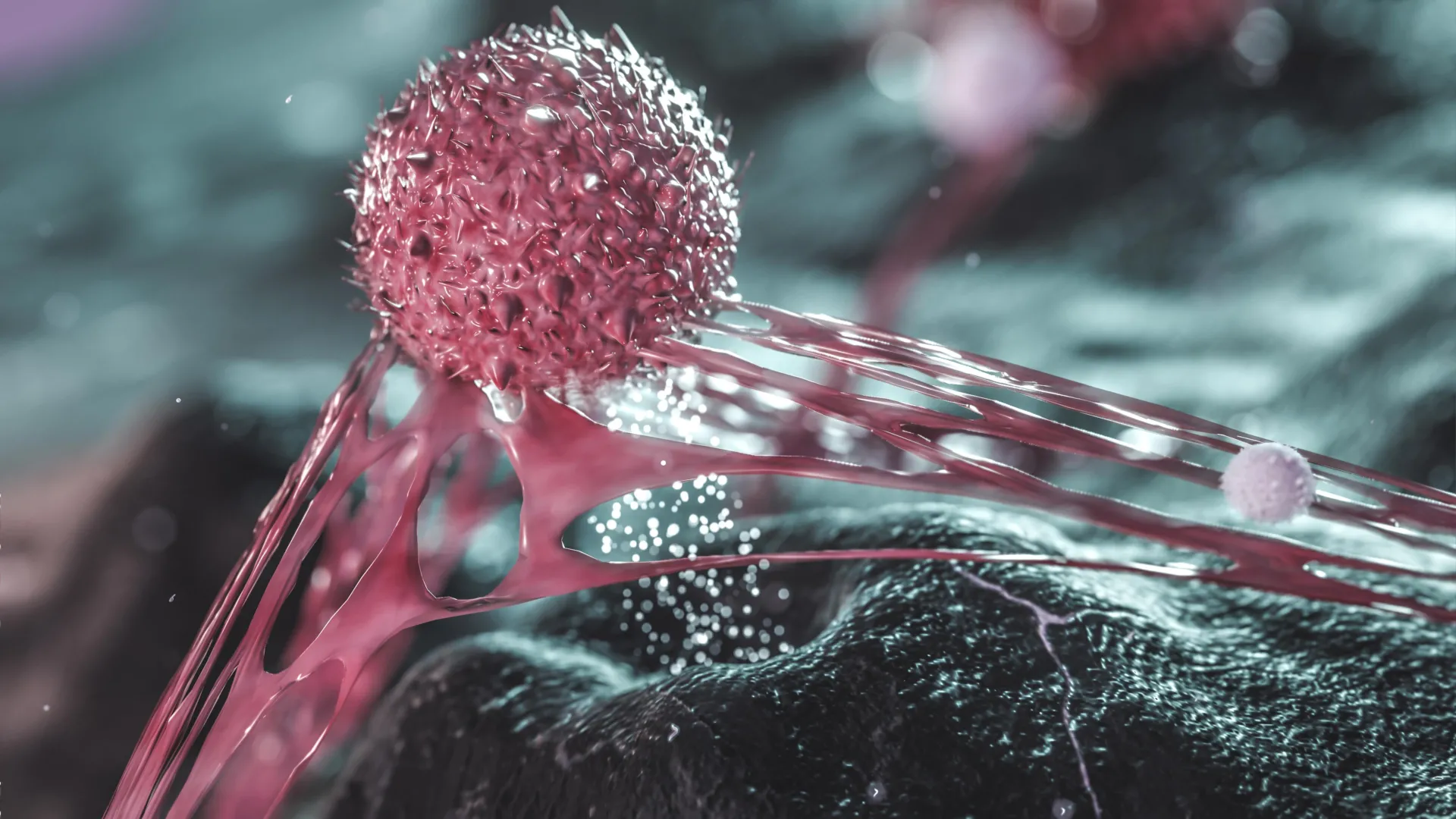
In a groundbreaking study that challenges conventional understanding of cancer metabolism and treatment resistance, researchers at The Wistar Institute have identified a previously hidden mechanism through which aggressive ovarian cancer persists and spreads. The study, published in the prestigious journal Nature Aging, reveals that cancer cells surviving chemotherapy do not simply go dormant; instead, they undergo a biological transformation that allows them to produce and release fructose. This sugar, commonly found in the modern diet, acts as a potent chemical signal that instructs neighboring tumor cells to break away from their primary site and colonize other parts of the body.
The discovery shifts the scientific perspective on "senescent" cancer cells—those that have stopped dividing due to the damage caused by chemotherapy. For years, these cells were often viewed as a secondary concern compared to actively dividing cells. However, the team led by Katherine Aird, Ph.D., and first author Aidan Cole, Ph.D., has demonstrated that these surviving cells remain biologically hyperactive, functioning as signaling hubs that orchestrate the next phase of the disease’s progression.
The Resilience of Ovarian Cancer and the Role of Metastasis
Ovarian cancer remains one of the most lethal malignancies affecting women, largely because it is often diagnosed at an advanced stage when the tumor has already begun to spread. The standard of care typically involves surgery followed by platinum-based chemotherapy. While these drugs are initially effective at shrinking tumors by damaging the DNA of rapidly dividing cells, the long-term prognosis remains challenging. Statistics from the American Cancer Society indicate that while the five-year survival rate for localized ovarian cancer is over 90%, that figure drops precipitously to approximately 30% once the cancer has metastasized to distant organs.
Metastasis—the process by which cancer cells migrate from the original tumor to form new growths—is responsible for roughly 90% of all ovarian cancer deaths. In the case of ovarian malignancies, this spread often occurs within the peritoneal cavity, affecting the lining of the abdomen and vital organs such as the liver, stomach, and intestines. The Wistar Institute’s findings provide a critical missing link in understanding why the disease so frequently returns after seemingly successful treatment.
"Some cancer cells that survive chemotherapy aren’t dividing anymore, but they’re still biologically active," explained Dr. Aidan Cole. "Instead, they continue to release molecules that send signals to nearby cells. Our study is among the first to show that a nutrient—in this case, fructose—can act as one of those signals."
A New Understanding of Fructose: From Fuel to Messenger
Traditionally, sugars like glucose and fructose have been studied in oncology as fuel sources. Cancer cells are known for their high "appetite" for sugar, a phenomenon known as the Warburg Effect. However, the Wistar research introduces a paradigm shift: fructose can function as a paracrine signal—a form of cell-to-cell communication.
The researchers discovered that after exposure to platinum-based chemotherapy, surviving ovarian cancer cells activate metabolic pathways that allow them to synthesize fructose internally. Once released into the extracellular environment, this fructose does not merely provide energy; it triggers a cascade of biological changes in neighboring, non-senescent cancer cells.
To prove this, Dr. Cole and his colleagues conducted a series of sophisticated experiments. They separated the surviving cancer cells from the molecules they secreted and introduced only the secreted "soup" to fresh cancer cells in a preclinical model. The results were definitive: the molecules alone were sufficient to drive the spread of the cancer, even in the absence of the original surviving cells. This confirmed that the chemical environment created by chemotherapy-resistant cells is a primary driver of metastasis.
The Biological Mechanism: Cholesterol and Cellular Adhesion
To uncover exactly how fructose encourages cells to break free, the research team utilized a genome-wide CRISPR screen. This technology allowed them to systematically turn off individual genes to see which ones were essential for the fructose-driven spread. The results pointed toward a surprising metabolic pathway: cholesterol biosynthesis.
While cholesterol is frequently discussed in the context of cardiovascular health, it is also a fundamental structural component of cell membranes. In healthy tissues and stable tumors, cholesterol helps maintain the integrity of "cell-cell junctions"—the biological anchors that keep cells tethered to one another.
The study revealed that when neighboring cancer cells are exposed to the fructose released by chemotherapy survivors, their internal production of cholesterol is suppressed. As cholesterol levels in the cell membrane drop, the biological "glue" holding the tumor together weakens. This loss of adhesion makes the cancer cells "slippery" and mobile, allowing them to detach from the primary tumor and enter the abdominal fluid or bloodstream to find new sites for growth.
The Statin Dilemma: Unintended Consequences of Common Medications
The link between cholesterol suppression and cancer spread led the researchers to investigate one of the most widely prescribed classes of drugs in the world: statins. Approximately 39 million Americans take statins to lower their LDL cholesterol and reduce the risk of heart disease.
Because statins work by inhibiting the same cholesterol-production pathway that fructose suppresses, the researchers tested whether these medications might inadvertently facilitate cancer spread in the context of ovarian tumors. In their preclinical models, the team found that statins alone could indeed weaken the connections between cancer cells, mimicking the effects of fructose.
This finding is particularly significant because ovarian cancer most commonly affects postmenopausal women, a demographic that is also frequently prescribed statins for heart health. However, Dr. Katherine Aird emphasized that these results are preliminary and have not yet been observed in human clinical trials.
"We haven’t tested this effect in patients yet," Dr. Aird cautioned. "But it raises important questions about combining cholesterol-lowering drugs with chemotherapy. It is certainly not a reason for anyone to stop taking their prescribed medications, but it does highlight a need for more nuanced, personalized approaches to treatment."
Dietary Implications and the Modern Environment
Beyond the laboratory, the study raises urgent questions about the impact of the modern diet on cancer outcomes. Fructose is ubiquitous in the Western diet, primarily through the consumption of high fructose corn syrup (HFCS) in soft drinks, processed snacks, and sweetened condiments. In the United States, HFCS can account for up to 20% of daily caloric intake for some individuals.
The Wistar team found that in preclinical models, high levels of dietary fructose—equivalent to the concentrations found in sugary beverages—could promote the same metastatic signaling pathways even in the absence of chemotherapy. This suggests that a high-sugar diet might create a "pro-metastatic" environment in the body, potentially making tumors more aggressive.
Unlike genetic mutations or age, diet is a modifiable risk factor. This opens the door for potential nutritional interventions where patients undergoing chemotherapy might be advised to limit fructose intake to minimize the signaling that leads to recurrence. However, the researchers noted that further clinical studies are required before specific dietary guidelines can be integrated into standard oncology protocols.
Broader Impact: A Potential Universal Mechanism?
While the current study focused on ovarian cancer, the biological principles discovered may apply to a wide range of other malignancies. Dr. Aird and her team suspect that other cancers that spread within the torso—such as pancreatic, colorectal, and liver cancers—might utilize similar fructose-signaling mechanisms.
"We think other cancers that spread within the torso could behave similarly," Dr. Aird stated. "We can’t call it universal yet, but we believe these effects are not limited to ovarian cancer."
The research team has already begun designing follow-up studies to test this hypothesis in other tumor types. If the mechanism holds true across different organs, it could lead to the development of new drugs designed to block fructose signaling or stabilize cholesterol production within tumors, providing a new layer of defense against metastasis.
Chronology and Future Directions
The journey to this discovery began with the observation that ovarian cancer recurrence is the rule rather than the exception. Over several years, the Wistar team moved from observing cell behavior in Petri dishes to complex preclinical models, eventually utilizing high-resolution CRISPR screening to map the molecular pathways involved.
The timeline for future research is already taking shape:
- Validation Phase: Researchers will look to validate these findings in human tissue samples and retrospective clinical data.
- Cross-Cancer Study: Testing the fructose-cholesterol-metastasis axis in pancreatic and colon cancer models.
- Clinical Strategy Development: Investigating whether specific inhibitors can be used alongside chemotherapy to block the release or uptake of fructose by senescent cells.
Conclusion: A New Frontier in Metabolic Oncology
The Wistar Institute’s study provides a sobering yet hopeful look at the complexities of cancer survival. By identifying fructose as a "traitorous" signal released by the very cells chemotherapy seeks to destroy, scientists have uncovered a new vulnerability in the disease’s armor.
The findings underscore the importance of looking beyond the "kill rate" of chemotherapy and considering the long-term biological environment that remains after treatment. As researchers continue to untangle the relationships between diet, common medications, and cellular signaling, the goal remains clear: to turn ovarian cancer from a frequently fatal disease into a manageable condition by stopping it in its tracks before it has the chance to spread.
The study, "Fructose-mediated cholesterol suppression drives metastasis in senescent ovarian cancer," serves as a cornerstone for the emerging field of metabolic oncology, suggesting that the path to a cure may be found not just in the drugs we use to kill cancer, but in understanding how the body’s own nutrients can be weaponized against it.
