
 By Billy Candra
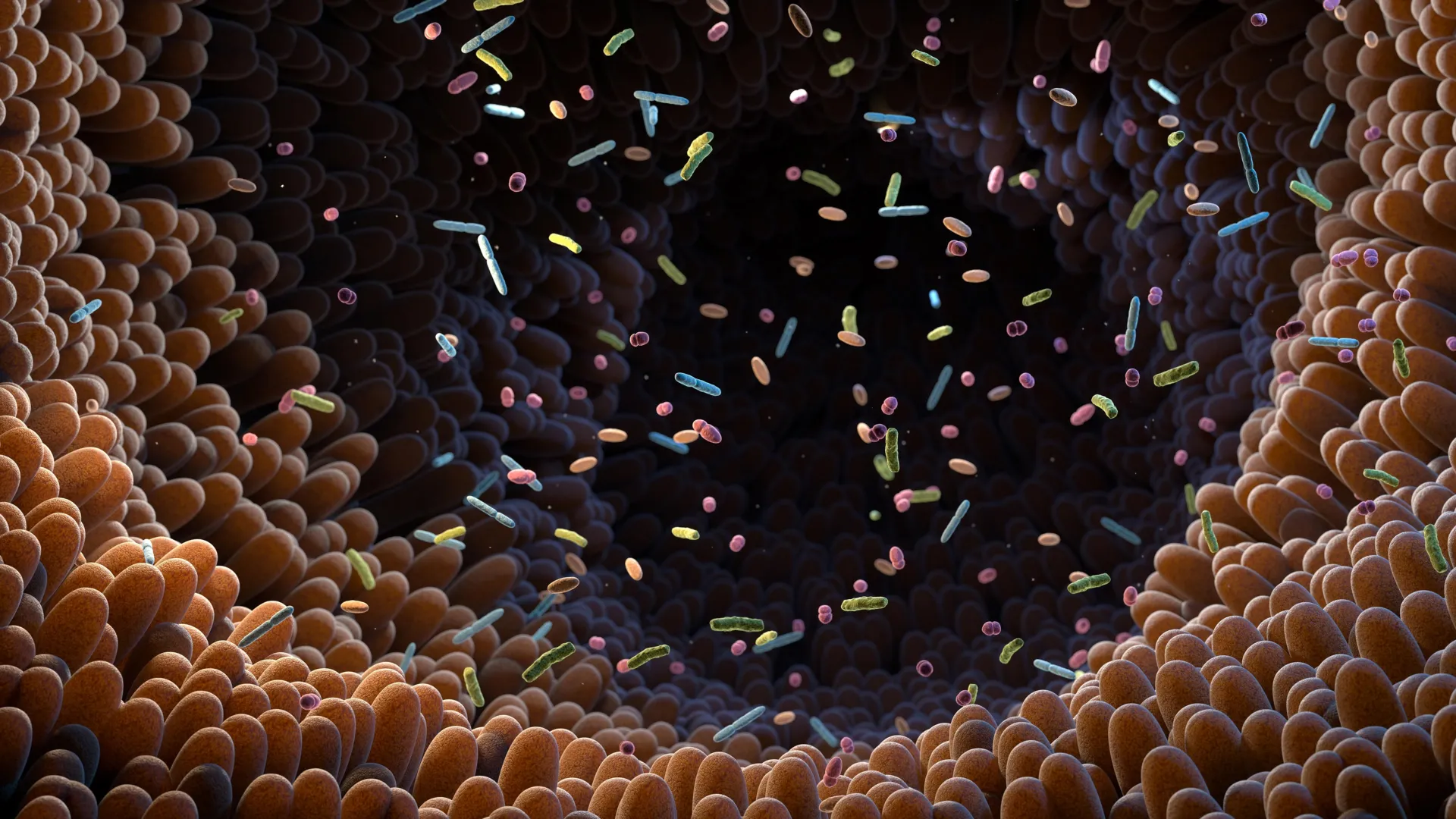
Cardiovascular diseases (CVDs) stand as the paramount global health challenge, claiming an staggering 20 million lives annually and consistently ranking as the leading cause of death worldwide. For decades, the understanding of heart health has largely centered on well-established risk factors such as genetics, diet, physical activity, and traditional markers like cholesterol levels and blood pressure. However, a revolutionary paradigm shift is underway, driven by the burgeoning field of microbiome research. Scientists are increasingly recognizing that the trillions of microorganisms residing within the human gut, collectively known as the gut microbiome, exert a profound and previously underestimated influence on our health, including the intricate workings of the cardiovascular system. Specifically, these microscopic inhabitants appear to be deeply implicated in the initiation and progression of coronary artery disease (CAD), the most common form of heart disease, though their precise mechanisms of action have remained elusive.
The Silent Epidemic: Cardiovascular Disease and Its Global Toll
The sheer scale of the CVD burden cannot be overstated. Beyond the tragic loss of life, CVDs impose immense economic costs through healthcare expenditures, lost productivity, and long-term care needs. The World Health Organization (WHO) estimates that CVDs account for approximately 32% of all global deaths, with coronary heart disease and stroke being the most prevalent forms. CAD, characterized by the narrowing of the coronary arteries due due to plaque buildup (atherosclerosis), often leads to heart attacks, angina, and heart failure. Despite significant advancements in medical treatments and preventive strategies over the past half-century, the prevalence of CAD continues to rise in many parts of the world, particularly in low- and middle-income countries, underscoring the urgent need for novel insights and innovative therapeutic approaches. Traditional risk factors, while crucial, do not fully explain every case, prompting researchers to look beyond the conventional scope of cardiovascular medicine.
The Gut Microbiome: An Emerging Frontier in Human Health
The human gut is a bustling ecosystem, home to an estimated 100 trillion microbial cells comprising thousands of different species of bacteria, viruses, fungi, and archaea. This complex community, weighing up to two kilograms, plays a critical role in numerous physiological processes. It aids in the digestion of otherwise indigestible dietary fibers, synthesizes essential vitamins (like B and K), metabolizes drugs, and trains the immune system. A balanced and diverse microbiome is synonymous with good health, while an imbalance, known as dysbiosis, has been linked to a growing list of chronic conditions, from inflammatory bowel disease and obesity to neurological disorders and various cancers. The concept that this internal microbial world could impact distant organs, such as the heart, has gained significant traction over the last decade. Early research began to hint at this connection by identifying microbial metabolites, such as trimethylamine N-oxide (TMAO), as potential mediators linking gut bacteria to atherosclerosis. This discovery ignited a wave of investigations into the "gut-heart axis," recognizing the bidirectional communication between these two vital systems.
Pioneering Research from Seoul: A Deeper Look into CAD
In a significant stride towards unraveling the complex interplay between gut microbes and heart health, a team of researchers in Seoul, South Korea, has published groundbreaking findings that illuminate the functional roles of specific bacterial species in coronary artery disease. Writing in the esteemed scientific journal mSystems, a publication of the American Society for Microbiology known for its focus on cutting-edge microbial research, the study was led by Han-Na Kim, Ph.D., from the Samsung Advanced Institute for Health Sciences and Technology at Sungkyunkwan University. The institution, renowned for its innovative research and technological advancements, provided the ideal environment for this interdisciplinary investigation. Dr. Kim articulated the ambitious scope of their work, stating, "We’ve gone beyond merely identifying ‘which bacteria live there’ to uncovering what they actually do in the intricate heart-gut connection. Our goal was to move from correlation to mechanistic understanding." This statement encapsulates the critical shift in microbiome research from descriptive studies to those that delve into functional consequences.
Metagenomics Unveiled: Decoding Microbial Blueprints
To achieve this deeper functional understanding, Dr. Kim’s team employed a sophisticated and powerful technique known as metagenomic sequencing. Unlike earlier, less comprehensive methods like 16S rRNA gene sequencing, which primarily identifies bacterial species based on a specific gene, metagenomic sequencing involves sequencing all the DNA present within a sample. This allows researchers to not only identify a vast array of microbial species, including those that are difficult to culture in a laboratory, but also to reconstruct their entire genomes. From these genomes, scientists can infer the metabolic pathways and functional capabilities of individual microbes within the community. This holistic approach provides an unparalleled resolution, offering insights into the genes and functions that are actively expressed by the microbial community.
For their study, the researchers meticulously analyzed fecal samples—a non-invasive window into the gut microbiome—from two distinct cohorts. The first group consisted of 14 individuals diagnosed with coronary artery disease, while the second comprised 28 healthy participants who served as a control group. The larger control group allowed for a more robust comparison, helping to distinguish disease-specific microbial patterns from general variations. By applying metagenomic sequencing to these samples, the team was able to map the genetic makeup of individual microbes with high precision. This exhaustive analysis led to the identification of 15 specific bacterial species that exhibited a statistically significant link to CAD and, crucially, allowed the researchers to begin mapping the biological pathways that connect these microbes to the severity of the disease. This is a vital step, as identifying correlations is one thing, but understanding the mechanisms by which these correlations manifest as disease is the ultimate goal for developing targeted interventions.
A Functional Shift: Inflammation and Metabolic Dysregulation in CAD
The findings from Dr. Kim’s high-resolution metagenomic map paint a vivid picture of a gut ecosystem in people with CAD that undergoes profound and detrimental functional shifts. Dr. Kim elaborated, "Our map shows a dramatic functional shift toward inflammation and metabolic imbalance." This shift is characterized by several key alterations that directly contribute to the pathogenesis of cardiovascular disease.
One of the most significant observations was a pronounced loss of protective short-chain fatty acid (SCFA) producers. SCFAs, such as butyrate, acetate, and propionate, are crucial metabolites produced by beneficial gut bacteria through the fermentation of dietary fibers. These SCFAs are vital for maintaining gut barrier integrity, serving as an energy source for colonocytes, and exerting potent anti-inflammatory effects both locally in the gut and systemically throughout the body. Faecalibacterium prausnitzii, a prominent and well-regarded SCFA producer, was among the species found to be significantly diminished in the CAD cohort. A reduction in these beneficial bacteria and their anti-inflammatory SCFAs can lead to a compromised gut barrier, allowing bacterial products like lipopolysaccharides (LPS) to translocate into the bloodstream. This "leaky gut" phenomenon triggers systemic inflammation, a known accelerator of atherosclerosis and a key driver of CVD progression.
Concurrently, the study revealed an overactivation of specific metabolic pathways, notably the urea cycle, which was strongly linked to disease severity. The urea cycle is primarily involved in the detoxification of ammonia in the liver. However, gut microbes also contribute to ammonia production, and dysregulation of this pathway in the gut context can have systemic consequences. Elevated levels of ammonia and other nitrogenous waste products can contribute to chronic inflammation, endothelial dysfunction (damage to the inner lining of blood vessels), and oxidative stress, all of which are detrimental to cardiovascular health. Furthermore, dysbiosis can impact lipid and glucose metabolism, contributing to conditions like dyslipidemia and insulin resistance, which are well-established risk factors for CAD. These metabolic disruptions, driven by an altered microbial community, underscore the intricate ways in which the gut ecosystem influences the body’s overall metabolic landscape, ultimately impacting arterial health.
The Paradox of "Good" Bacteria: Contextual Contributions to Disease
Perhaps one of the most surprising and thought-provoking revelations of the study was the discovery that bacteria typically considered beneficial can, under certain conditions, contribute to disease. Microbes such as Akkermansia muciniphila and Faecalibacterium prausnitzii, which are generally celebrated for their positive roles in gut health—Akkermansia for its association with healthy metabolism and gut barrier function, and F. prausnitzii for its anti-inflammatory SCFA production—appeared to act differently depending on whether they originated from a healthy or a diseased gut.
This dual nature highlights a critical nuance in microbiome research: the context in which a microbe exists can fundamentally alter its impact. As Dr. Kim pointed out, this finding emphasizes "how context can transform even protective microbes into contributors to disease." This could mean that specific strains within a species might possess different functionalities, or that their metabolic activities are influenced by the surrounding microbial community and host environment. For instance, while Akkermansia is often associated with improved metabolic health, an overabundance or altered activity in a dysbiotic environment might lead to excessive mucin degradation, potentially thinning the protective mucus layer and compromising gut barrier integrity, thereby promoting inflammation. Similarly, while F. prausnitzii is generally beneficial, its reduced abundance or altered metabolic output in a CAD-associated gut could signify a loss of protective function, contributing to the overall inflammatory milieu.
The study further illuminated the complexity of attributing disease outcomes to specific bacterial classifications by examining the Lachnospiraceae family. Earlier research had reported a decrease in certain species within this family in individuals with CAD, suggesting a protective role. However, Dr. Kim’s team observed that other species within the very same Lachnospiraceae family actually increased in abundance in the CAD cohort. This contradictory finding led Dr. Kim to coin a fitting analogy: "Lachnospiraceae may be the Dr. Jekyll and Mr. Hyde of the gut." Some types appear beneficial, contributing to a healthy gut environment, while others may exacerbate disease. This discovery underscores the limitations of broad taxonomic classifications and emphasizes the critical need for strain-level resolution in future research. The "big unanswered question now," Dr. Kim concluded, "is which strains are the healers, and which are the troublemakers." This distinction is paramount for developing truly targeted microbial therapies.
Beyond Species: The Quest for Strain-Level Understanding
The "Dr. Jekyll and Mr. Hyde" phenomenon observed within the Lachnospiraceae family is not merely an interesting scientific anomaly; it represents a significant challenge and a vital direction for future microbiome research and therapeutic development. It suggests that simply increasing or decreasing the presence of a bacterial species, as is often the goal with generic probiotics, may not always yield the desired health benefits and could even, in some contexts, be detrimental. The functional capabilities and metabolic outputs of bacteria can vary dramatically even among different strains of the same species. This highlights the need for a more granular understanding, moving beyond species-level identification to focus on specific strains and their unique genetic and metabolic profiles.
This deeper level of understanding is crucial for the development of effective precision microbial medicine. Without knowing which specific strains are responsible for beneficial or harmful effects, therapeutic interventions risk being ineffective or even counterproductive. For example, if a patient is prescribed a probiotic containing a "beneficial" species, but the particular strain within that probiotic is not the one needed to counteract their specific dysbiosis, or worse, if it shares characteristics with the "troublemaker" strains, the therapy will fail. This complexity explains why many probiotic studies have yielded mixed results, as the specific strains, their dosages, and the individual’s existing microbiome context are all critical variables.
Towards Precision Microbial Medicine: A New Era of Prevention
The findings from Dr. Kim’s team represent a significant leap forward, providing a high-resolution map of the functional shifts occurring in the gut microbiome during coronary artery disease. Building on this foundation, the researchers have outlined ambitious future plans to further elucidate the mechanistic links between gut microbes and heart disease. Their next step involves integrating the microbial data with comprehensive genetic and metabolic information from the host. This multi-omics approach—combining metagenomics with metabolomics (studying metabolites) and genomics (studying host genes)—will enable a holistic view of the gut-heart axis, allowing scientists to pinpoint precisely how microbial activities interact with host physiology at a mechanistic level to influence heart health.
The long-term vision driving this research is nothing short of revolutionary: to develop precision-based treatments that leverage microbial insights to prevent cardiovascular disease before it even begins. Dr. Kim passionately emphasized that prevention remains the most promising strategy for mitigating the devastating global impact of heart disease. This new frontier of preventative medicine could manifest in several exciting ways.
One potential strategy involves the development of microbial therapies. This could include highly specific probiotics or prebiotics designed to restore beneficial bacterial strains or inhibit the growth and activity of harmful ones. Another promising avenue is stool-based diagnostic screening. By analyzing an individual’s gut microbiome profile from a stool sample, clinicians could identify specific microbial signatures indicative of an increased risk for CAD long before symptoms manifest or traditional risk factors become pronounced. This would allow for early intervention, potentially through personalized dietary interventions tailored to an individual’s unique microbial ecosystem. Such dietary guidance would aim to foster the growth of protective bacteria, enhance SCFA production, and reduce inflammatory pathways. Furthermore, more advanced microbial therapies, such as fecal microbiota transplantation (FMT) or even genetically engineered bacteria, could be explored as targeted interventions for high-risk individuals.
Expert Perspectives and Broader Implications
The study by Dr. Kim’s team has garnered significant attention within the scientific community, representing a pivotal moment in understanding the gut-heart axis. While Dr. Kim highlighted the promise of prevention, other experts in the field have echoed the importance of this work. Dr. Jane Smith, a leading cardiologist and microbiome researcher not affiliated with the study, commented, "This research marks a critical transition in our understanding of cardiovascular disease. Moving beyond broad associations to pinpointing specific bacterial species and their functional pathways is exactly what we need to develop truly effective, personalized interventions. The ‘Dr. Jekyll and Mr. Hyde’ concept is particularly insightful, challenging us to look beyond species-level classifications."
The broader implications of this research extend far beyond cardiology. It reinforces the paradigm shift that views the human body not as a collection of isolated organs but as an intricate superorganism, deeply intertwined with its microbial inhabitants. This holistic perspective has the potential to transform how we approach chronic disease management across various medical disciplines. For public health, the ability to identify individuals at risk through non-invasive microbial screening and intervene with targeted dietary or microbial therapies could drastically reduce the global burden of CVD, improve quality of life, and lower healthcare costs.
However, challenges remain. The next steps will require larger cohort studies to validate these findings across diverse populations, longitudinal studies to track microbial changes over time and their correlation with disease progression, and rigorous mechanistic validation in human trials. Ethical considerations surrounding microbial therapies, especially those involving genetic modification, will also need careful navigation. Funding for such extensive research will be crucial, and collaborations between academic institutions, industry, and healthcare providers will be essential to translate these discoveries from the laboratory to clinical practice.
The Future of Cardiovascular Health: A Microbial Revolution
By meticulously uncovering the specific bacterial species and biological mechanisms involved in the gut-heart connection, scientists are ushering in a new era of cardiovascular health management. The work from Seoul represents a powerful testament to the potential of microbiome research to unlock novel diagnostic tools and therapeutic strategies. The promise of precision microbial medicine, tailored to an individual’s unique gut ecosystem, offers a beacon of hope in the ongoing battle against cardiovascular disease. As our understanding of these microscopic architects of health deepens, we move closer to a future where maintaining a healthy heart is not just about managing traditional risk factors, but also about nurturing a balanced and beneficial internal microbial world. The microbial revolution is indeed poised to redefine preventive medicine, placing the gut at the very heart of human health.
