
 By Nana O
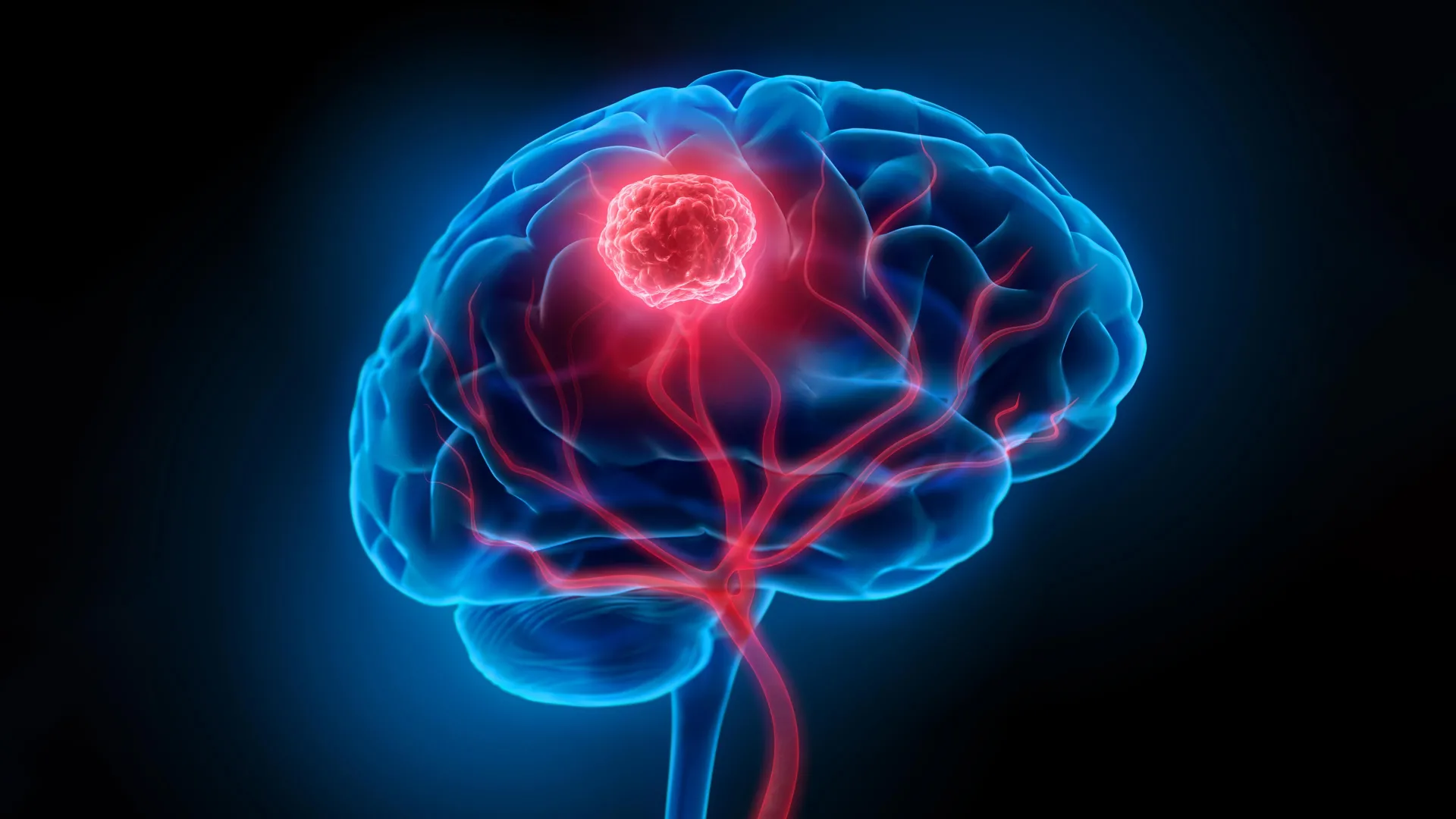
A groundbreaking study led by a collaborative team of Canadian researchers from McMaster University and The Hospital for Sick Children (SickKids) has unveiled a significant advancement in the fight against glioblastoma, the most aggressive and notoriously difficult-to-treat form of brain cancer. The research, published in the prestigious journal Neuron, not only identifies a previously unrecognized mechanism by which these devastating tumors proliferate but also points to an existing drug, currently used in HIV treatment, as a potential therapeutic agent to disrupt this process. This discovery offers a beacon of hope for patients facing a grim prognosis, with survival rates often measured in mere months.
Decoding the Glioblastoma Ecosystem: A Shift in Understanding
For years, glioblastoma has been understood as a relentless malignancy driven by cancer cells themselves. However, this new research challenges that singular focus, revealing a more complex and interconnected "ecosystem" within the brain that actively fuels tumor growth and spread. The study’s findings demonstrate that certain brain cells, long believed to be solely responsible for supporting normal nerve function, can be co-opted by glioblastoma cells. These cells, specifically oligodendrocytes, are capable of shifting their role to actively assist in the tumor’s progression.
"Glioblastoma isn’t just a mass of cancer cells; it’s an ecosystem," stated Sheila Singh, co-senior author of the study, professor of surgery at McMaster University, and director of the Centre for Discovery in Cancer Research at McMaster. "By decoding how these cells talk to each other, we’ve found a vulnerability that could be targeted with a drug that’s already on the market."
The research meticulously details how these oligodendrocytes, which normally function to insulate nerve fibers with myelin, can be manipulated by glioblastoma. They begin to send crucial signals that fortify the cancer cells, creating an environment conducive to their survival and proliferation. This intercellular communication pathway has been identified as a critical Achilles’ heel of the tumor. When scientists intervened to block this signaling in laboratory models, they observed a dramatic and significant reduction in tumor growth. This interruption of communication proved to be a potent method for inhibiting the cancer’s advancement.
Oligodendrocytes: From Guardians to Accomplices
Oligodendrocytes are a vital component of the central nervous system, playing an indispensable role in maintaining the health and efficiency of neural pathways. Their primary function is to produce myelin, a fatty sheath that wraps around axons, the long, thread-like parts of nerve cells. This myelin acts as an insulator, enabling faster and more efficient transmission of electrical signals throughout the brain and spinal cord. In essence, oligodendrocytes are the unsung heroes of rapid and seamless neural communication.
However, the study published in Neuron reveals a dark side to these supportive cells when they encounter glioblastoma. The research team discovered that these oligodendrocytes can undergo a remarkable transformation, shifting from their supportive role for healthy neurons to becoming active collaborators with the malignant cancer cells. This shift is orchestrated through a sophisticated signaling system that glioblastoma cells exploit. The cancer cells effectively "hijack" the oligodendrocytes, compelling them to generate and transmit signals that directly benefit the tumor. These signals can enhance the tumor cells’ ability to survive in a hostile environment, promote their proliferation, and even facilitate their invasion into surrounding healthy brain tissue, leading to metastasis.
The precise molecular mechanisms by which glioblastoma influences oligodendrocytes are complex and were a key focus of the research. Scientists identified specific receptor pathways that are activated by the tumor, leading to the altered behavior of the oligodendrocytes. By understanding these precise signaling cascades, the researchers were able to pinpoint critical junctures where intervention could be effective.
Maraviroc: An Unexpected Ally from the HIV Fight
The pivotal breakthrough in this study lies in the identification of a potential therapeutic avenue. The research team discovered that a key component of the aberrant signaling pathway involves a receptor known as CCR5. Crucially, this is the same receptor that is targeted by Maraviroc, a well-established and FDA-approved drug used in the treatment of HIV infection.
Maraviroc functions by blocking the CCR5 receptor on immune cells, preventing HIV from entering them. The glioblastoma research team hypothesized that by targeting CCR5 in the context of brain tumors, they could disrupt the communication between oligodendrocytes and cancer cells, thereby inhibiting tumor growth.
"The cellular ecosystem within glioblastoma is far more dynamic than previously understood," explained Jason Moffat, co-senior author of the study, senior scientist, and head of the Genetics & Genome Biology program at SickKids. "In uncovering an important piece of the cancer’s biology, we also identified a potential therapeutic target that could be addressed with an existing drug. This finding opens a promising path to explore whether blocking this pathway can speed progress toward new treatment options for patients."
The repurposing of existing drugs is a highly attractive strategy in drug development. Unlike novel drug discovery, which can be a lengthy and expensive process with a high failure rate, repurposed drugs have already undergone extensive safety and efficacy testing for their original indications. This means that if Maraviroc proves effective against glioblastoma, its path to clinical use for cancer patients could be significantly expedited, offering a much-needed lifeline to those with limited treatment options.
Building on a Foundation of Discovery: A Chronological Perspective
This latest research is not an isolated event but rather a significant culmination of ongoing work by the Singh and Moffat laboratories. Their collaborative efforts have been steadily unraveling the intricate biology of glioblastoma.
In a prior study, published in Nature Medicine in early 2024, the same research teams demonstrated that glioblastoma cells possess a remarkable ability to exploit developmental pathways within the brain. These are pathways normally active during brain development, used for cell migration and differentiation. The cancer cells, in essence, "reawaken" these dormant pathways to facilitate their own spread. This earlier finding established the concept of glioblastoma as a highly adaptable and resource-efficient cancer that leverages the brain’s own developmental machinery.
The current study in Neuron directly builds upon this foundational understanding. By identifying specific cell types (oligodendrocytes) and signaling pathways (involving CCR5) that glioblastoma manipulates, the researchers have provided a concrete mechanism for how these developmental pathways might be co-opted. The earlier work highlighted the "what" – that glioblastoma uses developmental pathways – and the newer research elucidates a key "how" – by engaging with and redirecting supportive brain cells like oligodendrocytes through specific molecular signals.
The timeline of these discoveries suggests a deliberate and systematic approach to understanding glioblastoma’s complex nature. The initial research laid the groundwork by identifying a broad strategy employed by the cancer. The subsequent research has drilled down into the specific cellular and molecular interactions that enable this strategy, leading to the identification of a tangible therapeutic target.
Study Details and Research Teams: The Architects of Hope
The rigorous scientific investigation was a testament to the expertise and dedication of researchers at two leading Canadian institutions: McMaster University and The Hospital for Sick Children (SickKids).
McMaster University, renowned for its strengths in medical research, provided a significant portion of the scientific leadership. Sheila Singh, a driving force behind this research, holds a Tier 1 Canada Research Chair in Human Cancer Stem Cell Biology, underscoring her deep expertise in the field. Her lab has consistently focused on understanding the fundamental biology of cancer stem cells and their role in tumor development and resistance.
The Hospital for Sick Children (SickKids), a global leader in pediatric health and research, also played a crucial role. Jason Moffat, who holds the GlaxoSmithKline Chair in Genetics & Genome Biology at SickKids, brought his extensive knowledge of genetics and cellular biology to the project. His lab’s focus on understanding gene function and cellular communication pathways provided essential insights.
The co-first authors, Kui Zhai and Nick Mikolajewicz, are credited with performing much of the critical experimental work. Zhai, a research associate in the Singh Lab at McMaster, and Mikolajewicz, who was a postdoctoral fellow in the Moffat Lab at SickKids during the study, represent the next generation of scientists making significant contributions to cancer research. Their dual roles highlight the strong inter-institutional collaboration that was central to the study’s success.
Supporting Data and Methodologies: Rigor in the Lab
The researchers employed a multi-faceted approach to validate their findings. Their study involved a combination of in vitro experiments, using cell cultures to examine molecular interactions, and in vivo studies, utilizing laboratory models of glioblastoma. These models allowed them to observe the effects of blocking specific signaling pathways on tumor growth and progression within a more complex biological system.
Key methodologies likely included advanced molecular biology techniques such as gene expression analysis, protein interaction studies, and sophisticated imaging techniques to visualize cellular communication and tumor growth. The identification of the CCR5 receptor as a critical player would have involved screening various signaling pathways and validating their role in both oligodendrocyte function and glioblastoma progression.
While specific quantitative data on the percentage reduction in tumor growth or the survival extension in animal models were not detailed in the initial summary, the statement that "tumor growth dropped significantly" and "tumor growth slowed considerably" indicates statistically robust and biologically meaningful results. Such findings would typically be supported by detailed graphs and statistical analyses within the full published paper, demonstrating the magnitude of the observed effects.
Broader Impact and Implications: A New Horizon for Glioblastoma Treatment
The implications of this research are profound, particularly given the dire prognosis associated with glioblastoma. This cancer, which accounts for approximately 15% of all primary brain tumors, is characterized by its rapid growth, diffuse infiltration into the brain, and resistance to conventional therapies such as surgery, radiation, and chemotherapy. The median survival for patients diagnosed with glioblastoma is typically between 12 to 18 months, and cure remains elusive.
The identification of a novel therapeutic target, coupled with the potential repurposing of an existing drug, offers a tangible pathway toward developing more effective treatments. If Maraviroc proves to be a viable option for glioblastoma patients, it could represent a paradigm shift in treatment strategies.
Potential Advantages of Maraviroc Repurposing:
- Accelerated Timeline: As an already approved drug, Maraviroc bypasses many of the lengthy preclinical and early-phase clinical trials required for novel drug candidates. This could lead to faster availability for patients.
- Established Safety Profile: Maraviroc has a well-characterized safety profile from its use in HIV treatment. While potential side effects in the context of glioblastoma would need to be carefully monitored, the general safety concerns are largely understood.
- Accessibility: The drug is readily available globally, simplifying logistical challenges for widespread clinical application.
- Targeting a Novel Pathway: By disrupting the tumor’s communication with supportive brain cells, Maraviroc targets a mechanism distinct from those addressed by current therapies, potentially overcoming resistance mechanisms.
However, it is crucial to temper enthusiasm with the understanding that this research is still in its early stages. While laboratory models provide strong evidence, the efficacy and safety of Maraviroc in human glioblastoma patients must be rigorously tested through clinical trials. These trials will be essential to determine optimal dosing, identify potential side effects in cancer patients, and confirm the drug’s therapeutic benefit.
Official Responses and Future Directions: A Collaborative Effort
The research was supported by significant funding bodies, including the 2020 William Donald Nash Brain Tumour Research Fellowship and the Canadian Institutes of Health Research, underscoring the national importance placed on this area of study. These grants reflect a commitment to advancing brain tumor research in Canada.
The co-senior authors have expressed optimism about the future. Sheila Singh’s role as director of the Centre for Discovery in Cancer Research at McMaster indicates a strategic focus on translating fundamental discoveries into clinical applications. Similarly, Jason Moffat’s leadership at SickKids in genetics and genome biology suggests a continued pursuit of innovative therapeutic strategies.
The next crucial step for this research team will be to translate these promising preclinical findings into human clinical trials. This will involve close collaboration with oncologists, neurosurgeons, and regulatory bodies to design and implement studies that can definitively assess Maraviroc’s potential as a glioblastoma treatment. The research community will be closely watching as these efforts unfold, hoping for a breakthrough that can significantly improve the lives of patients diagnosed with this devastating disease.
This discovery represents a significant stride forward in understanding and potentially treating glioblastoma. By dissecting the intricate cellular ecosystem that supports tumor growth and identifying an existing drug that can disrupt this crucial communication, Canadian researchers have opened a vital new avenue in the relentless pursuit of a cure for one of the most challenging cancers known to medicine.
