
 By Hendra Lukman
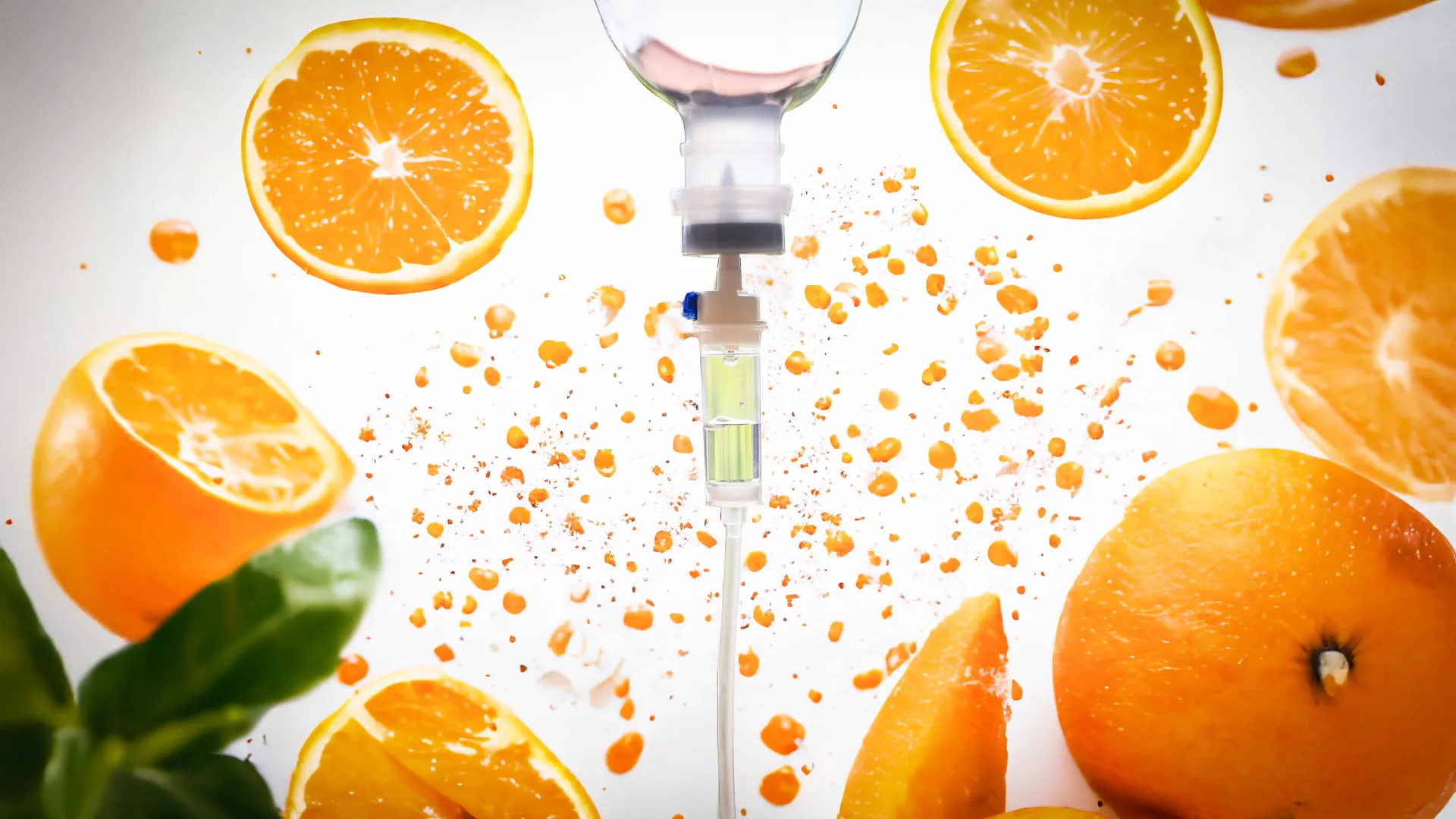
Half a century after Linus Pauling, the only person to have won two unshared Nobel Prizes, ignited a fervent debate with his advocacy for high-dose vitamin C in cancer treatment, modern science is revisiting his controversial claims with a more nuanced perspective. While Pauling’s initial pronouncements were largely dismissed by the medical establishment and his eventual death from cancer at age 93 was often cited as evidence of his scientific misjudgment, emerging research suggests that his intuition, though perhaps overstated and lacking in scientific rigor at the time, contained a kernel of truth. The story of vitamin C and cancer is proving to be far more complex than a simple narrative of a brilliant mind straying into unscientific territory.
The Genesis of a Controversy: Pauling, Cameron, and the Vitamin C Hypothesis
The controversy surrounding vitamin C and cancer treatment began in earnest in the early 1970s. Linus Pauling, a titan of 20th-century chemistry renowned for his groundbreaking work on chemical bonds and molecular biology, turned his formidable intellect to nutritional science and its potential role in combating disease. He collaborated with Dr. Ewan Cameron, a Scottish surgeon who had been experimenting with high-dose vitamin C, or ascorbic acid, in patients with advanced, terminal cancer.
Their initial findings, published in the journal Nature in 1976, reported on a group of 100 patients who had received large doses of vitamin C, primarily administered intravenously followed by oral supplementation. Compared to a control group of similar patients who did not receive vitamin C, the treated group, according to Pauling and Cameron, exhibited significantly longer survival times and improved quality of life, reporting less pain and greater well-being. Some patients, they suggested, experienced survival durations several times longer than anticipated. This bold claim, stemming from a highly respected scientific figure, sent ripples through the medical community, igniting both hope and skepticism.
The Mayo Clinic Trials: A Swift Rebuttal
The medical establishment, accustomed to rigorous, large-scale clinical trials for validating new treatments, responded with caution and skepticism. To address Pauling and Cameron’s claims, two substantial clinical trials were initiated and conducted by the prestigious Mayo Clinic in Rochester, Minnesota, a leading non-profit medical center renowned for its research and clinical care. These trials, undertaken in the late 1970s and early 1980s, aimed to rigorously test the efficacy of vitamin C as a cancer therapy.
The results of these Mayo Clinic trials, published in The New England Journal of Medicine in 1979 and 1985, were stark and seemingly definitive. They concluded that oral administration of vitamin C did not provide any significant benefit to patients with advanced cancer. Patients receiving vitamin C tablets did not live longer or experience better quality of life compared to those in the placebo group. For the majority of oncologists at the time, these findings represented the final word on the matter. Vitamin C was relegated to the realm of unproven alternative therapies, and Pauling’s late-career crusade was often viewed as a poignant, albeit unfortunate, scientific misstep, a classic example of the "halo effect" where genius in one field does not guarantee wisdom in another.
A Crucial Distinction: Intravenous vs. Oral Administration
However, a critical detail was overlooked by many critics and defenders of Pauling’s hypothesis in the initial fervor: the mode of administration. Pauling and Cameron’s initial work involved significant intravenous (IV) administration of vitamin C, a method that delivers the nutrient directly into the bloodstream, bypassing the digestive system. The Mayo Clinic trials, conversely, exclusively used oral vitamin C tablets.
This distinction is crucial. The human gut has a limited capacity to absorb vitamin C. Once a certain modest daily dose is reached, the body’s absorption mechanisms become saturated, and much of the ingested vitamin C is simply excreted. Therefore, taking large numbers of vitamin C pills, while increasing intake, does not proportionally increase the concentration of vitamin C in the blood.
In contrast, intravenous administration can achieve blood levels of vitamin C that are tens or even hundreds of times higher than what can be attained through oral supplementation. At these supraphysiological concentrations, vitamin C begins to exhibit different biological properties, shifting from its well-known role as an antioxidant to potentially exhibiting pro-oxidant effects.
The Pro-Oxidant Paradox: Vitamin C as a "Drug"
At the physiological levels typically achieved through diet and oral supplementation, vitamin C functions primarily as an antioxidant. It acts as a scavenger of free radicals, unstable molecules that can damage cells and contribute to aging and disease. This role is vital for overall health and cellular integrity.
However, when administered at very high doses intravenously, vitamin C can paradoxically act as a pro-oxidant. In laboratory settings, these high concentrations of vitamin C can promote the generation of hydrogen peroxide (H2O2), a reactive oxygen species. While hydrogen peroxide is a potent cell-damaging agent, it appears to selectively target cancer cells.
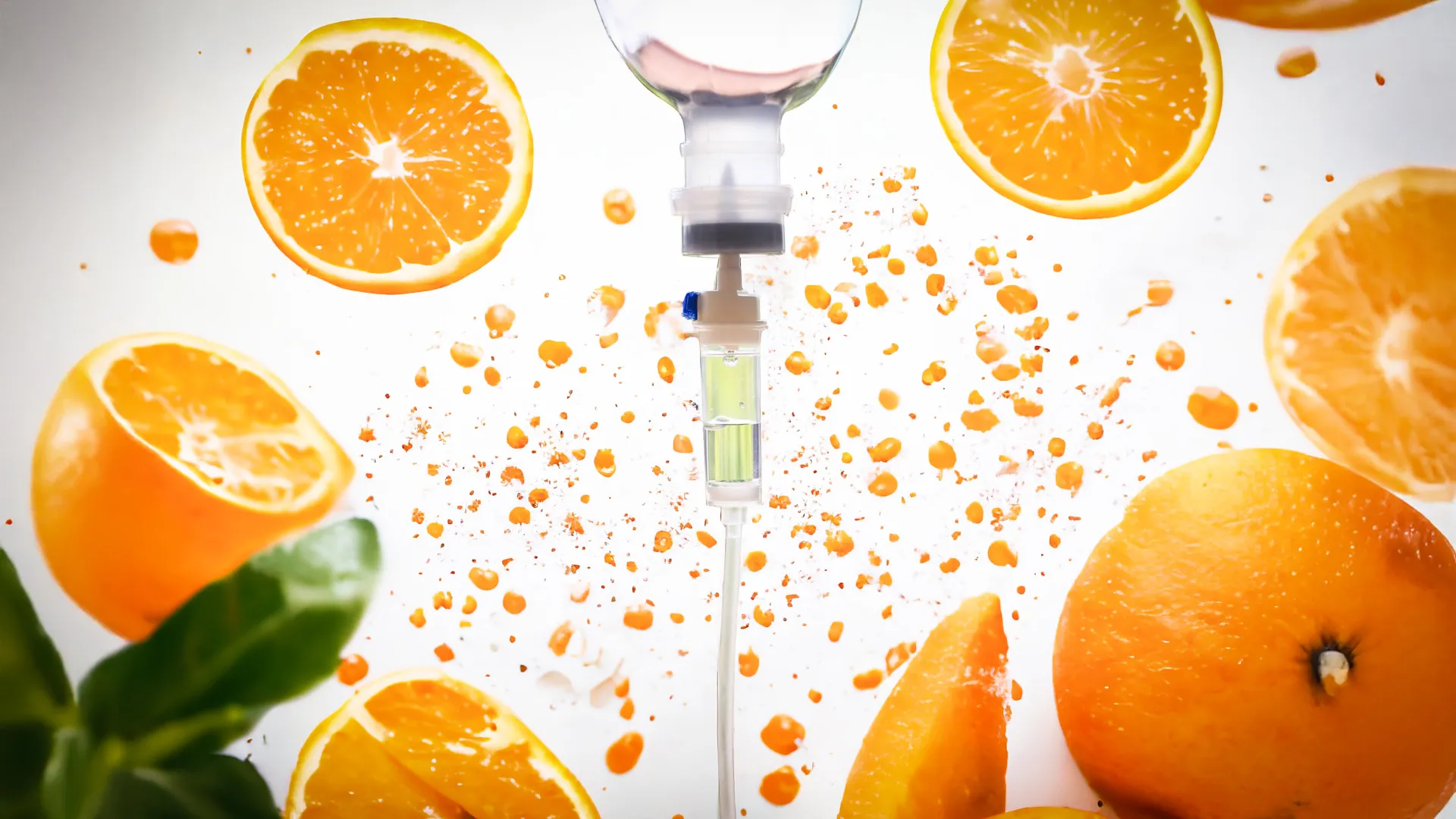
Cancer cells are often characterized by rapid proliferation, a demanding metabolism, and a compromised internal antioxidant defense system. They are already under significant cellular stress, producing an abundance of their own reactive molecules. When exposed to a sudden surge of hydrogen peroxide generated by high-dose vitamin C, these stressed cancer cells can be overwhelmed. The increased oxidative damage disrupts their DNA, impairs their energy production machinery, and ultimately triggers programmed cell death, or apoptosis. Normal, healthy cells, with their more robust antioxidant defenses and lower metabolic stress, are generally more resilient to these effects and are more likely to survive. In this context, high-dose intravenous vitamin C begins to resemble a selective chemotherapy agent rather than a simple dietary supplement. The critical point is that these potent, drug-like effects are unattainable through oral vitamin C supplementation.
Revisiting the Evidence: Early Clinical Insights and Ongoing Research
Despite the initial setback from the Mayo Clinic trials, modern research has begun to lend credence to the idea that high-dose intravenous vitamin C might hold therapeutic potential in oncology. Early clinical studies, though small and often focusing on specific types of difficult-to-treat cancers such as ovarian, pancreatic, and brain tumors, have explored the safety and preliminary efficacy of IV vitamin C.
These studies have indicated that many patients can tolerate high doses of IV vitamin C administered multiple times a week with minimal serious side effects. However, it is crucial to note that this treatment is not without risks. Potential complications can arise, particularly in individuals with compromised kidney function or certain rare inherited metabolic disorders. Therefore, IV vitamin C therapy should not be considered a benign "wellness" treatment to be administered without strict medical supervision.
Some studies have suggested that combining IV vitamin C infusions with conventional chemotherapy might offer modest benefits, potentially leading to slightly improved survival or better management of treatment-related side effects. Other research, however, has failed to demonstrate a clear advantage. The current body of evidence remains mixed, limited by the small size and heterogeneity of the trials, making it difficult to draw definitive conclusions about survival benefits.
Quality of Life: A Consistent Signal
One of the most consistent observations across several studies is the potential positive impact of IV vitamin C on patients’ quality of life. Many patients receiving vitamin C infusions alongside chemotherapy report a reduction in fatigue, decreased pain levels, and amelioration of common chemotherapy side effects such as nausea. For individuals battling advanced cancer, improvements in these aspects of daily living can be profoundly meaningful, even if they do not represent a complete cure.
Emerging Roles in Cancer Biology
Beyond its potential direct cytotoxic effects, laboratory research is uncovering more subtle ways in which vitamin C might influence cancer. It plays a role in enzymatic processes that regulate DNA methylation, a key epigenetic mechanism that controls gene expression and is frequently dysregulated in cancer. Vitamin C is also involved in cellular responses to low oxygen levels (hypoxia), a common feature of the tumor microenvironment that promotes cancer growth and metastasis.
In some experimental models, high vitamin C concentrations have been observed to reduce the aggressiveness of cancer cell growth and enhance their susceptibility to other forms of cancer therapy. There is even nascent speculation that vitamin C might help bolster the immune system’s ability to recognize and attack tumor cells, although this remains a highly speculative area of research.
A Nuanced Vindication: Part Right, Part Exaggerated
So, was Linus Pauling right after all? The most accurate answer is that he was partly right, for reasons that were not fully understood at the time, but he also significantly exaggerated the promise of vitamin C as a cancer cure. He was incorrect in promoting oral vitamin C tablets as a potent, universal remedy for cancer, as large, well-designed trials failed to support these claims for patients with established disease. His broad assertions about vitamin C’s efficacy across a wide spectrum of illnesses were also largely unsubstantiated.
However, Pauling was not entirely wrong to suspect that vitamin C might possess a unique role in cancer treatment. He possessed an intuition, prescient for his era, that very high doses, delivered intravenously, could exert distinct biological effects that differed markedly from standard nutritional supplementation.
Contemporary research has corroborated his intuition regarding the achievable blood levels and distinct biological actions of IV vitamin C. The crucial missing piece remains large-scale, definitive randomized controlled trials that unequivocally demonstrate that high-dose intravenous vitamin C demonstrably prolongs life for the majority of cancer patients. Until such robust evidence emerges, IV vitamin C should be considered an experimental therapy. It holds enough promise to warrant continued investigation but is not yet sufficiently proven to displace established, evidence-based standard cancer therapies. Any current use of high-dose IV vitamin C in oncology should be confined to carefully controlled clinical trials or strictly supervised medical settings, not offered as an unproven "immune boost" in less regulated environments.
The ongoing exploration of vitamins in cancer therapy is a dynamic field that continues to evolve. The saga of Linus Pauling and vitamin C serves as a potent reminder that scientific progress rarely follows a linear path. A bold hypothesis, initial flawed research, a strong backlash, and then, years later, a more measured and rigorous re-examination of the question is a recurring pattern. While Pauling may not be fully vindicated as the miracle cure advocate some once envisioned, he was not simply delusional. In his fervent pursuit, he may have glimpsed a sliver of scientific truth long before the methodologies and understanding existed to fully elucidate it. The scientific community continues to grapple with the complexities of this remarkable molecule, a testament to the enduring power of scientific inquiry and the often-unexpected twists and turns of discovery.
