
 By admin
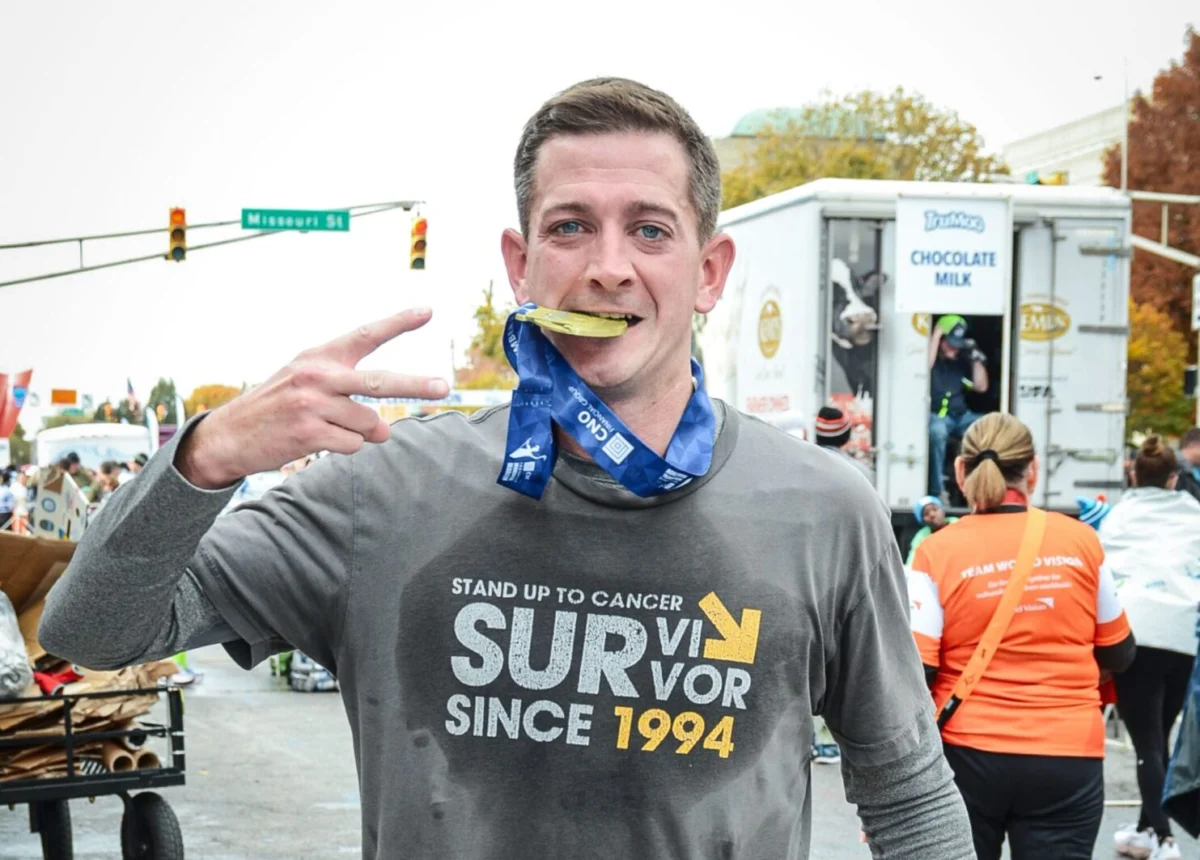
The trajectory of pediatric oncology has shifted dramatically over the last half-century, moving from a focus on mere survival to a complex management of long-term health outcomes. Reid Hoffman, a survivor of a rare childhood bladder cancer, stands as a testament to both the success of early medical intervention and the enduring physical toll that aggressive treatments can exact over a lifetime. After thirty-three years of navigating the "late effects" of his treatment—a spectrum of chronic conditions resulting from chemotherapy, radiation, and surgery—Hoffman has emerged as a prominent advocate and fundraiser for the Children’s Cancer Research Fund (CCRF). By completing a marathon and a 316-mile cycling challenge, Hoffman is leveraging his personal history of medical adversity to fund research aimed at developing less toxic treatments for the next generation of pediatric patients.
The Clinical Reality of Pediatric Bladder Cancer and Early Intervention
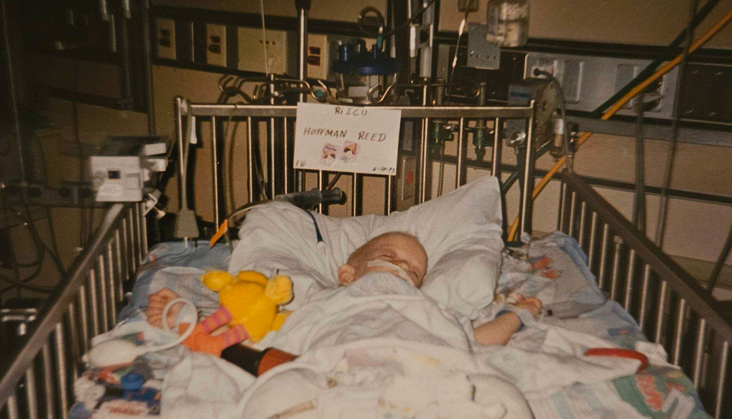
Childhood bladder cancer is an exceedingly rare diagnosis, often presenting as rhabdomyosarcoma, a soft tissue tumor. In the era when Hoffman was treated, the standard of care prioritized the total eradication of malignant cells through highly aggressive protocols. For Hoffman, this involved a radical surgical intervention that resulted in the removal of half of his bladder. While the procedure was life-saving, it fundamentally altered his physiological development.
The surgery was only the beginning of a multi-modal treatment plan. To ensure the cancer did not recur, medical teams administered high-dose radiation, chemotherapy, and steroids. While these tools were successful in achieving remission, the systemic impact on a developing body is profound. Unlike adult patients, whose tissues are mature, pediatric patients undergo rapid cellular division and bone growth. When radiation and cytotoxic drugs are introduced during these critical windows, they can permanently alter or halt biological processes, leading to the "late effects" that Hoffman has managed for over three decades.
A Thirty-Three-Year Medical Chronology: Navigating Late Effects
The narrative of cancer "survival" often ends at the point of remission, but for Hoffman, the medical journey evolved into a lifelong management of collateral damage. The systemic nature of his early treatments manifested in a wide array of secondary health complications that spanned multiple biological systems.
One of the most visible impacts was dental development. Because chemotherapy targets rapidly dividing cells, it can interfere with the formation of permanent teeth if administered during certain developmental stages. In Hoffman’s case, his first molars never formed, necessitating lifelong dental management. More debilitating, however, was the neurological and musculoskeletal damage. Hoffman continues to experience limited sensation and motor function on the right side of his body, a direct result of nerve damage sustained during his intensive treatment phase.
The internal complications have been equally persistent. Hoffman’s medical history includes chronic bleeding, colitis, and ongoing issues within the urinary system. Furthermore, the long-term presence of steroids and radiation has contributed to premature arthritis and cartilage degeneration. These conditions are common among survivors of pediatric cancer; data from the Childhood Cancer Survivor Study (CCSS) indicates that by age 45, more than 95% of survivors will have a chronic health condition, and 80% will have a severe or life-threatening condition resulting from their original treatment.
From Patient to Athlete: The "Impossible Mission" of the Marathon
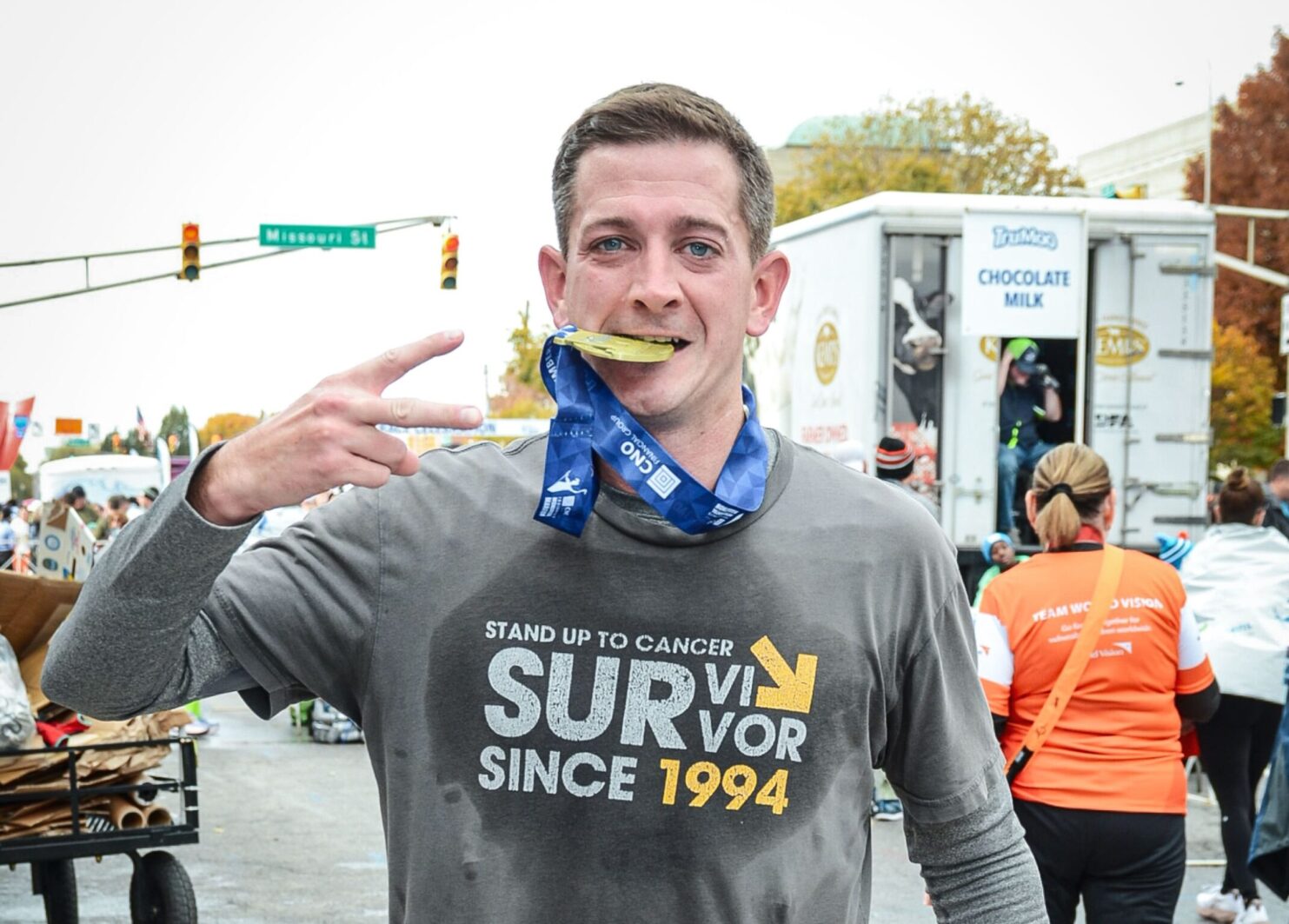
Despite a physical profile that would traditionally preclude high-impact athletics, Hoffman sought to challenge the perceived limitations of his body. His decision to join Team CCRF and run a marathon represented a psychological and physical pivot from patient to advocate. The training required for a 26.2-mile race is rigorous for any individual, but for Hoffman, it required navigating the specific constraints of limited right-side mobility and chronic joint degeneration.
In the previous calendar year, Hoffman completed the marathon, raising $500 for childhood cancer research. For Hoffman, the achievement was not measured by the clock. He noted that the marathon was never about a specific finishing time, but rather about completing what he once considered an "impossible mission." This sentiment reflects a broader movement within the survivor community to reclaim agency over bodies that were once defined by illness and medical protocols.
The funds raised through Team CCRF are directed toward the University of Minnesota and other leading institutions where researchers are working to refine treatment protocols. The goal is to identify "minimal effective doses" and targeted therapies that can kill cancer cells without causing the systemic damage Hoffman has endured.
The Great Cycle Challenge: Expanding the Scope of Advocacy
Building on the momentum of his marathon finish, Hoffman recently participated in the Great Cycle Challenge, a national event benefiting the Children’s Cancer Research Fund. This endurance test required a different type of physical output, focusing on cardiovascular stamina and repetitive motion, which can be particularly challenging for individuals with cartilage issues and arthritis.
Hoffman set an ambitious goal and surpassed it, riding 316 miles over the course of the challenge. This effort raised nearly $700, bringing his recent fundraising contributions to over $1,200. The Great Cycle Challenge has become a vital component of CCRF’s fundraising strategy, mobilizing thousands of riders across the United States to turn their fitness goals into philanthropic engines. Since its inception, the challenge has raised tens of millions of dollars, specifically earmarked for high-risk, high-reward research that often struggles to secure federal funding.
Statistical Context: The Funding Gap in Pediatric Oncology
Hoffman’s fundraising efforts highlight a critical disparity in the American medical research landscape. While cancer is the leading cause of death by disease for children in the United States, pediatric cancer research receives a disproportionately small fraction of federal funding.
Currently, only about 4% of the National Cancer Institute’s (NCI) annual budget is dedicated specifically to childhood cancers. This necessitates a heavy reliance on private organizations like the Children’s Cancer Research Fund. CCRF focuses on filling this gap by funding:
- Phase I Clinical Trials: Testing new drugs that are more targeted and less toxic.
- Survivorship Programs: Researching the very "late effects" that Hoffman manages daily to improve the quality of life for the 500,000 survivors currently living in the U.S.
- Hard-to-Treat Cancers: Focusing on rare forms of the disease, such as the bladder cancer Hoffman survived, which do not receive the same level of industry attention as common adult cancers.
The impact of this funding is measurable. In the 1970s, the five-year survival rate for childhood cancer was approximately 58%. Today, thanks to the research funded by initiatives like those Hoffman supports, that rate has climbed to over 85%. However, as Hoffman’s story illustrates, survival is only the first step; the quality of that survival is the new frontier of pediatric medicine.
Broader Implications and the Future of Survivorship
The narrative of Reid Hoffman is representative of a growing cohort of adult survivors of childhood cancer. This demographic faces unique medical challenges that traditional adult primary care is often ill-equipped to handle. Hoffman’s persistence in staying active despite nerve damage and colitis underscores the necessity of integrated survivorship care.
Medical analysts suggest that the next decade of oncology will be defined by "precision medicine"—tailoring treatments to the genetic profile of the tumor and the individual patient. For future children diagnosed with bladder cancer, the hope is that they will not require the removal of half their bladder or the administration of systemic toxins that halt dental development. Instead, targeted therapies could potentially dissolve tumors with minimal impact on surrounding healthy tissue.
Hoffman’s advocacy provides the financial fuel for this transition. By turning his 316-mile bike ride and his 26.2-mile run into a platform for awareness, he is ensuring that the hardships of his past become the catalysts for a more humane medical future.
Conclusion: A Legacy of Resilience
Reid Hoffman’s journey from a NICU ward to the finish line of a marathon serves as a powerful case study in the evolution of cancer care. His life is a balance of the triumphs of modern medicine and the physical costs of those early victories. As he continues to push his physical boundaries, his focus remains steadfast on the children currently undergoing treatment.
The Children’s Cancer Research Fund continues to invite the public to join Team CCRF, emphasizing that every mile run or cycled contributes to a body of knowledge that will eventually render the "late effects" of cancer treatment a thing of the past. For Hoffman, the finish line is not just a personal milestone; it is a signal of hope for a future where a cancer diagnosis does not dictate a lifetime of physical struggle. As he prepares for his next endurance challenge, the message to the medical and survivor community is clear: moving forward is the only option, both for the individual and for the science of oncology.
