
 By admin
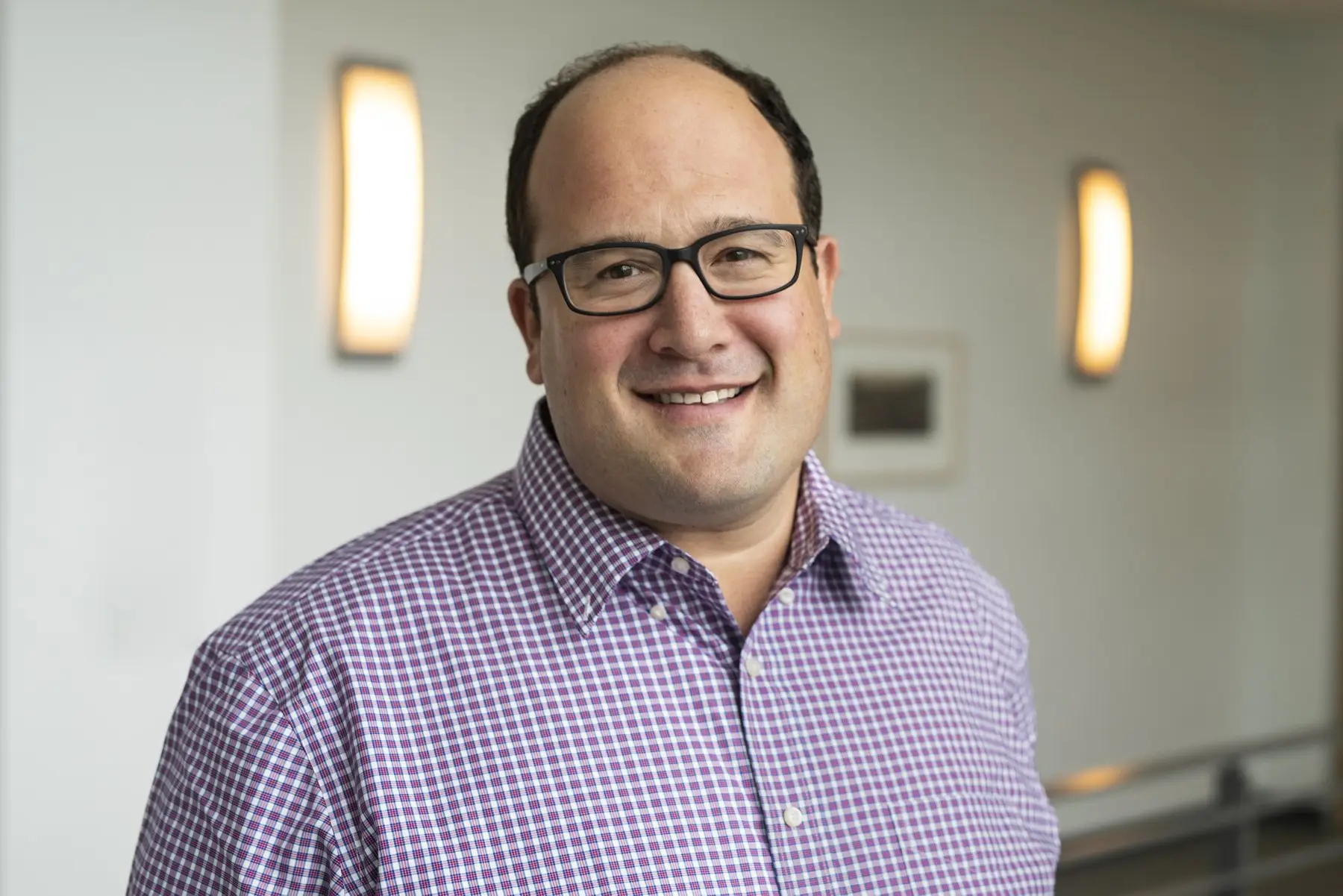
The landscape of pediatric oncology is poised for a significant shift as CureSearch for Children’s Cancer officially names Dr. Robbie Majzner of the Dana-Farber Cancer Institute as the recipient of the 2026 CureSearch Catapult Award. This prestigious $2 million investment, co-funded in partnership with the Jeff Gordon Children’s Foundation, is earmarked for the launch of a Phase I clinical trial focused on a sophisticated, next-generation CAR T-cell therapy. The trial targets children and young adults suffering from relapsed or refractory neuroblastoma, a patient population that has historically faced a dearth of effective therapeutic options and a grim prognosis.
Neuroblastoma remains one of the most formidable challenges in the field of pediatric medicine. As the most common extracranial solid tumor in children, it originates in the sympathetic nervous system and accounts for roughly 7% to 10% of all childhood cancer cases. However, its impact on mortality is disproportionately high, responsible for more than 10% of pediatric cancer-related deaths. For those diagnosed with high-risk neuroblastoma, the medical community has struggled to raise the five-year survival rate, which currently remains stubbornly below 50%. Even when initial treatment—a grueling regimen of high-dose chemotherapy, surgery, radiation, and stem cell transplants—is successful, the risk of recurrence is high. For patients in the relapsed or refractory stage, where the cancer either returns or resists initial treatment, the outlook has traditionally been devastatingly poor.
The Biological Challenge of Neuroblastoma and Solid Tumors
While the advent of Chimeric Antigen Receptor (CAR) T-cell therapy has revolutionized the treatment of hematologic malignancies, such as certain types of leukemia and lymphoma, its application to solid tumors like neuroblastoma has been fraught with biological hurdles. In blood cancers, CAR T-cells—which are a patient’s own immune cells genetically engineered to recognize specific cancer markers—can easily access and destroy malignant cells circulating in the bloodstream.
Solid tumors present a much more hostile environment. They are often protected by a dense physical matrix and an immunosuppressive microenvironment that actively shuts down immune responses. Furthermore, once CAR T-cells penetrate a solid tumor, they frequently succumb to "T-cell exhaustion." This state of cellular fatigue renders the engineered cells unable to continue their attack, allowing the cancer to persist and eventually overcome the treatment.
In neuroblastoma specifically, the primary target for immunotherapy has been GD2, a sugar-fat molecule (ganglioside) found in high concentrations on the surface of neuroblastoma cells. While existing GD2-targeted therapies, such as monoclonal antibodies, have improved survival rates, they are often limited by intense side effects—most notably severe nerve pain—and their inability to provide a sustained response in patients with a high burden of disease.
Engineering a Next-Generation Solution: The ZAP70 Innovation
Dr. Robbie Majzner and his research team at Dana-Farber Cancer Institute have developed a novel approach to address these specific limitations. Their research centers on a redesigned CAR architecture that incorporates a signaling protein known as ZAP70. In a natural immune response, ZAP70 plays a critical role in the signaling cascade that activates T-cells. By integrating this specific protein into the CAR T-cell structure, the researchers aim to mimic a more natural and sustainable activation process.
The objective of this "next-generation" design is twofold: to enhance the persistence of the T-cells within the body and to provide them with the metabolic "stamina" needed to resist exhaustion. Preclinical studies conducted in laboratory models have yielded highly promising results. These redesigned CAR T-cells demonstrated a significantly more robust anti-tumor response and maintained their activity for much longer periods compared to traditional GD2-targeted CAR T-cell designs. Crucially, the data also suggested a potentially improved safety profile, which could reduce the toxicities often associated with intensive immunotherapy.
Dr. Majzner emphasized the importance of this architectural shift in a recent statement regarding the trial. “Current GD2 CAR T cells only work in patients with small amounts of disease. We’ve designed a brand-new CAR architecture that breaks past limitations to success in lab models, and this trial will allow us to bring this advanced therapy to the children who need it most,” he noted.
Bridging the "Valley of Death" in Pediatric Research
The $2 million Catapult Award serves a strategic purpose beyond mere funding; it is designed to bridge the "Valley of Death," a term used in the scientific community to describe the perilous gap between a successful laboratory discovery and the commencement of human clinical trials. In pediatric oncology, this gap is particularly wide. Because childhood cancers are considered rare diseases compared to adult cancers, they often lack the commercial incentive required to attract large-scale investment from the pharmaceutical industry.
CureSearch for Children’s Cancer developed the Catapult Award specifically to de-risk these high-potential projects. By providing the necessary capital to move from the bench to the bedside, CureSearch ensures that innovative science does not languish in the laboratory. The 2026 award represents a continued commitment to this mission, identifying Dr. Majzner’s work as a "bold, high-potential" project capable of fundamentally altering the treatment paradigm for neuroblastoma.
Dr. Paisley Myers, Senior Director of Research & Programs at CureSearch, highlighted the organization’s role in this transition. “One of the greatest challenges in pediatric cancer research is ensuring that promising discoveries reach children,” Dr. Myers stated. “Through the Catapult Award, CureSearch helps move innovative therapies from the laboratory into clinical trials. Dr. Majzner’s work exemplifies the bold, high-potential research we were created to support.”
Strategic Collaboration and the Role of the Jeff Gordon Children’s Foundation
The funding for this award is a collaborative effort between CureSearch and the Jeff Gordon Children’s Foundation. Founded by the four-time NASCAR Cup Series champion, the foundation has long been a pillar of support for pediatric cancer research. This partnership underscores a growing trend in the non-profit sector where organizations pool resources to maximize the impact of their investments in specialized medical research.
By co-funding the Catapult Award, the Jeff Gordon Children’s Foundation is helping to provide the momentum required for Dana-Farber to navigate the complex regulatory and logistical requirements of a Phase I trial. This stage of research is critical, as it is the first time the therapy will be evaluated in human subjects. The primary goals of the Phase I study will be to establish the safety of the treatment, determine the optimal dosage, and observe early indicators of efficacy in children and young adults with relapsed or refractory neuroblastoma.
Broader Implications for Oncology and Immunotherapy
The implications of Dr. Majzner’s trial extend well beyond the immediate patient group. If the ZAP70-enhanced CAR T-cell architecture proves successful in neuroblastoma, it could serve as a blueprint for treating other solid tumors that express the GD2 molecule. This includes osteosarcoma (a common bone cancer in adolescents) and certain types of brain tumors, such as Diffuse Intrinsic Pontine Glioma (DIPG), which currently have no known cure.
Furthermore, the research contributes to the broader understanding of T-cell exhaustion and signaling. The lessons learned from this trial could eventually be applied to adult oncology, helping to refine CAR T-cell therapies for more common solid tumors like lung, breast, or colon cancer. The "Catapult" effect, therefore, is not limited to one drug or one disease; it is a catalyst for the entire field of cellular therapy.
A Timeline Toward a New Standard of Care
The announcement of the 2026 CureSearch Catapult Award sets in motion a rigorous timeline. Following the finalization of the award, the team at Dana-Farber will move into the final stages of trial preparation, which includes obtaining necessary approvals from the Food and Drug Administration (FDA) and Institutional Review Boards (IRB).
The Phase I trial is expected to enroll a small cohort of pediatric and young adult patients. These participants will undergo "apheresis," a process where their T-cells are collected, followed by the genetic engineering of those cells in a specialized laboratory. Once the cells are modified and expanded, they will be infused back into the patient. Researchers will then closely monitor the patients for several months to track the persistence of the cells and the response of the tumor.
As Dr. Majzner concluded, the support of the Catapult Award is the vital link in this chain of progress. “The CureSearch Catapult Award is vital to our mission; it gives us the momentum to catapult this science out of the lab and directly to the forefront of patient care.”
For the families of children with neuroblastoma, this trial represents more than just a scientific experiment; it represents a tangible hope for a future where a diagnosis of relapsed disease is no longer a terminal sentence. By investing in the intersection of innovative engineering and clinical application, CureSearch and its partners are working to ensure that the next generation of cancer survivors can look forward to a life free from the devastating effects of both the disease and its traditional treatments.
