
 By Suherman Candra Maholtra
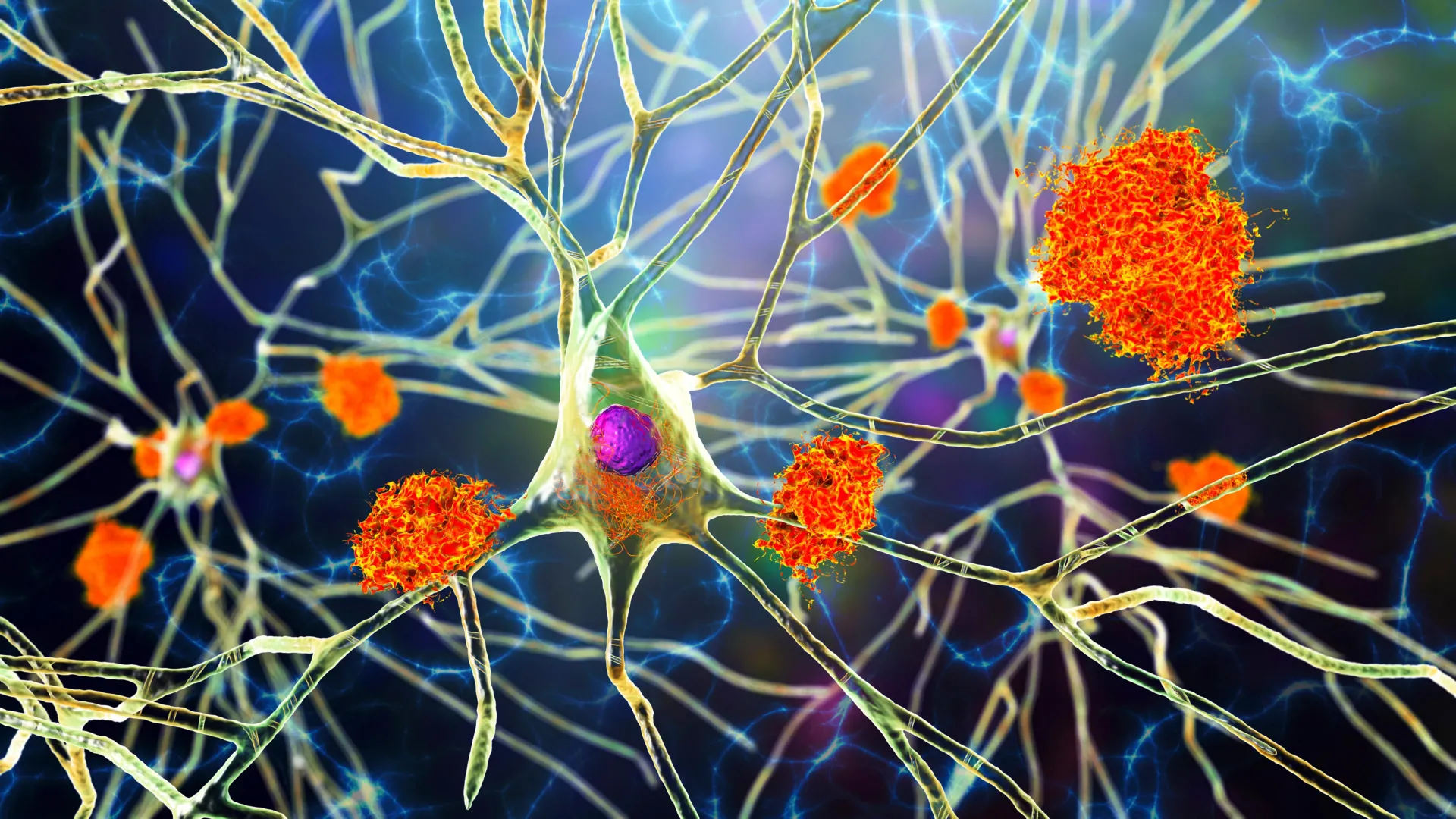
The landscape of neurodegenerative research has shifted significantly following a breakthrough discovery by scientists at the University of Virginia School of Medicine. Researchers have identified that a specific gene, CASS4, serves as a fundamental regulator of the brain’s ability to defend itself against the toxic protein accumulations characteristic of Alzheimer’s disease. The study reveals that when the function of CASS4 is compromised, the brain’s specialized immune cells—microglia—lose their ability to contain and compact harmful amyloid-beta plaques, leading to accelerated neurological decline.
This discovery, led by John Lukens, PhD, and his team at UVA’s Harrison Family Translational Research Center in Alzheimer’s and Neurodegenerative Diseases, addresses a long-standing mystery in genetic medicine. While previous genome-wide association studies had identified CASS4 as a high-risk factor for Alzheimer’s, its specific biological function remained largely unknown until now. The findings, recently published in the Journal of Experimental Medicine, suggest that targeting the immune system’s genetic pathways could offer a more effective route for early detection and therapeutic intervention than traditional neuron-centric approaches.
The Role of Microglia and the Mechanism of CASS4
Alzheimer’s disease is characterized by the progressive accumulation of amyloid-beta plaques and tau protein tangles, which disrupt communication between neurons and eventually lead to cell death. However, the brain is not entirely defenseless against these developments. Microglia, which function as the central nervous system’s primary immune defense, act as a "cleanup crew." Their role is to identify, surround, and compress amyloid deposits, preventing them from spreading and causing collateral damage to surrounding healthy brain tissue.
The UVA research team found that the CASS4 gene is essential to this microglial response. In laboratory models, the researchers observed that a deficiency in CASS4 activity resulted in microglia that were sluggish and disorganized. Instead of forming tight, protective barriers around amyloid plaques, the immune cells failed to respond effectively. This failure allowed the plaques to remain in a "loose," more toxic state, where they could expand more aggressively and inflict greater damage on the synapses and neurons responsible for memory and cognition.
"These findings break new ground in our understanding of how this genetic risk factor contributes to Alzheimer’s disease," said Dr. Lukens. "Our work further suggests that defective CASS4 activity may serve as an early-onset biomarker to detect Alzheimer’s and that therapeutic strategies which boost its function may offer a much-needed approach to treat this devastating brain disease."
Shifting the Paradigm: From Neurons to Neuroimmunology
For decades, Alzheimer’s research focused almost exclusively on neurons—the cells that transmit information. The prevailing theory was that by targeting the proteins that accumulate between or inside these cells, the disease could be halted. However, the UVA study contributes to a growing body of evidence suggesting that the brain’s immune environment is just as, if not more, critical to disease progression.
Historically, scientists suspected that CASS4 influenced Alzheimer’s by affecting the health of neurons directly. The UVA study has effectively overturned this assumption, proving that the gene’s primary theater of operation is the immune system. By demonstrating that CASS4 regulates the behavior of microglia, the research highlights a "paradigm shift" in how the medical community views neurodegeneration.
"Many in the field initially presumed that CASS4 was likely functioning in neurons," Dr. Lukens explained. "Our findings shift this paradigm by proving that CASS4 predominantly acts through the immune system. This is particularly exciting, as it has only been in recent years that immune-targeting strategies have been considered for the treatment of neurodegenerative diseases, and this remains an untapped therapeutic avenue with tremendous potential."
Statistical Context and the Human Toll of Alzheimer’s
The urgency of this research is underscored by the staggering statistics surrounding Alzheimer’s disease in the United States. According to data cited by the researchers and the Alzheimer’s Association, more than 6 million Americans are currently living with the condition. It is the sixth-leading cause of death in the country, and as the population ages, these numbers are projected to rise significantly.
The disease is not only a leading cause of mortality but also a primary driver of long-term disability and emotional distress for families. In its advanced stages, Alzheimer’s erases decades of memory, eventually preventing individuals from recognizing their own children or spouses. By identifying the genetic triggers that allow the disease to advance, the UVA team hopes to provide a pathway toward preventing this loss of identity for millions of future patients.
Experimental Findings and Observations
The research conducted by Addie Walsh, a UVA physiology graduate student and the paper’s first author, involved sophisticated genetic manipulation in mouse models. By "knocking out" or reducing the activity of the CASS4 gene, the team could observe the real-time effects on brain health.
The results were stark. In mice with reduced CASS4 activity:
- Plaque Morphology: Amyloid-beta plaques were less compact and more diffuse, covering a larger surface area of the brain tissue.
- Neuronal Damage: Nearby neurons showed increased signs of stress and damage, as the diffuse plaques were more "leaky" and toxic.
- Cognitive Decline: The animals performed significantly worse on memory and spatial navigation tasks compared to the control group.
- Gene Signaling: The loss of CASS4 triggered a "domino effect," altering the expression of several other genes involved in inflammation and cellular waste management.
"Despite CASS4 being an Alzheimer’s risk gene, really nothing is known about what this gene does or how it affects the brain during disease," Walsh said. "These are important findings because they give us new insight into how this understudied risk gene functions in the brain and suggest that CASS4 may normally help microglia respond to amyloid pathology."
Institutional Support and Future Directions
The study was supported by a robust network of research centers at the University of Virginia, including the Harrison Family Translational Research Center and the Center for Brain Immunology and Glia (BIG Center). The work also aligns with the mission of the newly established Paul and Diane Manning Institute of Biotechnology, which aims to accelerate the translation of laboratory breakthroughs into clinical treatments.
The collaborative nature of the project also extended to the student body. Benjamin Davis, a fourth-year biology student at UVA and a contributor to the study, noted that the research provided invaluable insights into the complexities of modern medicine. "Undergraduate research develops a kind of critical thinking that is difficult to cultivate inside a classroom," Davis said. "My experience with research has taught me to approach questions systematically and never assume there will be a clear answer."
As the UVA team continues to explore the implications of CASS4, Addie Walsh is transitioning to a postdoctoral role at the pharmaceutical company Novartis in Boston. Her future work will focus on the Neurodegeneration Team, where she will continue to investigate how microglial function can be harnessed to fight brain diseases in a clinical setting.
Implications for Future Therapies
The potential for CASS4 to serve as a biomarker is one of the most promising aspects of the study. If clinicians can identify patients with diminished CASS4 activity through genetic screening or specialized imaging, they may be able to intervene years before cognitive symptoms appear.
Furthermore, the research opens the door for "immunotherapy" for the brain. While current Alzheimer’s drugs often focus on clearing existing plaques—often with mixed results—a CASS4-based therapy could theoretically "supercharge" the brain’s natural defenses. By boosting the activity of this gene, doctors might enable microglia to contain plaques more effectively, essentially turning a terminal condition into a manageable one.
However, the researchers caution that while the results in mice are definitive, human clinical trials are necessary to confirm these effects. The biological pathways in humans are more complex, and the timing of intervention will be a critical factor in the success of any future CASS4-targeted treatments.
Acknowledgments and Funding
The research was made possible through significant federal and private funding. The National Institutes of Health’s National Institute on Aging provided several grants (R01AG071996, R01AG087406, RF1AG078684, and R01AG086344). Additional financial support was provided by the Cure Alzheimer’s Fund, the Owens Family Foundation, the Harrison Family Foundation, the Rick Sharp Foundation, and the Steven A. Newman AD Award.
The comprehensive study involved a diverse team of researchers, including Joshua D. Samuels, William A. Mills III, Jessica M. Thanos, Alexis M. Johnson, and several others. The authors declared no financial conflicts of interest, emphasizing the objective nature of the findings.
As UVA continues to expand its biotechnology infrastructure, the discovery of the CASS4 mechanism stands as a testament to the university’s role in the global effort to solve the Alzheimer’s crisis. By shifting the focus toward the immune system, the UVA team has provided a new map for the next generation of neurologists and drug developers.
