
 By admin
The pursuit of more effective cancer immunotherapies, aiming to expand the number of patients who benefit from these transformative treatments, served as the unifying theme at the Society for Immunotherapy of Cancer’s (SITC) 41st Annual Meeting. Held from November 4 to 8, 2026, in the vibrant city of Phoenix, Arizona, this pivotal gathering brought together a global assembly of researchers, clinicians, and industry leaders. Over five intensive days, the scientific community engaged in a dynamic exchange of groundbreaking discoveries, innovative therapeutic strategies, and the advanced tools vital for deciphering the complex interplay between the immune system and cancer. A significant highlight of this year’s meeting was the initiation of a new annual collaboration between SITC and the Cancer Research Institute (CRI), prominently featuring the CRI William B. Coley Award Lecture, further solidifying the collective commitment to accelerating progress in the field.
A Confluence of Minds: SITC’s Enduring Legacy and Evolving Landscape
SITC’s annual meeting has long stood as a cornerstone event for the immunotherapy community, serving as an essential forum for disseminating cutting-edge research, fostering interdisciplinary collaborations, and shaping the strategic direction of cancer treatment. As immunotherapy has transitioned from a promising but niche concept to a mainstream pillar of oncology, the urgency to address persistent challenges – such as identifying biomarkers for response, overcoming resistance mechanisms, and extending benefits to a broader patient population – has intensified. The 41st Annual Meeting reflected this evolution, emphasizing a holistic approach that spans basic immunological discovery, translational research, and clinical application. Historically, the field of immunotherapy, once met with skepticism, has witnessed a remarkable ascent, particularly since the early 2010s with the advent of checkpoint inhibitors. This revolution has led to unprecedented survival rates in previously intractable cancers like metastatic melanoma and non-small cell lung cancer. By 2026, the global cancer immunotherapy market, having experienced sustained double-digit growth, was projected to exceed $150 billion, underscoring the immense scientific and economic stakes involved in these annual deliberations. The Phoenix meeting thus represented a critical juncture for evaluating current successes and charting the course for future breakthroughs.
Inaugural CRI William B. Coley Award Lecture: Honoring a Pioneer in Innate Immunity
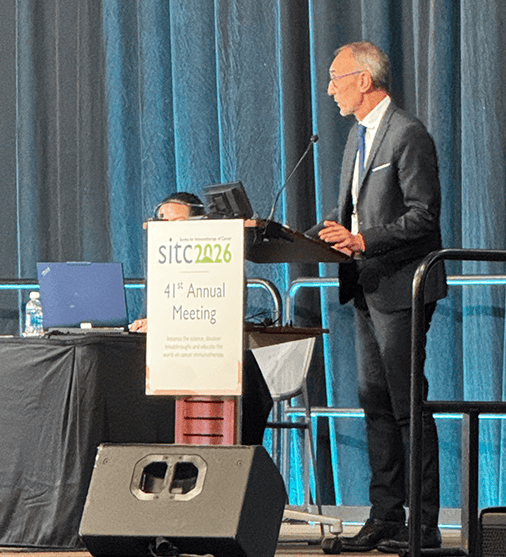
A landmark moment at the 41st SITC meeting was the launch of an annual collaboration with the Cancer Research Institute, bringing the prestigious CRI William B. Coley Award Lecture directly to the SITC platform. This year, the inaugural lecture recognized Dr. Eric Vivier, DVM, PhD, a distinguished scientist whose decades of profound contributions have fundamentally reshaped our understanding of the immune system’s innate capacity to combat cancer.
Dr. Vivier’s pioneering work has primarily focused on natural killer (NK) cells, a critical component of the innate immune system. Unlike T cells, which require specific antigen presentation to recognize and destroy diseased cells, NK cells possess an intrinsic ability to identify and eliminate cancer cells and virally infected cells without prior sensitization. This makes them a rapid, first-line defense mechanism. His extensive investigations have not only illuminated the intricate biology of NK cells but have also unequivocally established the paramount importance of innate immunity in the broader context of cancer research. These foundational discoveries have been instrumental in guiding the development of novel therapeutic strategies that aim to harness the potent anti-cancer properties of NK cells for clinical benefit.
In her introduction, Dr. Alicia Zhou, PhD, CEO of the Cancer Research Institute, articulated the profound impact of Dr. Vivier’s work: "For decades, Eric has helped shape our understanding of innate immunity and how we might harness it to treat cancer. I am really thrilled and honored to be able to partner with SITC to bring our Coley Lecture to this conference. It’s a real pleasure." Dr. Vivier’s lecture, aptly titled "Harnessing NK Cells in Cancer Therapies," provided an in-depth exploration of his research trajectory and the clinical implications of NK cell-based interventions.
The introduction of this annual lecture creates a vital new platform, not only for celebrating the achievements of scientific luminaries like Dr. Vivier but also for ensuring that their groundbreaking work is shared directly with the vast network of researchers and clinicians who are actively building upon these discoveries. This strategic partnership underscores a shared vision, as Dr. Sandra Demaria, MD, Vice President of SITC, emphasized: "There is a very complementary role for CRI and SITC to move the future of cell cancer immunotherapy to help accelerate discovery to support science young investigators. We are stronger together." This synergy is expected to amplify the impact of both organizations, fostering a more rapid translation of research into patient-benefiting therapies.
CRI Conversations: Charting the Future Trajectory of Cell Therapy
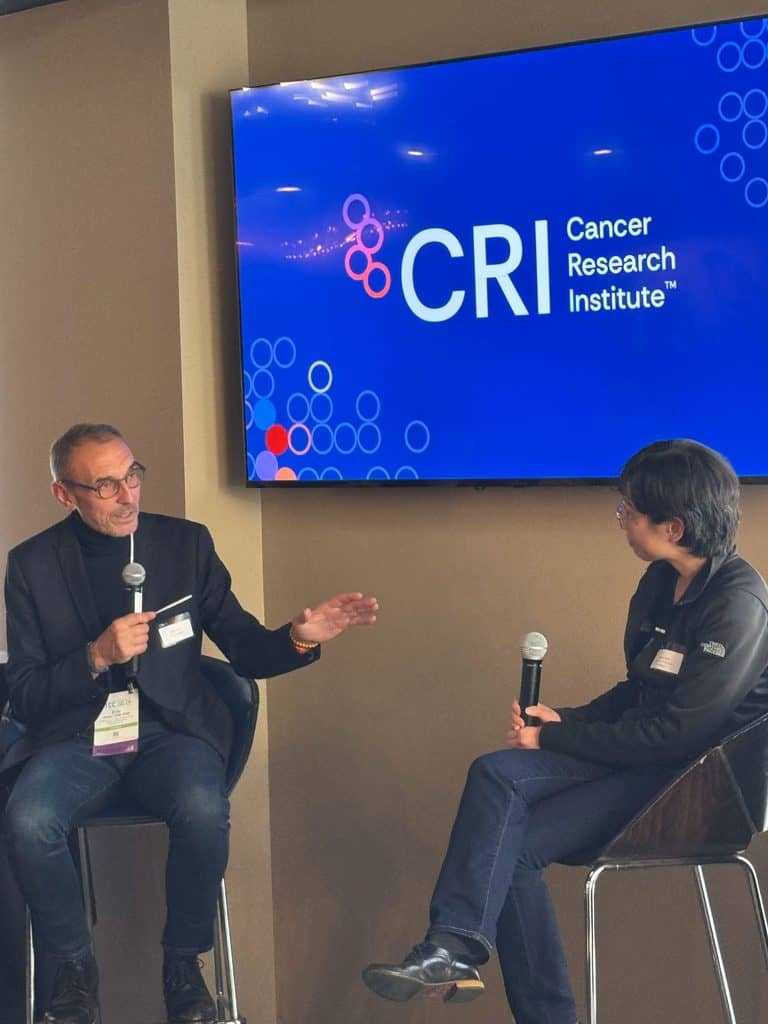
Beyond the formal lecture, a unique "CRI Conversations" fireside chat offered attendees an intimate and candid discussion between Dr. Vivier and Dr. Yvonne Chen, PhD, a distinguished CRI Lloyd J. Old STAR. Their conversation delved into the multifaceted future of cell therapy, addressing some of the most pressing questions and emerging frontiers in the field.
A central theme of their discussion revolved around the potential for NK cells and T cells – the two principal effector cells in cancer immunotherapy – to complement each other. While T cells, particularly engineered CAR T cells, have shown remarkable efficacy in certain hematological malignancies, their application in solid tumors remains challenging. The inherent ability of NK cells to recognize and kill cancer cells without requiring specific antigen presentation suggests that strategies combining or alternating NK and T cell therapies could offer a more robust and adaptable approach, potentially overcoming resistance mechanisms and expanding therapeutic reach.
The conversation also underscored the critical importance of the tumor microenvironment (TME). Understanding the complex cellular and molecular landscape surrounding a tumor is paramount, as the TME often acts as a formidable barrier, hindering immune cell infiltration and function through immunosuppressive factors, metabolic competition, and physical obstacles. Both scientists emphasized that developing truly effective therapies necessitates strategies that not only activate immune cells but also enable them to navigate and persist within this hostile environment.
The burgeoning role of artificial intelligence (AI) in scientific discovery also featured prominently. Dr. Chen shared a compelling anecdote about her team’s experience using an AI tool to re-analyze a previously studied dataset. While the AI rapidly generated analyses and figures within hours, it also produced "errors that required careful review." This firsthand account sparked a crucial discussion on the double-edged nature of AI. Dr. Vivier cautioned researchers to use AI "as a tool and not as a replacement for creativity and imagination." Both scientists passionately advocated for equipping the next generation of trainees with the skills to leverage these powerful tools effectively while simultaneously cultivating the critical judgment necessary to scrutinize and validate AI-generated outputs. This balance, they asserted, is vital for preventing the propagation of erroneous conclusions and preserving the core of scientific inquiry.
Audience questions steered the discussion towards another significant challenge: sustaining research momentum amidst shifting investment priorities. Dr. Chen detailed the diverse funding ecosystem researchers navigate, relying on government grants, private foundations, and philanthropic donors to keep promising work alive. Her powerful statement, "If we believe in the science, we need to, one way or another, find the resources needed to get it into the clinic," resonated deeply, highlighting the persistent commitment and ingenuity required to translate scientific ideas into tangible treatments for patients. This exchange underscored not only the importance of sustained financial support but also the sheer persistence and unwavering belief in the science that drives investigators forward.
A Panorama of Innovation: Key Scientific Presentations
Beyond the spotlight events, the 41st SITC meeting’s scientific program unfolded as a rich tapestry of cutting-edge research, addressing a broad spectrum of central questions in cancer immunotherapy.
Dr. Ton Schumacher, PhD, a distinguished CRI Scientific Advisory Council (SAC) member, delivered a compelling keynote address on the intricate mechanisms of T-cell recognition of human cancer. His insights explored why T cells, despite recognizing tumor cells, often remain "trapped at their edges," unable to effectively infiltrate and eradicate the core of the tumor. This phenomenon represents a major hurdle in solid tumor immunotherapy, and his work illuminates potential strategies to overcome this spatial confinement.
The Richard V. Smalley Memorial Award and Lectureship was bestowed upon Dr. Catherine J. Wu, MD, whose presentation focused on the exciting advancements in personalized cancer vaccines. Dr. Wu traced the field’s progress from early, rudimentary attempts to stimulate anti-cancer immunity to the sophisticated, neoantigen-targeted vaccines emerging today. She provided an encouraging example, referencing recent Phase 3 melanoma results that demonstrated a significantly reduced risk of recurrence when a personalized vaccine was administered in conjunction with checkpoint immunotherapy. These results, published earlier in 2026, represented a pivotal validation of the personalized vaccine approach, offering renewed hope for durable responses.
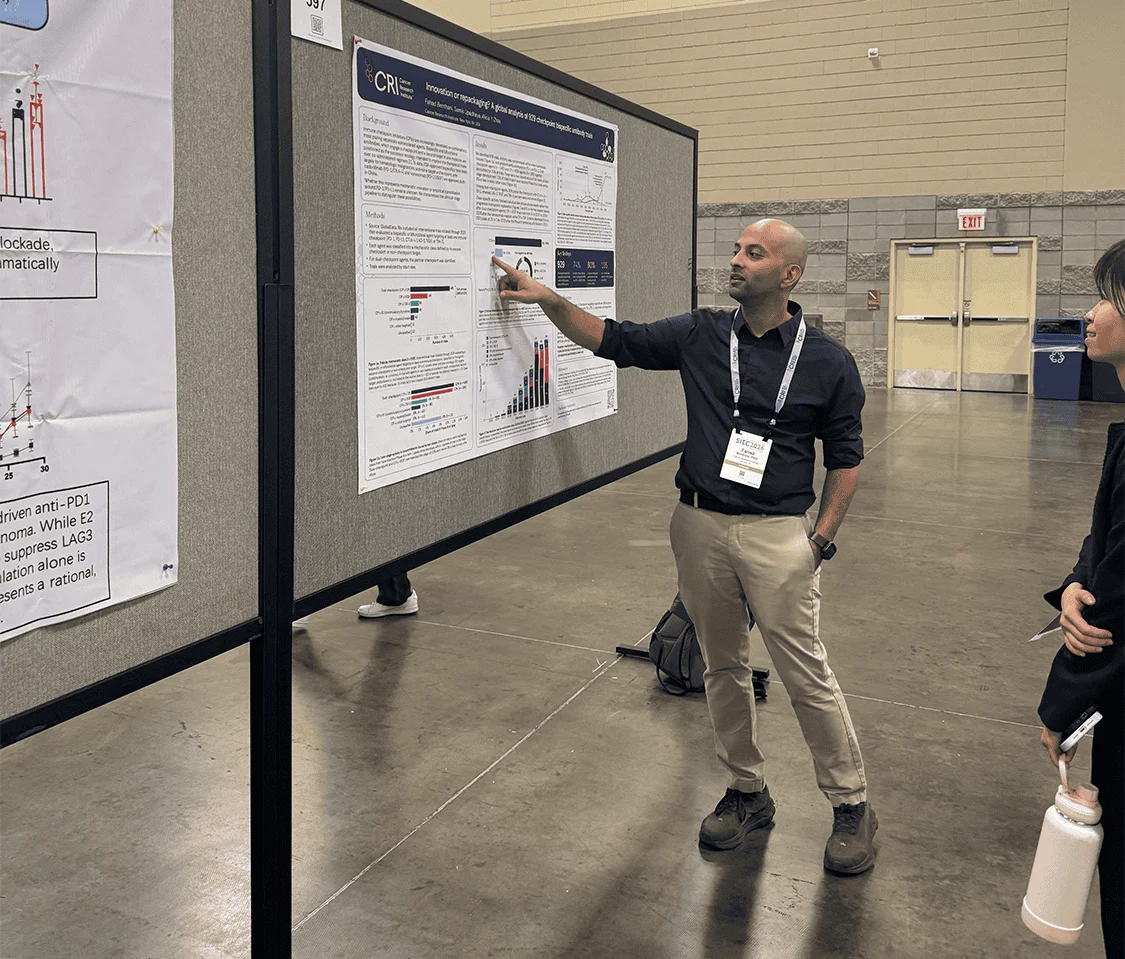
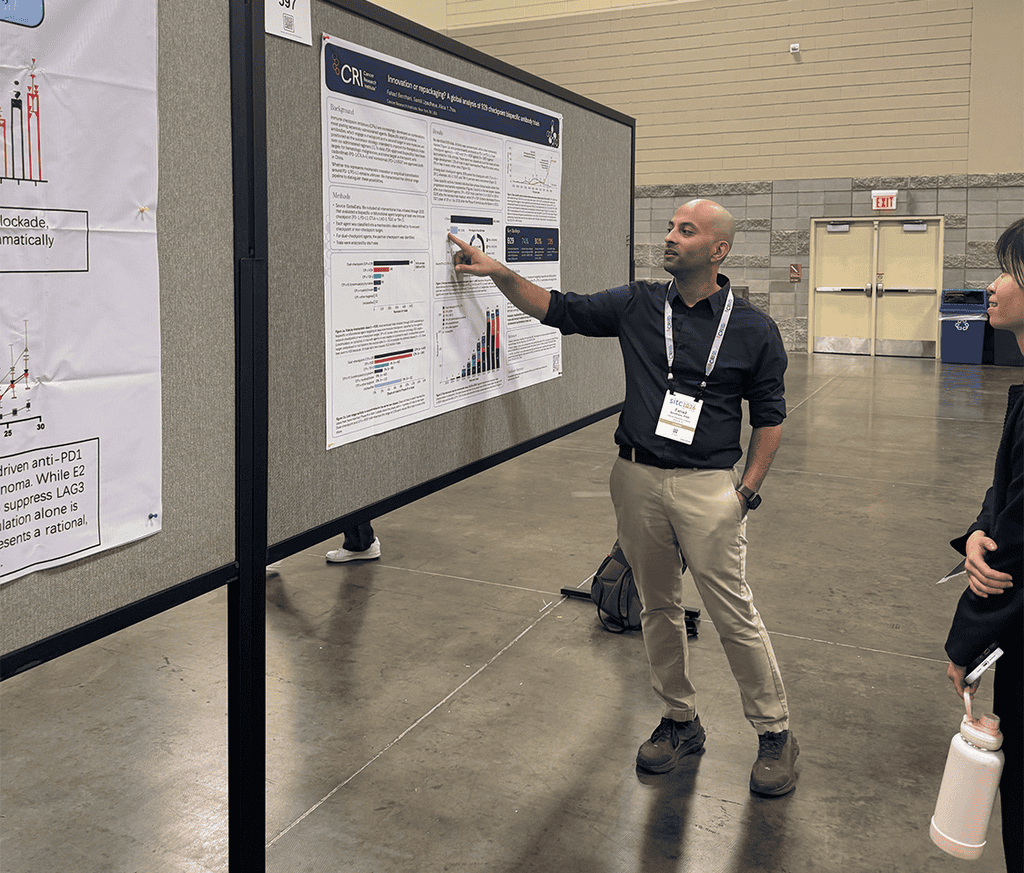
CRI’s own contributions to understanding the immunotherapy landscape were also showcased. Dr. Fahad Benthani, PhD, a Research Scientist at CRI, presented comprehensive analyses on trends within the immunotherapy clinical trial landscape. His findings indicated a sustained surge in the number of trials, particularly those exploring combination therapies and novel cell-based approaches. However, the data also highlighted challenges related to patient selection, trial design, and the need for more diverse patient populations to ensure equitable access and generalizability of results.
The quest for more effective and widely applicable personalized vaccines continued with presentations from Dr. Vinod Balachandran, MD, who discussed ongoing efforts to expand personalized vaccine strategies for notoriously challenging cancers like pancreatic cancer. Complementing this, CRI SAC member Dr. Darrell Irvine, PhD, highlighted an alternative, "off-the-shelf" vaccine approach targeting common KRAS mutations. The significance of an off-the-shelf vaccine lies in its potential for broader applicability and reduced manufacturing complexity compared to highly individualized neoantigen vaccines. Meanwhile, former CRI Fellow Dr. Maha Ayyoub, PhD, PharmD, delved into the fundamental question of optimal cancer targets, exploring which specific tumor antigens should be prioritized to train the immune system for maximum efficacy.
Spatial biology emerged as a recurring and critical theme throughout the meeting, with researchers like Dr. Arutha Kulasinghe, PhD, Dr. Carlo Bifulco, MD, and CRI SAC member Dr. Tina Cascone, PhD, presenting studies examining how the precise location and complex interactions of immune cells within the tumor microenvironment profoundly shape treatment responses. This emphasis reflects a growing recognition that "where" immune cells are located is as crucial as "what" they are. This concept was further explored in a lively debate moderated by CRI Lloyd J. Old STAR Dr. Jennifer Guerriero, PhD, featuring CRI SAC member Dr. Antoni Ribas, MD, and CRI Investigator Dr. Brian Brown, PhD. They challenged the familiar and often oversimplified distinction between immunologically "hot" (immune-infiltrated) and "cold" (immune-excluded) tumors, suggesting a more nuanced understanding of tumor immunology is needed to guide therapeutic strategies.
Beyond the immediate vicinity of the tumor, a broader, more systemic view of immune function was also gaining traction. CRI STAR Dr. Greg Delgoffe, PhD, and CRI SAC member Dr. Marcel van den Brink, MD, PhD, presented compelling research exploring how factors such as diet and metabolism, including their profound effects on gut bacteria, can significantly influence overall immune function and, consequently, the outcomes of cancer immunotherapies. This emerging area highlights the potential for holistic interventions to enhance treatment efficacy.
The next generation of cell therapy also saw significant advancements. Researchers are moving beyond simply engineering immune cells to recognize cancer, focusing instead on enhancing their functionality, prolonging their persistence, and enabling them to overcome the formidable barriers presented by solid tumors. CRI STARs Dr. Anusha Kalbasi, MD, and Dr. Mohammad Rashidian, PhD, discussed complementary approaches to modifying the complex signaling pathways that govern T-cell behavior and providing additional stimulation to sustain the activity of CAR-T cells. Simultaneously, fellow CRI STARs Dr. Sidi Chen, PhD, and Dr. Justin Eyquem, PhD, highlighted revolutionary advances in genetic engineering, including pioneering approaches that could eventually allow immune cells to be modified directly inside the patient’s body – a concept that promises to dramatically simplify and broaden the applicability of cell therapies. These collective efforts underscore a growing consensus that improving cell therapy will likely require a sophisticated combination of multiple synergistic strategies rather than a singular "magic bullet."
Voices of the CRI Community: The Indispensable Role of Support
The SITC meeting also provided a powerful platform for scientists supported by the Cancer Research Institute to articulate the tangible impact of philanthropic funding on their research journeys. These personal accounts highlighted how critical early-stage and risk-tolerant support is for groundbreaking discoveries.
Dr. Luiz Geraldo, MD, PhD, an inaugural CRI IGNITE Fellow, shared a poignant reflection on the long arc of scientific translation: "The discoveries we make in the lab don’t get to the patients tomorrow. It’s years, decades, until we can really translate what we’re seeing in the lab to treatments for the patients. This support is essential to guarantee that the next generation of scientists ensure things are moving forwards and not backwards." His words underscored the necessity of sustained, long-term investment in basic science and the nurturing of young talent to maintain the pipeline of innovation.
Dr. Brian Brown, PhD, a CRI Technology Impact Awardee, emphasized the transformative effect of early, speculative funding: "CRI allowed us to build this technology when it was completely nascent. CRI took a chance that we would be able to do this, we did it, and now it’s grown into an entire field where lots of people are developing technologies that kind of utilize this concept that we first developed through our CRI funding." This illustrates how strategic, early-stage funding can catalyze the development of entirely new research paradigms and technologies.
Echoing this sentiment, Dr. Justin Eyquem, PhD, a 2026 Lloyd J. Old STAR, articulated the unique freedom afforded by CRI support: "CRI gives us full liberty to explore the craziest ideas that no one else would fund. It’s often coming from these disruptive ideas that we develop new categories of drugs." These statements collectively paint a clear picture of CRI’s vital role in fostering an environment where curiosity, bold experimentation, and high-risk, high-reward research are not just tolerated but actively encouraged – a fertile ground for the next generation of cancer breakthroughs.
A Moment of Camaraderie: It’s Not SITC Without the CheckPoints!
Beyond the rigorous scientific discourse, the 41st SITC Annual Meeting maintained its cherished tradition of fostering community and camaraderie. The Saturday night festivities culminated in a high-energy performance by SITC’s legendary house band, "the CheckPoints." Comprised entirely of SITC members and luminaries from the field of immunotherapy, the band’s concert provided several hours of music, dancing, and much-needed relaxation. This unique tradition underscores the vibrant human element within the scientific community, allowing researchers and clinicians to connect on a personal level and celebrate their shared passion and dedication to conquering cancer.
Looking Ahead: The Road to Broader Impact
As the curtains closed on the 41st Annual SITC meeting, a clear consensus emerged: the next wave of advancements in cancer immunotherapy will hinge upon a deeper, more nuanced understanding of immune biology, the development of innovative approaches to address the inherent limits of existing treatments, and the meticulous, rigorous testing of new ideas. The complexity of cancer and the immune system demands multifaceted solutions, moving beyond single-agent therapies to integrated, personalized strategies.
For the Cancer Research Institute, supporting this relentless march of progress means a continued and unwavering investment in scientists – those individuals endowed with the profound curiosity to ask novel questions and the intellectual freedom to pursue evidence wherever it may lead, even into uncharted territories. As Dr. Justin Eyquem highlighted, it is precisely this freedom that cultivates disruptive ideas that ultimately lead to entirely new categories of drugs and therapies. The overarching goal behind this immense collective effort remains steadfast and singular: to significantly expand the number of people who can benefit from the immune system’s extraordinary ability to fight cancer, transforming lives and moving closer to a world free from the disease. The journey from bench to bedside is long and arduous, but the collaborative spirit and scientific rigor displayed at SITC 2026 underscore an unyielding optimism for the future.
