
 By George Ongkojoyo
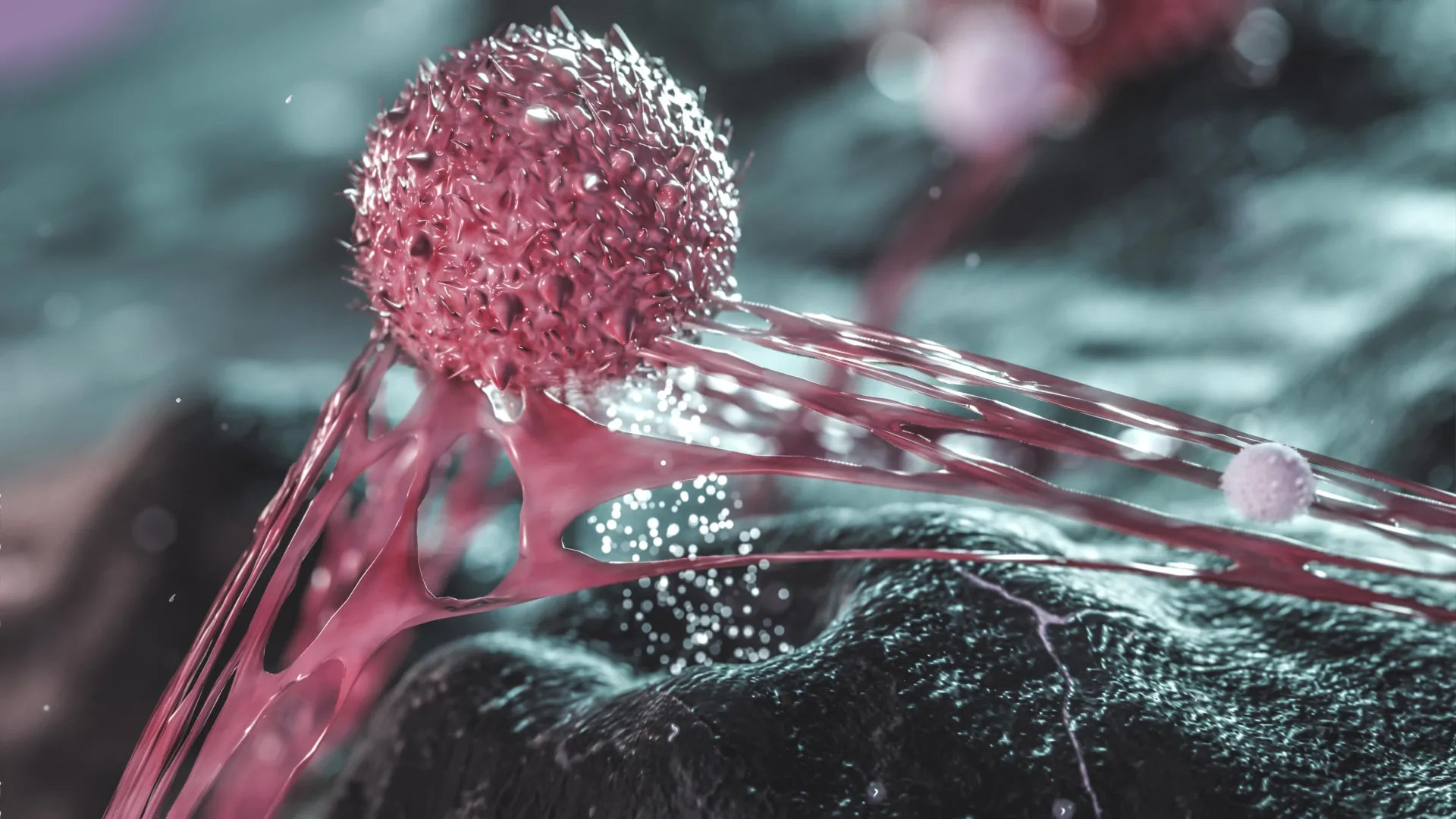
In a major advancement for oncological research, a collaborative team from the MRC Laboratory of Medical Sciences (LMS), Imperial College London, and the UCL Genetics Institute has successfully constructed a high-resolution cellular map of breast tumors. This groundbreaking study, recently published in the journal Genome Medicine, identifies specific geographic regions within tumors that harbor dormant cancer cells—an elusive population that frequently evades conventional therapies. By uncovering the complex "neighborhoods" where these cells hide, the research provides a potential roadmap for preventing cancer recurrence, a primary cause of mortality in breast cancer patients.
The study’s findings shift the traditional paradigm of cancer treatment, which has historically focused on the eradication of rapidly dividing cells. The new data suggests that the architecture of a tumor is far more heterogeneous than previously understood, containing "pockets" of inactivity where cancer cells remain in a state of hibernation. These quiescent cells are not merely passive; they are actively protected by a surrounding barrier of immune and connective tissue cells, creating a sanctuary that shields them from the effects of chemotherapy and the body’s natural immune response.
The Challenge of the Quiescent Cell: A Biological Fortress
Breast cancer remains one of the most prevalent malignancies globally, and while initial treatment success rates are high, the risk of late recurrence persists for decades. The primary culprit behind this "time-bomb" effect is cellular quiescence. Unlike the aggressive, proliferating cells that form the bulk of a growing tumor, quiescent cells have exited the active cell cycle.
"Quiescent cancer cells are very dangerous," explains Dr. Alexis Barr, co-lead author and head of the Cell Cycle Control group at the LMS. "These cells can hide from chemotherapy and then remain in this dormant quiescent state in the tumor, and then later reactivate to drive proliferation."
This state of dormancy is often a survival mechanism. As a tumor grows, it often outpaces its own blood supply, leading to regions of hypoxia (low oxygen) and nutrient deprivation. In response to these harsh conditions, certain cancer cells undergo a metabolic slowdown, effectively "hibernating" until the environment becomes more favorable. This metabolic flexibility allows them to survive the cytotoxic onslaught of chemotherapy, which specifically targets cells in the process of division. Once treatment concludes and the "stress" of the drugs is removed, these hidden cells can reawaken, leading to a secondary, often more aggressive, tumor growth.
Chronology of the Research and Methodology
The journey to mapping these cellular niches began with the integration of vast amounts of genomic data. The research team utilized a combination of publicly available datasets and advanced computational modeling to observe the inner workings of untreated breast tumors.
The project progressed through several critical phases:
- Data Integration: The researchers began by aggregating single-cell RNA sequencing (scRNA-seq) data. This technology allows scientists to look at the gene expression profiles of individual cells rather than taking an average of the entire tumor.
- Spatial Analysis: To understand where these cells were located, the team applied "spatial transcriptomics." While scRNA-seq tells you what the cells are doing, spatial transcriptomics provides a "map," showing exactly where each cell type sits in relation to its neighbors.
- Niche Identification: By cross-referencing gene expression with spatial location, the team identified distinct clusters of quiescent cells.
- Environmental Characterization: The final phase involved analyzing the non-cancerous cells surrounding these dormant clusters to identify patterns in the tumor microenvironment (TME).
The results revealed that these dormant cells were not scattered randomly. Instead, they were concentrated in specific "niches" characterized by a very particular cellular makeup.
Mapping the Shield: The Role of Macrophages and Fibroblasts
Perhaps the most significant discovery of the study is the identification of the "shield" that protects dormant cancer cells. The analysis revealed that quiescent cells are frequently encapsulated by two specific types of supporting cells: CXCL10-positive macrophages (a type of immune cell) and myofibroblastic cancer-associated fibroblasts (cells that contribute to tissue structure).
In a healthy context, macrophages are responsible for identifying and destroying pathogens or abnormal cells. However, in the environment of a breast tumor, these macrophages appear to be co-opted. The researchers found that these specific macrophages and fibroblasts form a physical and biochemical barrier around the dormant cancer cells.
Dr. Maria Secrier, co-lead author from UCL’s computational biology team, noted the complexity of this relationship. "The cancer cells are really encapsulated within these areas of macrophages and fibroblasts that we think act as shields for these dormant cancer cells," she stated. "But we don’t yet know the direction of cause and effect: whether the surrounding cells push cancer cells into dormancy or if the cancer cells attract or alter their surroundings. It’s very likely coming from both sides."
This symbiotic relationship creates a "micro-fortress." The fibroblasts likely provide structural integrity and signaling molecules that maintain the cells in a dormant state, while the macrophages may act as a buffer against T-cells—the "soldiers" of the immune system—preventing them from identifying and killing the hidden cancer cells.
Supporting Data: An Unexpected Pattern Across Cancer Subtypes
The study analyzed various forms of breast cancer, ranging from slower-growing, hormone-receptor-positive types to the more aggressive triple-negative breast cancers. Conventionally, scientists believed that quiescence was a hallmark of slow-growing tumors. However, the data told a different story.
The researchers found these clusters of dormant, "therapy-resistant-like" cells in almost all types of breast cancer, including the most aggressive ones. This suggests that the ability to enter a dormant state is a universal survival strategy used by breast cancer, regardless of the tumor’s overall growth rate.
Furthermore, the team identified increased activity in the "complement pathway"—a part of the innate immune system—within these dormant niches. Usually associated with the body’s defense against bacteria, the overactivation of the complement system in this context may actually be helping the cancer cells survive or helping to maintain the protective barrier formed by the surrounding tissue.
Clinical Implications and Future Therapeutic Strategies
The identification of these protected niches has profound implications for how future cancer treatments are designed. Currently, most chemotherapy regimens are "one-size-fits-all" in their approach to a single tumor, aiming to kill as many cells as possible. This research suggests that a two-pronged approach is necessary.
"Different parts of the tumor will likely respond to different drugs," Dr. Secrier explained. "If we understand what drug combinations we can use to target both the proliferative and the dormant areas, potentially that could be more successful than current therapies."
Potential future strategies derived from this research include:
- Targeting the Microenvironment: Instead of attacking the cancer cell directly, drugs could be developed to disrupt the fibroblasts or macrophages that form the protective shield. By "breaking the shield," the dormant cells could be made vulnerable to existing treatments or the body’s own immune system.
- Modulating the Complement Pathway: Since the complement system was found to be highly active in these niches, researchers are investigating whether complement inhibitors could be used to destabilize the dormant cell environments.
- "Wake-up" Therapy: Some researchers are exploring the controversial but intriguing idea of "waking up" dormant cells—forcing them back into the cell cycle so that traditional chemotherapy can effectively target them.
- Enhanced Immunotherapy: By understanding why T-cells cannot penetrate these niches, scientists may be able to engineer more effective immunotherapies that can bypass the macrophage-fibroblast barrier.
Analysis of Broader Impact
This study represents a significant step forward in the field of precision medicine. By moving beyond the genetic makeup of the cancer cell itself and looking at the "geography" of the tumor, researchers are gaining a holistic view of the disease.
The use of spatial transcriptomics in this study highlights a shift in oncology toward "spatial biology." Understanding where a cell is located is proving to be just as important as understanding what mutations it carries. For patients, this could eventually lead to more accurate prognostic tools. In the future, a biopsy might not only tell a doctor if a tumor is malignant but could also map out the density of dormant niches, providing a clearer picture of the risk of recurrence and helping to tailor a more effective long-term treatment plan.
The research also underscores the importance of data sharing in the scientific community. By utilizing publicly available datasets, the team from LMS, Imperial, and UCL demonstrated how "big data" can be re-analyzed with new technology to yield discoveries that were previously impossible.
Conclusion and Next Steps
While the findings offer a promising new direction for cancer research, the team emphasizes that these results are the beginning of a longer journey. The theoretical models generated by this spatial mapping must now be tested in experimental settings. Future studies will likely involve animal models and eventually clinical trials to determine if targeting the "quiescent niches" can truly prevent relapse in human patients.
As Dr. Barr concluded, the focus must broaden to ensure long-term survival. "It is clearly important to focus on proliferative cancer cells, but we also need to understand this population of quiescent dormant cancer cells. And that’s been less studied."
The work, primarily funded by the UKRI Future Leaders Fellowship, the Medical Research Council (MRC), and the Biotechnology and Biological Sciences Research Council (BBSRC), stands as a testament to the power of interdisciplinary collaboration between biologists, clinicians, and computational scientists in the fight against one of the world’s most challenging diseases.
