
 By admin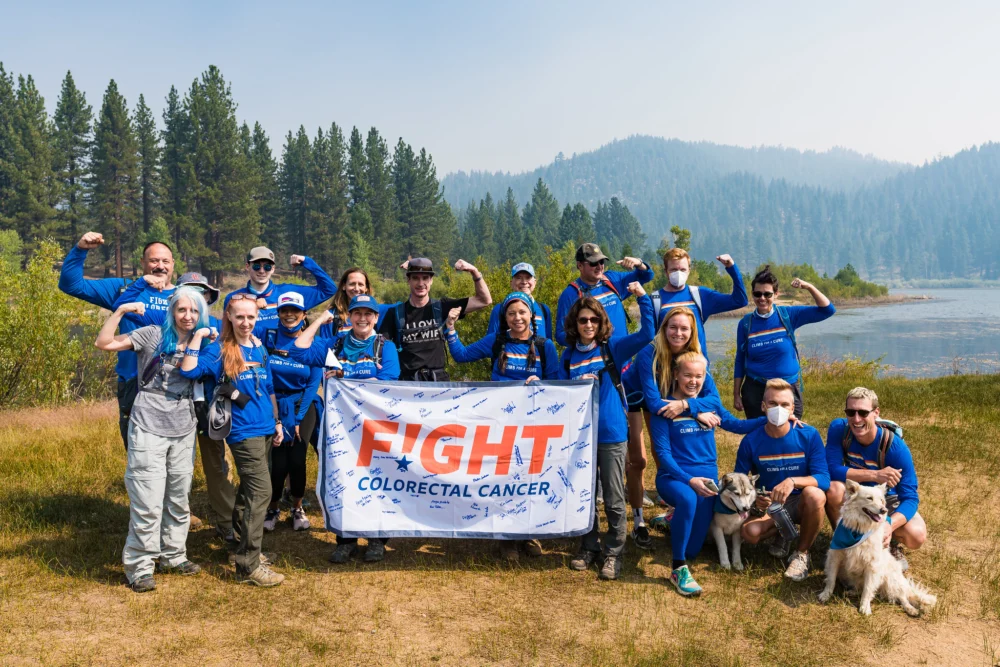
Colorectal cancer, a formidable disease affecting the colon or rectum, is a growing public health concern, particularly with alarming trends observed in younger adult populations. Understanding its multifaceted nature – from its development and key factual underpinnings to emerging symptoms and essential screening guidelines – is paramount for effective prevention and early detection. This comprehensive exploration delves into the critical aspects of colorectal cancer, drawing upon established research and expert recommendations to equip individuals with vital knowledge.
The Growing Challenge of Colorectal Cancer
Colorectal cancer is a disease that originates in the large intestine (colon) or the rectum. While historically more prevalent in older adults, recent years have witnessed a concerning increase in diagnoses among individuals under the age of 50. This shift has prompted significant scientific and public health inquiry into its underlying causes and implications. The American Cancer Society estimates that in 2024, approximately 152,810 new cases of colorectal cancer will be diagnosed in the United States, with 53,010 deaths anticipated. This represents a substantial burden of disease, underscoring the urgent need for heightened awareness and proactive health strategies.
The development of colorectal cancer typically begins with the formation of precancerous polyps on the inner lining of the colon or rectum. These polyps, often adenomas, are usually benign growths, but over time, some can transform into cancerous tumors. The progression from polyp to invasive cancer can take many years, often a decade or more, which is why regular screening is so effective in preventing the disease. Early detection at the polyp stage allows for removal before cancer develops, or at very early stages of cancer when treatment is most successful.
Key Facts and Emerging Trends
A critical aspect of understanding colorectal cancer involves examining the key facts surrounding its prevalence and impact. Who is affected, and why are rates rising in younger adults? This question has become a focal point of research. While definitive answers are still being sought, several factors are being investigated. These include changes in diet, such as increased consumption of processed foods, red meat, and sugar, coupled with decreased intake of fiber. Lifestyle factors like obesity, physical inactivity, and excessive alcohol consumption are also strongly implicated. Furthermore, the role of the gut microbiome and its potential alterations due to modern lifestyles are under scrutiny.
The rising incidence in younger populations is particularly troubling. For individuals born in the 1990s and later, the risk of developing colorectal cancer appears to be significantly higher than for previous generations at the same age. This trend necessitates a re-evaluation of current screening recommendations, which traditionally focus on individuals aged 45 or 50 and older. The implications of this shift are profound, potentially requiring earlier and more frequent screening protocols for younger demographics, especially those with a family history or other identified risk factors.
Understanding Personal Risk Factors and Symptoms
An individual’s personal history, family history, and other lifestyle choices significantly influence their susceptibility to developing colorectal cancer. Understanding these risk factors is the first step in taking proactive measures.
Key Risk Factors Include:
- Age: The risk of colorectal cancer increases significantly after age 45.
- Personal History of Polyps or Colorectal Cancer: Individuals who have had polyps or colorectal cancer previously are at higher risk of developing new ones or a recurrence.
- Family History of Colorectal Cancer or Polyps: Having a close relative (parent, sibling, or child) with colorectal cancer or adenomatous polyps increases one’s risk, especially if diagnosed at a young age.
- Inherited Syndromes: Certain genetic conditions, such as Lynch syndrome (hereditary non-polyposis colorectal cancer) and familial adenomatous polyposis (FAP), dramatically increase the risk of colorectal cancer. These syndromes account for about 5-10% of all colorectal cancers.
- Inflammatory Bowel Diseases (IBD): Conditions like ulcerative colitis and Crohn’s disease, which cause chronic inflammation of the colon, increase the risk of colorectal cancer over time. The longer the duration and extent of the disease, the higher the risk.
- Lifestyle Factors:
- Diet: A diet low in fiber and high in red and processed meats, as well as a high intake of sugar and processed foods, is associated with increased risk.
- Obesity: Being overweight or obese is a significant risk factor.
- Physical Inactivity: A sedentary lifestyle contributes to increased risk.
- Smoking: Long-term smoking is linked to a higher risk of colorectal cancer.
- Heavy Alcohol Use: Regular consumption of excessive alcohol is associated with an elevated risk.
- Type 2 Diabetes: Individuals with type 2 diabetes have an increased risk of developing colorectal cancer.
Recognizing the symptoms of colorectal cancer is crucial, although it’s important to note that in its early stages, the disease often presents with no noticeable symptoms. This underscores the importance of screening. However, as the cancer progresses, several signs and symptoms may emerge:
- A persistent change in bowel habits: This can include diarrhea, constipation, or a change in the consistency of stool that lasts for more than a few days.
- Rectal bleeding or blood in the stool: This is often the most recognized symptom. Blood may be bright red or dark, and sometimes it may not be visible to the naked eye, requiring a stool test for detection.
- Persistent abdominal discomfort: This can include cramps, gas, or pain.
- A feeling that the bowel does not empty completely: This sensation can be persistent and bothersome.
- Unexplained weight loss: Significant and unintentional weight loss can be a red flag.
- Weakness or fatigue: Anemia resulting from chronic blood loss can lead to persistent tiredness.
It is imperative to consult a healthcare professional if any of these symptoms are experienced, especially if they persist. Early consultation can lead to prompt diagnosis and treatment, significantly improving outcomes.
Screening and Early Detection: The Cornerstones of Prevention
The most effective strategy for combating colorectal cancer is through regular screening and early detection. These measures allow for the identification and removal of precancerous polyps before they can develop into cancer, or the detection of cancer at its earliest, most treatable stages.
Current Screening Guidelines (as of recent recommendations):
- Average-Risk Individuals: Recommended to begin screening at age 45. This includes individuals with no personal or family history of colorectal cancer and no known genetic syndromes.
- Higher-Risk Individuals: May need to begin screening earlier and more frequently. This includes individuals with a family history of colorectal cancer or polyps, inflammatory bowel disease, or a known genetic syndrome. The specific recommendations for higher-risk individuals should be discussed with a healthcare provider.
Types of Screening Tests:
Several effective screening tests are available, and the choice often depends on individual preference, availability, and risk factors.
- Colonoscopy: This is considered the gold standard for colorectal cancer screening. It involves a doctor using a long, flexible tube with a camera (colonoscope) to examine the entire lining of the colon and rectum. Polyps can be detected and removed during the same procedure. Colonoscopies are typically recommended every 10 years for average-risk individuals.
- Flexible Sigmoidoscopy: Similar to a colonoscopy but examines only the lower portion of the colon. It is typically recommended every 5 years, or every 10 years if combined with a fecal test.
- Fecal Immunochemical Test (FIT): This test detects hidden blood in the stool, which can be a sign of polyps or cancer. FIT tests are usually done annually.
- Guaiac-based Fecal Occult Blood Test (gFOBT): This test also detects hidden blood in the stool, but it can be affected by certain foods and medications. It is typically recommended every year.
- Stool DNA Test (e.g., Cologuard): This test looks for abnormal DNA found in cancer cells and hidden blood in the stool. It is typically recommended every 3 years.
Preparation and Insurance Coverage:
Preparing for a colonoscopy involves a bowel preparation regimen to clear the colon, ensuring a clear view for the physician. This typically includes dietary restrictions and the use of laxatives. Information on specific preparation protocols is provided by the healthcare provider.
Regarding insurance coverage, most health insurance plans in the United States cover colorectal cancer screening tests as recommended by guidelines. However, it is always advisable for individuals to verify their specific coverage details with their insurance provider and healthcare facility.
The Fight Against Colorectal Cancer: A Collaborative Effort
Organizations like Fight Colorectal Cancer are at the forefront of advocating for increased awareness, research funding, and improved screening access. Their work highlights the critical need for a sustained and collaborative effort involving healthcare professionals, researchers, policymakers, and the public. By fostering a deeper understanding of colorectal cancer, empowering individuals with knowledge about their risks and symptoms, and promoting the widespread adoption of recommended screening practices, significant strides can be made in reducing the burden of this preventable and treatable disease. The ongoing research into the rising rates in younger adults, coupled with advancements in screening technologies and treatment protocols, offers hope for a future where colorectal cancer is no longer a leading cause of cancer-related deaths.
 Gilang Cahya