
 By George Ongkojoyo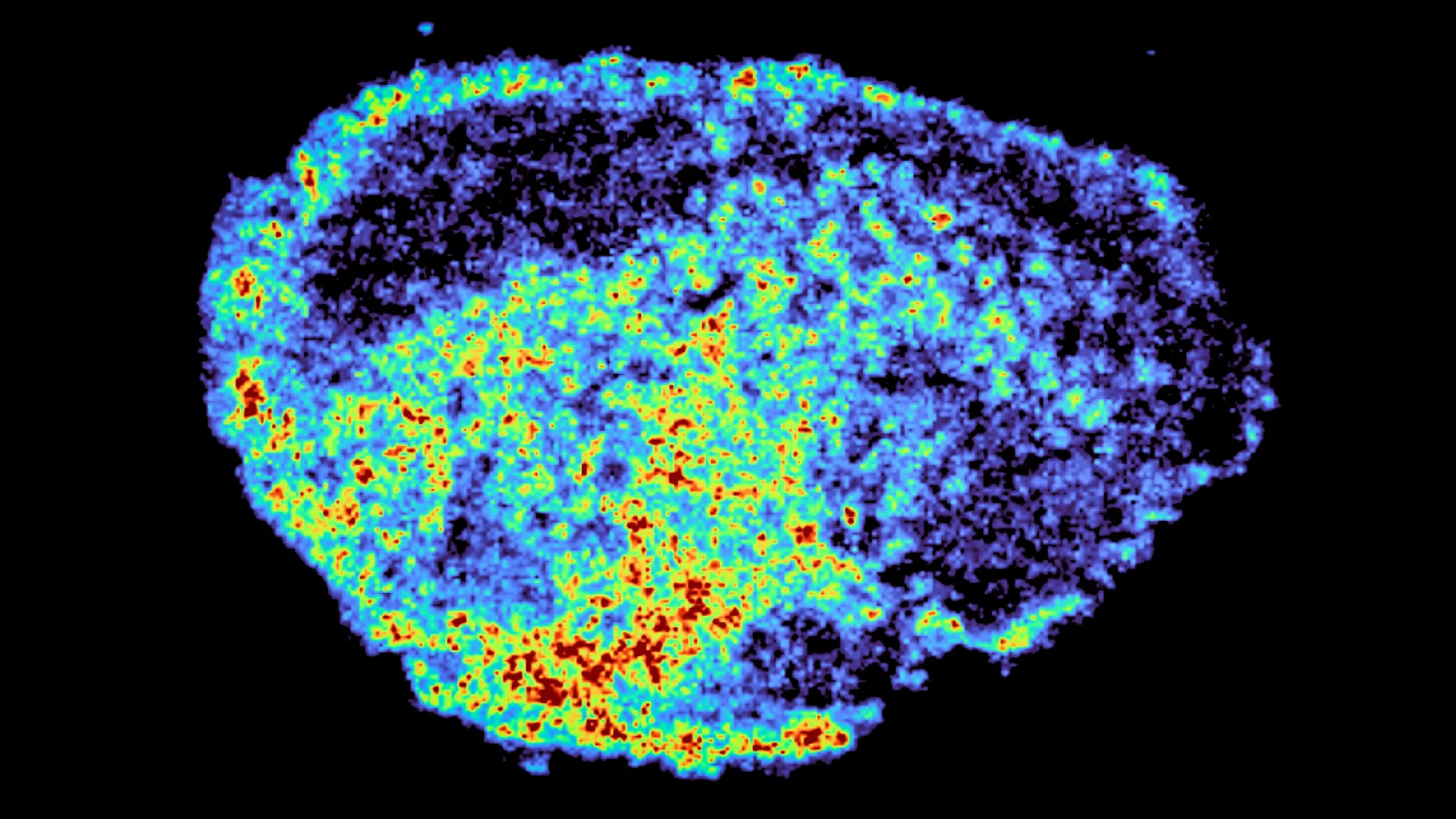
The pursuit of precision medicine in oncology has long been hindered by a fundamental paradox: why two patients with seemingly identical cancer profiles can respond so differently to the same targeted therapy. A groundbreaking study published in Nature Communications has provided a significant piece of this puzzle, revealing that the internal architecture of cancer cells—specifically the small organelles known as lysosomes—plays a critical role in how drugs are distributed and retained within a tumor. Led by Dr. Louise Fets at the MRC Laboratory of Medical Sciences (LMS), the research team utilized cutting-edge imaging technologies to track the movement of PARP inhibitors within human ovarian tumor samples, uncovering a "hidden reservoir" effect that could redefine how clinicians approach cancer treatment.
Understanding the Heterogeneity of Cancer Treatment Response
Ovarian cancer remains one of the most challenging malignancies to treat, characterized by high rates of initial response followed by frequent relapse and the development of drug resistance. While the advent of targeted therapies has improved survival rates, the variability in patient outcomes suggests that the mere presence of a drug in the bloodstream is not a guarantee of therapeutic success. For a drug to be effective, it must not only reach the tumor site but also penetrate the dense cellular environment and reach its molecular targets at a concentration high enough to trigger programmed cell death.
The study from the MRC LMS addresses a critical knowledge gap in pharmacology: the spatial distribution of drugs at the sub-cellular level. Traditionally, drug efficacy is measured through bulk analysis, which averages the concentration of a drug across a whole tissue sample. However, this method obscures the minute variations that occur from one cell to the next. By focusing on PARP (poly-ADP ribose polymerase) inhibitors—a cornerstone of modern ovarian cancer care—the researchers sought to understand why some cells within a single tumor might be saturated with the drug while others remain virtually untouched.
The Role of PARP Inhibitors in Modern Oncology
To appreciate the significance of this discovery, it is necessary to understand the mechanism of PARP inhibitors. These drugs are designed to exploit a vulnerability in certain cancer cells, particularly those with BRCA1 or BRCA2 mutations. These mutations impair a cell’s ability to repair double-strand breaks in DNA. PARP enzymes are responsible for repairing single-strand breaks; when an inhibitor blocks this process, the single-strand breaks turn into double-strand breaks during DNA replication. In healthy cells, alternative repair pathways fix the damage, but in BRCA-deficient cancer cells, the damage becomes terminal. This concept, known as "synthetic lethality," has made PARP inhibitors such as olaparib, rucaparib, and niraparib essential tools in treating ovarian, breast, and prostate cancers.
Despite their success, the clinical reality is that resistance is common. Scientists have previously attributed this to secondary mutations or the upregulation of "efflux pumps" that push the drug out of the cell. The new research suggests a third, more nuanced mechanism: the sequestration of drugs within lysosomes.
Methodological Breakthroughs: Mapping the Molecular Landscape
The research team employed a sophisticated experimental setup to observe these dynamics in real-time. Rather than relying solely on animal models, which may not perfectly replicate human tumor microenvironments, the team used "explants"—thin slices of live ovarian tumor tissue donated by patients. These explants were maintained in a laboratory setting that preserved their original structure and cellular diversity, allowing the scientists to treat them with PARP inhibitors and observe the results in a context that closely mirrors a living patient.
The study’s primary innovation was the combination of two high-resolution technologies: mass spectrometry imaging (MSI) and spatial transcriptomics. Mass spectrometry imaging allowed the researchers to create a chemical "heat map" of the tissue, showing the precise location and concentration of drug molecules. Simultaneously, spatial transcriptomics enabled them to analyze gene expression in those same locations. By overlaying these two maps, the team could see how high or low concentrations of a drug correlated with the biological activity of the cancer cells.
Dr. Zoe Hall, a senior author of the study and Associate Professor at Imperial College London, highlighted the novelty of this approach. "Through the spatial mapping of drug molecules, we could pinpoint regions of high and low drug and compare gene expression, from the same tissue slice," Hall explained. This dual-mapping revealed that even within the same tumor, and under the same dosage conditions, drug distribution was remarkably uneven.
The Lysosomal Reservoir: A Double-Edged Sword in Drug Delivery
The most striking finding of the study was the identification of lysosomes as "drug reservoirs." Lysosomes are often described as the cell’s "recycling centers" or "garbage disposals," responsible for breaking down waste materials and cellular debris. However, the researchers found that certain PARP inhibitors are "lysosomotropic," meaning they are chemically drawn into the acidic environment of the lysosome.
Once inside the lysosome, these drugs become trapped. While this might initially seem like a disadvantage—as the drug is kept away from its target in the cell nucleus—the study found that the lysosomes actually act as slow-release reservoirs. They store the drug and release it gradually back into the rest of the cell over time. This prolonged exposure can actually enhance the drug’s effectiveness in some cells by ensuring a steady supply of the therapeutic agent.
However, this sequestration also contributes to the unevenness of treatment. If a large portion of the drug is concentrated in the lysosomes of a specific cluster of cells, neighboring cells may receive sub-therapeutic doses. This "internal pocketing" creates a mosaic of treatment efficacy, where some parts of the tumor are successfully eradicated while others are essentially "primed" for survival and subsequent resistance.
Differentiating PARP Inhibitors: Rucaparib vs. Olaparib
Not all PARP inhibitors interact with lysosomes in the same way. The study revealed a significant chemical distinction between different drugs in the same class. Rucaparib and niraparib showed a high tendency to accumulate in lysosomes, whereas olaparib—one of the most commonly prescribed PARP inhibitors—did not.
This variation is likely due to the specific chemical structures and pH-sensitivity of the molecules. This discovery has immediate implications for clinical practice, as it suggests that the choice of which PARP inhibitor to use should perhaps depend on the specific lysosomal activity or "molecular signature" of a patient’s tumor. If a tumor is found to have high lysosomal density, a drug like rucaparib might provide a beneficial "reservoir effect," whereas in other cases, a drug that distributes more uniformly, like olaparib, might be preferable.
Dr. Carmen Ramirez Moncayo, the study’s first author, noted the team’s surprise at the extent of the variability. "This variability was driven by the build-up of a drug in lysosomes, which are acting as reservoirs, increasing the exposure of cancer cells to drugs, by storing and releasing the drug when needed," she stated.
Chronology of PARP Inhibitor Development and Challenges
The journey of PARP inhibitors from laboratory discovery to clinical standard has been a decades-long endeavor.
- 1960s-1980s: The PARP-1 enzyme was first identified, and its role in DNA repair began to be understood.
- 2005: Seminal studies demonstrated that BRCA-mutant cells were exquisitely sensitive to PARP inhibition, introducing the concept of synthetic lethality.
- 2014: The FDA granted the first accelerated approval to olaparib (Lynparza) for advanced ovarian cancer with BRCA mutations.
- 2016-2017: Rucaparib (Rubraca) and niraparib (Zejula) received approvals, expanding the arsenal for oncologists.
- 2020-Present: Clinical focus has shifted toward overcoming resistance and understanding why some "all-comer" patients (those without BRCA mutations) also respond to these drugs.
The current study represents the next phase of this chronology: moving beyond the "what" and "who" of drug response and into the "how" and "where" at a microscopic level.
Implications for Patient Stratification and Personalized Care
The findings from the MRC Laboratory of Medical Sciences suggest a future where cancer treatment is even more tailored to the individual. Currently, patients are primarily stratified based on genetic mutations (like BRCA status). In the future, "spatial profiling" could become a standard part of the diagnostic process. By analyzing a biopsy not just for its genetic code, but for its physical structure and lysosomal behavior, doctors could predict how a specific drug will move through that specific tumor.
Dr. Louise Fets, Head of the LMS’ Drug Transport and Tumour Metabolism Group, expressed hope that this research would lead to more personalized therapeutic approaches. "Eventually, we hope to be able to study the molecular signature of a patient’s tumor to help to tailor therapeutic approaches in a more personalized way," Fets said. This could involve adjusting dosages, combining PARP inhibitors with drugs that modify lysosomal acidity, or choosing a specific inhibitor based on its likelihood of being sequestered.
Future Directions: From Lab Explants to Clinical Practice
While the study provides a detailed look at the cellular mechanics of drug distribution, the researchers acknowledge that the laboratory environment is an approximation of the human body. In a patient, drugs are delivered via the circulatory system. Cancerous tumors are notorious for having "leaky" and disorganized blood vessels, which creates another layer of complexity in drug delivery.
The next steps for the research team involve moving from tissue explants to animal models to observe how blood flow and tumor pressure interact with lysosomal storage. Additionally, larger patient cohorts will be studied to determine if the "lysosomal reservoir" effect correlates directly with long-term clinical outcomes, such as progression-free survival and the time to relapse.
The research was a collaborative effort, supported by a diverse array of funding bodies, including the Medical Research Council, Cancer Research UK, and the Victoria’s Secret Global Fund for Women’s Cancers. This interdisciplinary support underscores the importance of the findings in the broader context of women’s health and the global fight against cancer.
By identifying the hidden role of lysosomes in drug retention, this study opens a new frontier in pharmacology. It moves the conversation from whether a drug is "good" or "bad" to a deeper understanding of the complex, spatial dance between a therapeutic molecule and the cell it is designed to destroy. As researchers continue to map the internal geography of the cancer cell, the goal of truly personalized medicine moves one step closer to reality.
