
 By George Ongkojoyo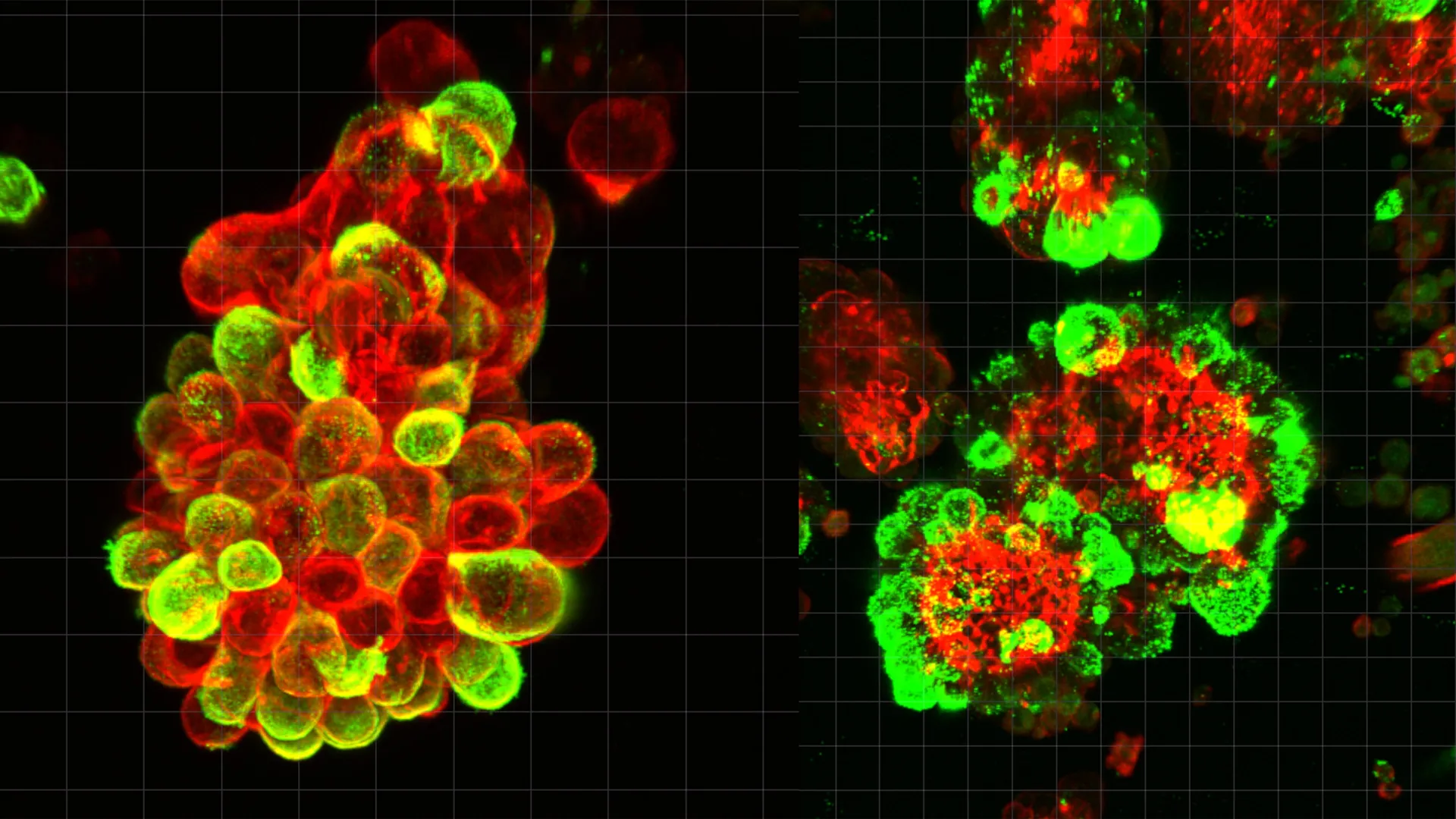
Ovarian cancer has long held a reputation as the "silent killer" of gynecological oncology, characterized by its stealthy progression and a devastatingly high mortality rate. For decades, the medical community has grappled with a fundamental paradox: why does this specific malignancy spread with such aggressive speed throughout the abdominal cavity, often evading detection until it has reached an advanced stage? A groundbreaking study led by a team of researchers at Nagoya University in Japan has finally provided a definitive biological explanation for this phenomenon. Published in the prestigious journal Science Advances, the research reveals that ovarian cancer cells do not act as solitary invaders. Instead, they "kidnap" healthy mesothelial cells—the protective lining of the abdomen—to serve as high-powered engines for tissue invasion and shields against conventional medical treatments.
The discovery shifts the paradigm of how oncologists view metastasis. Rather than focusing solely on the mutations within the cancer cells themselves, the study highlights a sophisticated form of cellular cooperation. By forming hybrid clusters with mesothelial cells, ovarian cancer cells acquire the mechanical tools necessary to drill into organs and the biological resilience to survive chemotherapy. This finding not only explains the rapid spread of the disease but also opens a new frontier for targeted therapies that could potentially disrupt these lethal partnerships before they take hold.
The Biological Mechanism: Recruitment and Transformation
At the heart of this discovery is the realization that ovarian cancer cells are master manipulators of their environment. The research team, led by Dr. Kaname Uno of the Nagoya University Graduate School of Medicine, focused on the behavior of cancer cells within the peritoneal fluid—the lubricating liquid found in the abdominal cavity. In most other forms of cancer, such as breast or lung cancer, malignant cells typically spread through the lymphatic system or the bloodstream. However, ovarian cancer primarily utilizes "transcoelomic spread," where cells detach from the primary tumor and float through the peritoneal fluid to reach distant organs like the liver, stomach, and diaphragm.
Through meticulous analysis of abdominal fluid samples from human patients, the researchers observed that cancer cells were rarely found in isolation. Instead, approximately 60% of the malignant clusters identified were "hybrid spheres" consisting of both cancer cells and recruited mesothelial cells. Mesothelial cells are naturally occurring cells that form a smooth, protective layer known as the mesothelium, which lines the peritoneal cavity and covers internal organs to reduce friction.
The study identified a specific signaling pathway that facilitates this recruitment. Ovarian cancer cells secrete a potent signaling molecule known as Transforming Growth Factor-beta 1 (TGF-β1). When mesothelial cells, which have naturally shed into the abdominal fluid, come into contact with this protein, they undergo a radical transformation. Under the influence of TGF-β1, these once-protective cells develop "invadopodia"—sharp, spike-like protrusions. These structures act as biological drill bits, allowing the hybrid cluster to anchor itself to an organ and tunnel through its outer membrane with far greater efficiency than a cancer cell could achieve on its own.
The "Floating Phase" and the Dynamics of Abdominal Spread
One of the most significant challenges in treating ovarian cancer is the unpredictable nature of its spread. Unlike the circulatory system, which follows a fixed network of veins and arteries, the fluid in the abdominal cavity moves in response to everyday physical actions. Normal breathing, the peristaltic movement of the intestines, and general body motion create a constant, shifting current within the abdomen.
This fluid dynamic serves as a transport system for the hybrid cell clusters. Because there is no "road map" for this movement, cancer cells can be deposited anywhere within the cavity, making early detection via localized imaging nearly impossible. The Nagoya University study clarifies what occurs during this "floating phase"—a period that was previously a "black box" for scientists. It is during this time that the cancer cells actively scout for and bond with mesothelial cells.
Dr. Uno’s research demonstrates that this partnership provides the cancer cells with a dual advantage. First, the mesothelial cells do the heavy lifting of invasion. As Dr. Uno noted, the cancer cells themselves remain relatively "lazy" in terms of genetic evolution during this stage; they do not need to develop their own invasive machinery because they have outsourced that labor to the mesothelial cells. Second, these hybrid clusters create a dense physical barrier that limits the penetration of chemotherapy drugs, explaining why many patients experience a recurrence of the disease even after initial treatment appears successful.
Clinical Context and the Urgency of Early Detection
The implications of this study are underscored by the sobering statistics surrounding ovarian cancer. According to the World Health Organization and the American Cancer Society, ovarian cancer accounts for more deaths than any other cancer of the female reproductive system. Globally, over 300,000 women are diagnosed annually, and nearly 200,000 lose their lives to the disease.
The primary factor driving these statistics is the timing of diagnosis. In more than 70% of cases, ovarian cancer is discovered at Stage III or Stage IV, when the 5-year survival rate drops to approximately 30%. In contrast, if caught at Stage I, the survival rate can exceed 90%. However, current screening methods—such as the CA-125 blood test and transvaginal ultrasounds—often lack the sensitivity to detect the disease before it begins its rapid abdominal transit.
The Nagoya University findings provide a biological explanation for why traditional screenings often fail. Because the cancer spreads through the "floating phase" in the peritoneal fluid rather than the bloodstream, blood-based markers may not increase significantly until the disease is already widespread. Furthermore, the rapid "drilling" action of the invadopodia means that once a cluster lands on an organ, it can integrate into the tissue within a matter of days or weeks, far faster than the typical interval between medical check-ups.
From the Clinic to the Lab: Dr. Kaname Uno’s Motivation
The research was driven by a deeply personal mission for the lead author. Before becoming a researcher, Dr. Kaname Uno served as a practicing gynecologist for eight years. His transition into the laboratory was sparked by a specific clinical tragedy involving a patient who had been diligent about her health.
The patient had undergone a comprehensive gynecological screening that showed no abnormalities. Yet, only three months later, she returned to the hospital with advanced, metastatic ovarian cancer that had already colonized her entire abdominal cavity. The speed of the progression was incomprehensible using the medical models available at the time. "She had received normal screening results just three months before," Dr. Uno recalled. "The existing diagnostic tools failed her. That experience motivated me to investigate why this cancer moves so fast and how it manages to escape our detection."
To solve this mystery, Dr. Uno and his team employed cutting-edge technology, including single-cell RNA sequencing and high-resolution real-time microscopy. By observing the interactions between patient-derived cancer cells and mesothelial cells in a controlled environment, they were able to document the formation of the hybrid spheres and the subsequent growth of the invadopodia. They further validated these findings using mouse models, which confirmed that tumors formed significantly faster and were more resistant to treatment when mesothelial cells were present.
Future Implications for Treatment and Diagnostics
The discovery of the TGF-β1 signaling pathway and the role of mesothelial cells offers several promising avenues for future medical intervention. Currently, the "gold standard" for ovarian cancer treatment involves "debulking" surgery followed by platinum-based chemotherapy. While effective at killing rapidly dividing cancer cells, these treatments do not specifically address the supportive microenvironment that the cancer creates for itself.
- Targeting the "Accomplice" Cells: Future therapies could focus on preventing the recruitment of mesothelial cells. By developing drugs that block TGF-β1 receptors, doctors might be able to prevent the transformation of mesothelial cells into invasive agents, essentially "disarming" the cancer clusters and making them easier to treat with standard chemotherapy.
- Liquid Biopsies of Peritoneal Fluid: The study suggests that monitoring the presence of hybrid cell clusters in abdominal fluid could serve as a highly accurate diagnostic tool. For patients at high risk or those undergoing surgery for other conditions, a "peritoneal wash" could be analyzed to detect the earliest signs of hybrid sphere formation, long before tumors become visible on a CT scan.
- Overcoming Chemoresistance: By understanding the physical structure of these hybrid spheres, researchers can develop new delivery mechanisms for chemotherapy—perhaps using nanoparticles—that can penetrate the protective layer created by the mesothelial cells.
Conclusion and Broader Impact
The research conducted at Nagoya University represents a landmark shift in the study of peritoneal metastasis. By identifying the mesothelial cell as a critical "co-conspirator" in the spread of ovarian cancer, Dr. Uno and his colleagues have provided the first clear explanation for the disease’s legendary speed and resilience.
This study emphasizes that cancer is not merely a collection of rogue cells, but a sophisticated system capable of hijacking healthy biological processes for its own survival. As the medical community moves toward a more holistic "microenvironment-based" approach to oncology, the insights gained from this research will likely play a pivotal role in developing the next generation of life-saving treatments. For the thousands of women diagnosed with ovarian cancer each year, this discovery offers a new glimmer of hope that the "silent killer" may finally be silenced.
