
 By George Ongkojoyo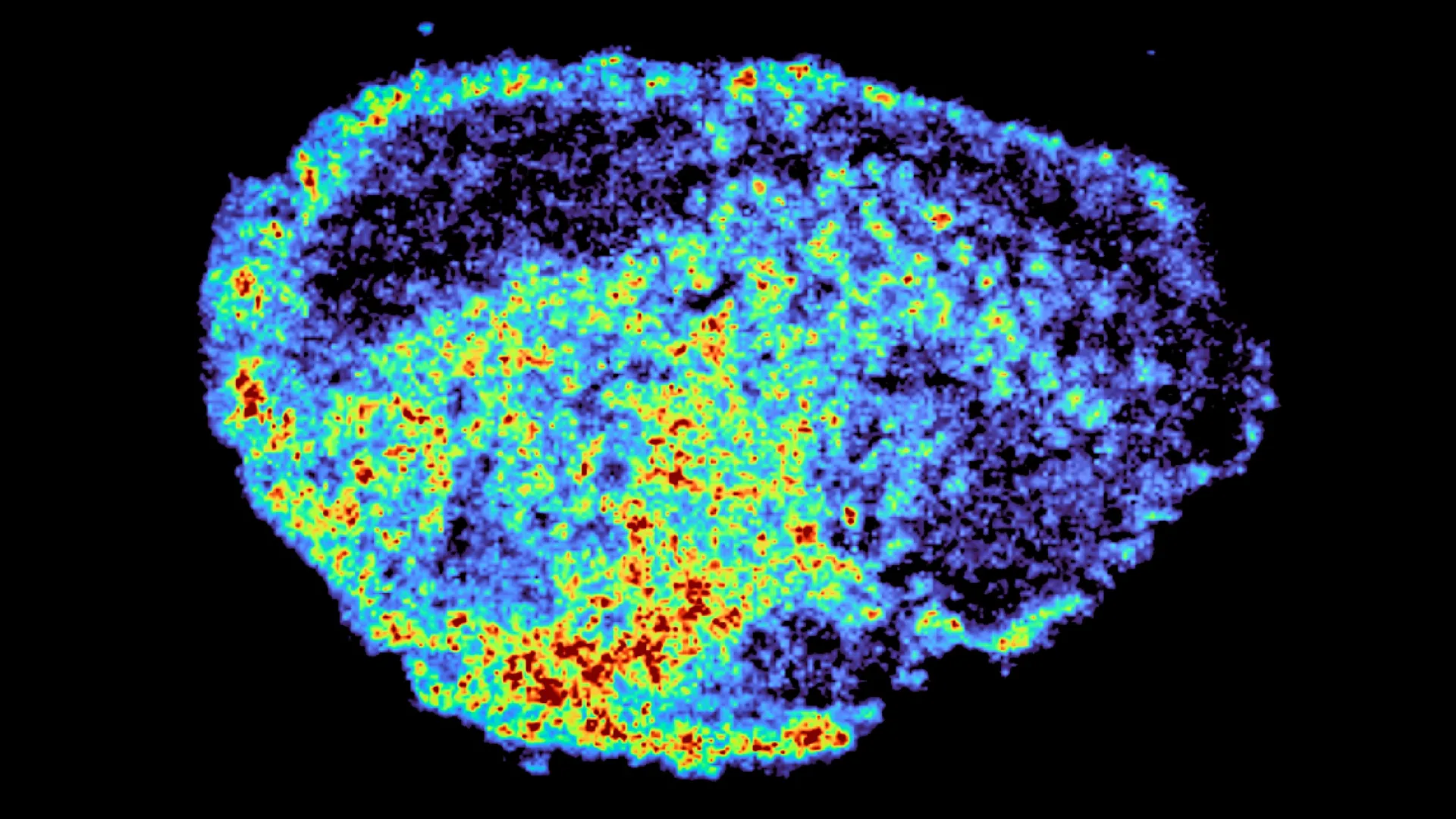
The fundamental challenge of modern oncology lies in the unpredictable nature of therapeutic response, where a treatment that proves life-saving for one individual may offer no clinical benefit to another with a seemingly identical diagnosis. A landmark study published in the journal Nature Communications has provided a significant breakthrough in understanding this phenomenon, specifically regarding a class of drugs known as PARP inhibitors. Led by Dr. Louise Fets at the MRC Laboratory of Medical Sciences (LMS), the research team utilized cutting-edge imaging and molecular mapping to determine why these targeted therapies distribute unevenly within ovarian tumors. The findings suggest that the internal architecture of cancer cells—specifically the small organelles known as lysosomes—acts as a critical regulator of drug concentration and, by extension, treatment success.
The Evolution and Impact of PARP Inhibitors in Clinical Oncology
To understand the weight of this new research, it is essential to consider the historical context of PARP (Poly ADP-ribose polymerase) inhibitors. Since their introduction into the clinical landscape over a decade ago, PARP inhibitors have revolutionized the management of several malignancies, most notably ovarian, breast, and prostate cancers. These drugs work on the principle of "synthetic lethality." In patients with mutations in the BRCA1 or BRCA2 genes, the cells’ ability to repair double-strand DNA breaks is already compromised. By inhibiting the PARP enzyme, which handles single-strand break repairs, the drugs force the cancer cells into a state where they can no longer maintain genomic integrity, leading to programmed cell death.
Despite the high success rates in initial clinical trials, oncologists have long grappled with the reality of primary and acquired resistance. Approximately 40% to 50% of patients with BRCA mutations do not respond to PARP inhibitors, and many who do initially respond eventually see their cancer return. Until now, the prevailing theories for resistance focused primarily on genetic mutations that restored DNA repair functions. However, the study led by the MRC LMS suggests that the physical distribution of the drug—how much of it actually reaches the target inside the cell—may be just as important as the genetic makeup of the tumor.
Methodology: Mapping the Microscopic Landscape of Tumors
The research team employed a sophisticated experimental design to bypass the limitations of traditional laboratory models. Most drug testing occurs in two-dimensional cell cultures, which fail to replicate the complex, three-dimensional environment of a human tumor. To solve this, the scientists used "tumor explants"—thin slices of live ovarian tumor tissue donated by patients. These explants were maintained in a controlled environment that preserved the original architecture, cell-to-cell interactions, and metabolic state of the tumor.
The core of the study involved treating these explants with various PARP inhibitors, including rucaparib, niraparib, and olaparib. To track the movement of these molecules, the researchers utilized mass spectrometry imaging (MSI). This technology allows scientists to visualize the spatial distribution of specific chemicals across a tissue sample with high precision. Unlike traditional staining methods, MSI provides a direct measurement of the drug molecules themselves, creating a "heat map" of drug concentration across the tumor landscape.
To gain even deeper insights, the team paired MSI with spatial transcriptomics. This dual-pronged approach allowed them to correlate drug levels with gene activity in the exact same tissue regions. By comparing areas of high drug accumulation with areas of low accumulation, the researchers could identify the specific cellular pathways that were active in response to varying concentrations of the therapy.
The Lysosomal Reservoir: A Double-Edged Sword in Drug Delivery
The most striking discovery of the study was the role of lysosomes in drug sequestration. Lysosomes are often described as the "recycling centers" or "stomach" of the cell; they are acidic organelles filled with enzymes designed to break down cellular waste. The researchers found that certain PARP inhibitors, specifically rucaparib and niraparib, are "lysosmotropic," meaning they are chemically drawn into these acidic compartments.
Once inside the lysosome, these drug molecules become trapped. However, rather than simply being neutralized, the lysosomes appear to act as slow-release reservoirs. They store the drug at high concentrations and gradually release it back into the rest of the cell over time. This process creates a significant disparity in drug exposure: some cells are saturated with the inhibitor, while neighboring cells remain under-treated.
Interestingly, not all PARP inhibitors behave this way. The study noted that olaparib, one of the most commonly prescribed drugs in this class, does not accumulate in lysosomes to the same extent. This suggests that the chemical properties of the individual drug—its basicity and lipid solubility—dictate how it interacts with the cell’s internal structures. This variability explains why patients might respond differently to two drugs that are technically in the same therapeutic class.
Chronology of the Research and Key Data Points
The research project spanned several years, moving from initial observations in cell lines to the complex analysis of patient-derived tissue. The timeline highlights a rigorous validation process:
- Phase I: Chemical Profiling. The team identified that the physicochemical properties of rucaparib and niraparib made them candidates for lysosomal trapping.
- Phase II: Explant Development. Researchers perfected the technique of maintaining human ovarian tumor slices ex vivo, ensuring the tissue remained viable for long enough to observe drug uptake.
- Phase III: Imaging and Mapping. Using mass spectrometry imaging, the team documented that drug distribution was highly heterogeneous. In some tumor samples, drug concentration varied by more than five-fold between adjacent regions.
- Phase IV: Transcriptomic Correlation. The integration of spatial transcriptomics revealed that cells in "drug-rich" zones showed higher markers of DNA damage and stress, confirming that the trapped drug was eventually reaching its target, albeit unevenly.
Dr. Carmen Ramirez Moncayo, the study’s first author and a Postdoctoral Researcher at the LMS, noted the team’s surprise at the degree of single-cell variability. The data showed that even within a single patient’s tumor, the "reservoir effect" could lead to some areas being effectively cured while others remained a breeding ground for potential relapse.
Expert Responses and Strategic Implications
The scientific community has reacted with optimism to these findings, viewing them as a roadmap for more refined drug design. Dr. Zoe Hall, a senior author and Associate Professor at Imperial College London, emphasized the novelty of the spatial mapping approach. According to Hall, being able to pinpoint regions of high and low drug levels and compare them directly with gene expression from the same tissue slice provides a level of detail previously unavailable in clinical oncology.
Dr. Louise Fets, Head of the LMS’ Drug Transport and Tumour Metabolism Group, suggested that this research could eventually lead to a "molecular signature" for patients. By analyzing a patient’s tumor structure and lysosomal activity before treatment, doctors might be able to predict which PARP inhibitor would be most effective or whether a different delivery method is required to ensure even distribution.
Furthermore, the study raises important questions about drug dosing. If a significant portion of a drug is being sequestered in lysosomes, the "effective dose" reaching the nucleus (where the DNA repair enzymes reside) may be much lower than the administered dose. This could explain why some patients experience severe side effects without seeing a corresponding reduction in tumor size; the drug is accumulating in the wrong parts of the body or the wrong parts of the cell.
Future Outlook: Toward Personalized Distribution Strategies
While the results are groundbreaking, the researchers acknowledge that the study was conducted on tissue outside the body. In a clinical setting, drugs must navigate the circulatory system and penetrate disorganized tumor blood vessels before they even reach the cell membrane. The interaction between blood flow, tumor pressure, and lysosomal storage creates a multi-layered barrier to effective treatment.
Future research will focus on animal models to see how these dynamics play out in a living system over longer periods. There is also significant interest in exploring whether "lysosome-modulating" drugs—medicines that change the acidity of these organelles—could be used in combination with PARP inhibitors to prevent trapping or trigger a more rapid release of the stored drug.
The implications of this study extend beyond ovarian cancer. Lysosomal trapping is a potential factor in the efficacy of many basic (alkaline) drugs used in the treatment of various cancers and even neurological disorders. By understanding the "hidden reservoirs" within our cells, the medical community moves one step closer to truly personalized medicine, where the right drug is delivered to the right part of the cell at the right time.
The research was made possible through a collaborative funding effort involving the Medical Research Council, Cancer Research UK, the MRC Toxicology Unit, and the Victoria’s Secret Global Fund for Women’s Cancers, in partnership with Pelotonia and the American Association for Cancer Research (AACR). This diverse support underscores the global priority of solving the mystery of drug resistance in women’s cancers.
