
 By admin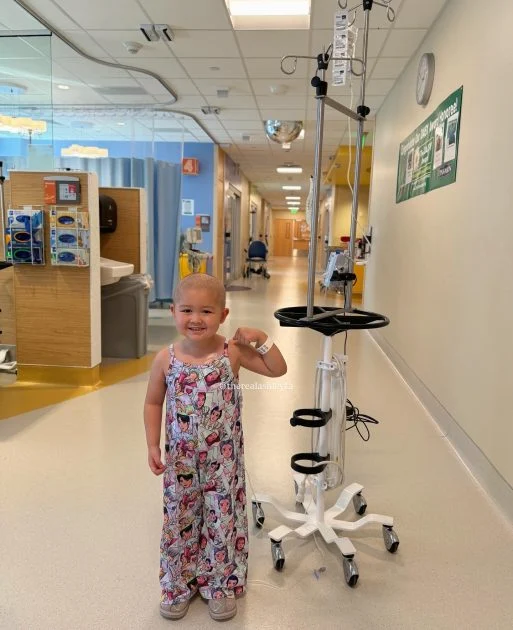
The narrative of pediatric cancer often begins not with a laboratory result, but with the persistent intuition of a parent. For Rylee Ta, a four-year-old recently named as the 2026 Ambassador for the American Childhood Cancer Organization (ACCO), the path to a diagnosis of Acute Lymphoblastic Leukemia (ALL) was defined by a maternal struggle against clinical dismissal. Rylee’s story, documented by her mother, Ashley Ta, serves as a poignant case study in the necessity of parental advocacy within the healthcare system and the rigorous clinical demands placed upon pediatric oncology patients.
The Diagnostic Challenge: A Chronology of Advocacy
The onset of Rylee’s illness was characterized by a series of non-specific symptoms that initially eluded definitive diagnosis. According to accounts provided by Ashley Ta, the family sought medical attention multiple times over several days, presenting a growing list of symptoms that included persistent fevers, chills, body aches, joint pain, and localized swelling in the eye and lymph nodes. Despite these red flags, initial medical assessments suggested minor ailments, such as seasonal allergies or common viral infections.
The disconnect between clinical observation and parental intuition reached a turning point on August 6th. After multiple visits to Urgent Care facilities and Emergency Rooms, Ashley Ta insisted on a comprehensive blood panel, refusing to leave without more definitive answers. At 5:00 PM that evening, the results confirmed the presence of leukemia. The diagnosis was delivered during a period of significant family strain; Rylee’s father, Jacob, was deployed overseas at the time, leaving Ashley to navigate the immediate aftermath of the diagnosis in isolation. Within hours of the blood test results, Rylee was transported via ambulance to a specialized facility in Denver to begin emergency stabilization and treatment.
Clinical Intervention and the First Phase of Treatment
Acute Lymphoblastic Leukemia is a type of cancer of the blood and bone marrow that affects white blood cells. It is the most common form of cancer in children, and while survival rates have improved significantly over the last several decades, the initial treatment phase is notoriously intensive.
Upon her arrival in Denver, Rylee underwent an aggressive series of medical procedures designed to stabilize her condition and begin the eradication of malignant cells. Within the first week of her hospitalization, the medical team performed several critical interventions:
- Port-a-Cath Placement: A surgical procedure to install a semi-permanent venous access device, allowing for the frequent administration of chemotherapy and the drawing of blood without repeated needle sticks.
- Bone Marrow Biopsy: A diagnostic procedure to evaluate the extent of the leukemia within the marrow.
- Lumbar Puncture and Intrathecal Chemotherapy: The administration of chemotherapy directly into the spinal fluid to prevent or treat the spread of cancer cells to the central nervous system.
- Transfusions: Rylee required three blood transfusions and two platelet transfusions to address the anemia and clotting deficiencies caused by both the disease and the initial rounds of treatment.
- Systemic Chemotherapy: The initiation of a two-hour intravenous chemotherapy regimen.
By early September, Rylee’s medical team declared her to be in clinical remission. While "remission" indicates that leukemia cells are no longer detectable in the blood or bone marrow, it does not signify the end of the medical journey. The standard of care for pediatric ALL requires a multi-year treatment plan to prevent relapse. Rylee’s current protocol is scheduled to continue through October 2027.
Technological Advancements in Treatment: Blinatumomab
As Rylee moved into subsequent phases of her treatment in October, her protocol included the use of Blinatumomab, often referred to by the brand name Blincyto. Blinatumomab represents a significant advancement in immunotherapy; it is a bispecific T-cell engager (BiTE) antibody that works by directing the body’s own immune system—specifically T cells—to target and destroy leukemia cells.
Unlike traditional chemotherapy, which is often administered in high-dose "pulses," Blinatumomab is typically delivered via continuous intravenous infusion. For Rylee, this meant wearing a specialized "superhero" backpack containing a portable infusion pump for 28 consecutive days. This method allows pediatric patients to maintain a degree of mobility and remain outside the hospital setting while receiving life-saving medication. The use of such technology highlights the shift in modern oncology toward treatments that, while still taxing, aim to preserve a child’s ability to engage in daily activities.
The Role of Medical Play in Pediatric Coping
A critical component of Rylee’s resilience has been her engagement with "medical play," a therapeutic technique used to help children process the trauma of chronic illness. The American Childhood Cancer Organization provides Medical Play Kits to families, designed to familiarize children with the equipment and procedures they encounter in the hospital.
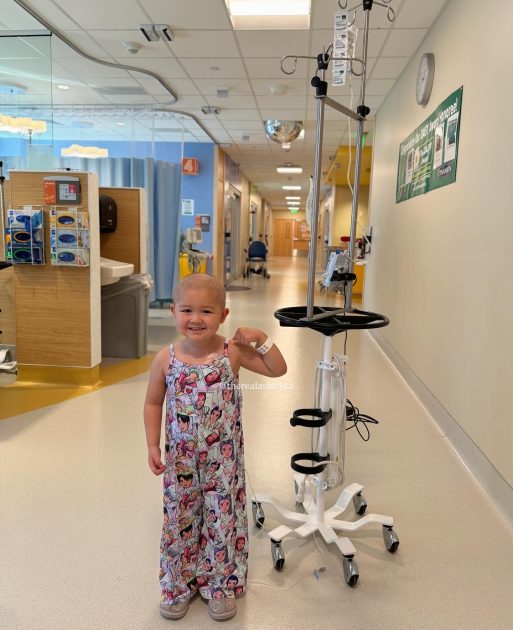
Rylee’s interactions with these resources—documented in videos where she refers to herself as "Dr. Ta"—demonstrate the psychological benefits of reclaiming agency. By "treating" dolls or using toy versions of the medical devices she sees daily, Rylee transitions from a passive recipient of treatment to an active participant in her own environment. Child life specialists argue that such play is essential for reducing anxiety and improving compliance with difficult medical protocols.
Supporting Data: The Landscape of Childhood Cancer
Rylee’s diagnosis places her within a significant demographic of pediatric patients. According to the American Cancer Society and the National Cancer Institute:
- Prevalence: Leukemia accounts for approximately 25% to 30% of all cancers diagnosed in children and adolescents. ALL is the most frequent subtype.
- Survival Rates: The five-year survival rate for children with ALL has risen to approximately 90% due to advancements in multi-agent chemotherapy and immunotherapy.
- Treatment Duration: Despite high survival rates, the treatment duration for ALL is among the longest in pediatric oncology, typically lasting between two and three years.
- Late Effects: Survivors of childhood ALL often face "late effects," which can include cardiovascular issues, cognitive changes, or secondary malignancies, necessitating lifelong medical follow-up.
The data underscores the reality that while the prognosis for ALL is generally positive, the burden of treatment on the child and the financial and emotional toll on the family are immense.
Broader Implications: The "Trust Your Gut" Mandate
The advocacy displayed by Ashley Ta highlights a critical issue in pediatric medicine: the diagnostic delay. Studies have shown that parental concern is often a highly accurate predictor of serious illness, yet "maternal anxiety" is sometimes cited by clinicians as a reason to downplay symptoms.
Ashley’s advice to other parents—to "Trust your gut" even when labeled as an "overreacting mom"—is supported by a growing movement in patient safety that emphasizes the "Parental Intuition" model. In Rylee’s case, the persistence of the mother was the catalyst for the blood test that ultimately saved the child’s life. This narrative reinforces the need for a collaborative healthcare model where parental observations are integrated into the clinical decision-making process rather than dismissed as anecdotal.
Furthermore, Rylee’s situation sheds light on the unique challenges faced by military families. With Jacob Ta deployed during the initial crisis, the family’s experience illustrates the necessity of robust support networks for service members whose families face medical emergencies. The logistical and emotional complexities of managing a cancer diagnosis during a deployment add a layer of difficulty that requires specific attention from both military and civilian support organizations.
Conclusion and Future Outlook
As the 2026 ACCO Ambassador, Rylee Ta represents the face of pediatric cancer resilience. Her journey from the initial frustration of seeking a diagnosis to her current status in maintenance treatment serves as both a cautionary tale regarding medical dismissal and a beacon of hope regarding the efficacy of modern oncology.
The Ta family continues to document Rylee’s journey via social media, providing an honest look at the realities of life with ALL. Their transparency aims to foster a community of support and to raise awareness for the resources provided by the ACCO. The organization’s mission—"Kids can’t fight cancer alone"—is reflected in the free resources they provide, such as the Medical Play Kits, which are funded through public donations and advocacy efforts.
As Rylee continues her treatment through 2027, her story remains a testament to the power of a mother’s voice and the indomitable spirit of a child. The focus now shifts to the long-term management of her health and the ongoing effort to ensure that other families have the tools and the confidence to advocate for their children in the face of medical uncertainty.
