
 By admin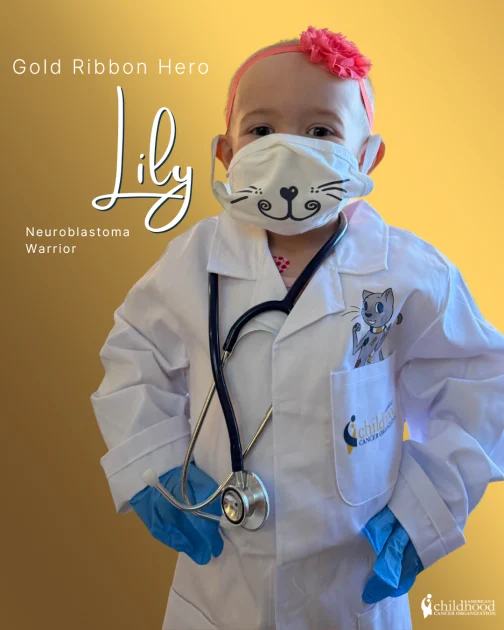
The clinical journey of Lily, a two-year-old pediatric patient, underscores the aggressive nature of neuroblastoma and the persistent challenges faced by families and medical professionals in the field of pediatric oncology. Diagnosed at just 18 months old, Lily has become a "two-time warrior" against a disease that remains one of the most common and complex extracranial solid tumors in children. Her case, characterized by a rapid progression from initial diagnosis to remission and a subsequent central nervous system (CNS) relapse, highlights the critical need for advanced therapeutic interventions and a deeper understanding of tumor biology.
The Initial Diagnosis and Clinical Presentation
In early 2024, Lily’s family sought emergency medical intervention following persistent abdominal discomfort. In many pediatric cases, early symptoms of neuroblastoma can be non-specific, often mimicking common childhood ailments such as constipation or viral infections. For Lily, what was initially suspected to be a gastrointestinal issue was quickly identified as a significant medical emergency when diagnostic imaging revealed a large mass localized in her abdomen.
Neuroblastoma typically originates in the adrenal glands but can also develop in nerve tissues along the spine, chest, abdomen, or pelvis. It arises from immature nerve cells, known as neuroblasts, which fail to develop into mature nerve cells or fibers. By the time Lily was diagnosed at 18 months, the malignancy required an immediate and intensive multimodal treatment strategy.
A Multimodal Approach to High-Risk Treatment
Upon confirmation of the diagnosis, Lily was placed on a rigorous treatment protocol designed for high-risk neuroblastoma. This regimen is among the most intensive in pediatric medicine, involving a combination of systemic and localized therapies. Lily’s initial battle included:
- Induction Chemotherapy: High-dose pharmacological agents were administered to shrink the primary tumor and eliminate any circulating cancer cells.
- Surgical Resection: Surgeons worked to remove the abdominal mass, a procedure complicated by the proximity of the tumor to vital organs and blood vessels.
- Bone Marrow Transplants: To counter the bone marrow suppression caused by high-dose chemotherapy, Lily underwent autologous stem cell transplants to rescue her hematopoietic system.
- Radiation Therapy: Targeted high-energy beams were used to destroy remaining microscopic cancer cells in the tumor bed.
- Immunotherapy: This advanced treatment utilizes the body’s immune system to recognize and attack neuroblastoma cells, specifically targeting molecules like GD2 on the surface of the tumor cells.
Throughout this period, Lily’s resilience was noted by her family and medical staff. Despite the physiological toll of these treatments, she reached a significant milestone in September 2025, when clinical evaluations confirmed she had entered remission.
The Challenge of Relapse and CNS Involvement
The period of remission offered a brief reprieve for Lily and her family. However, pediatric oncology, particularly in high-risk neuroblastoma cases, is often fraught with the risk of recurrence. Just two months after her treatment was completed, Lily began experiencing persistent headaches. Her parents’ quick response led to a second round of diagnostic testing, which revealed that the cancer had returned, this time manifesting in her brain.
A relapse in the central nervous system presents a unique set of challenges. The blood-brain barrier, a protective layer of cells that prevents harmful substances from entering the brain, also acts as a barrier to many standard chemotherapy drugs. Consequently, neuroblastoma that spreads to or recurs in the brain requires specialized surgical intervention and localized therapies.
Following the discovery of the relapse, Lily underwent brain surgery to remove the metastatic lesion. She is currently undergoing a secondary round of intensive treatment, including specialized chemotherapy, immunotherapy, and cranial radiation. This "second battle" highlights the unpredictable nature of the disease and the limitations of current frontline therapies in preventing distant recurrence.
Statistical Context and the Prevalence of Neuroblastoma
Lily’s story is a personal manifestation of a broader public health challenge. Neuroblastoma accounts for approximately 7% to 10% of all childhood cancers in the United States, with about 700 to 800 new cases diagnosed annually. It is the most common cancer diagnosed in infants under the age of one.
The prognosis for neuroblastoma varies significantly based on risk stratification, which is determined by the child’s age, the stage of the cancer, and the biological features of the tumor (such as MYCN gene amplification). While low-risk and intermediate-risk cases have high survival rates, high-risk neuroblastoma—the category Lily’s case likely falls into—has a five-year survival rate of approximately 50%. The risk of relapse remains a primary concern for oncologists, as recurrent neuroblastoma is significantly more difficult to treat than the initial occurrence.
The Role of Parental Advocacy and Psychological Impact
Lily’s mother describes her daughter as "playful, loving, and spicy," a testament to the child’s spirit in the face of debilitating illness. However, the emotional and financial burden on families navigating pediatric cancer is immense. The transition from the joy of remission to the devastation of a relapse within eight weeks creates a profound psychological strain.
Organizations like the American Childhood Cancer Organization (ACCO) emphasize that children and their families cannot fight these battles in isolation. Advocacy groups play a vital role in providing resources, emotional support, and funding for research that is often under-prioritized. Parental vigilance, as demonstrated by Lily’s parents when they acted on her headaches, is often the first line of defense in identifying relapses before they become untreatable.
The Funding Gap in Pediatric Cancer Research
The recurring nature of Lily’s illness brings to light a critical issue in the medical community: the disparity in research funding. Despite cancer being the leading cause of death by disease for children in the United States, pediatric cancer research receives only a small fraction of the National Cancer Institute’s (NCI) total budget—historically around 4%.
Because pediatric cancers are biologically distinct from adult cancers, they require unique therapeutic approaches. Many drugs used to treat children like Lily were originally developed for adults and can have long-term "late effects" on a child’s developing body, including secondary cancers, heart damage, and cognitive impairments. The development of pediatric-specific drugs is often slowed by the smaller market size for pharmaceutical companies, making federal and donor-funded research essential.
Implications for the Future of Pediatric Oncology
Lily’s current treatment for relapsed neuroblastoma involves some of the most cutting-edge techniques available, yet her case illustrates that the "standard of care" is still evolving. Researchers are currently investigating several promising avenues that could change the trajectory for future patients:
- CAR-T Cell Therapy: This involves re-engineering a patient’s own T-cells to recognize and kill neuroblastoma cells.
- Liquid Biopsies: Developing more sensitive blood tests to detect minimal residual disease (MRD) could allow doctors to identify a relapse months before symptoms like headaches appear.
- Targeted Radiopharmaceuticals: Using radioactive molecules that attach specifically to neuroblastoma cells (such as MIBG therapy) allows for high doses of radiation to be delivered directly to the tumor while sparing healthy tissue.
For patients like Lily, these advancements are not just theoretical; they represent the hope for a future where remission is permanent.
Conclusion and Call to Action
Lily’s journey from an 18-month-old toddler with stomach pain to a two-year-old brain surgery survivor is a sobering reminder of the volatility of pediatric cancer. Her case emphasizes that the battle against neuroblastoma does not always end with the final dose of the initial treatment protocol. It requires ongoing surveillance, rapid response to new symptoms, and a medical infrastructure capable of pivoting to new strategies when a relapse occurs.
The American Childhood Cancer Organization and other advocacy groups continue to call for increased public awareness and financial support. By funding research and supporting families, the medical community aims to move toward a reality where no child has to face a "second battle" and where the term "remission" is synonymous with a cure. As Lily continues her current round of chemotherapy, immunotherapy, and radiation, her story serves as a catalyst for a broader discussion on the necessity of prioritizing pediatric oncology on the national healthcare agenda. For more information on neuroblastoma and how to support families in crisis, resources are available through the ACCO and the National Cancer Institute.
