
 By admin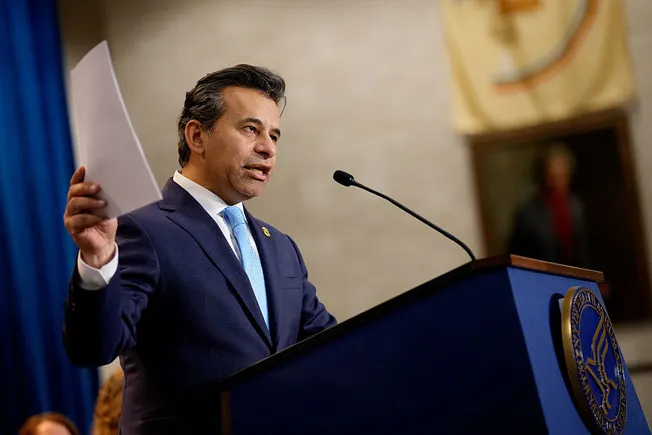
The U.S. Food and Drug Administration (FDA) has announced significant draft guidance aimed at accelerating the development and approval of biosimilar medications, signaling a pivotal shift in regulatory strategy designed to enhance market competition and drive down prescription drug costs for consumers. This move builds on more than a decade of experience since the agency approved the first biosimilar eleven years ago, leading to over 80 biosimilars for various brand-name drugs now having received regulatory clearance. The new framework seeks to reduce the upfront research and development (R&D) costs for biosimilar manufacturers by, in certain instances, lowering the testing requirements and allowing the use of data from comparator products developed outside the United States. This strategic pivot comes as biologics, while representing a small fraction of prescription volume, account for a disproportionately large and growing share of pharmaceutical spending, making biosimilars a critical component in broader healthcare affordability initiatives.
A Decade of Biosimilar Evolution: Promise and Hurdles
The pathway for biosimilar approval in the U.S. was established under the Biologics Price Competition and Innovation Act (BPCIA) as part of the Affordable Care Act (ACA) in 2010. This legislation aimed to create a robust regulatory framework for approving biologic products that are highly similar to, and have no clinically meaningful differences from, an existing FDA-approved reference product. Unlike small-molecule drugs, which are chemically synthesized and can be precisely replicated through a known formula, biologics are complex molecules derived from living organisms, such as cells or tissues. Their intricate structures and manufacturing processes mean that biosimilars cannot be exact replicas but rather "highly similar" versions, requiring rigorous comparative analytical, non-clinical, and clinical studies to demonstrate biosimilarity.
The journey since the first biosimilar approval in 2015 has been marked by both progress and persistent challenges. While over 80 biosimilars have been approved in the U.S., their market penetration and impact on prices have not always met initial expectations. Europe, with a longer history and different regulatory approach, has seen more rapid adoption, with over 130 biosimilars approved as of last year. This disparity highlights the unique hurdles faced in the U.S. market, including complex patent landscapes often described as "patent thickets" employed by brand-name drugmakers, limited access to formularies by pharmacy benefit managers (PBMs), and a general lack of understanding or confidence among some prescribers and patients. These factors have historically hampered the intended competitive effects and significant cost savings.
The development process for biosimilars is inherently complex and expensive. Comparative clinical studies alone can take up to three years and incur costs of approximately $24 million, according to FDA estimates. This substantial investment, coupled with the uncertainties of market access and aggressive pricing strategies by reference product manufacturers, has created difficult margins for biosimilar developers. Industry observers have warned that without sufficient incentives and a smoother regulatory path, fewer manufacturers would be willing or able to bring new biosimilars to market, potentially diminishing competition and leading to higher long-term costs for patients.
FDA’s Strategic Shift: Lowering Barriers, Fostering Innovation
The newly issued draft guidance directly addresses these economic and regulatory barriers. By allowing biosimilar manufacturers, in some cases, to utilize data from comparator products sourced from outside the U.S., the FDA aims to significantly reduce the burden and cost of development. This change could potentially cut development costs by about half, making the pathway more attractive for companies. The agency’s rationale is rooted in the recognition that robust scientific evidence from international regulatory environments, particularly those with well-established biosimilar pathways like the European Medicines Agency (EMA), can be leveraged to streamline the U.S. approval process without compromising safety or efficacy standards.
This guidance is part of a broader FDA strategy to encourage competition and promote the availability of more affordable medicines. By optimizing the evidentiary requirements for demonstrating biosimilarity and interchangeability – a designation indicating that a biosimilar can be substituted for the reference product at the pharmacy level without the intervention of the prescriber – the agency is attempting to create a more predictable and economically viable environment for biosimilar developers. The goal is to reduce the initial financial outlay, thereby incentivizing more companies, including established players like Amgen, Pfizer, and Sandoz, to invest in this critical segment of the pharmaceutical market.
The Economic Imperative: Addressing Biologic Spending
The urgency behind the FDA’s updated guidance is underscored by the escalating costs of biologic medicines. Despite accounting for only about 5% of prescription volume in 2024, biologics represented more than half of all drug spending, according to a recent report from health services company Cardinal Health. This disproportionate spending burden highlights the critical need for cost-saving alternatives, especially as many blockbuster biologics approach their patent expiration dates.
Biologics are often life-saving treatments for chronic and severe conditions, including various cancers, autoimmune diseases, and inflammatory disorders. Their high price tags are attributed to complex R&D, sophisticated manufacturing processes involving living systems, rigorous quality control, and extensive clinical trials. While invaluable, these costs place a significant strain on healthcare budgets, health insurers, and individual patients, often leading to access issues and financial toxicity. Biosimilars offer a proven mechanism to introduce price competition and expand patient access to these essential therapies.
Oncology: A Critical Frontier for Biosimilar Impact
The field of oncology represents one of the most promising frontiers for biosimilar competition and cost savings. Biologics, particularly checkpoint inhibitors, have revolutionized cancer treatment over the past decade, becoming cornerstones in the management of dozens of cancer types. These innovative therapies, while highly effective, come with exceptionally high costs. For instance, Merck & Co.’s Keytruda, a leading checkpoint inhibitor, remained the bestselling drug globally last year, generating over $35 billion in revenue.
Several other high-value cancer drugs, including Bristol Myers Squibb’s Yervoy and Opdivo, and Genentech’s Perjeta, are facing exclusivity losses before 2030. This impending "patent cliff" opens a substantial window for biosimilar entry, which Cardinal Health projects could lead to major savings for the healthcare system. The potential impact is enormous, given the prevalence and cost of cancer treatments.
Early evidence from the oncology sector already demonstrates the power of biosimilars to drive down prices. Biosimilars of Roche’s Herceptin, a foundational breast cancer drug, have been on the market since 2019. The introduction of six copycats has resulted in an average sales price drop of 76%, according to Cardinal Health data. This significant reduction exemplifies the potential financial relief that biosimilars can bring to patients and healthcare systems.
Furthermore, oncologists have shown a high degree of receptiveness to biosimilars. A Cardinal Health survey indicated that 99% of oncology practices expressed confidence in explaining biosimilars to patients. This high level of acceptance among specialists is crucial for driving demand and encouraging patient switches, which are essential for biosimilar market penetration and the realization of cost savings.
Navigating Market Realities: Challenges and Opportunities Ahead
Despite the clear benefits, the path for biosimilars remains complex, as illustrated by the market entry of biosimilars for AbbVie’s blockbuster immunology drug, Humira. In 2023, several Humira biosimilars launched, with some entering the market at discounts as steep as 92% off the brand name’s wholesale acquisition cost, according to the Association for Accessible Medicines’ Biosimilars Council. While seemingly beneficial for patients, such aggressive pricing can create unsustainable margins for biosimilar manufacturers, jeopardizing their ability to recoup the $100 million to $300 million in upfront investment required for development.
The Humira case also highlighted the formidable legal barriers erected by brand-name drugmakers. AbbVie’s "patent thicket," consisting of hundreds of patents surrounding Humira, effectively kept biosimilars off the market for years until the pharma giant reached settlements with copycat makers for a staggered 2023 launch. Initially, these biosimilars struggled to gain traction amidst the crowded market and complex payer landscape, though they have reportedly seen a surge in prescribing about a year after their initial introduction. This scenario underscores the need for continued regulatory vigilance and policy interventions to address anticompetitive practices.
The FDA’s revised guidance is a critical step in addressing the economic viability of the biosimilar market. By reducing the cost and time associated with clinical development, the agency aims to make the biosimilar pathway more attractive and sustainable. This could encourage more manufacturers to enter the market and ensure that existing players can maintain healthy margins, thereby fostering a robust competitive environment that ultimately benefits patients through lower prices and increased access to essential medicines.
Broader Implications and Future Outlook
The FDA’s proactive stance is poised to have far-reaching implications for the pharmaceutical industry and the broader healthcare ecosystem. For major biosimilar developers, the streamlined pathway could translate into faster market entry, reduced financial risk, and a stronger incentive to invest in a wider portfolio of biosimilar candidates. This could accelerate the availability of lower-cost alternatives across various therapeutic areas, extending beyond oncology to immunology, rheumatology, and other fields dominated by high-cost biologics.
For patients, the ultimate promise is greater access to life-changing medicines at more affordable prices. As more biosimilars become available and competition intensifies, the downward pressure on drug costs is expected to become more pronounced, alleviating financial burdens and improving adherence to treatment regimens. For healthcare systems and payers, increased biosimilar adoption offers a significant opportunity to manage escalating drug expenditures, freeing up resources for other critical healthcare services.
However, the success of this regulatory shift will also depend on concurrent efforts to address other market barriers. These include continued efforts to combat anticompetitive patent strategies, reforms to PBM practices to ensure biosimilars are adequately covered and incentivized on formularies, and ongoing educational initiatives for healthcare providers and patients to build confidence and encourage adoption.
In conclusion, the FDA’s new draft guidance marks a significant strategic evolution, reflecting a commitment to fostering a more competitive and affordable pharmaceutical market. By streamlining the biosimilar development process, the agency is not just lowering the bar for testing; it is potentially opening the floodgates for a new wave of affordable biologic medicines, particularly in high-cost areas like oncology. This move, coupled with continued vigilance against market distortions, holds the promise of transforming patient access and significantly contributing to the long-term sustainability of healthcare spending in the United States.
