
 By Billy Candra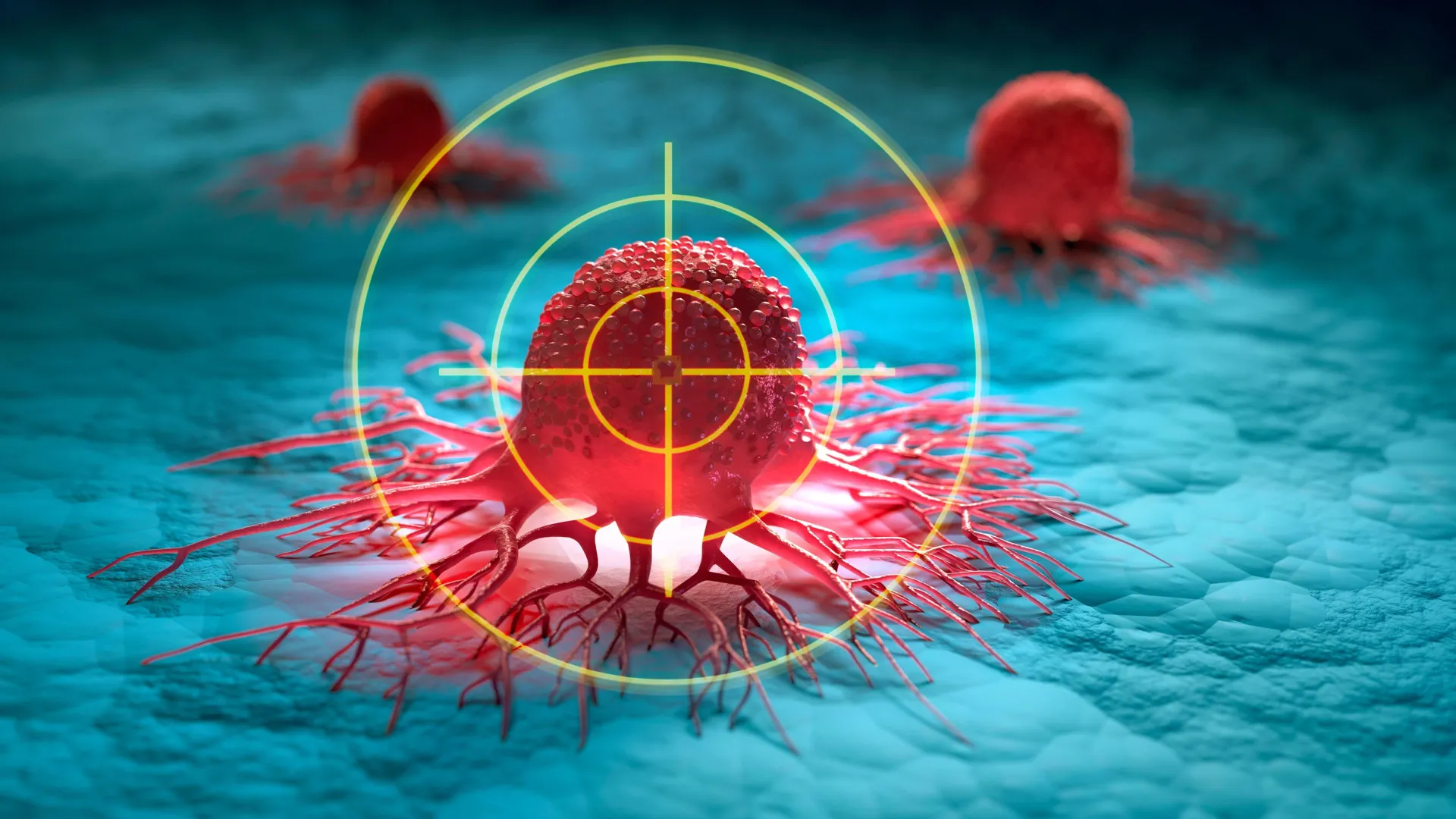
A groundbreaking experimental immunotherapy, developed by scientists at the Icahn School of Medicine at Mount Sinai, is poised to redefine the battle against metastatic cancer by adopting an unconventional strategy. Diverging from the traditional direct assault on cancer cells, this novel treatment focuses its attack on the protective cellular environment surrounding tumors, effectively dismantling their defenses from within. Published in the January 22 online issue of Cancer Cell, a Cell Press Journal, the research details a "Trojan horse" approach that has demonstrated remarkable success in aggressive preclinical models of metastatic ovarian and lung cancer, signaling a potentially transformative direction for advanced solid tumors resistant to current therapeutic modalities.
The Unseen Fortress: Unraveling the Tumor Microenvironment
Metastatic cancer, where cancer cells spread from their primary site to distant parts of the body, remains the leading cause of cancer-related deaths globally. Solid tumors, such as lung and ovarian cancers, are particularly formidable adversaries. Lung cancer, for instance, is the deadliest cancer worldwide, with a five-year survival rate of only about 20% for all stages, plummeting further for metastatic disease. Ovarian cancer, often diagnosed at advanced stages due to subtle symptoms, also presents significant challenges, with a five-year survival rate of roughly 49% overall, and considerably lower for metastatic cases. Current immunotherapies, while revolutionary for some cancers, often struggle against these aggressive solid tumors.
The core challenge lies within the tumor microenvironment (TME) – a complex ecosystem of immune cells, blood vessels, fibroblasts, and signaling molecules that conspire to protect and nourish cancer cells. This TME acts as a formidable "walled fortress," actively suppressing immune activity and creating a powerful barrier that shields cancer cells from immune system attacks and therapeutic interventions. Within this fortress, a specific type of immune cell, known as tumor-associated macrophages (TAMs), plays a critical, yet insidious, role.
"What we call a tumor is really cancer cells surrounded by cells that feed and protect them. It’s a walled fortress," explains Dr. Jaime Mateus-Tique, lead study author and a faculty member in Immunology and Immunotherapy at the Icahn School of Medicine at Mount Sinai. He elaborated on the persistent problem faced by immunotherapists: "With immunotherapy, we kept running into the same problem — we can’t get past this fortress’s guards. So, we thought: what if we targeted these guards, turned them from protectors to friends, and used them as a gateway to bring a wrecking force within the fortress?" This strategic shift forms the intellectual bedrock of the Mount Sinai team’s innovation.
A Trojan Horse Strategy: Re-engineering CAR T Cells for a New Target
The Mount Sinai team’s solution draws inspiration from the ancient Greek tale of the Trojan horse. Instead of attempting a frontal assault on the heavily guarded cancer cells, their therapy infiltrates the tumor by targeting the very cells meant to protect it: the TAMs. This novel approach leverages the power of Chimeric Antigen Receptor (CAR) T-cell therapy, a form of immunotherapy that has already revolutionized the treatment of certain blood cancers, such as specific leukemias and lymphomas. In CAR T-cell therapy, a patient’s own T cells are genetically engineered in the lab to express a CAR that allows them to recognize and bind to specific proteins, or antigens, on the surface of cancer cells, subsequently destroying them.
However, applying CAR T-cell therapy to solid tumors has been fraught with difficulties. Solid tumors often lack distinct, universally expressed cancer-specific antigens that CAR T cells can safely and effectively target without harming healthy tissues. Furthermore, the immunosuppressive TME can render CAR T cells ineffective, even if they manage to reach the tumor. The Mount Sinai researchers ingeniously circumvented these obstacles by redirecting CAR T cells to recognize and eliminate TAMs, rather than the cancer cells themselves.
The innovation didn’t stop there. To amplify the therapeutic effect, the researchers "armored" these CAR T cells with the ability to release interleukin-12 (IL-12), a potent immune-stimulating cytokine. IL-12 is known for its capacity to activate killer T cells and natural killer cells, thereby transforming the immunosuppressive TME into an immune-active environment. While IL-12 has shown promise in cancer treatment, its systemic administration has historically been limited by severe toxicity. By engineering the CAR T cells to release IL-12 locally within the tumor, the Mount Sinai team aimed to maximize its therapeutic impact while mitigating systemic side effects.
Preclinical Success and Dramatic Results in Aggressive Models
The strategy was rigorously tested in aggressive preclinical models of metastatic ovarian and lung cancer. The results were compelling and, in some cases, dramatic. Mice treated with these re-engineered, armored CAR T cells lived significantly longer than untreated mice, with a substantial proportion achieving complete cures. This outcome is particularly noteworthy given the aggressive nature of these cancer models, which closely mimic the challenges faced in human metastatic disease.
To understand the intricate mechanisms behind this success, the researchers employed advanced spatial genomics techniques. These sophisticated analyses provided a high-resolution view of the changes occurring within the tumor environment. They revealed that the treatment effectively depleted immune-suppressing TAMs, paving the way for an influx of cancer-killing immune cells. This profound reshaping of the TME from an immune-suppressed to an immune-active state was critical to the therapy’s efficacy.
A key implication of this mechanistic understanding is the therapy’s "antigen-independent" nature. Because it targets macrophages – cells common to virtually all tumor types – rather than specific cancer cell markers, the strategy holds potential for broad applicability across a wide spectrum of cancers, including those that have traditionally shown poor response to conventional immunotherapies. The consistent effectiveness observed in both lung and ovarian cancer models underscores this potential, suggesting a versatile therapeutic platform.
"Macrophages are found in every type of tumor, sometimes outnumbering the cancer cells. They’re there because the tumor uses them as a shield," emphasizes Dr. Brian Brown, senior author of the study and Director of the Icahn Genomics Institute, Vice Chair of Immunology and Immunotherapy, Associate Director of the Marc and Jennifer Lipschultz Precision Immunology Institute, and Mount Sinai Professor of Genetic Engineering. "What’s so exciting is that our treatment converts these cells from protecting the cancer to killing it. We’ve turned foe into ally."
The Broader Landscape of Cancer Immunotherapy and Mount Sinai’s Role
The development of this armored macrophage-targeted CAR T-cell therapy represents a significant advancement within the rapidly evolving field of cancer immunotherapy. Over the past decade, immunotherapies, particularly checkpoint inhibitors and CAR T cells, have transformed the prognosis for many patients with previously intractable cancers. Checkpoint inhibitors, for example, have demonstrated remarkable success in melanoma, lung cancer, and kidney cancer by releasing the brakes on the immune system, allowing T cells to recognize and destroy cancer. However, these therapies are not universally effective, and many patients, particularly those with solid tumors characterized by highly immunosuppressive TMEs, either do not respond or develop resistance.
CAR T-cell therapy, while a breakthrough for hematological malignancies, has faced a steep uphill battle in solid tumors. The challenges include the difficulty of T-cell infiltration into dense tumor masses, the hostile TME, and the lack of robust, specific targets on cancer cells. The Mount Sinai team’s approach directly addresses these limitations by shifting the target from the cancer cell itself to its crucial support system. This strategic pivot could unlock the potential of CAR T therapy for a much wider patient population.
Mount Sinai has long been at the forefront of medical innovation, with its Icahn School of Medicine and affiliated research institutes consistently contributing to breakthroughs in immunology, genomics, and cancer biology. The institution’s emphasis on precision medicine and interdisciplinary collaboration provides a fertile ground for such complex and cutting-edge research. The funding for this pivotal work, supported by NIH grants (U01CA28408, R01CA254104), the Alliance for Cancer Gene Therapy, the Feldman Family Foundation, and the Applebaum Foundation, underscores the recognition of its potential impact by major philanthropic and governmental research organizations.
Implications and Future Directions: Bridging the Gap to Clinical Application
While the preclinical results are highly encouraging, the researchers are careful to emphasize that these findings represent a "proof of concept" rather than an immediate cure. The journey from successful animal models to approved human therapies is often long and complex, requiring rigorous safety and efficacy testing in clinical trials.
"This establishes a new way to treat cancer," states Dr. Brown. "By targeting tumor macrophages, we’ve shown that it can be possible to eliminate cancers that are refractory to other immunotherapies." The immediate next steps for the Mount Sinai team involve further refining the therapy. A critical area of focus is optimizing the precise control over where and how IL-12 is released within tumors in mouse models. This fine-tuning is essential to maximize the therapeutic impact while rigorously maintaining safety, a paramount concern as the therapy progresses towards potential human testing.
The broader implications of this research are profound. If successful in human trials, this macrophage-targeted CAR T-cell strategy could open new avenues for treating a wide array of solid tumors, including pancreatic cancer, colorectal cancer, and glioblastoma, which are notoriously difficult to treat. It suggests a paradigm shift in CAR T-cell therapy, moving beyond direct cancer cell targeting to a more holistic approach that reshapes the entire tumor ecosystem. This could lead to a new generation of "smart" immunotherapies that disarm the tumor’s defenses, making it vulnerable to the body’s own immune system.
However, challenges remain. The manufacturing of CAR T cells is a complex and costly process, and scaling this technology for broader patient access will require significant investment and innovation. Furthermore, while the localized delivery of IL-12 aims to mitigate toxicity, potential off-target effects and immune-related adverse events will need to be meticulously monitored in human trials. Oncologists and immunology experts will closely watch the progression of this research, hoping that these initial promising results can be translated into tangible benefits for patients battling metastatic solid tumors, offering a renewed sense of hope where current options are limited.
The full list of authors contributing to this significant paper, titled "Armored macrophage-targeted CAR-T cells reset and reprogram the tumor microenvironment and control metastatic cancer growth," includes Jaime Mateus-Tique, Ashwitha Lakshmi, Bhavya Singh, Rhea Iyer, Alfonso R. Sánchez-Paulete, Chiara Falcomata, Matthew Lin, Gvantsa Pantsulaia, Alexander Tepper, Trung Nguyen, Angelo Amabile, Gurkan Mollaoglu, Luisanna Pia, Divya Chhamalwan, Jessica Le Berichel, Hunter Potak, Marco Colonna, Alessia Baccarini, Joshua Brody, Miriam Merad, and Brian D. Brown. Their collaborative efforts underscore the interdisciplinary nature of modern cancer research and the collective drive to find new and effective treatments for one of humanity’s most persistent foes.
